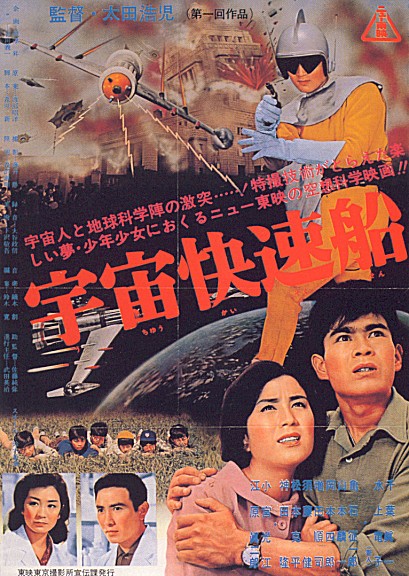
I honestly can’t tell the difference between “Invasion of the Neptune Men” and fellow IMDb Bottom 100 and Mystery Science Theater 3000 feature “Prince of Space”. They are so similar that I bet you could cut them together into a half-coherent movie. I initially made the mistake of watching these two back-to-back, not realizing how similar they were. You can even tell back in my “Prince of Space” review how difficult it was for me to distinguish between the two flicks. If it weren’t for the distinctive tones of Krankor, I wouldn’t have had a chance.
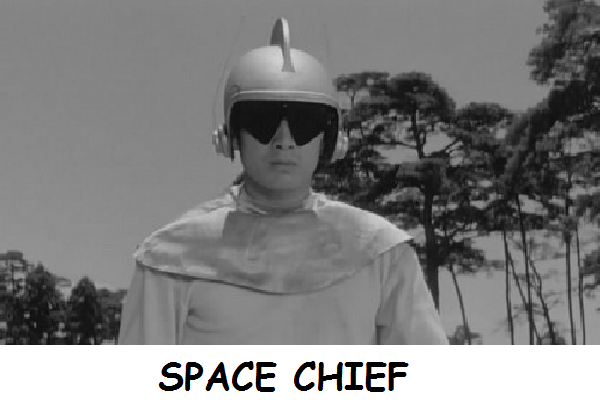
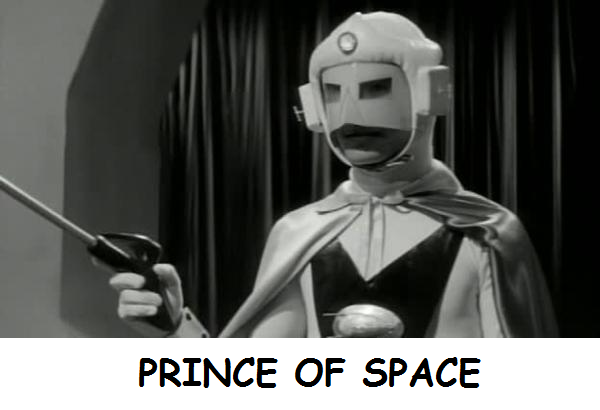
Given the similarities between these movies, most of the points I made in the “Prince of Space” review still stand here. There is a certain bizarre charm to these Japanese import movies, with all of the bad dubbing and dialogue. However, “Neptune Men” lacks a distinct, entertaining villain; which I saw as a big boon for “Prince of Space”. That being said, Sonny Chiba’s Space Chief is a little more interesting than his doppelganger, the eponymous Prince of Space. And I don’t use doppelganger lightly here, just check out how similar these characters look:
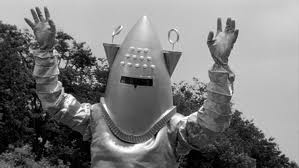
I am sure you can understand my confusion here. In addition to the near-identical heroes, the movies also have similar invasion plots, and both prominently feature a gang of poorly-dubbed children (which is to be expected from the genre). One of the key differences that helped me distinguish between the features were the alien designs. Both look horrendous, but they at least don’t look identically horrendous. “Prince of Space” featured chicken-like humanoids, whereas the Neptune Men wear stylized, conical spacesuits. I give the advantage to “Invasion of the Neptune Men” here, mostly because I could imagine these suits showing up in early “Doctor Who” serials or a weaker episode of “The Twilight Zone”. That’s not saying much though.
Overall, “Invasion of the Neptune Men” is a more forgettable flick than “Prince of Space”. Apart from the destruction of the Hitler building, there isn’t much that makes this movie stand out from the pack. It is a very long way from being good, but I don’t think it is distinctive or genuinely poor enough to be one of the worst movies of all time. Just like “The Starfighters”, I’m sure there were hordes of movies like this of similar quality that have been forgotten to time.
I can only recommend this movie in conjunction with “Prince of Space”, and with the MST3K treatment. The riffs are pretty good, and the similarities will throw you into confusion pretty fast once you get into the second of the films. As you would expect, you can find both films quite readily on YouTube with a little digging.
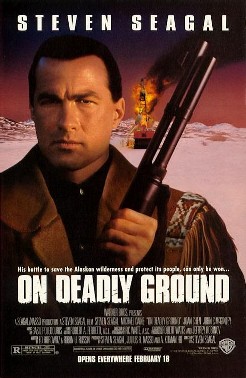
“On Deadly Ground” is a grand tale of the many loves of Steven Seagal: explosions, tasseled clothing, wanton murder, the environment, fighting bears, and bad film-making. It is almost like a visual scrapbook that allows one to peer into the mind of a man who some have referred to as an “actor”.
JACKET-TASSLES
If you cut 45 minutes out of “On Deadly Ground”, you could have an amazingly entertaining (yet horrible) 50 minute TV movie. Unfortunately, this movie is filled with massive lulls in the action where little-to-nothing happens. You are presented with all of the lovely scenery Alaska has to offer, but that sort of spectacle starts to get old after a few minutes without any plot momentum. As with many bad movies, the lack of cinematic pacing is the #1 problem with “On Deadly Ground”, but it is far from the only major flaw with the movie. I will say that it becomes mildly more watchable (and significantly more hilarious) if you watch through all of the dragging scenes at 1.5x speed.
Next on the laundry list of problems with this movie: the acting and directing (read: Steven Seagal). All of the villain characters in “On Deadly Ground” at least do an excellent job of hamming it up and making their screen time count, including notables such as Michael Caine, R. Lee Ermey, and John C. McGinley. However, unfortunately, most of the screen time in this movie is devoted to the never-charismatic, gargantuan wood block that is Steven Seagal. The fact of the matter is that Seagal just cannot act, and his presence never improves a film. In the unfortunate case of “On Deadly Ground”, he is not only the lead of the film, but he was also given the directorial reigns of the movie (for reasons that I will never comprehend). Apparently this decision led to some rather questionable calls on Seagal’s part, which significantly inflated the budget. My guess is that he needed more dramatic explosions, tasseled clothing, and oil for Michael Caine’s hair than initially projected. This movie being Seagal’s directorial debut almost certainly explains the aforementioned poor pacing as well, a not-uncommon issue for first-time directors.
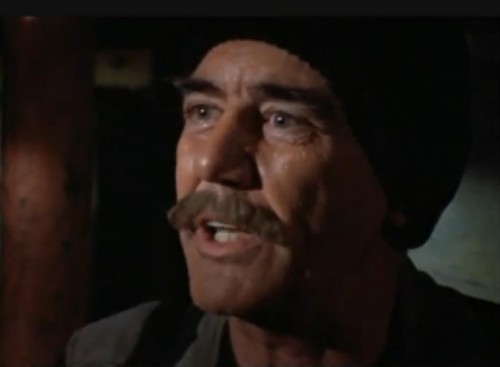
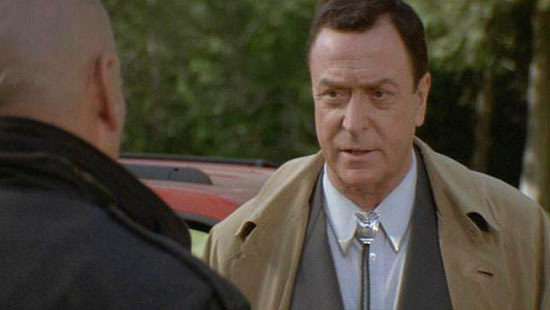
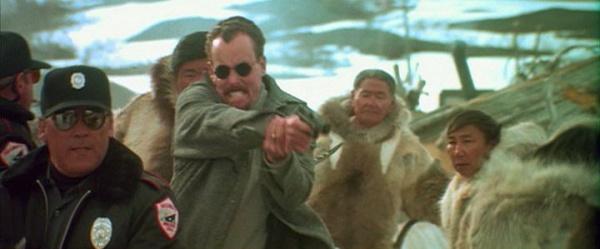
“On Deadly Ground” has an excellent cast of villains, including R. Lee Ermey’s moustasche……Michael Caine……and John C. McGinley of “Car 54, Where Are You?”
If you have heard anything about “On Deadly Ground”, you have heard about its heavy-handed environmental message and plot. The plot centers around Michael Caine’s character, an oil baron, and his plan to deny land right to a native tribe through the construction of a massive oil refinery-thing. Steven Seagal, whose character is a member of a local tribe, is introduced to the audience as a high-level employee in Caine’s company, who specializes in resolving oil disasters and other such shenanigans. Seagal turns on Caine and ultimately destroys the refinery for the good of the local peoples, but not before murdering and exploding a significant number of people. In most movies, the credits start rolling after the resolution of the plot. In “On Deadly Ground”, however, the movie doesn’t end until after a significant, rambling lecture on environmentalism delivered by Steven Seagal over a montage of stock footage. It isn’t an epilogue so much as it is a debriefing of the film’s message: just in case you didn’t get that oil companies are bad from Michael Caine’s cartoonishly evil performance. This message isn’t heavy-handed: it is lead-fisted.
For all of the issues with “On Deadly Ground”, it almost classifies as a good-bad movie for me. There are some ridiculously over-the-top deaths, an extensive sequence where Seagal booby-traps a forest for no reason, and all of the villains are just astoundingly silly. Seagal also take a significant vision quest where he fights a bear. All of that aside though, this is a boring and poorly-paced movie, so it is certainly not ideal for a bad movie night. I would recommend looking up a couple of clips from the movie, though. In particular, there is a brilliant game of slaps that features some of the worst, most unexpected dialogue in movie history. I mean, just check this out:
Also, there is a brilliant environmental commercial in the movie, featuring what is sure to be Michael Caine’s career low-point. Fun fact: there is a cameo in there from famed director Irvin Kershner. That has to be one of the least fun ‘fun facts’ in history.
There you go! That’s pretty much all you need to see from “On Deadly Ground”. Don’t forget to recycle.
It is astounding that the movie “Foodfight!” was ever completed. An entire decade went by between the start of the project and the much delayed release, which is unfathomable for a movie with such low quality. Apparently, hard drives that contained the lion’s share of the film were stolen during the initial development, forcing the project back to square one. Understandably, that would cause an exceptional delay for a CG animated movie, if not the outright cancellation of the project. In any case, that setback should not have pushed the movie back an entire decade. That is just ludicrous.
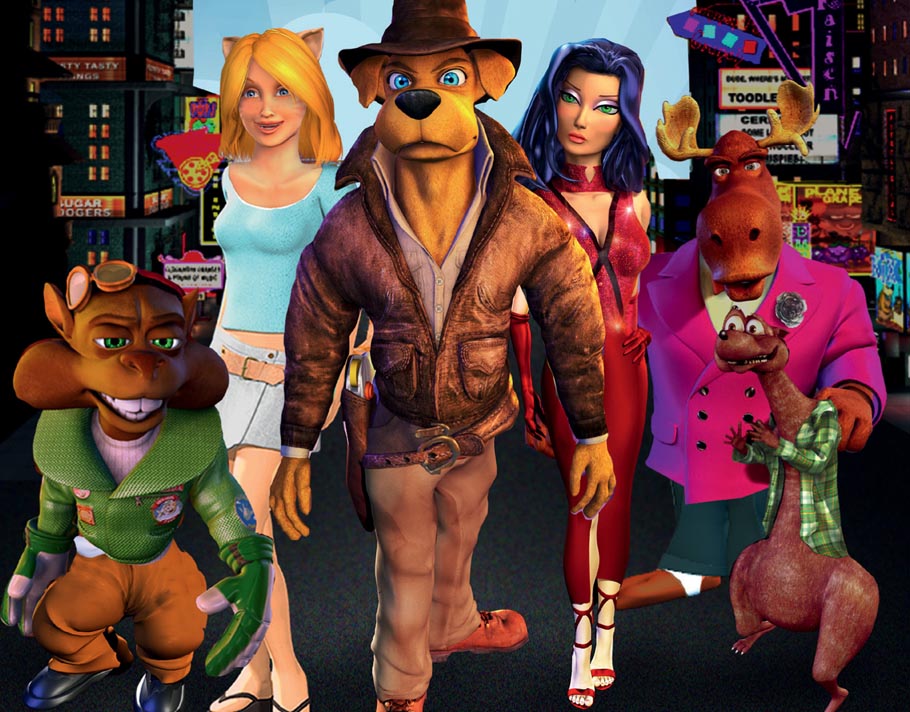
Despite the ample time given to production, the final product that is “Foodfight!” is an abysmal sight. The animation is amateurish at best, and nightmare-inducingly horrific at worst. I have heard that the budget ultimately exceeded 45 million dollars, which is a dumbfounding number for what looks like a community college commercial. Then again, I have to assume that a lot of that money went towards work time: 10 years is a lot of hours, no matter how you cut it. It is anyone’s guess how much was spent on the initial stolen animation as well. Regardless, the movie is a multi-million dollar visual train-wreck, and that is only the beginning of the issues with this film.
Doing the already poor-quality animation no favors, there is a clear attempt to imitate the frenetic style of Tex Avery cartoons in this movie. Not unlike in “Son of the Mask”, mixing poor imitations of Tex-style cartoonishness with computer-generation is nothing but horrifying. Just take a look at a couple of .gifs from the movie:
“nightmare-inducingly horrific”
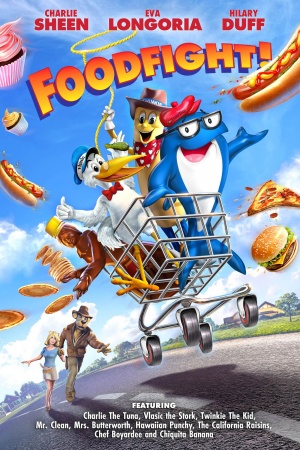
To say that product placement features prominently in “Foodfight!” would be a dramatic understatement. The entire premise of the movie centers around the idea of brand recognition and competition between brand-name and generic products. Even the poster for the movie emphasizes the background real-world brand mascots over the actual stars of the movie.
stars of the movie are in the bottom-left corner
Blatant product placement on top of some of the worst CG work in decades? Surely this movie couldn’t get any worse, right? I wish that were true, I really do. But, I can’t avoid addressing all of the other evident issues with this movie. Let’s start with the innappropriate sexiness for a children’s film:
Yeah, there’s a lot of this. The two central women in the story, voiced by Eva Longoria and Hillary Duff, are constantly depicted as sexually as the filmmakers felt that they could get away with. Why is Eva Longoria’s character in a schoolgirl outfit in the picture above? No reason. Why are the two characters dancing like that? In fact, why are they dancing at all? There is no reason for them to be dancing, they literally start dancing out of the blue in private, without any music playing. It is absolutely unprecedented in the movie. Hillary Duff’s character isn’t as blatantly sexual as Longoria’s, but there are a lot of almost-upskirt shots that tread a very fine line of inappropriateness, and the movie doesn’t deserve the benefit of the doubt in my opinion.
Last but not least, the writing and performances in this movie are about as bad as any I have come across. The plot is primarily pulled out of other movies, most notably (and baffling) from “Casablanca”. There is an argument that it is just an homage, but I think it goes more than a few steps beyond a mere send-up: it treads the line pretty close to being a full-blown re-imagining of the story. The dialogue is both lazily recorded and poorly written: you are given a mix of lack-luster, dull performances (Charlie Sheen), excessively over-the-top deliveries (Christopher Lloyd, Wayne Brady), and nearly inaudible ramblings (Chris Kattan). It all ultimately blurs together into the twisted mess that is this movie, however.
It is hard to separate this film out into its individual, abysmal parts: it all synthesizes together into a maelstrom of incompetence, that has contributed to this film becoming a cult favorite of bad movie enthusiasts since its 2012 release. I can personally recommend watching this movie at least once: not because there is much humor to be had, but because it is a spectacle and experience that must be seen. There is nothing quite like “Foodfight!” out there, and who knows if we will ever see something like this again.
Here are a couple of popular reviews of “Foodfight!” worth checking out:
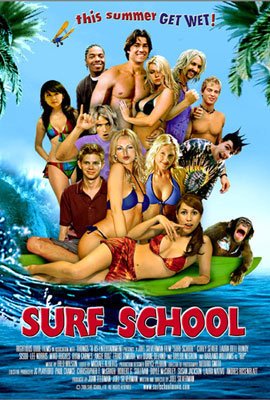
“Surf School” is a bad movie with no redeeming value that should never be watched by anyone. It is a comedy without any sense of timing, or, for that matter, humor. However, if you think the idea of having sex with a monkey is absolutely hilarious, then maybe this is for you.
“Surf School” is like a massive lamprey that gorges on broad stereotypes, and then excretes lazy attempts at humor. It doesn’t release itself until the stereotypes are dry, withered, bloodless corpses, at which time it waits for the next virile stereotype to stumble along. It is a thoroughly nauseating thing to watch, and the concept that it was designed with entertainment in mind is truly repulsive.
This is a lamprey. Lampreys are way more interesting than this movie. Here is the wikipedia article on this particular species of lamprey: http://en.wikipedia.org/wiki/Silver_lamprey
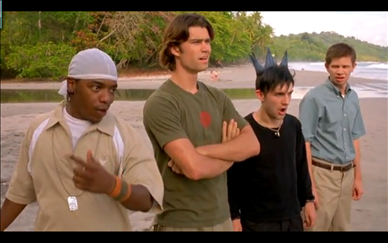
“Surf School” follows the journey of a group of outcast high school kids who seek revenge and glory against their bullies through the world of competitive team surfing. The leader of the rag-tag group is a handsome, athletic transfer student who is apparently a near-professional lacrosse player. That, however, apparently means that he isn’t cool by California standards. The rest of the squad includes a fundamentalist Christian who is constantly tormented for being a virgin, a “goth” girl who refuses to communicate for most of the movie outside of glares, a sex-obsessed punk character, and a couple of token minorities that are somehow less developed than the aforementioned characters. If making fun of all of the above-listed stereotypes isn’t your cup of tea, then you are SOL on this movie.
In order to compete in a surf competition against their rivals, the group goes to Costa Rica (I think?) for a week to learn how to surf. That’s right: none of them know how to surf. Their rivals, however, are already competitive surfers. I still don’t understand why this is what they decide to do, but that is the premise for the movie.
The eponymous “Surf School” is taught by a washed-up former pro surfer, who is one of the least funny characters in the history of movies. He primarily exists for gross-out humor, and to pronounce things in a peculiar way. This is a very deep film, folks.
I wonder when he will say “mahi mahi” in a weird way next.
While in Costa Rica, the students stay with two more unfunny characters, who are revealed to be terrorist expat former hippies. They also only exist for gross-out humor, and to occasionally say things with accents. Also staying in the complex are three Swedish students, who are treated like cardboard cutouts and given as little dialogue as possible. This is a pattern for the majority of women in the movie: they get almost no dialogue, and are awkwardly showcased for the camera like models on a runway. Not only is this incredibly lazy pandering, but it also throws off what is already anemic pacing in the film. Even the “goth” girl takes a 180-degree turn in the last act, and becomes a blond, bubbly cheerleader for the surfing team.
I don’t remember if they even had names. I wouldn’t be shocked if they didn’t.
This is a boring, predictable, unfunny movie that doesn’t have a firm grasp on what humor is, or how to synthesize it. It clearly attempts to sell itself on sex appeal, but it is all done uncomfortably and strangely: almost like an alien is inhabiting the movie, trying to do what it thinks humans find attractive and funny. The movie draws so heavily on stereotypes that many characters have no traits outside of those associated with their race/sex/sexual orientation/clique. It is incredibly boring to sit through due to the poor writing and pacing, and the failed humor makes the entire experience of the film exponentially worse.
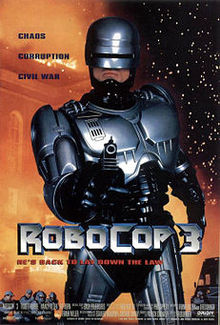
“Robocop 3” should have been scrapped (or at least delayed) before a single frame was shot. Despite some really good cast additions and the long awaited on-screen implementation of OCP’s Delta City, there were too many floundering elements behind the scenes that doomed “Robocop 3” for failure.
First off, Peter Weller had a schedule conflict that did not allow him to reprise his role as Robocop. While it can be argued that since his face does not feature prominently, Weller was an easier lead to recast than most. Still, the fans of the franchise certainly noticed the difference, and that kind of change starts a sequel out on the wrong foot with the primary audience. Robert Burke, who filled in the role of Robocop, also wasn’t able to quite nail down Weller’s voice, which, if you ask me, was a key aspect of Robocop. To add to the nerd rage element, Nancy Allen only agreed to appear as Officer Lewis, Robocop’s partner, if her character was killed off in the movie. While I don’t necessarily have an issue with key characters dying at the end of a trilogy, the execution of her demise is really lackluster, which I am sure further miffed the fan base.
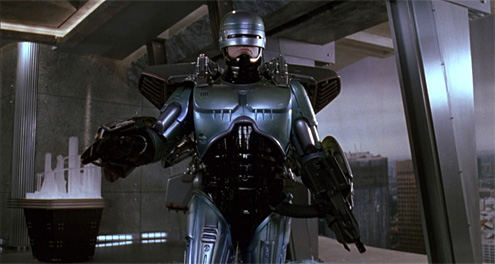
Apart from those key casting issues putting the film on the wrong side of the fan base, the unfortunate decision was made to keep “Robocop 3” at a PG-13 rating, meaning that the signature gore effects and violence of the first two films had to be passed on. I imagine this was misguidedly done in the hopes of bringing in more viewers from the teenage demographic, and thus raking in more money for the floundering Orion studio. Unfortunately, this decision made the film feel even more out of place in the franchise, and didn’t bring in the quantity of money the studio had hoped for either. There was an attempt to pull a “Star Wars” and make profits off of toy tie-ins to the movie, but that also backfired: it turns out that Robocop’s jet pack just looked ridiculous on screen, particularly when in use.
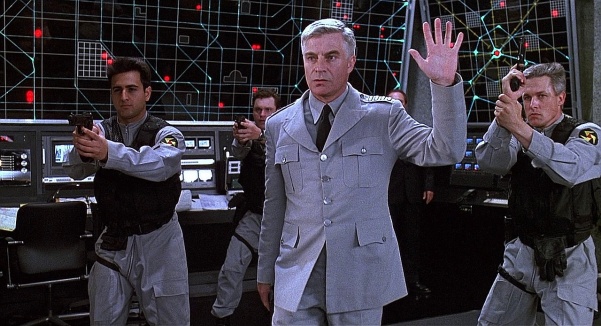
I mentioned earlier that there were actually a couple of good casting additions to Robocop 3: particularly, Bradley Whitford and Rip Torn make spectacular additions to the sinister bureaucracy of OCP. Unfortunately, I don’t feel like either actor got enough screen time to do much to help the film: Bradley Whitford’s character even kills himself off-screen only a fraction of the way through the film. A lot more time is granted to the less enthralling, nazi-esque John Castle, who does ham things up a bit. Still, his character feels really forced to me, and lacked any of the subtlety or satiric elements like the typical OCP brass villains, which is part of what I have always liked about the Robocop antagonists.
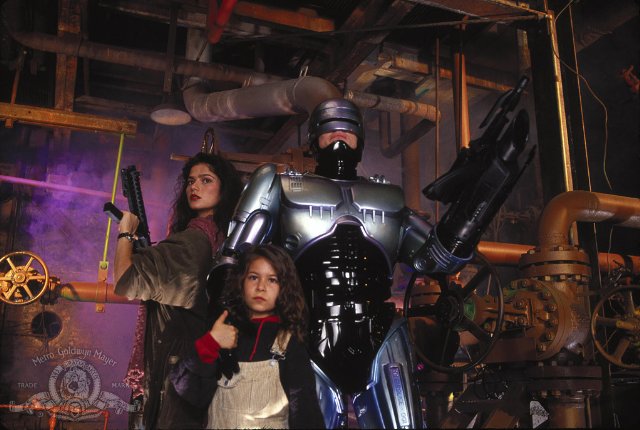
Worse yet, one of the biggest problems from “Robocop 2” is repeated in this movie: a major role is placed on a child actor. In this case, I would go so far as to say that the child is the lead of “Robocop 3”, and her acting is just atrocious. For reasons that are quite unclear, she is an expert hacker, and manipulates an ED-209 and japanese ninja robots with little to no effort at various points in the film. Other than that, she is just a precocious, unnecessary child character. At least the child drug lord in “Robocop 2” had some point to the character: it was clearly a statement of some kind about violence, drugs and youth. That just isn’t the case in “Robocop 3” at all.
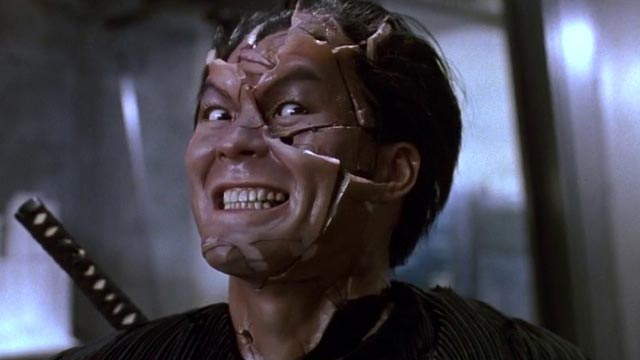
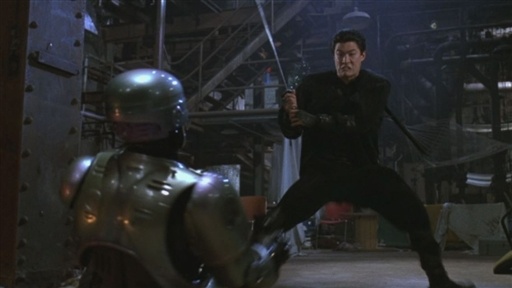
One of the key plot points of this movie is part of a common xenophobic trope from movies of the era: wealthy Japanese are taking over OCP, and have their own superior version of Robocop. Given how closely tied this franchise is to the city of Detroit, this is a barely veiled statement about the rise of Japanese automobiles in the US. It all feels very forced and unnecessary, apart from adding a vague level of urgency to the construction of Delta City to the OCP characters. Also, the Japanese Robocop ninjas are absolutely ridiculous.
Last but not least, “Robocop 3” promises the long-awaited battle between OCP and the people of Detroit over the implementation of Delta City. Unfortunately, the battle is massively anticlimactic, and doesn’t live up to its potential in the slightest. This is when we first see the silly Robocop jetpack in action, and the conflict wraps up quickly afterwards. It just felt hokie, almost like a scene out of “The Warriors”. Worse yet, the PG-13 rating meant that the battle wasn’t particularly impactful or gorey: not how you want to close out the Robocop epic.
“Robocop 3” is not one of the worst movies of all time. It isn’t good, but it doesn’t compare to most of the other IMDb Bottom 100 entries. I feel like it was rushed, cheap, and poorly devised, but is overall a watchable film. It lacks any of the clever satire of the original movie, but there are a few tiny bright spots to enjoy. It also isn’t so bad as to be good, so unless you want to watch the entire Robocop franchise, there isn’t much reason to sit through “Robocop 3”.
This is not a good movie. I would go so far as to say that “Bratz” is about as detached from reality as any movie I have ever seen. The version of the world portrayed in “Bratz” is almost like a magical realist setting as written by an 11 year old: it is roughly as vapid as it is bizarre and surreal. For a movie written and directed for tweens, somehow it manages to be unintentionally entertaining.
Somewhere between the over-the-top characters and plots, the abysmal writing, and the horrible acting, there is a weird charm buried in the failure of this movie. Director Sean McNamara, who was responsible for “3 Ninjas: High Noon at Mega Mountain”, has managed to fine-tune the art of making shitty children’s movies throughout his career. I have seen a handful of his other features, however, and none of them have the odd, intangible quality of “Bratz”.
One of the few recognizable faces in “Bratz” is Jon Voight, who is certainly capable of saving bad movies with a grand, eccentric performance. However, he gets very little screentime as the principal of the school, and very few lines. I was really hoping for some “Anaconda”-style Voight in this flick, but that regrettably never happened. The rest of the cast is made up of at-best television actors, and unsurprisingly, none of them delivered great performances in this doll-inspired movie.
So, if not the acting or directing, what did save this movie? Did it have clever writing? The short answer to that question is ‘no’. The pacing of the story is really bizarre, with a number of what felt like false endings late in the movie. There is also a really strange time skip about 20 minutes in, that moves the story forward 3 years with no clear changes in the characters at all.
However, I don’t think anything measures up to how bad the dialogue and character writing is in this film. During a fight within the central Bratz gang, one of the girl’s accuses another of buying her friends with her dad’s bank account. The retort: “well, you don’t have a dad or a bank account”. If you ask me, that is an excessively cold burn for a kid’s movie, and sloppily delivered to boot. One of the leads attacks another character for having an absentee (dead?) parent, and for being poor. The whole exchange is brushed off pretty quickly, and the whole gang is together again and as close as ever before too long. That, to me, is beyond unrealistic: you don’t just forget that kind of thing. The characters are without any kind of depth or genuine tension between them, which makes the resolution to the “no dad/no bank account” scene just feel bizarre.
Also bizarre? These clown costumes. Seriously.
Bad writing, bad acting, and bad directing. Yet, again, I found “Bratz” to be a mildly entertaining bad movie. Honestly, I can’t quite explain why. Somehow, in the mixing together of the independently shitty elements of this movie, a small amount of charm is produced as a byproduct. I do, however, know that I am not alone in this opinion. The good folks at “The Flop House Podcast” unanimously recommended “Bratz”, despite how bad the movie is mechanically. I found that at least mildly reassuring, in the sense that I apparently haven’t totally lost my ability to discern between good and bad movies.
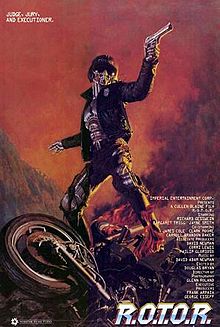
You should probably just stop reading this review and start watching “R.O.T.O.R.”
This is a very recent addition to the IMDb Bottom 100, and I have to claim some small bit of credit for that. When I started the IMDb Bottom 100 challenge back in January, I went through to see how close a bunch of movies were to qualifying for the list. “R.O.T.O.R.”, at the time, was just 50 votes shy of meeting the 1500 vote quota needed to qualify for the list, and movie’s score was (justifiably) more than low enough to crack into the ranking. So, of course, I did my best to rally people to give “R.O.T.O.R.” the votes it needed to get to 1500. I only pulled in a fraction of those last 50 votes, but it feels great to have helped raise this movie’s profile. Because, readers, “R.O.T.O.R.” is a horrible movie in the best possible way. “R.O.T.O.R.” is what you hope to find when you pick up a collection of 50 sci-fi movies for less than $10. “R.O.T.O.R.” is a beacon in the darkness that can remind you why you watch so many incredibly shitty movies. “R.O.T.O.R.” is magic.
I have watched a ton of incompetently crafted, drool-summoning, dull-as-a-paddle movies over the course of this IMDb Bottom 100 challenge: “The Maize: The Movie”, “Die Hard Dracula”, and “Disaster Movie” to name a few. They have certainly outnumbered the fun bad movies on the IMDb Bottom 100 by a significant order of magnitude. However, “R.O.T.O.R.” is one of those few treasured films that manages to produce entertainment out of honest incompetence. When that happens, it is just fantastic.
It is hard to know where to start with “R.O.T.O.R.”, so I am going to begin by talking about good ol’ ‘R.O.T.O.R.’ himself. ROTOR is a super-robot designed by the Dallas police department to deal with the crime-ridden streets of the future. In one line of dialogue, it is implied that ROTOR won’t be operational for 20 years. Despite that, a series of bureaucratic and zany shenanigans accidentally sets off the machine far ahead of that schedule, and releases him into the present. Oddly, the robot functions near-perfectly, with the exception of being vulnerable to loud noises and treating all legal violations with the penalty of death.
When the audience first sees ROTOR, he is just a metal frame that moves around in jerky stop motion. For unclear reasons, the robot has a human appearance by the time he manages to break free, which seems like a strange thing to do with a robot still 20-odd years from completion. In any case, ROTOR spends most of the movie trying to kill people who break minor traffic laws, and proving himself to be essentially invulnerable.
Most would assume at first glance that ROTOR’s costume design is ripped from the T-1000 in “Terminator 2”, but that isn’t actually the case: “R.O.T.O.R” predates “T-2” by a good four years. The movie certainly takes elements from “Terminator”, but it feels more like a direct knockoff of “Robocop” to me. A more interesting question that is often asked: did ROTOR influence the design of the T-100? It seems plenty plausible to me.
The acting in “R.O.T.O.R.”, to put it mildly, is all over the damn place. The lead actor I think does a half decent job delivering some really silly lines, but the skill goes downhill at a dramatic gradient as you move down the cast list. One of my favorite scenes in the film is a phone conversation between the protagonist (Agent Coldyrn) and his boss, which really showcases both the horrible acting performances in this film, and the hilariously incompetent script. I would have assumed that the scene was just really bad improvisation if all of the lines didn’t sound like they were being read off the page, but I still can’t honestly say either way which is happening. The amount of repetition in this scene is baffling, and the point of the sequence (ROTOR program is being cut if results don’t happen in a week) seems to just evaporate into the confused fog of dialogue eventually. Seriously, check this out:
Also, watch through this brief encounter between ROTOR and a cop at the police station. You can feel in your bones how poorly acted this scene is, as the cop character continues to stiltedly ramble about being pushed aside long past the point that the audience could possibly care.
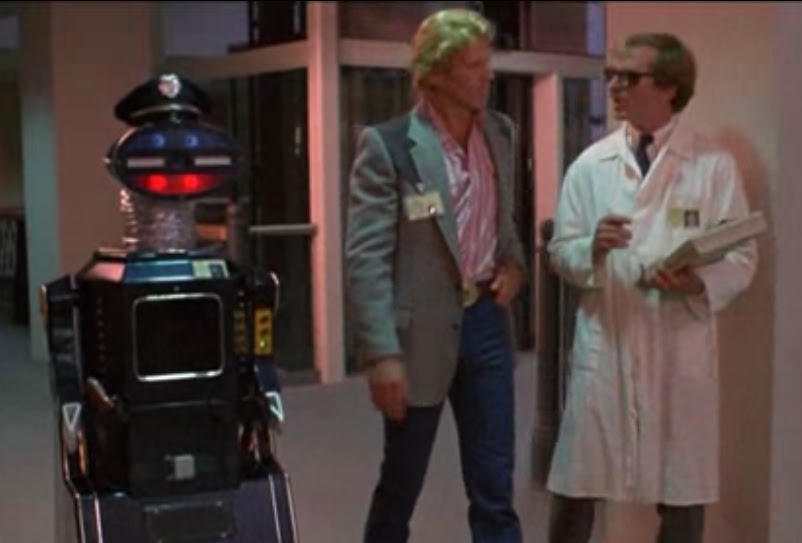
While all of the acting is pretty horrible, there are a handful of characters who do manage to stand out. In particular, there is a sassy police robot who is never fully explained, and resigns over the phone about halfway through the movie, never to return. There is also an out-of-the-blue bad-ass woman scientist thrown into the plot halfway through the film, who manages to go toe to toe with ROTOR in combat. Despite her never being mentioned previously, she was apparently heavily involved in designing ROTOR in some way. She is hilariously teased as a major player in a potential sequel as the movie closes (no, there wasn’t a sequel).
The cinematography of this movie truly needs to be experienced to be believed. The dramatic final fight scene takes place partially in the background of lingering unimportant shots of non-action in the foreground, and all of the action scenes leading up to it aren’t much better. Most of the action scenes are just shot with a single camera on a tripod, in such a way that you can see as little detail of what is happening as possible. Watching this film is a genuinely perplexing experience, and you will constantly speculate about what the director was thinking during many of the shots.
Do I recommend “R.O.T.O.R.”? Yes. Yes I do. If you enjoy bad movies, go watch it immediately. The whole thing is on YouTube. Additionally, if you have ever wanted to see a robot drawn and quartered, this is a movie for you.
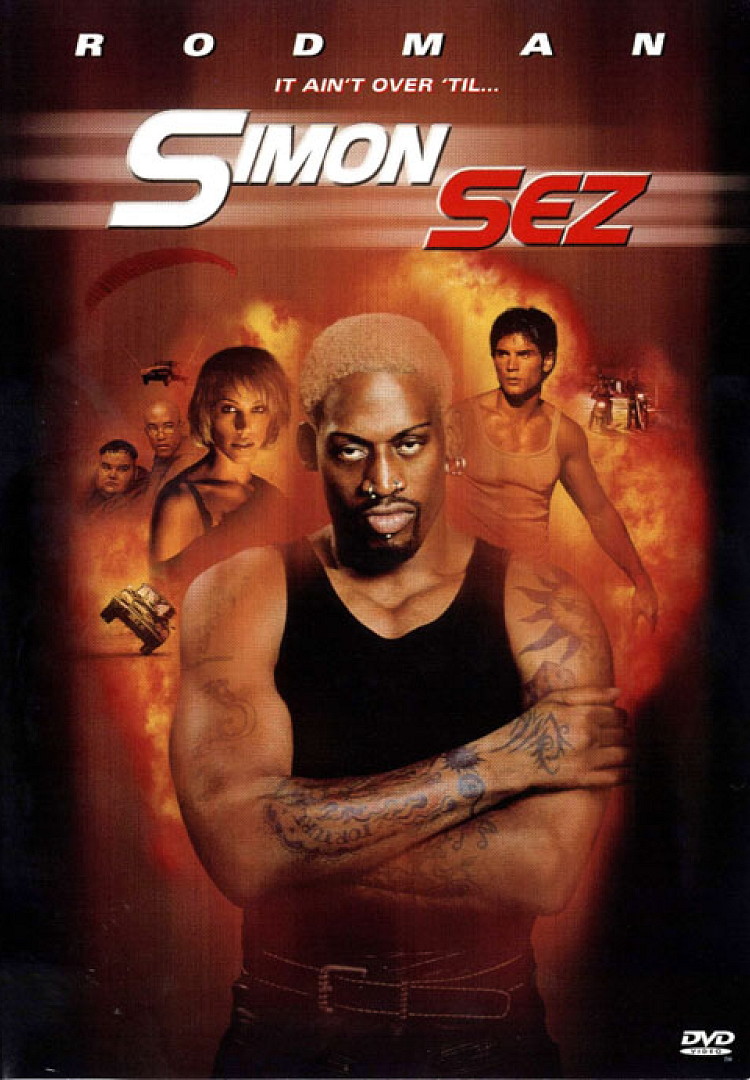
The world would be a much finer place if Dane Cook had never gotten an acting job. “Simon Sez” features one of his earliest and largest movie roles. In it, Cook is one half of one of the most regrettable buddy cop style duos of all time, alongside former NBA star Dennis Rodman. To Rodman’s credit, he holds up his end moderately well in the film. Cook, on the other hand, does not. It is one of the most unintentionally uncomfortable performances ever put on film. Nothing Cook says is funny, and he is putting every ounce of his effort into the lines, which ultimately just enhances how horribly written everything is (because the guy really can’t act).
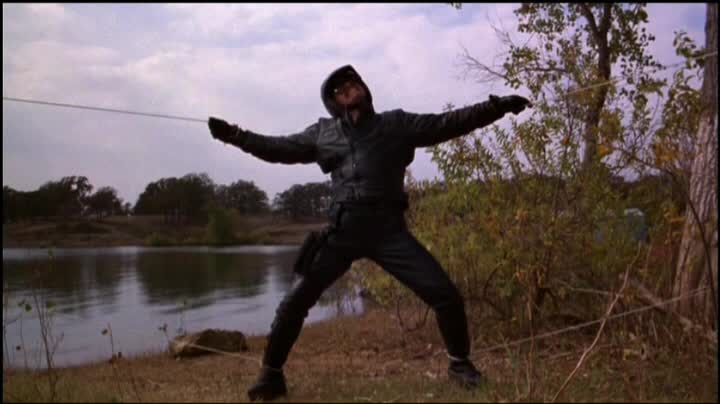
Outside of the central players, the rest of the cast doesn’t exactly pick up the slack. Theoretic “comic relief” is provided by a pair of monks who work behind the scenes with Dennis Rodman’s super-spy character. We are also treated with a love interest for Rodman who spends most of her time doing astoundingly poor wire-work stunts, and a villain who enjoys cheesily chewing scenery throughout the run time.
One of the biggest issues with this movie (outside of the cast) is general inexperience behind the camera. This was director Kevin Elders’s first and only theatrical directorial feature, which I think explains a lot of the poor fight cinematography and the generally mediocre shots. To his credit, this is far from the worst shot movie I have seen, but it is still a good deal away from good.
Surprisingly, despite the many flaws, this movie is pretty watchable (whenever Cook isn’t on screen). It is still not good by any means, but it is possible to sit through as a mediocre action movie. The wire-work is bad enough to be funny, and there are a couple of genuinely dumbfounding moments that are enjoyable in an odd way (surprise bedroom strobe-lights during a sex scene). It isn’t quite enjoyable enough to recommend, but it isn’t necessarily a painful experience (save for, again, whenever Dane Cook is on screen).
Not unlike “Mitchell”, I think there might be a half-decent movie hiding in “Simon Sez” somewhere. Maybe with a different cast and a more experienced director, this could have been an ok action-comedy flick. Unfortunately, Dane Cook just isn’t capable of holding up the comedy half of an action-comedy duo, and Dennis Rodman is only just barely passable on the action end. “Simon Sez” just doesn’t reach it’s potential at all. From the foundation to the spire, this is an under-performer that doesn’t quite match the grandiose blueprints.
Over the years, I had somehow forgotten how bad “Jaws 3-D” is. It isn’t just a mediocre sequel to a treasured movie that doesn’t live up to its potential (I’ll get to “Robocop 3” soon), it is an abysmal, lazy, and gimmicky film. It may not be on a “Birdemic” level of incompetence, but this movie is bad.
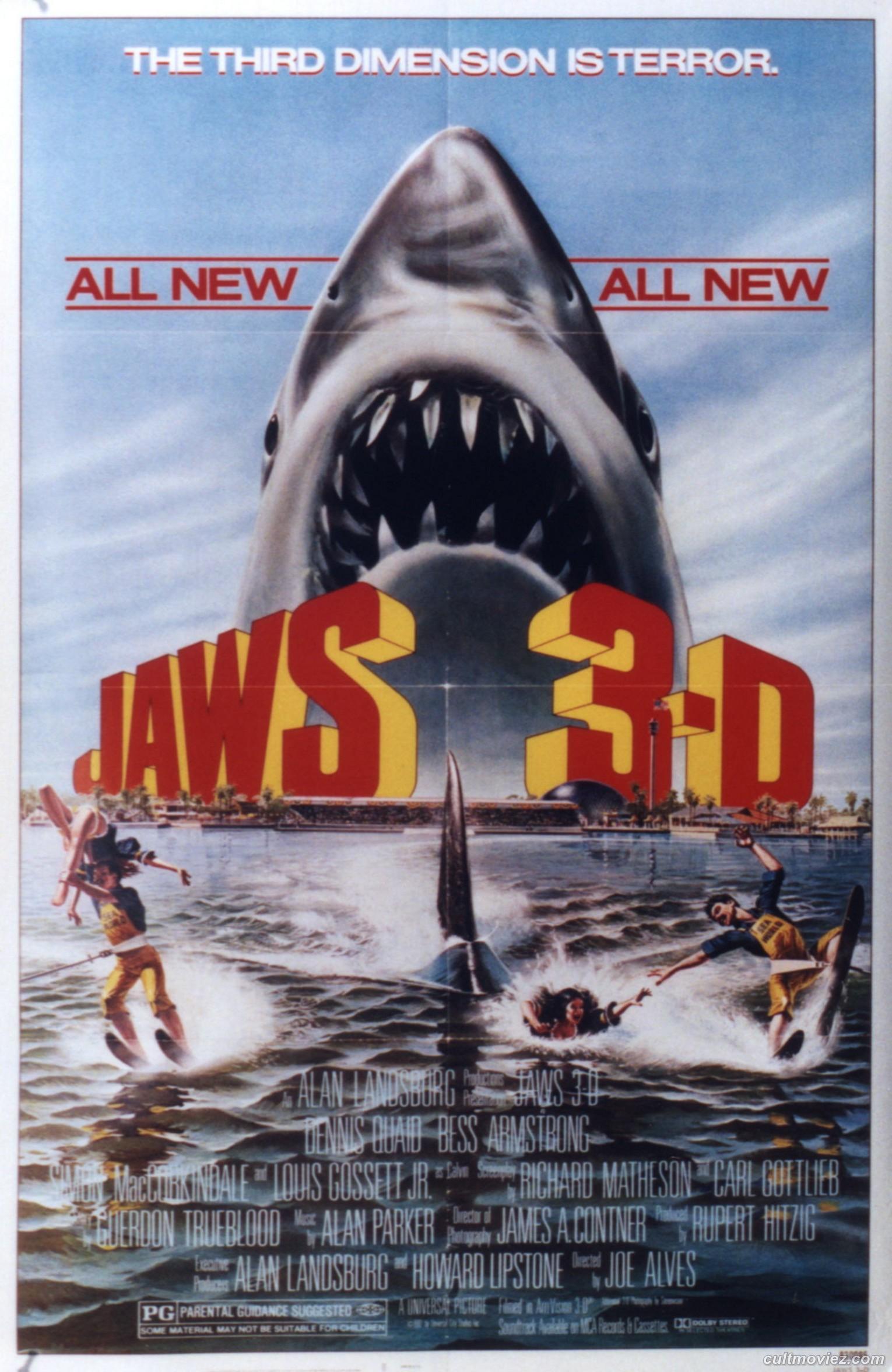
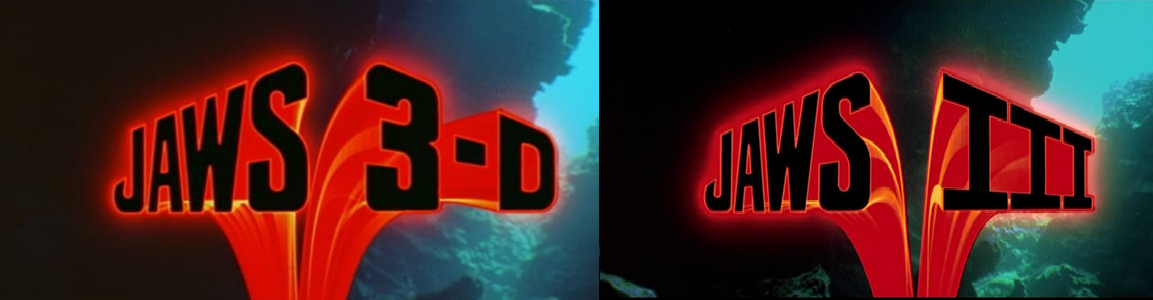
Let’s start with the title. In the years since the theater run for this movie, everything possible has been done to officially change this movie’s name to “Jaws 3”. Unfortunately, that doesn’t do anything to mitigate the numerous bad 3-D shots, nor the fact that the entire marketing campaign was centered around the 3-D gimmick. Check out the initial teaser for the film:
Yikes, that is pretty blatant. Now, check out the attempt to retroactively re-title this flick in the opening title card:
Honest effort, folks. Anyway, there are far more issues with this movie than just the 3-D effects and dated marketing campaign. For instance, this movie has one of the most perplexing product placements possible for a film about a killer shark: Sea World is absolutely everywhere in this flick.
For the life of me, I don’t understand the logic of Sea World agreeing to have the movie set at a parks with their brand everywhere. Not only is there a shark that endangers guests in the park, but the park itself is wrecked by the rampaging animal over the course of the movie. Shouldn’t you, a major entertainment park, want people to feel confident in your security and their safety on your grounds? Putting your name all over a “Jaws” movie isn’t exactly the best way to do that.
On to some mechanical issues: one of the strengths of the original “Jaws” movie was the creative scarcity of the monster. It helped build the tension and a mystique around the shark: a convention still used in many monster movies today. The sequels to “Jaws”, however, fail to follow this principle. “Jaws 2” uses a fair amount of shark stock footage, but that doesn’t compare to how poorly “Jaws 3-D” fails in this department: not only do you see the shark way too much, but there is even a baby shark that is captured early in the movie. At that point, there isn’t any great dramatic reveal when the big shark shows up. Without that tension, there is nothing to make the movie compelling or…well…interesting.
The acting is pretty mediocre all around, so it basically blends into the background. I think this is mostly a problem with the writing as opposed to the cast, because there are some half-talented people in there that may have pulled something off with a stronger script. Dennis Quaid and Lea Thompson both have some capabilities, even though this was early in their careers. Then again, it is pretty hard to act in a scene like this:
Unless you are planning to marathon the entire “Jaws” series, there isn’t any reason to specifically watch “Jaws 3-D”. Surprisingly, this isn’t even the worst of the franchise: “Jaws: The Revenge” consistently gets that honor (stay tuned). Still, the really bad effects, poor writing, and mediocre direction make this quite a chore to wade through. Outside of the unintentional humor of the 3-D shots and the surreal Sea World advertisements, there just isn’t anything to enjoy here.
The good folks at We Hate Movies podcast have a pretty good episode on “Jaws 3-D”, and it touches on some of the behind-the-scenes shenanigans that led to the creation of this movie. Apparently, the movie was initially envisioned as a spoof film, and Spielberg threatened to walk out on Universal if they went through with it. It is a shame they didn’t just ditch the idea altogether.
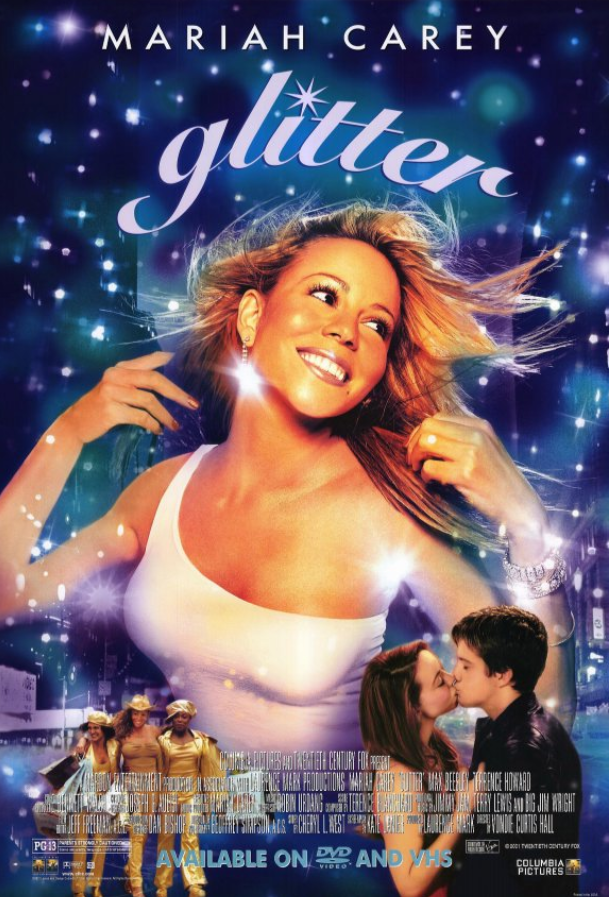
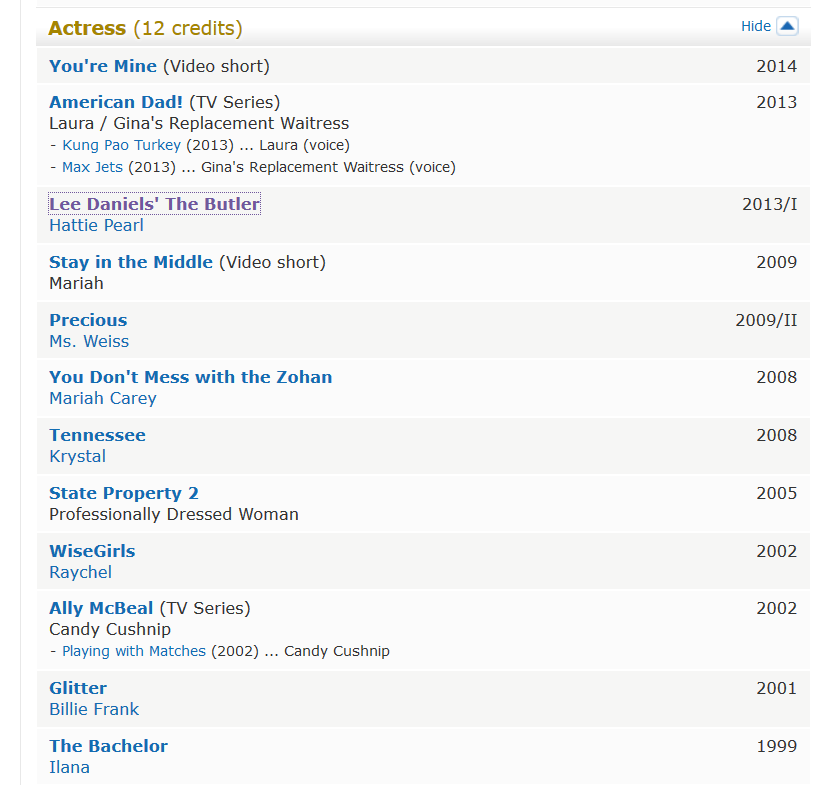
Let’s start this review off a bit differently. Join me, if you will, by taking a look at “Glitter” star Mariah Carey’s IMDb listing as an actress:
A screenshot of the moment I said “She was in ‘The Butler’? Why?”
You should notice pretty quickly that Mariah doesn’t have an extensive amount of experience in front of the camera. Specifically, check out where “Glitter” is on that list: it was her second-ever acting credit.
Yikes. Well, I think I’ve found your problem, “Glitter”.
Not only does Mariah Carey’s acting inexperience hurt the film on screen, but the semi-biographical nature of the flick means that she is essentially playing herself. That really messes with the film’s tone if you ask me: participating in a movie about yourself is already pretty self-indulgent, but starring as yourself in a biopic? Wow. It also doesn’t help that Mariah’s stand-in character, Billy Frank, has absolutely no flaws. Bad things happen to her, but she has no depth as a character. That, combined with the constant compliments and fawning over Frank by all characters in the film, turns the self-indulgent tone up to 11 and beyond.
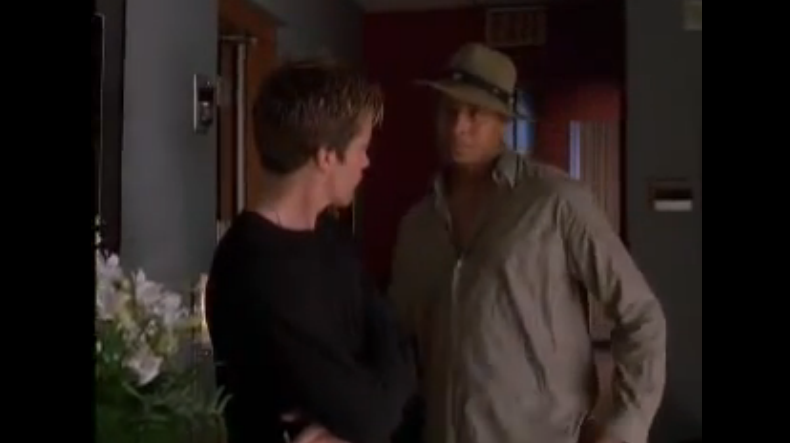
The issues with this movie don’t stop at the tone issues and Mariah’s acting: most of the cast seems to be phoning it in, which is more than understandable given the scripts they were working with. Dice, the love interest in the film, is one of the most inconsistently written characters I’ve seen on screen in a good while. He flips from being shown as an openly insulting dick to being portrayed as the perfect heartthrob from scene to scene. After he is killed (spoilers), all of the dick moments and glossed over and forgotten forever. Speaking of his murder, Terrence Howard is the only watchable performer in this movie: he barely gets any screen time, but he totally sells his dingy record producer character. Usually, that means that he stalks around in the background, issuing vague threats while wearing a hat. For this movie, that is A+ work.
For the life of me, I do not understand how this movie wasn’t just made for TV. I’m guessing the budget necessities prevented that from being a possibility, but this movie honestly belongs on VH1. The quality of the writing and acting is barely passable for TV grade, and it would have been a thoroughly mediocre movie to put on between reality shows and occasional music videos.
“Glitter” is nowhere near as bad as most films on the IMDb Bottom 100, but that certainly doesn’t mean I am going to recommend it. There isn’t much entertainment value here if you ask me, which makes it just a waste of time. However, there is a Rifftrax of the movie out there that is apparently pretty popular. For those unaware, Rifftrax is essentially the heir to MST3k: it is run by the final lineup of the show, and they do independent commentary tracks for movies in the same style that MST3K worked, just without the robot silhouettes. I haven’t seen the whole riff, but the clips I have caught are pretty good. I would give the movie a light recommend with the Rifftrax.
Reviews/Trivia of B-Movies, Bad Movies, and Cult Movies.
![Misan[trope]y](https://misantropey.com/wp-content/uploads/2014/10/misantropeyhead1.png)


















 Misan[trope]y