Tag Archives: worst movies

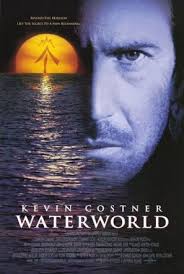
Waterworld

Waterworld

waterworld1

Today, I’m going to take a look at one of the most notoriously expensive films of all time: 1995’s Waterworld.

The plot of Waterworld is summarized on IMDb as follows:

In a future where the polar ice-caps have melted and Earth is almost entirely submerged, a mutated mariner fights starvation and outlaw “smokers,” and reluctantly helps a woman and a young girl try to find dry land.

Waterworld was directed by Kevin Reynolds, who also helmed Robin Hood: Prince of Thieves, Tristan + Isolde, and 2002’s incarnation of The Count of Monte Cristo.

The film’s screenplay was ultimately credited to two individuals: David Twohy, who provided screenplays for Critters 2, Pitch Black, and Riddick, and Peter Rader, who went on to direct a handful of episodes of Dog Whisperer With Cesar Millan. However, apparently, the screenplay for Waterworld went through 36 different drafts and 6 different writers, including Joss Whedon, who spent much of the 1990s as a script doctor.

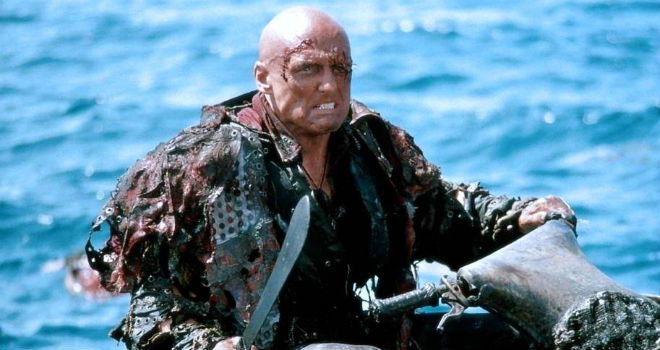
The cast for Waterworld included Kevin Costner (Mr. Brooks, Dances With Wolves), Dennis Hopper (Super Mario Bros, Space Truckers, Speed, True Romance), Jeanne Tripplehorn (Basic Instinct, The Firm), and Sean Whalen (Twister, The People Behind The Stairs).
waterworld3The cinematographer for the film was Dean Semler, who also shot 2012, The Alamo, Stealth, Last Action Hero, Super Mario Bros, The Road Warrior, and Razorback

The credited editor for Waterworld was Peter Boyle, who has shot such movies as 1408, The Hours, The Postman, and the 2011 remake of The Thing.

The music for the film was provided by acclaimed film composer James Newton Howard, whose extensive list of credits includes Green Lantern, Nightcrawler, The Last Airbender, The Happening, The Dark Knight, Michael Clayton, and The Sixth Sense.

Kevin Costner apparently insisted on having Reynolds direct in order to be involved with the production. In contrast, the studio reportedly wanted Robert Zemekis for the director’s chair.

Interestingly, Reynolds ultimately walked off late into the production, specifically due to issues with Costner. He was quoted as saying that:

“Kevin {Costner} should only star in movies he directs. That way he can work with his favorite actor and favorite director.”

At the time of the movie’s filming, Waterworld was the most expensive movie ever produced. Though the record was broken only a few years later by Titanic, the cost of the film created a bit of a media frenzy. The ever-inflating production budget earned the film the nicknames of “Kevin’s Gate” and “Fishtar” by journalists and speculators, references the immense flops Heaven’s Gate and Ishtar.

One of the most costly aspects of the film was its primary set:  a massive floating rig constructed for the shooting in Hawaii, which apparently took up all the available steel on the islands, and then some. Despite its meticulous and expensive design, there were no bathrooms on the massive set, which meant that cast and crew had to be constantly ferried to the mainland.

Prior to Waterworld becoming a massively-budgeted monster of a production, Roger Corman was initially interested in making a low budget version for less than $3 million, which might have been a more natural fit for the material. However, once he heard more about the vision, he correctly predicted that the budget would massively inflate.
waterworld2Ultimately, the production budget for Waterworld landed at $175 million, on which it took in a worldwide lifetime theatrical gross of $264 million, though most of that came in from international markets. Ultimately, it made a profit over time after video sales and rentals clocked in, despite its high budget and less-than-expected revenue.

Waterworld has received mixed-to-negative reviews over the years. It currently holds an IMDb user rating of 6.1/10, along with Rotten Tomatoes scores of 42% from critics and 43% from audiences.

When it comes to Waterworld, I think it has always been a bit hard to look at in an objective vacuum. The mass publicity around its budget and problematic production is impossible to look beyond for many, and it colors almost every aspect of the film. Basically, the well was poisoned by rumors and negative anticipation before the movie was even cut together.

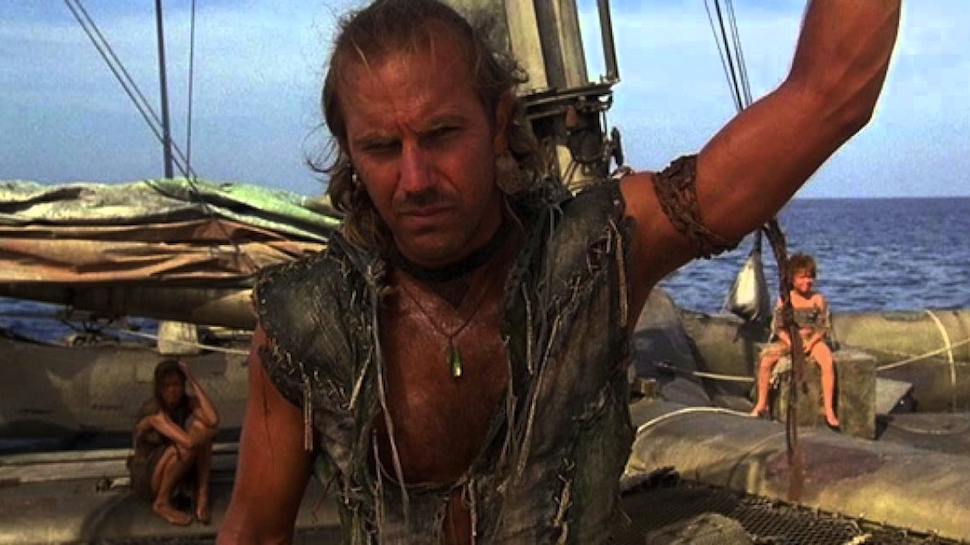
One of the aspects of the movie that got the most flak from tabloids and critics was the elaborate, floating Hawaii set. For what it is worth, I actually think it looks pretty damn cool: despite the high price tag, I think they got what they paid for. Honestly, it is kind of hard to imagine what the movie would have looked like without it. The production probably shouldn’t have gotten the greenlight to start with because of the potential costs, but it is kind of fascinating that this set got built, and the movie got made.

Another thing that is often the butt of jokes about Waterworld is Kevin Costner’s “Mariner” character design: notably, the presence of gills. Personally, I don’t think they look bad, and the concept makes plenty of sense for the setting, so I’ve never understood the issue people take with it. Admittedly, the racial correlations with Costner being shunned by other humans is a bit heavy-handed and unnecessary, but it wasn’t ultimately terribly distracting.

The most infamous sequence of Waterworld is by far the opening, in which Costner is shown going through the process of reclaiming water from his urine. While the sequence is a bit odd, it does establish a few important things that are important later in the movie. First, fresh water is immensely scarce, to the point that urine reclamation is commonplace. Secondly, it establishes that Costner is a bit of an inventive tinkerer: the reclamation unit is clearly hand crafted and cobbled together, and foreshadows some more crucial inventions and innovations that pop up later in the flick. Last but not least, this sequence eases the audience into what “business as usual” looks like in this outlandish setting. Xenophobia and mistrust is high, resources are scare, and boats are sort of personal bubbles, where the minutiae of life still carry on.

Dennis Hopper, as you would expect, is absolutely wonderful as a scenery-chewing villain. This was always one of his more natural strong suits in movies, particularly later in his career, and I feel like it saved more than a few movies with his crazed performances. Costner, on the other hand, is just awful in this movie. He straight-up flubs the deliveries on a number of lines, and just seem off-balance and totally a-charismatic throughout the film. His stoic manner and often dickish behavior to his friends makes it even harder to get behind him as the lead, which is probably more of a writing issue than a performance problem.

Speaking of which, there is some really bad dialogue in Waterworld, and the writing is almost certainly the weakest link in a production with its fair share of weak links. The frequent references to the title of the movie (“Nothing’s free in Waterworld”) stick out like dramatically inflamed thumbs, and a number of the actors seem to struggle with their lines as they are written. For as much time and money went in to the sets, effects, and actors, you would think that the producers would have made damn sure that the screenplay was strong, regardless of how much work it took. My guess is that they eventually suffered from fatigue from the numerous rewrites, and settled for a version of the screenplay that wasn’t quite fit to shoot, and put the pressure on the director to figure things out on set.

Nowadays, I think that people for the most part look back on Waterworld positively, or least not as negatively as it was initially received. Kevin Costner made far worse movies during the 1990s that lack the charming aspects or ambitious vision of Waterworld, but this flick was definitely the big, easy target at the time.

Overall, I think that Waterworld is a real mixed bag of a movie. It is poorly paced, laden with bad dialogue, and has some unnecessary and uneven comic relief sprinkled throughout. However, it also has a cool vision behind it, some fun set piece moments, a delightfully hammy Dennis Hopper, and a nifty post-apocalyptic production design. I’d recommend giving it a shot if you either haven’t seen it, or don’t recall the last time you saw it. It might just be worth your while.
Jupiter Ascending

Jupiter Ascending

jupiter1

Today, I’m going to be delving into one of the strangest products from the Wachowski siblings: 2015’s Jupiter Ascending.

The plot of Jupiter Ascending is summarized on IMDb as follows:

A young woman discovers her destiny as an heiress of intergalactic nobility and must fight to protect the inhabitants of Earth from an ancient and destructive industry.

Jupiter Ascending was directed and written by Lana and Lilly Wachowski, the visionary sibling duo known for movies like The Matrix, Cloud Atlas, and Speed Racer.

The notable cast for the film includes Channing Tatum (Hail Caesar, 21 Jump Street), Mila Kunis (American Psycho 2, Black Swan), Sean Bean (GoldenEye, National Treasure), and Eddie Redmayne (Fantastic Beasts and Where To Find Them, The Theory of Everything).

The cinematographer for Jupiter Ascending was John Toll, who has shot such films as Braveheart, Iron Man 3, Cloud Atlas, Tropic Thunder, The Thin Red Line, Vanilla Sky, Gone Baby Gone, and The Last Samurai,
among others.

The editor for the film was Alexander Berner, whose other credits include 10,000 BC, Cloud Atlas, Resident Evil, Perfume: The Story of A Murderer, and AVP: Alien vs. Predator.

The music for Jupiter Ascending was composed by Michael Giacchino, who has also provided scores for Doctor Strange, Star Trek Beyond, Zootopia, Jurassic World, Up, John Carter, and Sky High.

Initially, Natalie Portman was cast in the lead role of Jupiter Jones, but ultimately pulled out of the project. Reportedly, Rooney Mara was then considered before Mila Kunis was ultimately cast.

jupiter3According to the Wachowskis, the initial draft of the screenplay was 600 pages long, which would have made for an approximately 10 hour film on screen.

Reportedly, filming for the movie was completed in 2013. However, the extensive post production work required for the effects ultimately pushed the release date all the way out into 2015.

During an “Ask Me Anything” session on reddit, Channing Tatum was asked what exactly Jupiter Ascending was about. His response: “Good question. I have the same one myself.”

Jupiter Ascending was made on a production budget of $176 million, on which it grossed $183 million worldwide in its theatrical run. However, when additional costs beyond the production are taken into account, the movie almost certainly lost a significant amount for the studio, though less than most would have expected from its reputation. Interestingly, according to BoxOfficeMojo.com, nearly 75% of the movie’s box office income came from international markets, which is in contrast to the traditional norm.

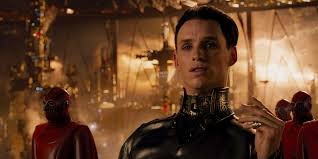
The reception to Jupiter Ascending was generally negative. Currently, it holds an IMDb user rating of 5.4/10, along with Rotten Tomatoes scores of 26% from critics and 38% from audiences. It subsequently wound up with 6 Golden Raspberry Award nominations, which are given to the worst films and performances each year, and Eddie Redmayne took the award for Worst Supporting Actor for his role in the film.

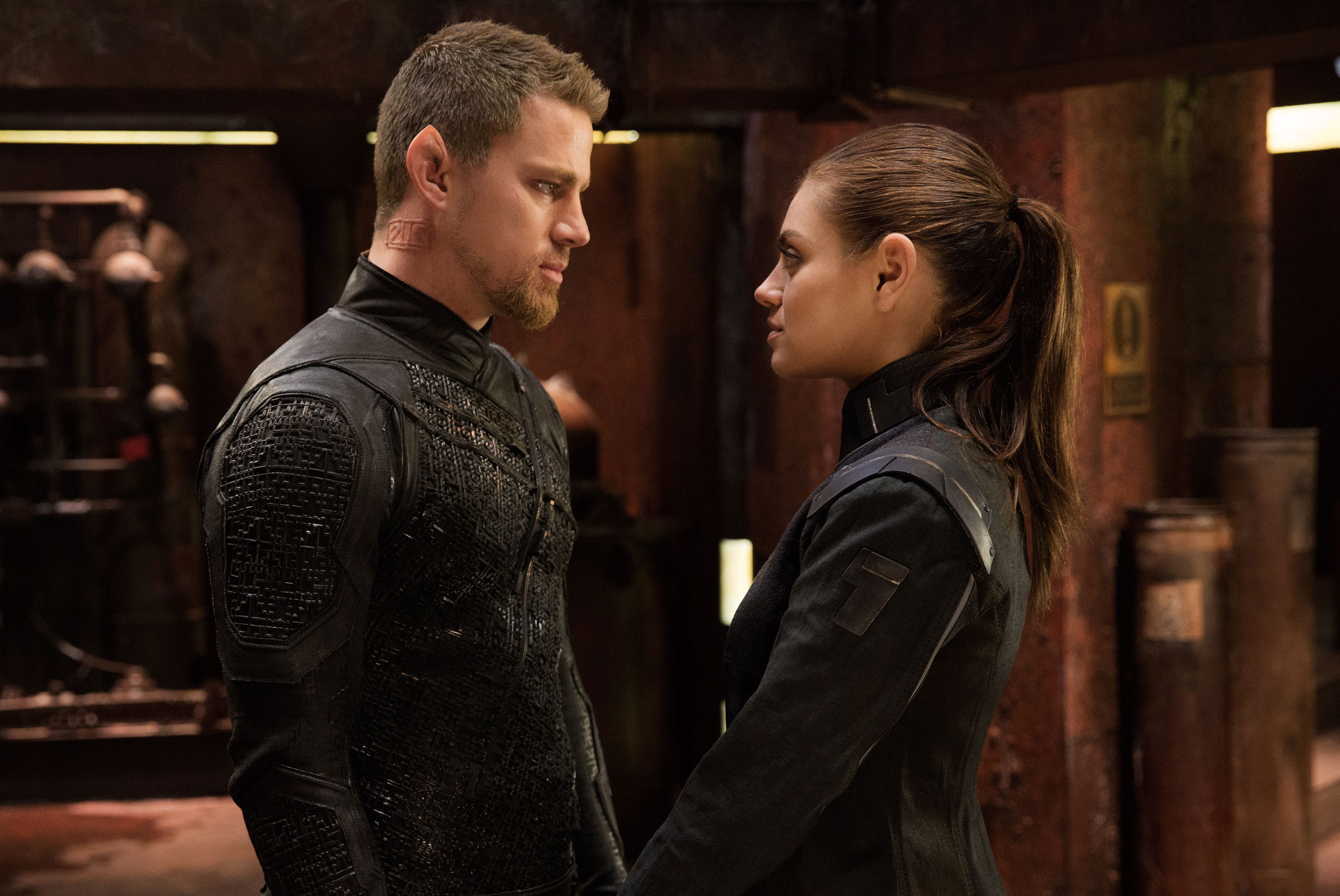
Jupiter Ascending is a movie of extreme contrasts. On one hand, it has a stellar production design with exquisite costuming behind it, which reflects what I think was a really cool vision for a would-be science-fiction franchise. At the same time, the dialogue and performances are just awful, which comes in spite of what is an impressive cast of actors.

jupiter2Having seen the movie a number of times now, it has been interesting to think about what might have gone wrong with Jupiter Ascending. I think, first and foremost, the screenplay could have used some more attention and time, particularly given its initial outlandish length. While the world is set up pretty well (which is impressive), the dialogue just doesn’t roll off quite right, and that probably impacted the way the actors took on their performances. I feel like a number of them, like Redmayne, leaned in on the campy-ness due to the way their dialogue was written. That said, it is also totally possible they were directed that way, given that the writers and directors were the same people. Which, in itself, can be a bit of a problem for a production. It can be really difficult for writer/directors to know when to cut out or amend dialogue that was their own creation. It is more than possible that the Wachowskis were resistant to input and modification when it came to the screenplay, regardless of where the advice came from.

Overall, despite its issues, Jupiter Ascending is a visually-pleasing flick, that for the most part is pretty entertaining. The weird concepts and performances give it an interesting flavor, and I think it does merit its quasi-ironic cult following. Personally, I prefer this to most of the major Hollywood “bad movies” of recent years, like the DCCU outings or the countless Transformers sequels and pointless reboots. It has an original vision behind it, which is worth quite a lot.

At the same time, I’ve heard from a lot of people with wildly different opinions of this movie. Some find it boring, while others swear by it as a modern camp classic. So, as far as a recommendation goes, it is kind of hard to say. In general, I think bad movie fans should at least give it a shot, but your mileage may vary.

John Carter

John Carter

johncarter1

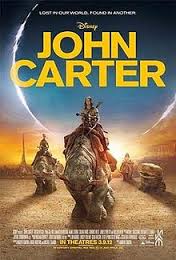
Today, I’m going to cover what could have been the start of a massive science fiction franchise: 2012’s John Carter.

The plot of John Carter is summarized on IMDb as follows:

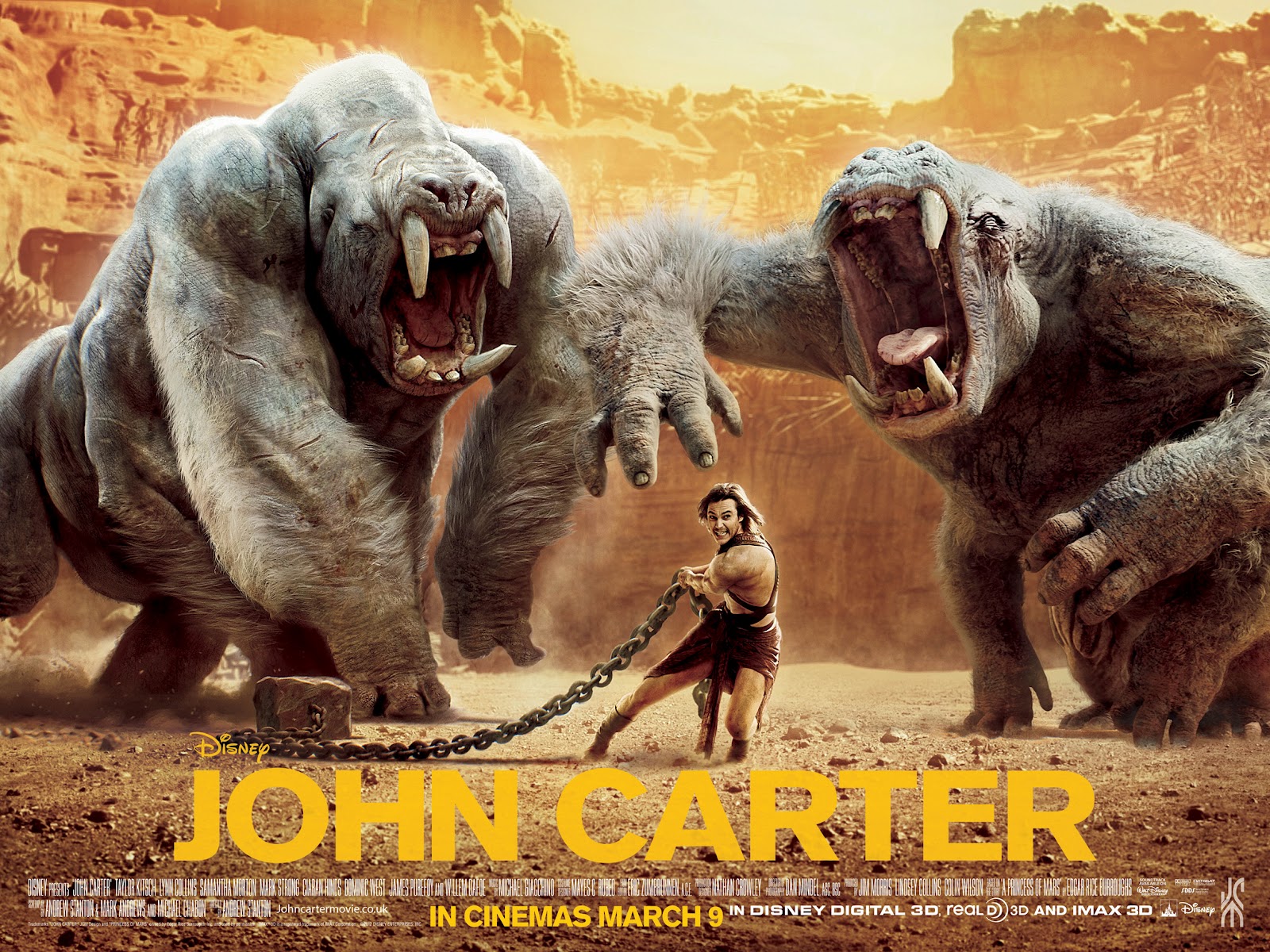
Transported to Barsoom, a Civil War vet discovers a barren planet seemingly inhabited by 12-foot tall barbarians. Finding himself prisoner of these creatures, he escapes, only to encounter Woola and a princess in desperate need of a savior.

John Carter was directed by Andrew Stanton, who has also helmed the hit Pixar films Wall-E, Finding Nemo, and Finding Dory, and directed two upcoming episodes of the hit television show Stranger Things. Stanton also had a significant hand in the film’s screenplay. His previous writing credits date back to the early days of Pixar: Toy Story, A Bug’s Life, Toy Story 2, and Monsters, Inc, most notably. Interestingly, prior to John Carter, Stanton had never directed a live action feature.

The other writers for John Carter were Mark Andrews, the writer/director responsible for Brave, and Michael Chabon, who contributed to the story for Sam Raimi’s Spider-Man 2.

John Carter is based on the first book in the Barsoom series by Edgar Rice Burroughs: “A Princess of Mars,” which had been a target for a major film adaptation dating back to 1931.

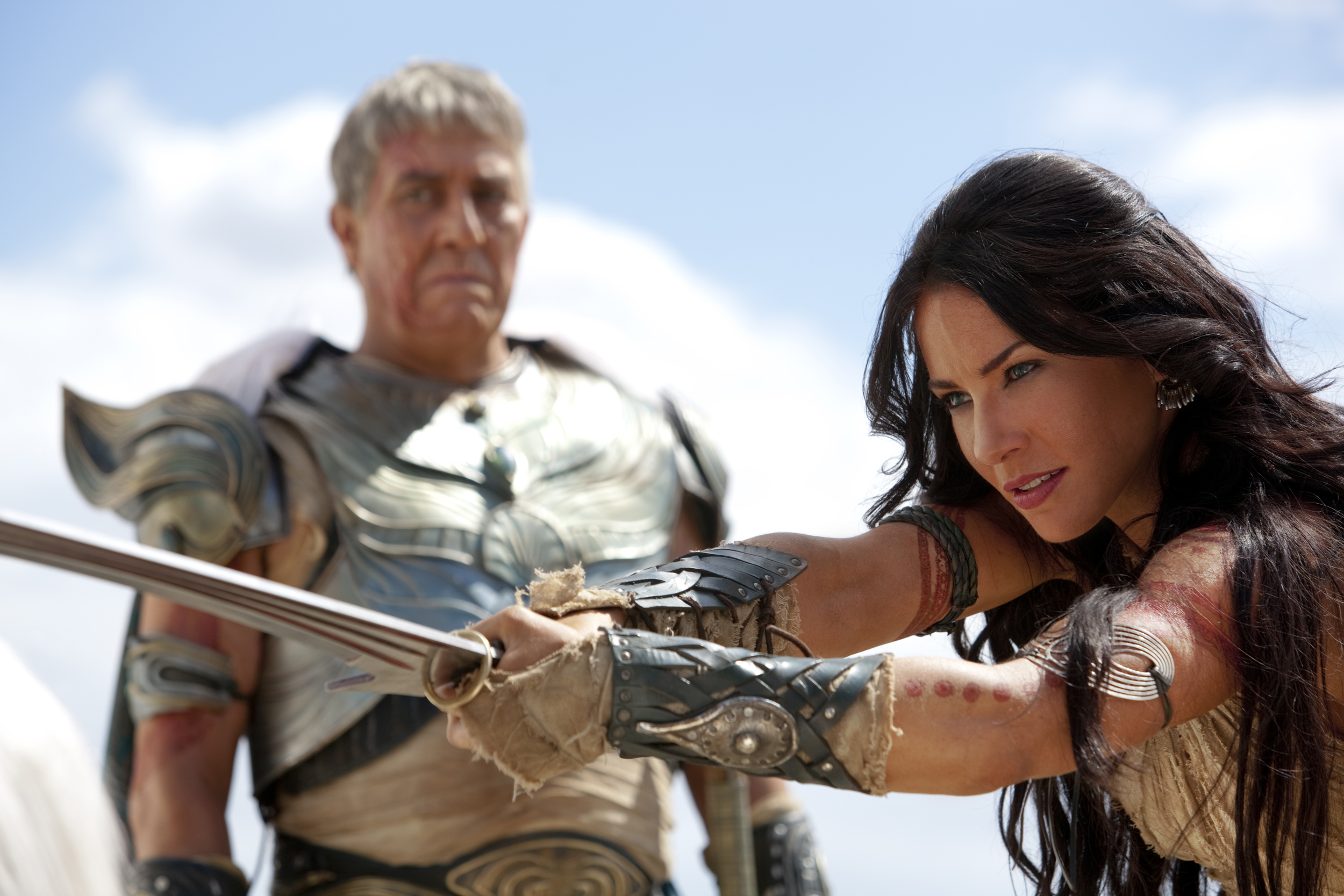
johncarter2The cast of John Carter includes Willem Dafoe (Platoon, Speed 2: Cruise Control, Spider-Man), Thomas Haden Church (Spider-Man 3, Sideways), Taylor Kitsch (Lone Survivor, Battleship, X-Men Origins: Wolverine), Dominic West (The Wire, 300), Mark Strong (Green Lantern, Revolver, Sherlock Holmes), James Purefoy (Hap & Leonard, High-Rise, The Following), and Bryan Cranston (Argo, Drive, Breaking Bad).

The cinematographer for the film was Dan Mindel, who has shot movies like Star Trek, Enemy of the State, Domino, Mission: Impossible III, Spy Game, and Star Wars: The Force Awakens, among others.

The editor for John Carter was Eric Zumbrunnen, whose other notable works include Her, Adaptation, Where The Wild Things Are, and Being John Malkovich.

The John Carter musical score was composed by Michael Giacchino, who has provided music for such notable films as Rogue One, Doctor Strange, Zootopia, Jurassic World, Jupiter Ascending, Up, Speed Racer, and The Incredibles.

Apparently, at one point in the film’s lengthy pre-production, Robert Zemeckis turned down an offer to direct, specifically citing that George Lucas already mined too much material out of the series for the Star Wars franchise.

Jon Favreau, the actor, writer, and director known for movies like Iron Man, Elf, The Jungle Book, Swingers, and Chef, was attached to direct John Carter in 2005, but left after a number of delays to take on Iron Man. When Andrew Stanton ultimately took the director’s role, Favreau requested to be included in the film as a voice extra, and is credited as one of the Tharks.

John Carter was made on a production budget of $250 million dollars, on which it took in a lifetime theatrical gross of $284 million. However, nearly 75% of that take came from overseas markets: in the United States, John Carter was a huge failure. When costs beyond the production are taken into account, John Carter was a huge financial loss that came up far short of financial expectations.

Critically, the reception for the film was mixed. Currently, it holds an IMDb user rating of 6.6/10, along with Rotten Tomatoes scores of 51% from critics and 60% from audiences.

In The Atlantic, Christopher Orr wrote a review of John Carter in which he praised the film’s “likable whimsy” and “hokey charm”:

…there is a hokey charm to John Carter, a clear understanding that, at the end of the day, we are there to have fun. Stanton has scattered throughout the script a surprising number of genuinely witty moments. (I laughed more during the film than I did during Adam Sandler’s last three comedies combined—which is a long way of saying, I laughed.)

As Orr mentions, I was surprised to find how much fun and genuinely clever humor made it into the final screenplay. Two of my favorite sequences in the film were made by comedic dialogue: the monologue interruptions at the beginning of the film, and the prisoner escape towards the climax. While these were undoubtedly two of the best bits in the film, they were just as much made by their performers, Bryan Cranston and James Purefoy, respectively, as by their writing.

This brings me to one of my biggest problems with the movie: there are just too many characters. Or, rather, too many underused characters. Both Bryan Cranston and James Purefoy, who are huge highlights in the movie, are either entirely dropped or relegated to minimal background roles following their aforementioned sequences. I can’t recall either characters’ names, what they stood for, or what defined them, which is a bit of a problem. There are already a lot of complicated ideas and plots spinning around in the film, so I kind of understand why the characters aren’t given much attention, but that is a bit of a problem to itself. There are more than a few moments of science-fiction jargon-babble that weigh down the screenplay, which could have benefited from some tweaking. Mostly, this just felt like some unfortunate wasted potential.

Something that surprisingly stood out to me about John Carter were the visual effects: overall, they still look pretty good, which is really saying something for a movie that is a number of years old. Typically, technological progresses make movies look outdated quickly, but John Carter still looks pretty ok by today’s standards. It still probably won’t age well, but holding up for this long is still impressive.

Aside from the effects, John Carter is still a very visually pleasing movie. The production and costume designs are all top-flight: the world looks and feels unique and tangible, and each of the civilizations look distinct from each other. The color palette may feel a bit overused now, but the combination of sandy oranges and bright blues does give John Carter a striking appearance, without any doubt.

In his aforementioned review for The Atlantic, Orr also hit on one of my favorite aspects of John Carter: the bizarre animal companion, Woola.

the most indelible performance in the film…would be Woola, a six-legged, razor-toothed Martian hound who…rather resembles a cross between a bulldog and a fetal gila monster…he’s not much in the looks department, but it’s been some time since cinema has seen a more adorable sidekick.

To say that Woola (who I call the DogFrog) is god damn adorable is a massive understatement. The Pixar influence on the film is most evident through him: his charm, appearance, and physical performance all seem like they were lifted straight out of a Pixar short of feature. Interesting, unlike Jar-Jar Binks in the ill-fated Star Wars prequels, he never feels out of place, even when at his peak of comic relief. This could easily have gone awry, but if there is anything the Pixar lot can do well, it is blend the heavy spices of drama and comedy successfully.

johncarter3While John Carter may not be a masterpiece, I think it is quite a bit better than its reputation indicates. It is uneven for sure, but there are enough fun moments and highlights to make it worth checking out if you ask me. It clearly suffered from some really lackluster marketing: I always assumed it would be a big, dumb action movie. While it is, at least on some level, exactly that, there is more substance to this film that you could glean from its trailers.

Superman IV

Superman IV

supermaniv1

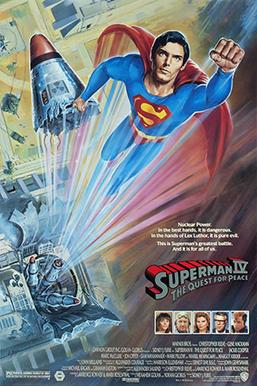
Today, I am going to take a look at one of the least beloved superhero movies: Cannon’s Superman IV: The Quest For Peace.

The plot of Superman IV is summarized on IMDb as follows:

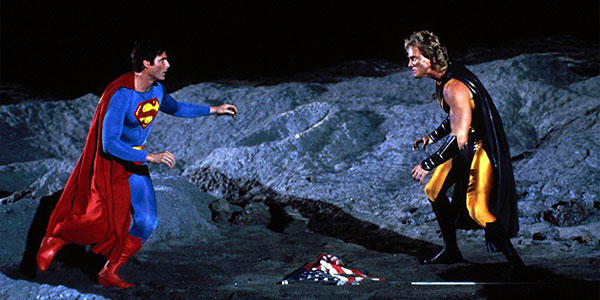
The Man of Steel crusades for nuclear disarmament and meets Lex Luthor’s latest creation, Nuclear Man.

The screenplay credits for Superman IV were given to the duo of Lawrence Konner and Mark Rosenthal, who wrote Star Trek VI: The Undiscovered Country, Tim Burton’s Planet of the Apes, Mercury Rising, the film adaptation of The Beverly Hillbillies, and the remake of Mighty Joe Young. Christopher Reeve, the star of the film, received a story credit for his input.

Superman IV was directed by Sidney J. Furie, who is best known for his work on the Iron Eagle franchise (Iron Eagle, Iron Eagle II, and Iron Eagle IV), and the Rodney Dangerfield comedy Ladybugs.

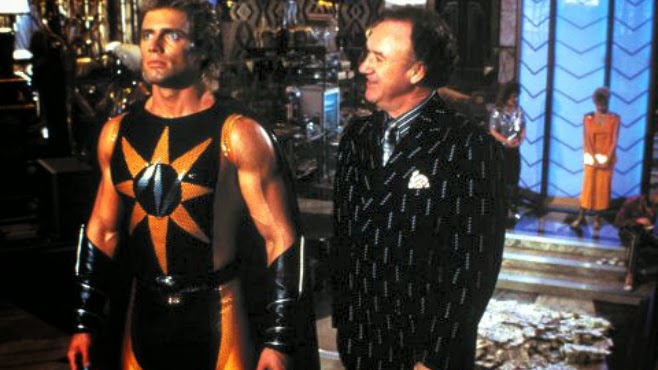
The central cast of the film is made up by Christopher Reeve (Superman, Village of the Damned), Gene Hackman (The French Connection, Unforgiven, The Quick and The Dead), Jon Cryer (Pretty in Pink, Hot Shots!), and Margot Kidder (Superman, Black Christmas, The Amityville Horror).

The cinematographer for Superman IV was Ernest Day, who shot the movies Parents, A Passage To India, and and Revenge of The Pink Panther. The editor for the film was John Shirley, whose credits include Live and Let Die, The Man With The Golden Gun, Chitty Chitty Bang Bang, and King Solomon’s Mines.

The music for Superman IV was provided by Alexander Courage, who most famously composed the music for the original series of Star Trek. He also worked on television shows like The Waltons, Lost In Space, and Voyage to the Bottom of the Sea.

Superman IV was produced by the infamous duo behind Cannon films, Menahem Golan and Yoram Globus. They managed to dominate the 1980s with all variety of cheesy movies: brutal cop flicks, ninja adventures, wacky musicals, and, as their reign came to an end, they sought to move into the realm of comic book heroes. Had Superman IV been more profitable, the proceeds would likely have been turned around into a Spider-Man feature, which the group had the rights to make until 1990. However, it did not come to pass.

supermaniv5I haven’t been able to find the original source, but it is said that star Christopher Reeve deeply regretted making Superman IV, and later referred to it as a “catastrophe,” and that it was a “huge blow” to his career.

Jon Cryer, one of the film’s co-stars, spoke a bit about his experience with the movie in an A.V. Club interview:

That was an absolutely heartbreaking experience for me, because I had loved the Richard Donner Superman like nobody’s business…Superman IV was to resurrect the franchise. They had new producers, and Golan-Globus had…made a great deal of money with their Cannon films, and this was their bid for respectability. They were gonna reboot the franchise, and resurrect it for everybody after the debacle that was Superman III. Little did we know that we were actually going to be working on the debacle to end all debacles.

Prior to Sidney Furie taking on the directing duties, the job was offered to both horror master Wes Craven and original Superman director Richard Donner. While Donner outright refused the offer, Craven was apparently on board for a while: at least, until clashes with Reeve drove him away.

supermaniv2At the very last minute before production, the budget for the film was slashed from $36 million to $17 million. This was due to financial issues that beginning to plague Cannon films, and would be exacerbated with the film’s failure. This limitation is also why so much footage is reused in the film: they had to cut corners wherever possible. Despite that trimmed down budget, the movie failed to cover its costs anyway, bringing in just $15.6 million in its lifetime theatrical gross.

Currently, Superman IV has an IMDb user rating of 3.6/10, along with Rotten Tomatoes scores of 12% from critics and 16% from audiences. The film has the distinct dishonor of being one of the most widely reviled super hero films to ever hit the screen.

The biggest problem with Superman IV, if you ask me, is ultimately the budget. It just looks cheap, particularly in comparison to earlier films in the franchise, and that was all it was going to take to get people to hate it. It is easy to point the blame at the goofy style of Cannon films, or the director not having the experience to handle this kind of production, or the screenplay being sub-par, but in this case, I think the first and biggest thing they needed was more money. If the effects looked better and the repeated footage was excised, I think the result would have been almost satisfactory. Or, at least, it would have had a fighting chance. That isn’t even getting into the possibility of paying for a rewrite, or extra shooting, or just having someone edit the film who wasn’t half-asleep, or even paying a better director. I think if they even had that initial $36 million, this might have turned out ok.

Here’s something I have to be upfront about: to be honest, I have never gotten the appeal of the series or the character of Superman: I’ve always thought Superman was pretty dull, and was hard to relate to. He has always seemed a little too perfect, and his weakness a little too goofy, and his powers a little too all-encompassing. He never seemed to really have challenges. It hasn’t been until recently that I’ve started reconsidering this, but I’m definitely not won over yet: particularly not by the Christopher Reeve incarnation. So, I suppose I am not primed to enjoy the Superman film franchise to start with, which isn’t going to do the worst sequel any favors.

As far as the performances go, I pretty much just think Christopher Reeve is awful in all of these movies. If you liked him in the others, he is probably fine here: this may just be a “me” thing. On the other end of the spectrum, Gene “Makes Welcome To Mooseport Almost Watchable” Hackman is wonderful, as always, despite not having a whole lot to do. However, his sequences are almost all ruined by the presence of 2/5 of Two and A Half Men Jon Cryer, whose comic relief stylings are about as grating as you can imagine.

One of the weirdest decisions about Superman IV was to have Gene Hackman record the voice for the villainous Nuclear Man, and dub it over the actual actor. Even though they kept his dialogue pretty sparse, every time he does say something, it is a jarring, weird experience. Even if the guy was heavily accented, surely there was another possible solution for this?

supermaniv3Overall, I do think there is something charming about Superman IV, as I do with most Cannon films. The cheapness, the goofiness, and transparent ineptitude all coalesce into a pretty enjoyable end product. Even though I think the cut down to 90 minutes for the theatrical release hurt the movie in a traditional sense, I think it also makes it a little more fun as a bad movie watch: you can definitely get in and out of it quickly without much trudging.

As far as a recommendation goes, this is one of my lighter Cannon films recommendations. Honestly, I think that is because they were trying so hard to make a proper, respectable blockbuster. Still, it is quite a bit of fun if you go in knowing what you are going to get.

Godzilla (1998)

Godzilla (1998)

godzilla1

Today’s film is the ill-conceived and ill-executed American re-imagining of a Japanese cinematic ground-breaker: 1998’s Godzilla.

The plot of Godzilla is summarized on IMDb as follows:

A giant, reptilian monster surfaces, leaving destruction in its wake. To stop the monster (and its babies), an earthworm scientist, his reporter ex-girlfriend, and other unlikely heroes team up to save their city.

Godzilla had four credited writers: the screenplay is credited to director Roland Emmerich and Dean Devlin (Universal Soldier, Stargate, Independence Day), and story credits were given to Ted Elliott (Small Soldiers, The Lone Ranger) and Terry Rossio (Legend of Zorro, Deja Vu).

As mentioned, the film was directed by Roland Emmerich, who has made a name for himself by repeatedly destroying prominent metropolises in films like 2012, Independence Day, The Day After Tomorrow, White House Down, and Independence Day: Resurgence.

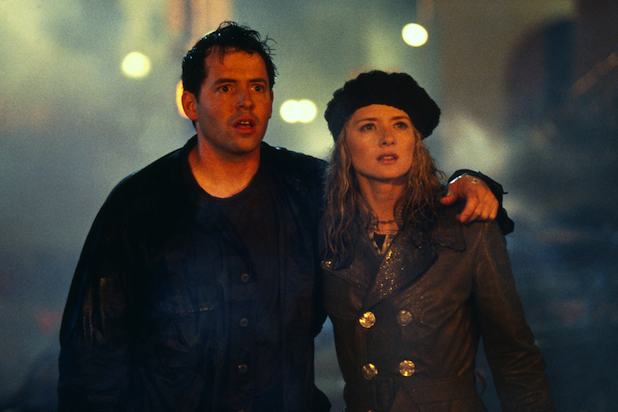
The cast of Godzilla is led by Matthew Broderick (The Producers, Ferris Bueller’s Day Off), Jean Reno (Leon, The Professional), Maria Pitillo (Chaplin), and Hank Azaria (Mystery Men).

The cinematographer for the film was Ueli Steiger, who also shot 10,000 BC, Bowfinger, House Arrest, The Black Knight, Stealing Harvard, and Austin Powers: The Spy Who Shagged Me.

Two editors received credit for working on Godzilla: Peter Amundson, who has worked on films like Pacific Rim, Gamer, Shoot Em Up, Hellboy, Blade II, and DragonHeart, and David Siegel, who cut Eight Legged Freaks.

The musical score for Godzilla was composed by two people: David Arnold, who has provided music for the BBC series Sherlock and Jekyll & Hyde, as well as films like The Stepford Wives and Hot Fuzz, and Michael Lloyd, who composed scores for Ghoulies Go To College and The Garbage Pail Kids Movie.

Godzilla wound up spawning an animated series that continued with the plot laid out by the film. The series ran for two seasons on Fox Kids, and was actually somewhat better acclaimed than the film itself.

A potential sequel was already in the works when Godzilla was released into theaters: it was to take place in Australia, and feature some sort of large insect (perhaps inspired by Mothra) as an adversary. However, the critical and fan reactions quickly put an end to these plans.

Godzilla wound up nominated for six Golden Raspberry Awards, which are given out each year to films deemed to be the worst in any given category. It wound up winning two: Worst Remake or Sequel, and Worst Supporting Actress for Maria Pitillo.

The 1998 American design of Godzilla was parodied years later in Godzilla: Final Wars, which has created some confusion on how the American Godzilla is classified. It is officially part of the Japanese Godzilla mythos because of its inclusion in that film, but it isn’t always considered a proper Godzilla, often being classified as “Zilla” instead. Likewise, most fans of the series discount the inferior American rendition, often referring to it as G.I.N.O. (Godzilla In Name Only).

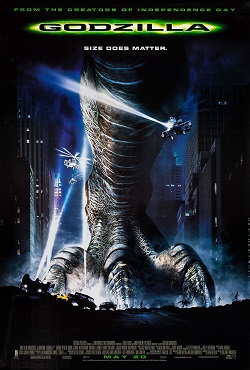
The promotional materials for Godzilla bore the tagline “Size Does Matter,” which was intended to be a slight towards Jurassic Park. The tagline was (and still is) frequently mocked in parodies and other film trailers.

A number of notable directors, including James Cameron, Tim Burton, and Paul Verhoeven, all ultimately passed on the project of re-imagining Godzilla. Then, a version got well into the conceptual phase with Stan Winston providing creature designs and effects and Jan De Bont directing, though it eventually fell apart just before Emmerich took the reigns.

godzilla2Another American take on Godzilla released in 2014, directed by Gareth Edwards. While better received than the 1998 incarnation, audiences were still divided on it. However, a combined franchise is being build around that film, which will be continued with the upcoming Kong: Skull Island.

The year after the release of Godzilla, Godzilla 2000 hit theaters in Japan. The plan had initially been to hold off on releasing a Japanese Godzilla feature until the 50th anniversary in 2004, which allowed plenty of time for American sequels to be produced. The scrapped sequel plans, in conjunction with fan outrage, pushed up the production of Godzilla 2000, which was seen as a direct response to the lackluster American outing.

Godzilla was made on a production budget of $130 million, on which it took in a lifetime worldwide theatrical gross of $379 million. While this was profitable, the negative reaction from fans and critics was substantial. Currently, the film holds an IMDb user rating of 5.3/10, along with Rotten Tomatoes scores of 16% from critics and 28% from audiences.

godzilla4Something I have never been able to wrap my head around in regards to this film is why there was so much attempted humor injected into the screenplay. The original Godzilla, as well as the themes that surround it, are all very bleak. Humor just doesn’t match what these movies are about, unless it was written in a very grim and dark way. Godzilla, however, isn’t darkly-minded in its humor: it is cartoon-y and slapstick, which creates an effect of tonal whiplash. What is even weirder is that the humor clearly wasn’t added after some bad test screening: it was unquestionably designed that way. The comedy background of most of the cast makes it really hard to argue against this idea. Worse yet, the humor just isn’t funny. Despite the presence of some talented comedic actors, they all seem to struggle to make their material funny, which boils down to an issue of either direction or writing. In the case of Emmerich, it was almost certainly both.

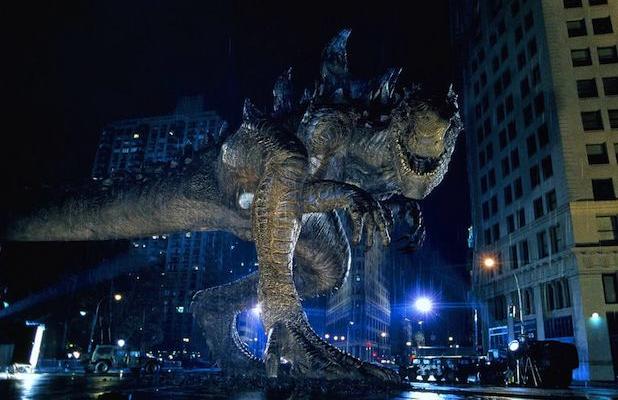
Another issue that I have with the film were the general designs of the monsters: they just aren’t terribly interesting. Their appearances aren’t particularly imposing or intimidating, and it is hard to nail down exactly why. Apparently, Emmerich wanted his monster to be sleek and fast, which aren’t ways one would describe Godzilla. That focus on agility makes the beast seem a bit too toned and athletic, which just doesn’t fit for a creature that is supposed to be frightening. The color and texture doesn’t seem right either: the original Godzilla was designed to look burned, and was patterned after documented radiation burns from Hiroshima. That lack of scarring and texture robs the monster of a crucial tangibility, as well as further erases a subliminal aspect of the message of the original film. Replacing that texture and charred coloration just further drives home how much this film misses the point.

godzilla5Personally, I think the very concept of an American production re-imagining Godzilla is basically unacceptable. Godzilla is a film that is about Japan and the Japanese. It deals with the nation’s grief, pain, and politics in the wake of horrific war, and a subsequent conflict of identity that came about as a result. An American perspective just doesn’t add anything: at worse, it takes away.

That said, Godzilla is not a movie that can’t be remade well. In fact, I absolutely loved the updated themes and concepts addressed in Shin Godzilla, and I think it is a shame more folks haven’t seen it. While I can’t recommend the Godzilla from 1998, I can definitely recommend that people check out Shin Godzilla.

Overall, Godzilla was an ill-conceived and ill-executed cash grab intended to capitalize on the dinosaur craze in the wake of Jurassic Park. It is a wholly soulless endeavor. Every time I re-watch it, I forget why I did. If you have positive nostalgic feelings about it, I wouldn’t recommend casting your gaze backwards. However, if you are a bit of a movie trivia buff, the story behind this film’s production is pretty interesting, and might justify a re-watch to daydream of what might have been.

Eragon

Eragon

eragon1

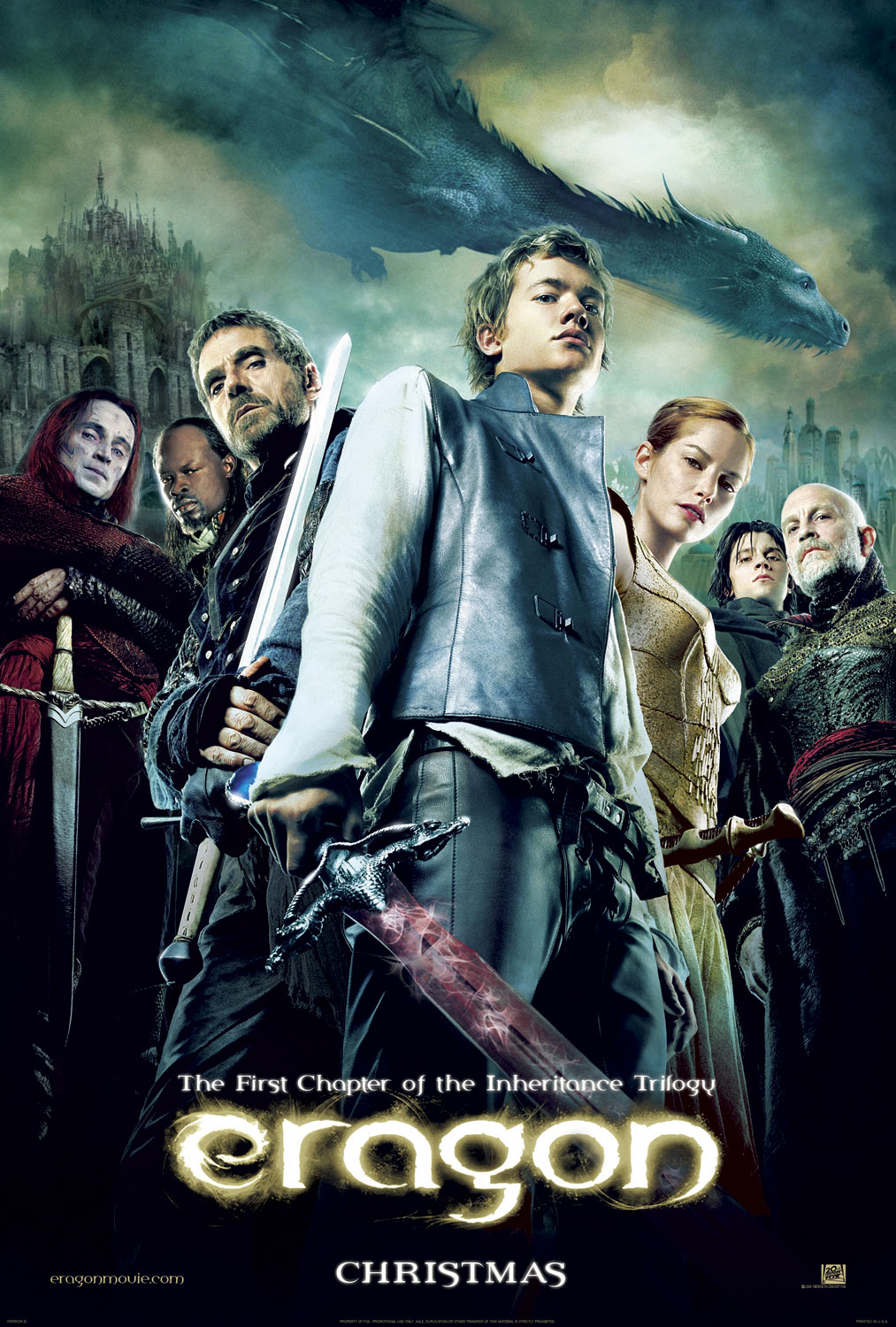
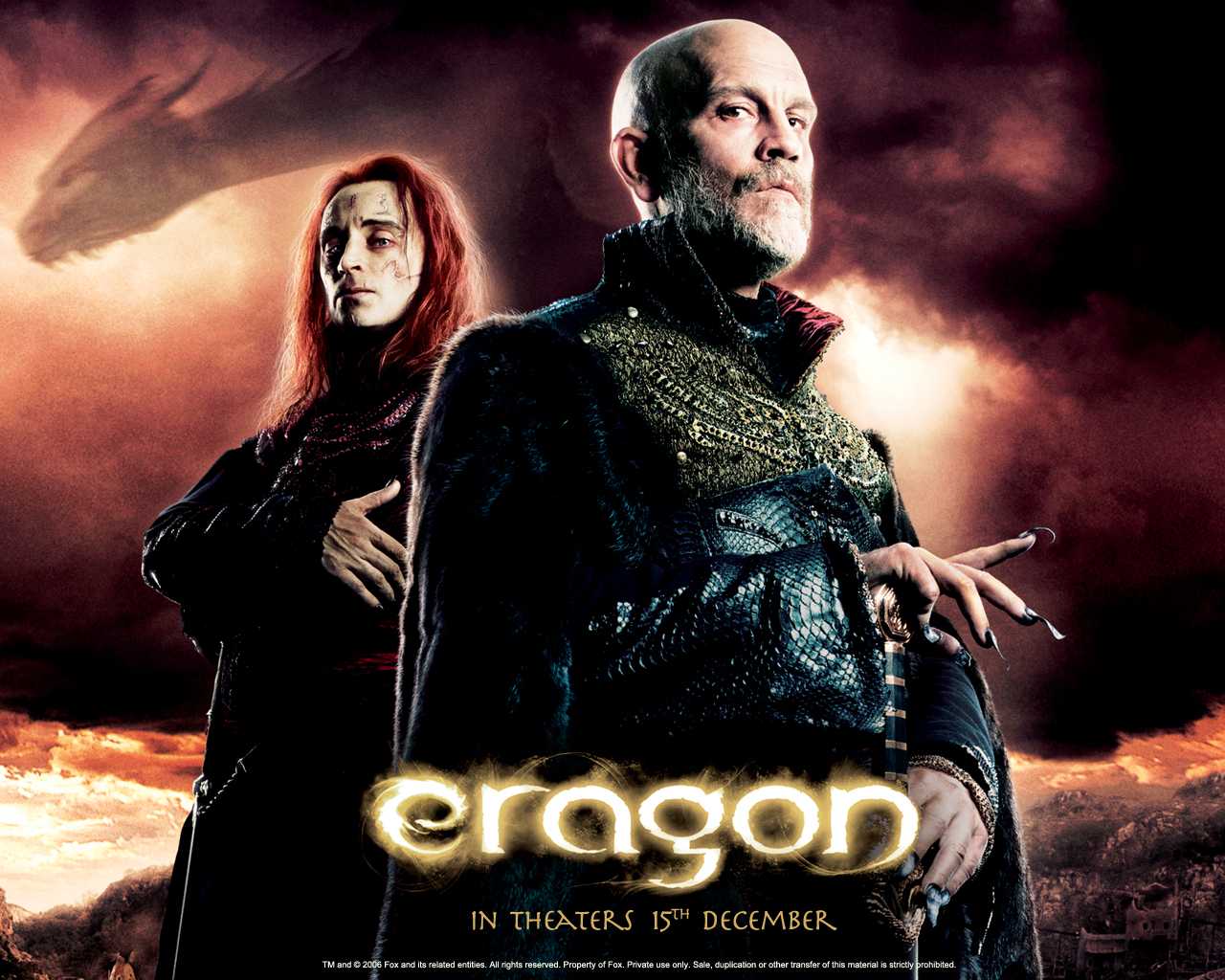
Today, I’m going to take a look at a 2006 movie that desperately wanted to kick-start the next big blockbuster franchise: Eragon.

The plot of Eragon is summarized on IMDb as follows:

In his homeland of Alagaesia, a farm boy happens upon a dragon’s egg — a discovery that leads him on a predestined journey where he realizes he’s the one person who can defend his home against an evil king.

The screenplay for Eragon was ultimately credited to Peter Buchman, whose other credits include Jurassic Park III and the two-part 2008 biopic on life of Che Guevara. However, this was also settled after some significant disagreements on the credits were brought to the Writer’s Guild of America, so other parties were clearly involved with the writing.

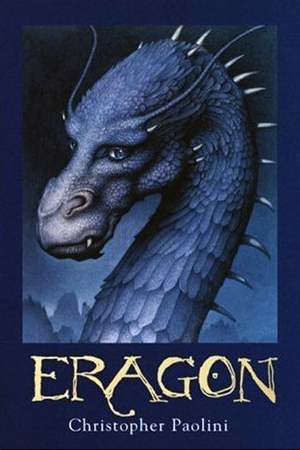
The source material for Eragon was the first installment of Christopher Paolini’s Inheritance Cycle novel series, which is also entitled Eragon. The book was initially self-published in 2002, but gained a wider following after its republishing in 2003. It wound up being a best-selling children’s franchise for years, spawning three successful sequels.

eragon5Eragon was directed by Stefen Fangmeier, a successful visual effects worker who has contributed to Game of Thrones, Twister, Jurassic Park, The Mask, Small Soldiers, and Galaxy Quest, among others. However, this was his first (and so far, only) directorial project.

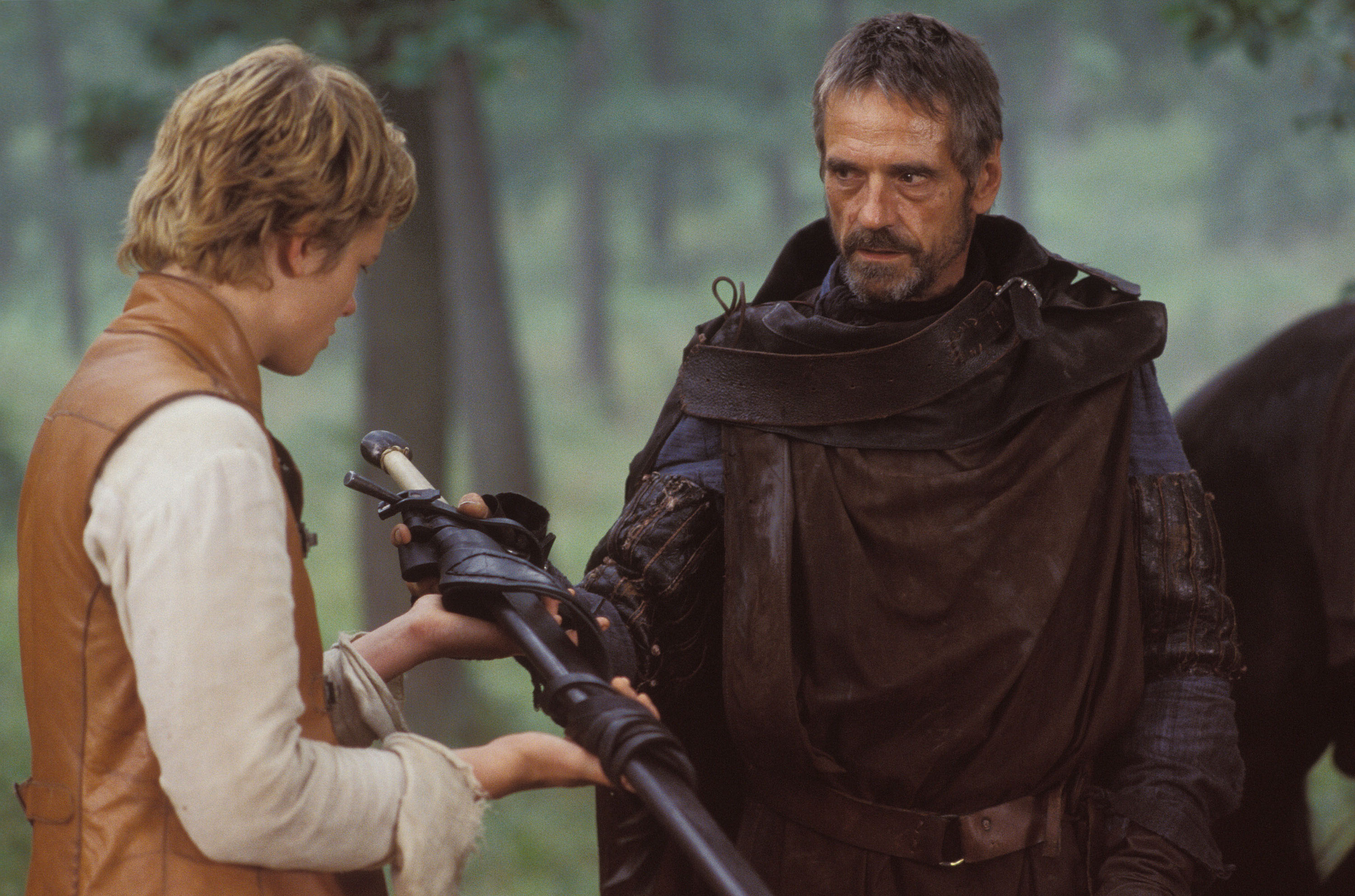
The cast for the film includes Jeremy Irons (Dungeons & Dragons, The Lion King, Batman v Superman: Dawn of Justice), John Malkovich (Being John Malkovich, Burn After Reading, Rounders), Robert Carlyle (Trainspotting), Sienna Guillory (Luther, High-Rise), and Ed Speleers (Downton Abbey).

eragon2The cinematographer for Eragon was Hugh Johnson, who also shot the films The Chronicles of Riddick and G.I. Jane.

The film ultimately required the work of three editors, likely due to studio-mandated re-cuts. These credited editors were Chris Lebenzon (Radio, Big Fish, xXx, Con Air), Masahiro Hirakubo (Trainspotting, The Beach, The White Helmets), and Roger Barton (World War Z, Bad Boys 2, Speed Racer, Gone In Sixty Seconds).

The music for Eragon was composed by Patrick Doyle, who also provided scores for Donnie Brasco, Thor, Brave, and Carlito’s Way, among others.

eragon4Apparently, both Ian McKellan and Patrick Stewart were considered for the role that ultimately went to Jeremy Irons. However, both men were unavailable for the same reason: the filming of X-Men: The Last Stand.

Interestingly, Eragon was the last major Hollywood film to get a VHS home release, in 2007. This followed decades of the format’s dominance, dating back to the late 1970s.

Eragon was made on a production budget of $100 million, on which it brought in a total lifetime theatrical gross of $249.5 million, making a nice profit. However, it wasn’t nearly as successful as hoped, not was it received well by fans or critics. Thus, the sequels never came to fruition.

Speaking of the film’s reception, Eragon currently holds an IMDb user rating of 5.1/10, along with Rotten Tomatoes scores of 16% from critics and 46% from audiences. All of these scores are pretty far from positive, and film is remembered widely as a failure as a result.

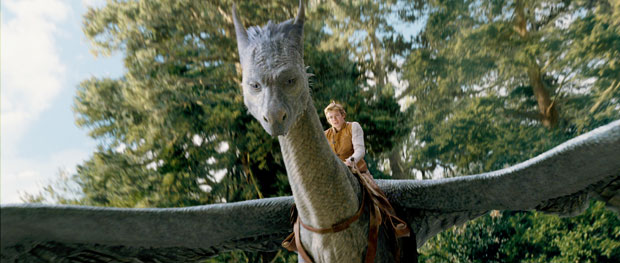
The first thing that has to be said about Eragon is that the effects haven’t aged well. Even if the effects looked spectacular at the time, rapid technology changes and developments have been particularly cruel to CGI-heavy movies from the mid-2000s. Looking back with an eye accustomed to current films, going back a few years draws some really unfavorable comparisons to more developed works. However, I seem to remember seeing Eragon when it was released, and not being impressed by the dragon. It might look fantastic in an animated setting, but it doesn’t seem to interact with the tangible world like it should, which stands out dramatically.

As far as the performances go, the thing that I most noticed was how obviously checked out John Malkovich is throughout the run time. I suspect that his part wrapped with only a few days of shooting, and he clearly was not into the zone for it. While his dialogue is certainly terrible, the level of dispassion in his deliveries is hard to match if you were trying. On the other end of the spectrum, Jeremy Irons is pretty solid: he is a guy who tends to put in good performances no matter what, and he manages to weave his way around some shoddy writing. The rest of the cast is pretty forgettable: particularly the lead, who is the living embodiment of white bread.

eragon3One of the biggest criticisms that has been levied at the source material for Eragon is how apparently derivative it is from other science fiction and fantasy works. While it might be easy to attribute this to the author simply following the patterns of the monomyth, I think this goes far beyond following the broad strokes of the Hero’s journey. Only having the reference of the film to go by, I was struck by how many story beats and sequences reminded me of Star Wars, one of the most popular and recognizable adherents to the monomyth. Typically, the Hero’s journey is a loose blueprint, which you only notice if you are specifically looking for it. Honestly, you shouldn’t notice it if the writing is well done: you want to be in a position of familiarity without feeling like you are going through the motions of a routine. It is hard to be invested in a story that plays out like a paint by numbers puzzle. However, that is exactly what Eragon is: a story that reeks of unwelcome familiarity, like a greasy spoon meal that violently revolts in the digestive tract.

One of the biggest issues that looms over Eragon like a fog is the then-recency of the highly successful and well-received Lord of the Rings trilogy, helmed by Peter Jackson.  The comparison is highly unfavorable on pretty much every level: production design, performances, makeup, visual effects, writing, cinematography, music, etc. Just skimming through contemporaneous critical reviews, it is clear that Lord of the Rings was still heavily entrenched in the minds of the public. Even if Eragon had been good, the comparison was inevitably going to be drawn, and there was no way that the judgement was going to be in Eragon‘s favor. I’m sure the producers had this notion of being able to find a sweet spot between Harry Potter, Star Wars, and Lord of the Rings, but that was clearly short-sighted, and put way too much pressure on the back of Eragon.

Another big issue I have with the film is how many plot threads and characters are being balanced throughout the story. Even though a lot of things were changed and cut through the process of the adaptation (to the immense ire of the book’s fan base), I still think that there is way too much happening. There are a number of characters that I don’t even recall being named, like the leader of the resistance group. Introductions are blown through in a split second, which makes caring about any of the characters really difficult.

Overall, I think that Eragon was built on excessively lofty expectations and a foundation of sand. There’s nothing particularly worth recommending about the movie: as much as I love Jeremy Irons, he isn’t enough of a force to save it. The producers were clearly blinded by the profit potential of a youth fantasy franchise with familiar elements of both Lord of the Rings and Harry Potter, and didn’t give consideration to meeting the quality of those films. On top of that, I’m thinking that the screenplay could have used a lot more work, and the whole film could almost certainly have benefited from the oversight of a seasoned director rather than a first-timer.

Uninvited

Uninvited

uninvited3

Today I am going to take a look at a truly bizarre low budget film about a killer cat: 1988’s Uninvited.

The plot of Uninvited is succinctly summarized on IMDb as follows:

A mutated killer cat finds its way on-board a yacht.

Uninvited was produced, written, and directed by Greydon Clark, who is probably best known for his work on the Joe Don Baker movies Final Justice and Joysticks.

The music for the film was provided by Dan Slider, who most notably composes and orchestrates the music for the long-running television series America’s Funniest Home Videos.

The cinematographer for Uninvited was Nicholas von Sternberg, who shot the blaxsploitation classic Dolemite, Greydon Clark’s films Final Justice and Joysticks, and David DeCoteau’s infamous Dr. Alien.

uninvited2The cast of the film is headlined by George Kennedy, who is best known for more acclaimed movies like Cool Hand Luke and The Dirty Dozen, and is by far the most recognizable face in the lot. Other cast members include Alex Cord (Airwolf), Clu Galuger (Return of the Living Dead), Clare Carey (Coach), and Toni Hudson (Leatherface: Texas Chainsaw Massacre III).

The year prior to Uninvited, a similar movie was released in China called Evil Cat, which also follows the sinister exploits of a blood-thirsty feline.

Currently, Uninvited holds an impressively low 4.0/10 IMDb user rating, along with a 50% audience score on Rotten Tomatoes.

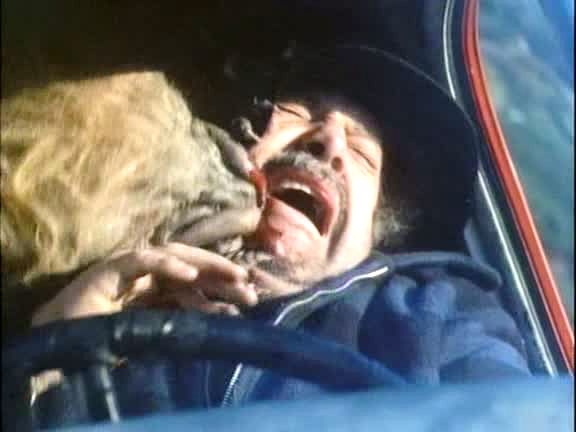
I sincerely believe that there is only reason that this movie is at all remembered: the cat monster puppet. Holy crap, this cat puppet is honestly one of the worst movie effects I have ever seen. With that said, this movie is simultaneously made and broken by that ridiculous cat puppet. Without it, the movie would have been completely forgettable, and totally lost to the ages. With it, the movie is exponentially more atrocious, but enough so that it has stuck with people through the years.

uninvited4Beyond the puppet, there isn’t much to say about the movie. As you might expect, it has a really slow story, which is fairly typical of this sort of b-movie. If the story had stayed targeted on the cat, there might have been some potential, but the focus regularly drifts to a group of teenagers and a couple of criminals, who are all pretty dull.

Outside of a couple of interesting bulging vein effects, the technical aspects of the movie are pretty much what you would expect from this sort of flick: there are a lot of sound issues, the music is hilariously awful, and the visuals certainly aren’t anything to write home about.

While Uninvited showcases an interesting idea and original concept, I think this was a case of the filmmakers vision exceeding his grasp. With such a low budget, there is just no way that an elaborate cat-demon could have been pulled off adequately.  While that may mean that this movie was doomed from the start, I can certainly say that I am glad it exists, because it is so unique. I highly recommend looking up some clips and stills from the movie, but I certainly don’t endorse sitting through it. The pacing issues make sitting through the whole run time a little too much of a slog, but the cat puppet action simply can’t be missed.

uninvited5

The Happening

The Happening

happening1

Today, I’ll be taking a look at what is arguably the low point of M. Night Shyamalan’s film career to date: 2008’s The Happening.

The plot of The Happening is summarized on IMDb as follows:

A science teacher, his wife, and a young girl struggle to survive a plague that causes those infected to commit suicide.

The Happening was written and directed by the one and only M. Night Shyamalan, whose whiplash-inducing up and down career has included films like The Sixth Sense, The Village, Unbreakable, After Earth, Signs, and Split.

The cast of the movie includes the likes of Mark Wahlberg (The Departed, Boogie Nights, The Fighter, The Other Guys), Zooey Deschanel (500 Days of Summer, Elf, The Hitchhiker’s Guide To The Galaxy), Betty Buckley (Carrie, Wyatt Earp), John Leguizamo (John Wick, Bloodline, Super Mario Brothers, Spawn), and Alan Ruck (Twister, Speed, Ferris Bueller’s Day Off).

The cinematographer for The Happening was Tak Fujimoto, who also shot Devil, The Sixth Sense, Philadelphia, The Silence of the Lambs, Pretty In Pink, and Where the Buffalo Roam, among others. The film’s editor was Conrad Buff IV, who has had credits that range from comedies like Monster Trucks, True Lies, and Space Balls to science fiction like The Abyss, Species, and Terminator 2.

The musical score for the film was composed by James Newton Howard, one of M. Night Shyamalan’s most frequent collaborators. On top of The Happening, he also did the music for the films Michael Clayton, Nightcrawler, Green Lantern, The Dark Knight, The Last Airbender, Lady In The Water, Dreamcatcher, Space Jam, and Waterworld.

Mark Wahllberg has since denounced The Happening, saying that he primarily took the job because of the opportunity to portray a science teacher, rather than a cop or a crook.

Amy Adams, who has since become one of the most acclaimed actresses in Hollywood, turned down the lead role in The Happening that eventually went to Zooey Deschanel.

The Happening was made on a production budget of $48 million, on which it took in a worldwide, lifetime gross of $163.5 million. While this was almost certainly profitable, the film was absolutely brutalized by critics and audiences alike: it currently holds an IMDb user rating of 5.0/10, along with Rotten Tomatoes scores of 18% from critics and 24% from audiences.

One of the few positive reviews for The Happening interestingly came from one of the most well-regarded film critics of the time: Roger Ebert. In his review, he referred to the film as, among other things, “too thoughtful for the summer action season.” At the same time, he was prescient in predicting the film’s critical failure, writing:

I suspect I’ll be in the minority in praising this film. It will be described as empty, uneventful, meandering. But for some, it will weave a spell.

Watching the performances and deliveries in The Happening, it is hard to believe that the actors weren’t intentionally playing for comedy. In particular, Wahlberg’s performance is surreal in its hilarity: despite the tone around him, he managed to get a number of laughs out of me, despite the fact that there is no overt humor in the screenplay. His conversation with a plastic plant is honestly funnier than most actual comedy routines these days if you ask me.

One of the most obvious issues with The Happening is its underlying message. More specifically, the message is far too heavy-handed, and lacks the subtlety to make it truly powerful. That said, there is a kernel of an interesting idea within The Happening: plants fighting back against humans as an evolutionary defense sounds like the early makings for a pretty nifty creature feature, but it would have to be at least a little tongue-in-cheek to be effective.

One of the few positive things that can be said about The Happening is that it had an R-rating, and managed to use it to a decent effect. A number of the suicide scenes are impressively gory, and provide brief moments of loose entertainment in a generally very slow, plodding film.

Overall, The Happening had an interesting foundation in its idea, but a bunch of things clearly went wrong over the course of seeing that vision to the screen. While it is easy to place blame on the cast for their performances, I think that the writing is far more responsible for the film’s larger issues: Shyamalan might have considered having someone co-write, re-write, or at least punch up the script before handing it wholesale to his actors. However, I suspect Shyamalan was a bit overprotective of the screenplay, given he was also the film’s director. Generally, screenwriters are out the door early in production, and the director is free to alter the work to fit their vision after that. However, when the director and the writer are the same person, necessary screenplay cuts and changes may not happen out of a sense of pride and defensiveness. If there is anything that is known about M. Night Shyamalan at this point, it is that he is a man prone to pride and defensiveness, so the shoe does seem to fit.

As far as a recommendation goes, I think The Happening is a pretty fun ride, even though it is a bit slow in the pacing department. In particular, Wahlberg’s flailing in his role is captivating, like watching a cat try to get sticky tape off of its paw: the motions and expressions are excessive, while always being just a little too unnatural to be believed as earnest. The absolutely brutal death sequences in the movie add a little more entertainment as well, primarily due to their bizarre natures. That said, I think this is a movie best suited for bad movie fans: I’m not sure if there would be as much fun to sap out of the film for your typical, casual moviegoer.

The Core

The Core

thecore1

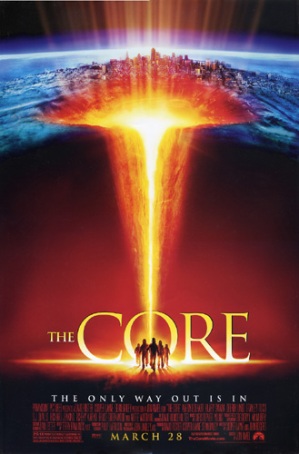
Today, I am going to take a look at one of the most infamously terrible natural disaster movies: 2003’s The Core.

The plot of The Core is summarized on IMDb as follows:

The only way to save Earth from catastrophe is to drill down to the core and set it spinning again.

The screenplay for The Core had two credited writers: Cooper Layne, who also penned the remake of The Fog, and John Rogers, who wrote Catwoman and worked extensively on Cosby and Leverage.

The Core was directed by Jon Amiel, whose other film works include Copycat, Creation, Entrapment, and The Man Who Knew Too Little. On top of that, his television credits include work on shows like The Tudors, The Borgias, Marco Polo, The Singing Detective, and Hemlock Grove.

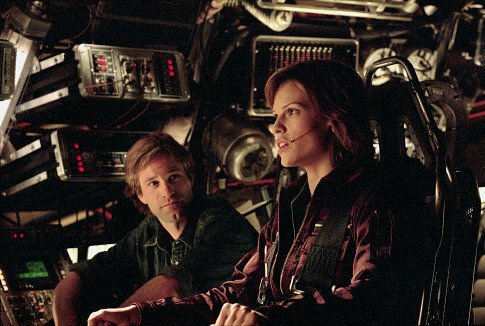
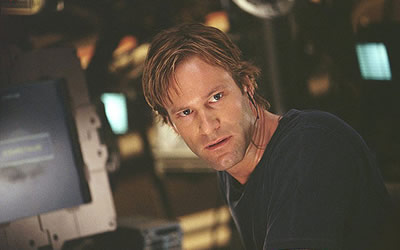
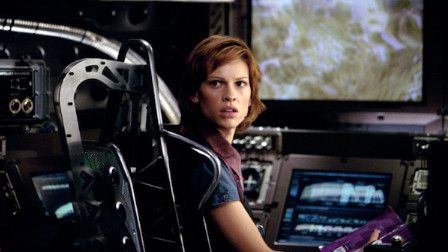
The substantial cast for the movie includes Aaron Eckhart (The Dark Knight, Thank You For Smoking, Suspect Zero), Stanley Tucci (Road To Perdition, Lucky Number Slevin, Spotlight, The Lovely Bones), Hilary Swank (Million Dollar Baby, Insomnia, Boys Don’t Cry, The Next Karate Kid), Bruce Greenwood (Star Trek, Flight), Delroy Lindo (Domino, Sahara, Gone In Sixty Seconds, Broken Arrow, Get Shorty), Tcheky Karyo (Bad Boys, The Patriot, GoldenEye), and Richard Jenkins (Bone Tomahawk, White House Down, The Cabin In The Woods, Six Feet Under).

thecore4The cinematographer for The Core was John Lindley, who also shot St Vincent, Legion, The Good Son, The Sum Of All Fears, True Believer, Field of Dreams, The Serpent and The Rainbow, Pleasantville, and Money Train. Terry Rawlings, who has cut films like GoldenEye, Entrapment, Alien, Alien 3, and Legend over his career, provided the primary editing.

The musical score for the movie was provided by Christopher Young, whose other music credits include movies like Sinister, The Rum Diary, Drag Me To Hell, Spider-Man 3, Swordfish, Rounders, Trick or Treat, and Hider In The House, among many others.

A fictitious material known as “Unobtanium” is referred to a handful of times in the movie. “Unobtanium” is essentially a short-hand code word in science-fiction to refer to a non-existent material with inexplicable powers or properties. The term will occasionally make its way into film scripts: most prominently in James Cameron’s Avatar. However, it is widely viewed as a lazy move.

At the University of British Columbia, The Core is routinely shown in a course on “Earth and Ocean Science” as a demonstration of bad science in movies. However, Bad Astronomy’s Phil Plait, who specializes in criticizing bad movie science, didn’t take as much of an issue with the movie as you might think.

The Core is essentially a high-budget remake of Deep Core, a low-budget science fiction movie from 2000 that starred Wil Wheaton, Bruce McGill, and Terry Farrell.

Made on a $60 million budget, The Core wound up with a lifetime theatrical gross of $73.5 million. While this was able to cover the costs of production on paper, it likely didn’t make much in the way of profit once advertising and post-production costs were taken into account.

thecore3Critically, The Core was instantly the victim of mockery for its outlandish concept. It currently holds an IMDb user score of 5.4/10, along with Rotten Tomatoes ratings of 41% from critics 33% from audiences, and is widely remembered as one of the goofier disaster movies of the era.

Upon a re-watch, the first thing that stood out to me about The Core is that the effects haven’t aged well: a lot of the CGI that probably looked good in the early 2000s looks like it belongs in a SyFy original movie today. While this is a testament to the speed of technological innovation, it doesn’t do the film any favors.

One of the reasons that The Core is still remembered today is because of the huge liberties it took with movie magic science. While the premise is certainly goofy, I didn’t find the bogus science nearly as distracting as I expected: the film actually does a pretty good job of immersing the audience in its exaggerated reality, and somehow it holds up the suspension of disbelief.

thecore2Aaron Eckhart, as always, is a charming lead. However, I feel like he was a bit miscast: the character was clearly written to be a bit of a helpless nerd who lacks assertiveness and confidence, and who grows from the experiences of the story. Eckhart, however, just looks too much like a movie star. Outside of his pretty awful hair cut, I didn’t find him a good fit for his character’s needs. Stanley Tucci, on the other hand, is fantastically hammy in his semi-villainous role, and was perfectly cast. Outside of those two, there are so many character actors in this movie that I couldn’t possibly list them all.  What is important, however, is that they all put in decent performances, from the top to the bottom of the cast.

Rewatching it now, one of the biggest issues I have with The Core are the excessively agonizing character deaths for generally likable characters. Typically, the more painful deaths are saved for characters with vices, or ones who have in some way earned their demise, based on their decisions or behavior. Think about how often the unlikable jocks are killed off in horror movies, for instance. In The Core, however, the two most brutal deaths are experienced by supporting characters who are, more or less, flawless. Why do these characters suffer such terrible deaths, like being slowly crushed or boiled alive? My best guess is that this was a simple way to raise the stakes of the plot, and reinforce the inherent danger of their mission. However, it definitely left me with a weird taste in my mouth. The traditional karmic wheel that mandates character deaths just doesn’t seem to be in motion.

Overall, The Core is a very shallow movie when it comes to plot and character. However, it almost makes up for it with the performances from the cast, and the sheer silliness and popcorn-friendliness of the flick. The biggest issue with the movie in retrospect are the overabundance of CGI effects, which certainly haven’t aged well. That said, I think this is a b-level blockbuster worth digging back up for a fun watch: just don’t expect much substance underneath the surface.

I Am Wrath

I Am Wrath

iamwrath1

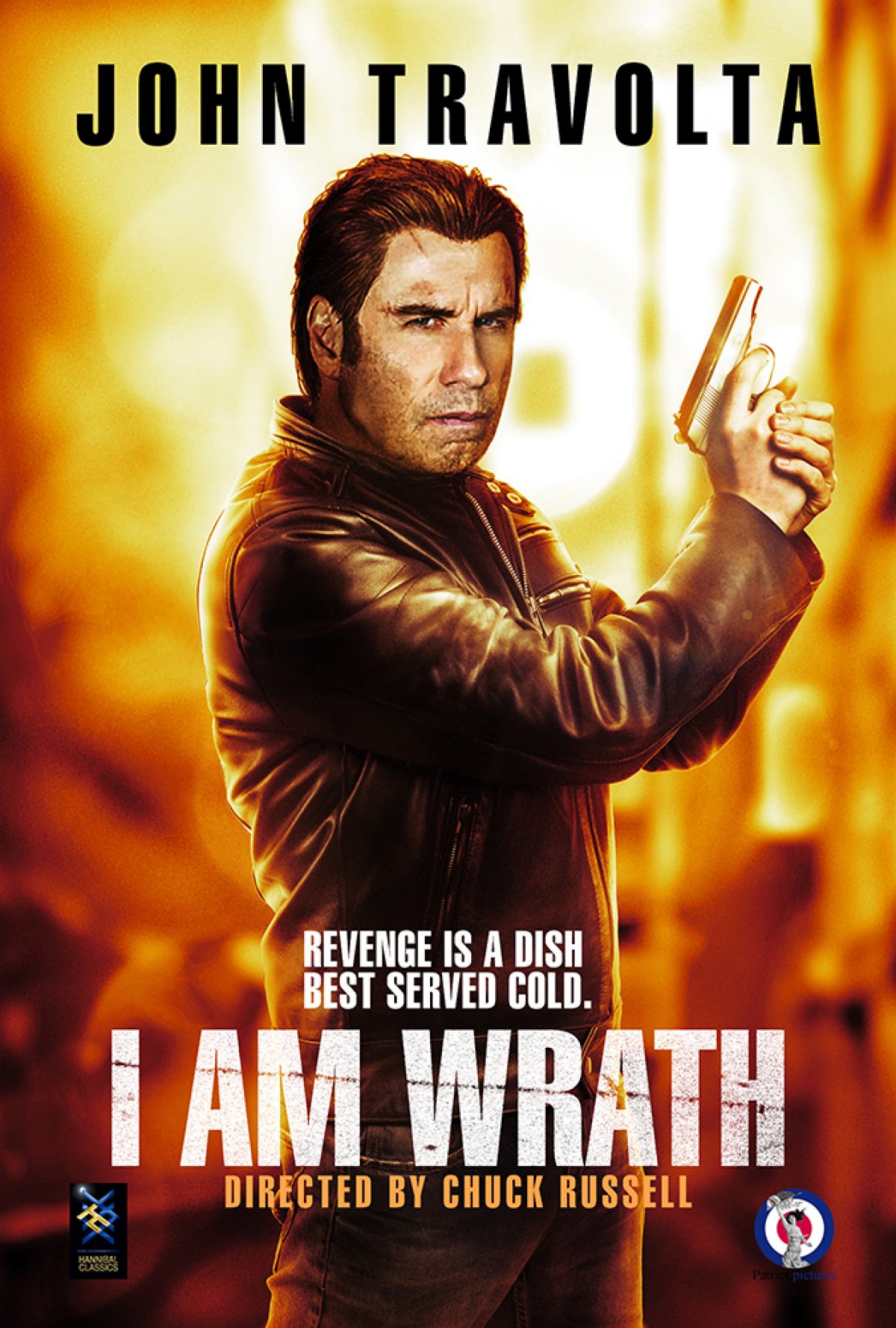
Today, I’m going to take a look at a 2016 direct-to-video action flick starring John Travolta: I Am Wrath.

The plot of I Am Wrath is summarized on IMDb as follows:

A man is out for justice after a group of corrupt police officers are unable to catch his wife’s killer.

I Am Wrath was directed by Chuck Russell, who is best known for movies like the 1988 remake of The Blob, The Mask, The Scorpion King, and A Nightmare On Elm Street 3: The Dream Warriors.

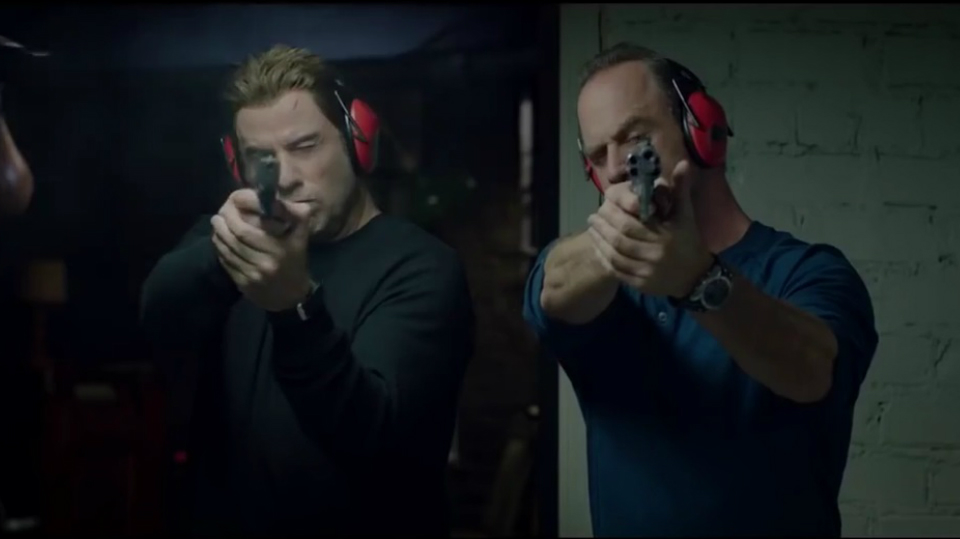
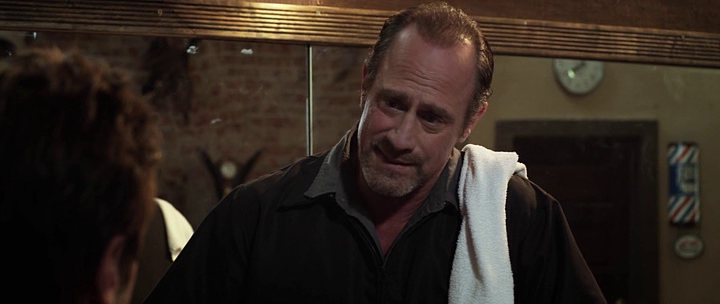
The cast for the movie is headlined by John Travolta (Pulp Fiction, Face/Off. Grease) and Christopher Meloni (Law & Order: Special Victims Unit, Man of Steel), with additional performances by Amanda Schull (Suits, Twelve Monkeys), Sam Trammell (True Blood), Patrick St. Esprit (Narcos, Sons of Anarchy), and Rebecca De Mornay (Risky Business, Wedding Crashers).

iamwrath7

The music for I Am Wrath was composed by Haim Mazar, whose other credits include The Iceman, The Taking of Deborah Logan, and the television show Teen Mom.

The cinematographer for the film was Andrzej Sekula, who shot the cult favorite movies American Psycho, Hackers, Four Rooms, Pulp Fiction, and Reservoir Dogs, and also directed the horror sequel Cube 2: Hypercube.

I Am Wrath was filmed primarily in the city of Columbus, OH, a non-typical location for a film production. A number of local landmarks show up in the movie, including the Ohio Statehouse, the illuminated arches of High Street, and the local diner chain Buckeye Donuts.

Rumor has it that the initial plan for the film was for William Friedkin, of The Exorcist and The French Connection, to direct, with Nicolas Cage in the starring role. However, numerous delays led to the eventual combination of Russell and Travolta.

The title of the film, I Am Wrath, is a reference to the Bible passage Jeremiah 6:11, which reads as follows in the New International Version of the text:

But I am full of the wrath of the Lord,
    and I cannot hold it in.

“Pour it out on the children in the street
    and on the young men gathered together;
both husband and wife will be caught in it,
    and the old, those weighed down with years.

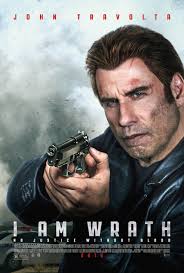
Upon their release, the promotional images and posters for I Am Wrath were the subject of widespread online mockery for their incompetent and awkward construction.

iamwrath5
“this…has left me at a complete loss for words. All I can do is implore you to share this post with as many people as possible. The world needs to know.” – Scott Wampler, Birth.Movies.Death.

I Am Wrath ultimately released straight to video, and was not received warmly. It currently holds Rotten Tomatoes scores of 11% from critics and 34% from audiences, along with an IMDb user rating of 5.3/10.

For the past few years, I have been living and working in Columbus, OH, so I happened to be around while I Am Wrath was filming locally. Outside of a few blips in the news about John Travolta being in town for a role, I didn’t hear a whole lot about it. However, it was interesting to see familiar locations on screen while watching the movie: for folks in New York or Los Angeles, that is probably no big deal, but seeing Columbus on screen was kind of bizarre.

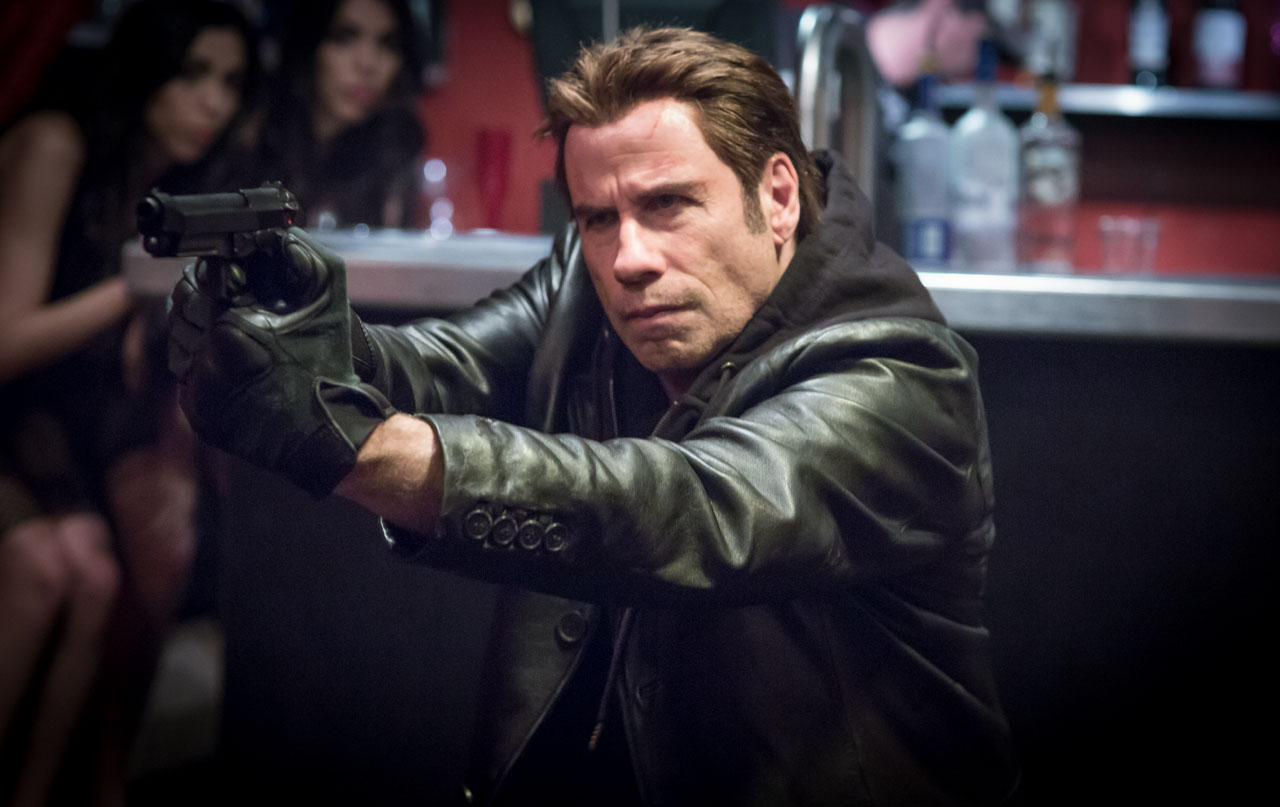
Despite a handful of interesting visuals peppered throughout the movie, I Am Wrath is far and away dominated and defined by its central performances. Unfortunately, thanks to John Travolta’s half-sleepwalking rendition of a mercenary / car factory administrator, the movie is all the weaker because of it. That said, Christopher Meloni provides the film with an iota of charm and levity with his improvised wit, though he is woefully missed when not on screen (which is, unfortunately, often). Meloni, unlike Travolta, seems to understand the schlock that he is wrapped up in, and leans into the absurdity of the situation, and clearly enjoys his tough guy routine.

iamwrath6

Travolta, by contrast, is a black hole: a human-shaped void that made me question if this was the same hammy scenery-chewer I remembered from Face/Off, Swordfish, and Battlefield Earth. Say what you will about any of those performances, but the guy was never lacking in passion or enthusiasm in those roles.

Beyond Travolta’s banal lead performance, the biggest issue with I Am Wrath is almost certainly the screenplay, which is basically a paint-by-numbers revenge plot. There are a few things I liked about it, though: for instance, there’s a RoboCop-like dynamic between some of the villains, which is always nice to see. However, there is also a lot of bad dialogue, and way too much information is revealed far too blatantly for the message to have much of a punch. Worst of all, I think the I Am Wrath screenplay has one of the most egregious and hilarious examples of a placeholder character name making it all the way to the final draft: Governor Merserve, the self-serving Governor. That’s just inexcusable.

iamwrath3

Honestly, I wish there was something to recommend about I Am Wrath. Unless you are a big fan of Christopher Meloni, or a Columbus local interested in seeing the city on screen, there just isn’t anything compelling here. Even the action sequences aren’t terribly enthralling, and are by and large forgettable. If you want a cheesy action movie, look into whatever Nic Cage has out this week, and give this one a pass.