Category Archives: Uncategorized

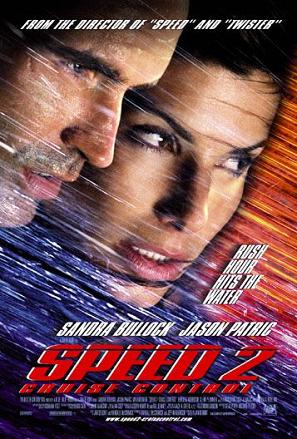
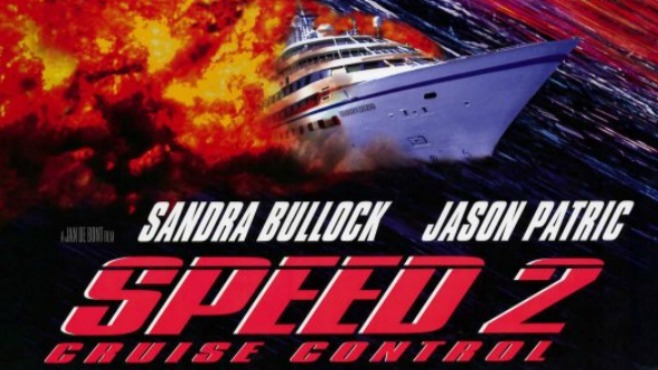
Speed 2: Cruise Control

Speed 2: Cruise Control

speedtwo1

Today’s feature is yet another truly reviled, unnecessary sequel: “Speed 2: Cruise Control.”

“Speed 2” was directed, produced, and co-written by Jan De Bont, who has had a significant career as both a director and a cinematographer, working on such films as “Roar,” “Twister,” “The Haunting,” and “Leonard Part 6.” The screenplay writing credit for “Speed 2” was given to two other people: Randall McCormick (“Titan A.E.,” “The Scorpion King 2,” “The Scorpion King 3”) and Jeff Nathanson (“Catch Me If You Can,” “Rush Hour 2,” “Rush Hour 3”).

Character creation credit for “Speed 2” was given to the writer of “Speed,” Graham Yost (“Mission to Mars,” “Justified”), who was apparently bumped from the creative side of “Speed 2” early on in the project due to a difference of vision from De Bont.

The cinematographer for “Speed 2” was Jack N. Green, who also shot such movies as “Unforgiven,” “The Net,” and, more recently, “Hot Tub Time Machine.”

The musical score for “Speed 2” was provided by Mark Mancina, who has composed music for such films as “Space Mutiny,” “Con Air,” and “Twister.”

The editor for “Speed 2” was Alan Cody, who has cut a number of comedy movies like “Corky Romano” and “Inspector Gadget.”

The massive special effects team for “Speed 2” included Mike Reedy (“Daredevil,” “RoboCop 3,” “TRON”), Tom von Badinski (“Epic Movie,” “Waterworld”), Al Broussard (“Mimic,” “Volcano”), Paul Stewart (“Tango & Cash”), Bruce Robles (“Lethal Weapon,” “Virtuosity”), Al Di Sarro (“Predator”), Craig Barnett (“Deep Blue Sea,” “Congo”), David Eland (“Cellular”), Mike Sasgen (“Torque,” “Demolition Man”), Timothy Vierra (“Small Soldiers”), Michael Tice (“Toys,” “Jaws: The Revenge”), and many, many others.

The visual effects team for “Speed 2” included numerous members of Industrial Light and Magic and Rhythm and Hues, two highly acclaimed effects studios. The film’s team thus had common elements with such productions as “Minority Report,” “Congo,” “Small Soldiers,” “Hudson Hawk,” “Titanic,” “Avatar,” “Pacific Rim,” “The Golden Child,” “Antz,” “Shrek,” “Deep Blue Sea,” and “Star Wars: Episode I.”

Aside from Jan De Bont, the other producers for “Speed 2” were Mark Gordon (“League of Extraordinary Gentlemen,” “Speed”), Steve Perry (“True Romance,” “Road House”), Michael Peyser (“Hackers”), and Glenn Salloum (“Twister,” “SLC Punk”), who was also De Bont’s longtime assistant.

The three art directors for “Speed 2” were William Ladd Skinner (“Rocky IV,” “Heaven’s Gate,” “1941,” “Rollerball”), Daniel Ross (“Casino,” “Jingle All The Way”), and Dan Olexiewicz (“American History X”).

Astoundingly, due to the amount of shooting necessary for “Speed 2”, the production necessitated a first assistant director, a second unit director,  a first assistant director for the second unit, a second assistant director, a second assistant director for the second unit, and two second second assistant directors. Try listing all of those credits three times fast.

The cast of “Speed 2” is headlined by Sandra Bullock (“The Net,” “Demolition Man”), Willem DaFoe (“Shadow of the Vampire,” “Mississippi Burning”), Jason Patric (“Sleepers,” “The Lost Boys”), Temuera Morrison (“Star Wars: Episode II,” “Green Lantern”), Bo Svenson (“Walking Tall Part II”), and Brian McCardie (“Filth,” “Rob Roy”).
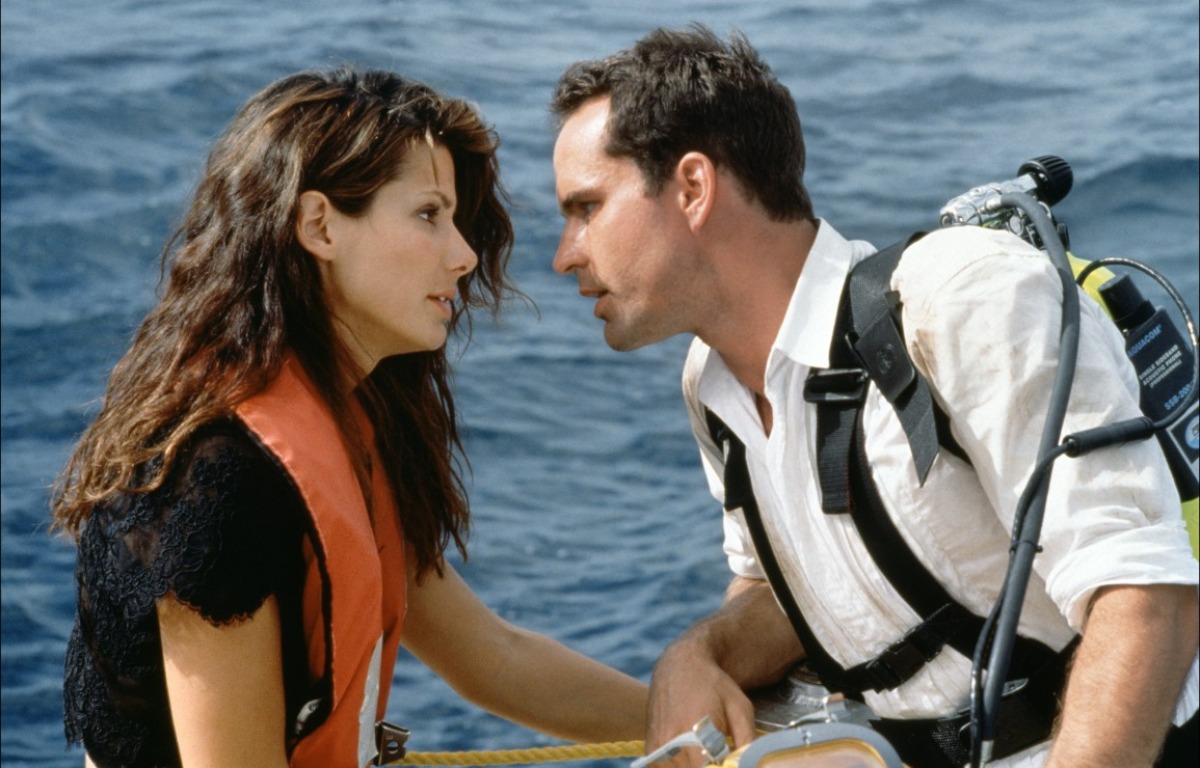
speedtwo3The story of “Speed 2” picks up with Sandra Bullock’s character a number of months after the events of “Speed.” Keanu Reeves is long gone, and she is well into a new relationship. The new boyfriend, in an attempt to propose to her, decides to surprise her with a cruise vacation. Unfortunately, their ship is highjacked, and it is up to the couple to save the passengers from a raging computer genius with an axe to grind with the cruise line company.

Keanu Reeves was initially supposed to return and reprise his role from “Speed,” and the screenplay was written with that in mind. However, he turned it down, choosing specifically to not do another action movie. Bafflingly, there were almost no changes to the script after he declined, making the central romantic plot thoroughly confusing throughout the film.

Keanu’s departure also meant that the production was thrown into a bit of a casting pickle. Before Jason Patric was settled on, Matthew McConaughey, Jon Bon Jovi, and Christian Slater were all apparently considered for the lead role.

One of the key differences between “Speed” and “Speed 2” is the amount of attempted humor, which is apparently something that Jan De Bont specifically pushed for to differentiate the film from “Speed.”

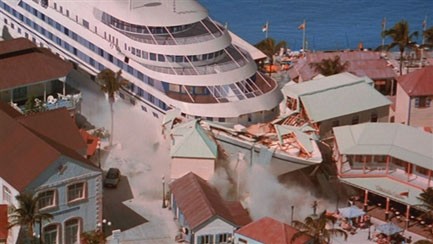
The dramatic finale sequence, in which the cruise ship runs aground through a coastal town, reportedly cost $25 million on its own, making it the most expensive stunt in history at the time. The entire town was built from scratch, and the entire front of the ship portrayed was real (it was run on an underwater rail), with only the back half being filled in with computer generation for the sequence.
speedtwo4Sandra Bullock has gone on record as saying that “Speed 2” is “the biggest piece of crap ever made,” a claim that many critics and audiences might agree with. The reception for “Speed 2” was incredibly poor, earning Rotten Tomatoes scores of 3% (critics) and 16% (audience), along with an IMDb rating of 3.7. However, Roger Ebert and Gene Siskel both surprisingly gave the film positive reviews, going against the popular grain.

The budget for “Speed 2” was an outlandish (for the time) estimated $160 million. Through its theatrical run, it managed to pull in a tiny profit, grossing $164 million total. Interestingly, over 70% of the total gross came from foreign markets, and it was considered a major disappointment domestically in spit of making some money.

My biggest issue “Speed 2” is that Bullock’s character is immensely unlikable. The problem is primarily due to how much the screenplay tries to use her for comic relief, which she rarely pulls off. Part of that is on Bullock, but most of it is definitely the fault of the writing, which provides awful stilted dialogue throughout the film. That bad writing also negatively effects the relationship chemistry between Patric and Bullock, which the fans of the first movie are mostly already pulling against due to their attachment to Keanu’s character.

Unfortunately for the film, the absence of Keanu Reeves is constantly evident. Jason Patric, shockingly, lacks the same on-screen presence and charisma that Reeves provided, and Keanu isn’t exactly an inspiring figure to start with. If the movie hadn’t been a contractual obligation, Keanu’s decision not to return should have killed it before filming ever started.
speedtwo2“Speed 2” clocks in at roughly 2 hours, much longer than most would be willing to devote to a movie about a boat slowly inching towards a stationary object. The film could clearly have been cut better, and the pacing throughout the finale feels like the team was afraid to cut anything because of how expensive it all was. Frankly, the whole ending sequence seems to drag on indefinitely, with numerous false conclusions that make “Leviathan” look like a masterpiece.

One of the most baffliing aspect of “Speed 2” is how many people supposedly fail to see a gigantic cruise ship bearing down on them. The film features water skiers, sailboats, and pedestrians not noticing the presence and roar of a cruise ship until it is literally feet away from them, which is asking a little much from the audience’s suspension of disbelief. Speaking of which, the unspoken death toll from the events of the film must have been massive, given the number of buildings and watercraft crushed beneath the ship.

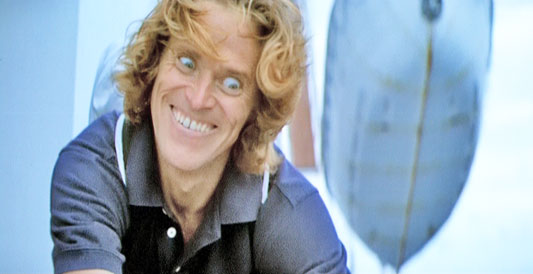
Overall, “Speed 2” certainly isn’t a good movie. Ironically, its biggest sin is being too slow, but the writing certainly didn’t do it any favors. The finale is a spectacle I suppose, but one that drags on a little too long for my taste. That said, Willem DaFoe hams his role up immensely, and livens up his segments.
speedtwo5When it comes to making a recommendation on “Speed 2,” I want to leave readers with a quick excerpt from Roger Ebert’s positive review. Despite the film’s flaws, he has a good point here:

Is the movie fun? Yes. Especially when the desperate Bullock breaks into a ship’s supply cabinet and finds a chainsaw, which I imagine all ships carry. And when pleasure boaters somehow fail to see a full-size runaway ocean liner until it is three feet from them. Movies like this embrace goofiness with an almost sensual pleasure. And so, on a warm summer evening, do I.
Breakfast of Champions

Breakfast of Championsbreakfastofchampions1

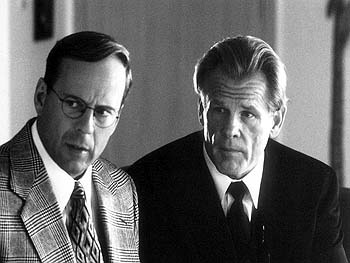
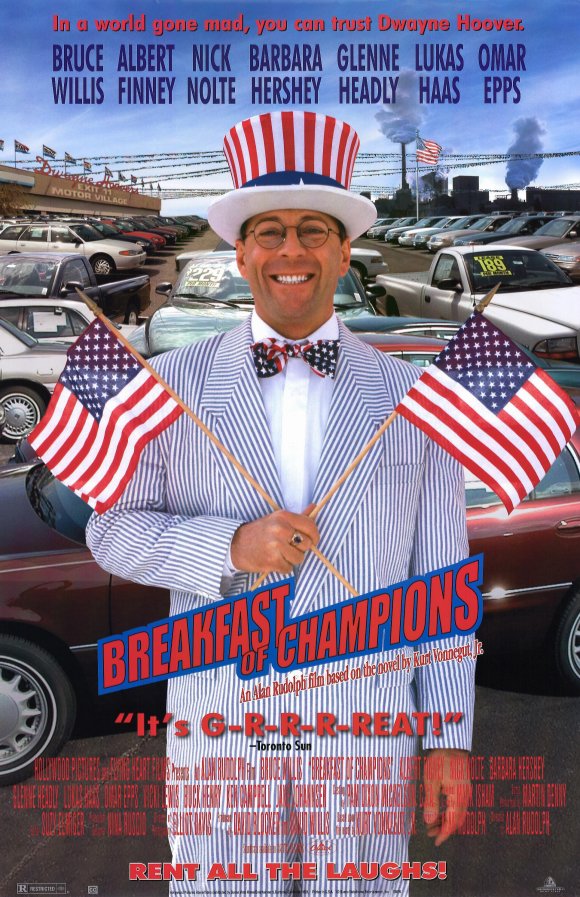
Today’s feature is the ill-received adaptation of Kurt Vonnegut’s lauded novel “Breakfast of Champions,” starring Bruce Willis and Nick Nolte.
“Breakfast of Champions” was written for the screen and directed by Alan Rudolph (“Buffalo Bill and The Indians,” “Afterglow,” “Mrs. Parker and the Vicious Circle”), based on the famous and acclaimed surreal novel by Kurt Vonnegut.

The cinematographer for “Breakfast of Champions” was Elliot Davis, who has done shooting work since for films like “Twilight,” “Legally Blonde 2,” “Lords of Dogtown,” and “Finding Graceland.”

The effects team for “Breakfast of Champions” included Chris Wells (“Torque,” “Looper,” “Captain America: The First Avenger”), Robert Stromberg (“Battlefield Earth,” “Fortress”), Richard Ivan Mann (“Spider-Man 3,” “The Happening,” “Tank Girl”), Steven Fagerquist (“From Justin To Kelly,” “The Terminator,” “Van Helsing”), Mark Breakspear (“The Last Airbender,” “Thor: The Dark World,” “American Sniper”), Rob Blue (“The Faculty,” “Small Soldiers,” “Bad Boys II”), Ray Brown (“Class of 1999,” “Ultraviolet”), and Bob Riggs (“Next,” “Green Lantern,” “Rush Hour 3”).

breakfastofchampions5The producers for “Breakfast of Champions” included David Blocker (“Frailty,” “Into The Wild”),  W. Mark McNair (“Into The Storm,” “Joy Ride”), and Bruce Willis’s brother David Willis (“Hudson Hawk,” “The Kid”), as well as Willis’s frequent producer and assistant Stephen J. Eads (“The Whole Nine Yards,” “Bandits”).

The editor for “Breakfast of Champions” was Suzy Elmiger, who has also cut films such as “Movie 43” and “Feel The Noise.”

The music for “Breakfast of Champions” was composed by Academy Award nominee Mark Isham, who also provided music for films such as “Next,” “Timecop,” “Point Break,” “The Cooler,” “Quiz Show,” and “A River Runs Through It.”

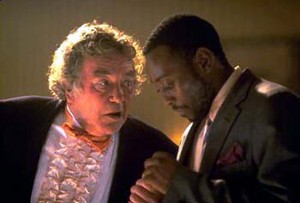
The cast for “Breakfast of Champions” is actually pretty impressive, headlined by Bruce Willis and Nick Nolte (who had previously starred in another Vonnegut adaptation, “Mother Night”). The accessory cast includes Albert Finney (“Skyfall,” “Erin Brockovich”), Barbara Hershey (“Insidious,” “Falling Down”), Glenne Headly (“ER,” “Dick Tracy”), Lukas Haas (“Brick,” “Inception”), Omar Epps (“House,” “Dracula 2000”), Vicki Lewis (“Mousehunt,” “Godzilla”), Buck Henry (“Catch-22,” “The Graduate”), Owen Wilson (“Anaconda,” “Inherent Vice”), Will Patton (“Gone In 60 Seconds,” “The Postman”), Chip Zien (“Howard The Duck”), Michael Jai White (“Spawn,” “The Dark Knight,” “Black Dynamite”), and Michael Clarke Duncan (“Daredevil,” “The Green Mile”), among others.

breakfastofchampions4The story of “Breakfast of Champions” primarily follows a used car dealer who is rapidly descending into madness, though segments also spotlight a struggling eccentric author and an assortment of other local characters in a Midwestern town.

An intriguing number of cast members in “Breakfast of Champions” also appeared in the previous year’s blockbuster, “Armageddon,” including Bruce Willis, Michael Clarke Duncan, Will Patton, Owen Wilson, Ken Hudson Campbell, and Shawnee Smith.

breakfastofchampions2“Breakfast of Champions” had a production budget of $12 million, and didn’t even gross 500,000 in a very limited theatrical release, making it a massive bomb. It was also incredibly poorly received, earning a 4.6 rating on IMDb, along with Rotten Tomatoes scores of 32% (audience) and 26% (critics). Kurt Vonnegut himself has apparently claimed that the film is “painful to watch.”

The Entertainment Weekly review of “Breakfast of Champions” written by Owen Gleiberman included the following criticism of the film:

What thrived in the book was Vonnegut’s portrait of post-counterculture America turned into an ironic landscape of happy-face consumerism. Rudolph, in an act of insane folly, seems to think that what matters is the story. The result could almost be his version of a Robert Altman disaster — a movie so unhinged it practically dares you not to hate it.

Admittedly, “Breakfast of Champions” is clearly a difficult source material to adapt to the screen. However, Gleiberman hits on one of the key problems with this attempt: the story of the novel doesn’t matter nearly as much as the atmosphere and the tone, which are the elements that the film somehow totally manages to miss. The odd charm and screwball cynicism didn’t make the jump from the page to the screen here, even if the gist of the story did.

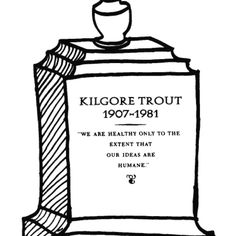
breakfastofchampions3To the credit of the filmmakers, there was at least an attempt to integrate the distinctive illustrations from the book into the film, but they just didn’t work in the same way. A lot of the humor of the novel comes in the form of the various descriptions of the sketches, which never comes through in the movie. The story and characters written by Vonnegut often require a lot of internal dialogue, which can be difficult to pull off on screen. Of the Vonnegut film adaptations I have seen, “Mother Night” does it the best, but it also doesn’t have to deal with the burden of being comedic.

breakfastofchampions6 breakfastofchampions7I’ve noticed that some people have praised Bruce Willis’s performance in the film, but I personally feel like he was strangely cast and not quite suited for the dramatic elements of the role. Throughout the movie, he seems to struggle in portraying the emotional spectrum and sporadic instability of his character. On the other hand, I thought Nick Nolte was fantastic in his seemingly limited screen time in the film, and was the only thing keeping me at all invested in the movie.

Some have claimed that “Breakfast of Champions,” for all of its flaws, is a striking visual movie. Personally, I couldn’t disagree with that assessment more. The movie just looks bad, particularly when there are any surreal special effects called for. They would have been better off not using effects at all than having ones that make the movie look cheap, which is what the case ultimately was here.

Overall, “Breakfast of Champions” fails to capture the surreal comedy of the source material, and winds up being a pretty dull watch. There are some decent performances, but the total sum product is nonsense in the worst possible way. I don’t recommend giving it a watch unless you are a die hard Vonnegut fan, or are just deathly curious.

Mac And Me

Mac And Me

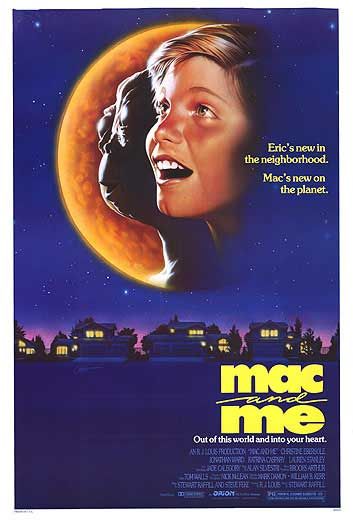
macme1

Today’s feature is the infamous McDonald’s commercial and “E.T.” knockoff, “Mac And Me.”

“Mac And Me” was written and directed by Stewart Raffill, who is best known for the films “Mannequin: On The Move” and “The Philadelphia Experiment.” The film was also co-written by Steve Feke, who has penned such flick as “When A Stranger Calls” and “Poltergeist III.”

The effects team on “Mac And Me” included Joseph Yanuzzi (“Ghost Dad,” “Saturday the 14th”), Steven James (“Leviathan,” “The Monster Squad”), William Forsche (“Dead Heat,” “Dolls,” “From Beyond”), and Martin Becker (“Suburban Commando”).

The cinematographer for “Mac And Me” was Nick McLean, who also shot movies like “Spaceballs,” “The Goonies,” and “Stroker Ace.”

The score for “Mac And Me” was provided by Alan Silvestri, who has accrued well over 100 composing credits for films including “Van Helsing,” “Super Mario Bros.,” “The Avengers,” “Forrest Gump,” and “Predator 2.”

The editor for “Mac And Me” was Tom Walls, who has cut a handful of movies including “Bachelor Party,” “House Party 3,” and “Surf Ninjas.”

One of the producers on “Mac And Me” was Mark Damon, who was a driving force behind the loathed “It’s Alive” remake, as well as films like “Short Circuit” and “The Lost Boys.” Another producer was R.J. Louis, whose credits include “Vegas Vacation” and “The Karate Kid.”

The cast for “Mac And Me” includes Christine Ebersole (“The Wolf Of Wall Street”), Jonathan Ward (“Steel Magnolias”), Danny Cooksey (“Salute Your Shorts,” “Diff’rent Strokes”) Laura Waterbury (“Better Off Dead…”), Bud Ekins (“The Next Karate Kid”), and George Flower (“Maniac Cop,” “They Live,” “The Fog”). In the background, sharp eyes might spot Jennifer Anniston (“Leprechaun”) in her first on-screen appearance, as well as Andrew Divoff of “Wishmaster” and “Air Force One.”

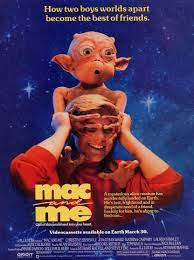
The story of “Mac And Me” follows a family of alien lifeforms who become stranded on Earth, and have to find a way to escape from evil scientists from NASA who want to experiment on them. As you might expect, they befriend a kind-hearted band of children along the way and become involved in an assortment of shenanigans.

macme3

“Mac And Me” has regained a degree of cult notoriety thanks to the Hollywood actor Paul Rudd, who has repeatedly played a specific clip from the movie whenever he has appeared on Conan O’Brien’s late night talk shows.

“Mac And Me” is probably the best known of the many “E.T.” knockoffs that spawned throughout the 1980s, which include other infamous films like “Nukie” and “Pod People.”

The infamous dance scene in “Mac And Me” was filmed in a McDonald’s constructed specifically for filming purposes, and has been used for commercials, films, and training videos.

“Mac And Me” was made with a profit sharing agreement with Ronald McDonald Children’s Charities. Unfortunately, the film was a financial disappointment, failing to make a profit on its estimated $13 million budget, grossing just under $6.5 million in its total theatrical run.

“Mac And Me” won two Golden Raspberries at the 1988 Razzie Awards, but ultimately lost worst feature to “Cocktail” in a competitive year that also featured the much-loathed sequel “Caddyshack II.”

“E.T. and Me” was the initial planning title for the screenplay that became “E.T.,” and was clearly the inspiration for the title of “Mac And Me.”

Apparently, both Kim Basinger and Anjelica Huston declined offers to play the lead role in “Mac And Me,” with Basinger choosing to instead star in “My Stepmother Is An Alien,” another awful alien-themed comedy movie.

The reception for “Mac And Me” was astoundingly poor, and the film currently hold an astounding 0% critics score on Rotten Tomatoes. The audience score is a still-awful 38%, which lands along the same lines as the IMDb rating of 3.4.

One of the most frequent criticisms of “Mac And Me” that I have seen focuses on the flagrant product placement that is inserted throughout the film for companies and products such as McDonald’s, Sears, and Coca-Cola. The presence of product placement is more or less a staple in modern film-making, but “Mac and Me” lacks any degree of subtlety about the practice, placing it in an elite echelon with films like “Foodfight!” and “Torque.” Audiences will tolerate and even embrace a slight degree of product placement, but the more evident it is, the more people are likely to take issue with it. The fact that “Mac And Me” was already obviously a financial rip-off of another movie didn’t exactly give audiences or critics the incentive to be charitable, and people were brutal in their complaints about the excessive advertising in the film. One critic went to far as to refer to the film as “a 99-minute commercial occasionally interrupted by a not-so-good children`s movie.”

macme2

It should come as no surprise, but the acting in “Mac And Me” is astoundingly terrible. This is partly due to the fact that so much of the acting load is put on to children, who are prone to be awful actors to begin with. However, the kids in “Mac And Me” struck me as awful even by child acting standards, and are honest difficult to watch and listen to.

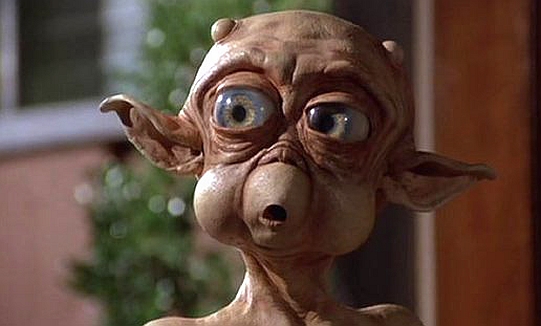
The alien designs and effects in “Mac And Me” are frankly awful. “E.T.” wasn’t an attractive alien by any means, but he looks like a work of art next to the rubbery, bizarre appearance of the “Mac And Me” walking nightmare creatures. For a movie like this, the creatures should be a focal point with an immense amount of effort and care dedicated to them. Instead, it looks like the aliens were afterthoughts in “Mac And Me”, and even look worse than b-movie stop motion aliens from films like “Laserblast,” which was released a whole ten years before “Mac And Me” (on what was certainly a lower budget).

“Mac And Me” is, of course, a truly shameless ripoff of “E.T.,” and wasn’t even particularly well timed for a typical ‘mockbuster’ aiming to profit on the coat tails of a big budget success. I just can’t fathom how it took 6 years to get an “E.T.” imitation out into theaters, and why anyone thought it would be a recipe for success after so many years had passed? For comparison, most of today’s ‘mockbusters’ come out around the same time as the DVD release for their target movie, in the hopes that people will confuse it with the hit (such as “Transmorphers” and “Transformers”). At most, the gap between the blockbuster and the mockbuster is a year.

Overall, “Mac And Me” is a visually painful and intellectually dull experience, but it certainly holds a place in film history. The product placement and alien suits almost need to be seen to be believed, and I would consider it a justified “good-bad” classic for the sheer amount of wrong-headedness required on the part of the production and creative teams for “Mac And Me” to ever happen. For fans of bad movies, “Mac And Me” is worth checking out, but the experience isn’t necessarily going to be fun or enjoyable. It is more like required reading.

Roar

Roar

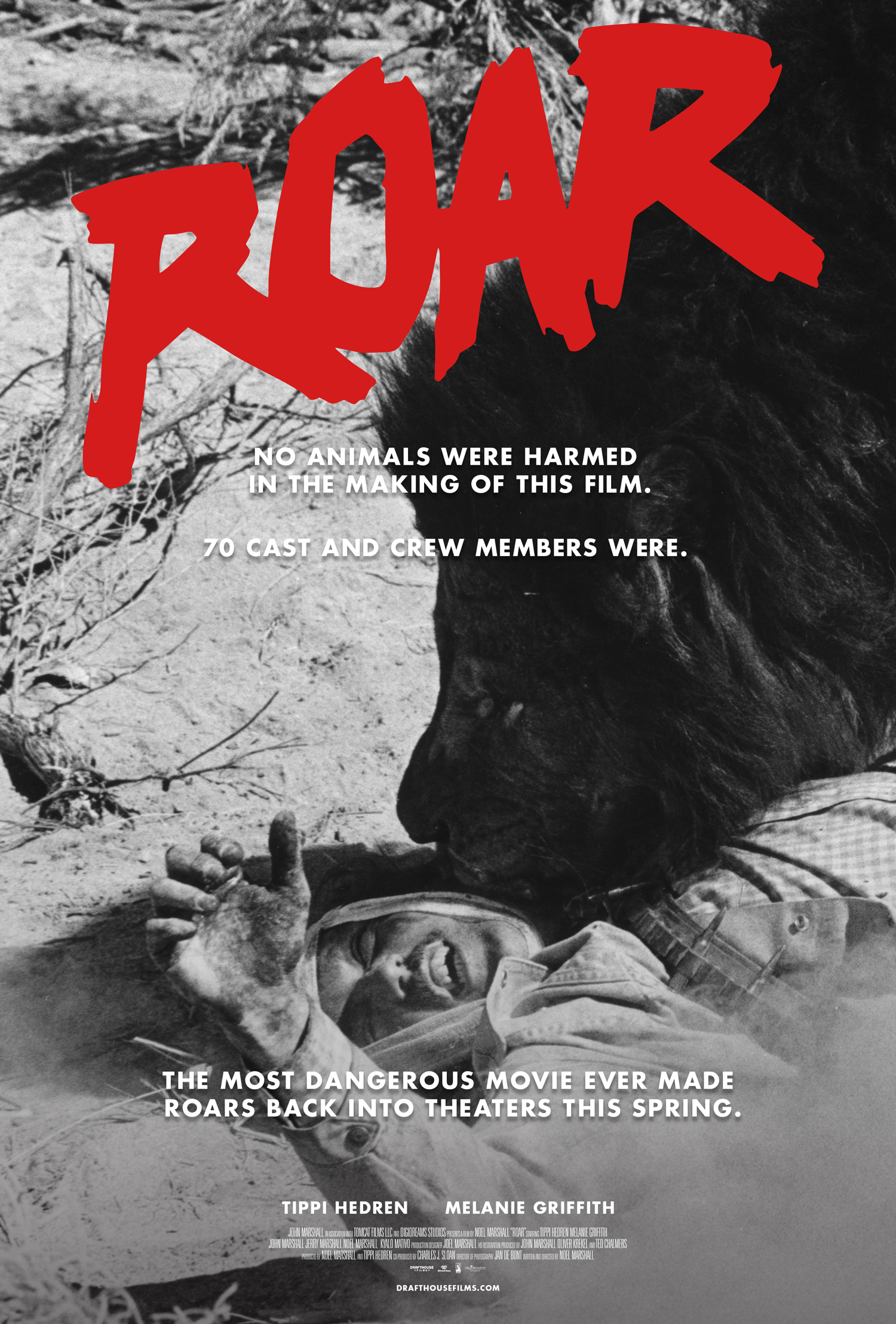
roar4

Today’s feature is a bit of a curiosity, in that it is possibly the most dangerous movie ever filmed: 1981’s “Roar,” starring Tippi Hedren, Melanie Griffith, and a shit-ton of lions. Many thanks to the Gateway Film Center for screening the film, and the Alamo Drafthouse for helming the re-release.

“Roar” was written, directed, and produced by Noel Marshall, who is best known for acting as a producer on “The Exorcist” and a handful of other pictures, as well as being the husband of the famed actress Tippi Hedren (who also starred in and produced “Roar”).

The cinematographer and supervising editor on “Roar” was Jan De Bont, who went on to become a successful director and director of photography on some significant Hollywood movies (“Leonard Part 6,” “Speed,” “Speed 2,” “Twister,” “Die Hard,” “The Hunt For Red October”).

The distinctive music for “Roar” was composed by Terrence Minogue, who has no other credited film work. It was performed, however, by the National Philharmonic Orchestra, a recording orchestra out of London that can be heard on soundtracks for movies such as “Supergirl,” “Alien,” “Total Recall,” and “The Exorcist.”

One of the other producers on “Roar” was Banjiro Uemura, who also later produced the Hayao Miyazaki classic animated film, “Spirited Away.”

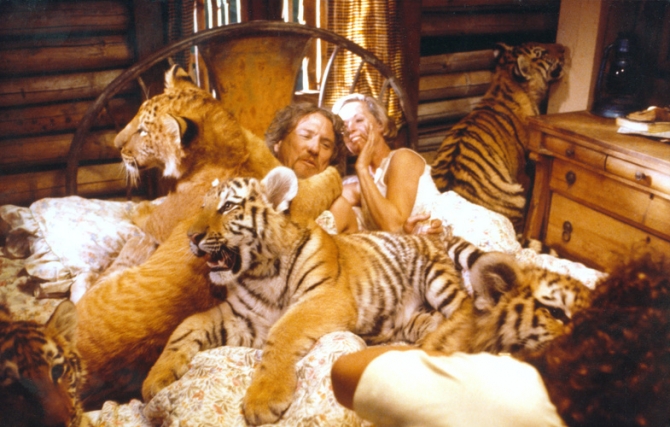
“Roar” was filmed at a southern California ranch owned by Tippi Hedren and Noel Marshall, where the family for years acquired and raised countless big cats, and lived alongside them not unlike as depicted in the film.

The cast of “Roar” was a true family affair, headlined by Tippi Hedren and director Noel Marshall, who also acted as the primary financiers for the film. Most of the rest of the cast is filled out by their children: John Marshall, Jerry Marshall, and the later Hollywood star and two-time Golden Raspberry winner Melanie Griffith (“Working Girl,” “Body Double,” “Bonfire of the Vanities,” “Crazy in Alabama”).

The story of “Roar” centers around a family traveling to visit their radical big cat researcher father, who is embedded with a pride of lions while simultaneously introducing an assortment of foreign wild cats into the pride. Just before the family arrives, a new, aggressive lion arrives to challenge the balance and leadership of the pride, putting the family in significant danger.

roar1

“Roar” is likely best remembered due to the multiple attacks and maulings that occurred on set during filming. Noel Marshall at one point had to be hospitalized for his wounds, which reportedly required years to recover from. He was also bitten through his hand in a sequence that remained in the finished film. Likewise, Melanie Griffith required plastic surgery after the film, and reportedly fifty stitches to her face. The assistant director, Doron Kauper, was nearly killed after one of the lions tore open his neck and attacked his face. John Marshall reportedly needed over fifty stitches to repair a wound from a lion bite. Tippi Hedren not only broke a leg after falling off of an elephant, but also needed more than thirty stitches after being bitten on the back of her head by a lioness. Reportedly, Tippi Hedren has said of the experience of being bitten by a lion:

“Let me tell you, it hurts when you’re bitten by a lion. It’s not only that you may have an open, gaping wound, plus shock, but the pressure of those enormous jaws is so strong that it hurts”

“Roar” ultimately took over a decade to actually complete from writing to release, partially due to the death of a number of the lions in the wake of a tragic flood of the property resulting from a local dam break.

The idea for the story of “Roar” was apparently conceived of by Hedren and Marshall while making a movie in Africa, during which they discovered an abandoned house on a wild game reserve that had become overrun by a pride of lions. The financial success of the 1966 lion-centric movie “Born Free” also seemed to signal that the idea could be financially viable.

roar2

Tippi Hedren later founded the Roar Foundation, which supports the Shambala Reserve for wild and endangered cats in Acton, California (many of which have descended from the cats used in “Roar”). Hedren is now a staunch animal rights activist who opposes the private ownership of big cats, and regrets letting her family live in proximity to the dangerous animals. She wrote a book about the making of the movie in 1985, called “Cats of Shambala.”

In 2015, the Alamo Drafthouse produced a re-release of “Roar” that marked the first time that the movie has hit American theaters. The initial release of the film only played in international markets, grossing only $2 million of the reported $17 million budget.

roar5

The reception for “Roar” was understandably mixed. The film is more of an astounding spectacle and experience than it is a sensible motion picture, which has led to it receiving Rotten Tomatoes scores of 70% (critics) and 58% (audience), along with an IMDb rating of 6.4.

It is really hard to view and analyze “Roar” like one would a typical motion picture, because it is truly impossible to separate the film from its astounding back story and the shock of seeing the experience on screen.

roar3

From the point of view of looking at “Roar” like a standard film, it is just terrible. Plot lines are dropped (what happened to the disgruntled poachers?), the story is nonsense, and the acting (can you really call it acting?) is pretty atrocious on the part of the Marshalls. The pacing and shots are generally jarring as well, because the film was very much dictated by the cats’s behavior, which was naturally erratic and unpredictable, something that is explicitly acknowledged in the credits. The entire film feels like a sequence of shots that were aimlessly strung together in the editing stage, which is a film-making practice that typically only Terrence Malick can get away with.

“Roar” is very obviously a message movie, which is a bit confusing and wrong-headed given how violent the large cats are over the course of the story. There is also a lot of genre confusion, in that the film was not portrayed or marketed as a horror movie, despite how terrifying the product is to watch. The story tries to play off the conclusion as peaceful, with the humans adapting to living around the lions in peace, which frankly makes no sense after all of the chaos and violence that they have inflicted on the family.

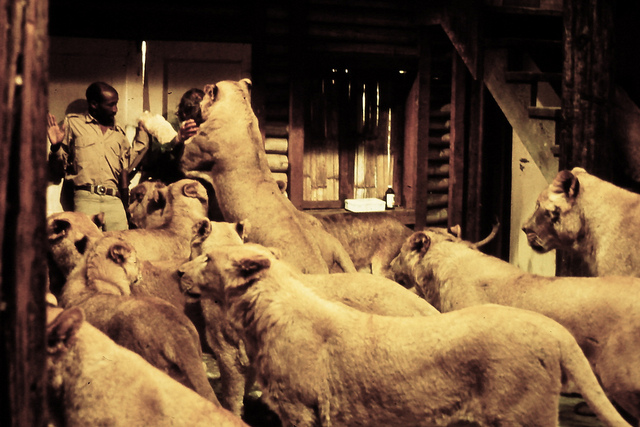
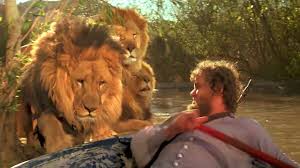
Speaking of which, the only character who reacts to the various dangerous animals like a human actually would is Mativo, a supporting character who spends most of his time trying to get his coat back from an assortment of deadly animals. However, even his terror at the cats is overcome by the end of the film, when he joins the family in cuddling and playing with the pride of lions. At the very least, he should be upset at the fact that the cats absolutely destroyed his jacket, and also managed to sink his boat.

Overall, despite the fact that “Roar” is a pretty awful movie by film standards, I consider it a must-see for movie fans. It isn’t a film so much as it is a shocking and baffling visual experience, which is one of the most honestly terrifying things that I have ever watched. I don’t consider it “so bad it is good” like most of the films I cover, but more as a truly unique experience that belongs more in a category with films like “Cannibal Holocaust” that are defined by their back story, rather than the product on screen.

Predator 2

Predator 2

predator21

Today’s feature is the urban jungle set follow-up to the action classic “Predator”: “Predator 2,” starring Danny Glover and Gary Busey.

“Predator 2” was written by Jim Thomas and John Thomas, the same duo that penned the original “Predator.” However, the screenplay went through a number of different forms, primarily based on the casting, which I will dig into a little bit later.

“Predator 2” was directed by Stephen Hopkins (“A Nightmare on Elm Street 5,” “Lost in Space”), after “Predator” director John McTiernan priced himself out of the production. The cinematographer for “Predator 2” was Peter Levy, who worked on other films such as “Lost in Space” and “Torque” over his career.

The music for “Predator 2” was once again provided by Alan Silvestri (“Predator,” “Forrest Gump,” “Van Helsing,” “Super Mario Bros.,” “Mac & Me”), who modified the original “Predator” theme to include new instruments to reflect the change of location and plot (such as drums to match the Jamaican voodoo gang).

The editing for “Predator 2” is credited to both Mark Goldblatt (“The Punisher,” “Dead Heat,” “Enter The Ninja,” “Super Mario Bros.”) and Bert Lovitt (“RoboCop 3,” “Days of Thunder”), likely because it had to be so extensively edited and re-edited to get the eventual R rating from the MPAA.

One of the producers on “Predator 2” was Joel Silver, who has produced such memorable action flicks as “Hudson Hawk,” “Lethal Weapon,” “Demolition Man,” “The Matrix,” “Dungeons & Dragons,” “Kiss Kiss Bang Bang,” “Commando,” and “The Warriors.”

The creature creation and effects in “Predator 2” were done by the Stan Winston Studio (“Jurassic Park,” “Lake Placid,” “Congo”), including the Predator’s new alien hunting devices. The production also featured special effects foremen Larz Anderson (“Small Soldiers,” “Smokin’ Aces”) and Albert Delgado (“Tank Girl,” “Scrooged”), as well as pyrotechnician Roy Goode (“Robot Jox”).

predator25The cast of “Predator 2” is headlined by Danny Glover (“Lethal Weapon,” “Saw”), with an accessory cast featuring Gary Busey (“The Gingerdead Man,” “Lethal Weapon,” “The Buddy Holly Story”), Bill Paxton (“Aliens,” “Twister,” “Slipstream”), Robert Davi (“Maniac Cop 2,” “License to Kill,” “Die Hard,” “In The Mix”), and Adam Baldwin (“Firefly”).

The story of “Predator 2” centers around a police officer investigating a grisly series of murders amidst a gang war and a record heat wave in Los Angeles. The further he digs, however, the stranger the case becomes: leading to an ultimate face off with an alien killing machine.

“Predator 2” features a famous throwaway Easter egg of a xenomorph skull (from the “Alien” franchise) in the Predator’s trophy room. This was meant partially as an homage to the popular comic book series that crossed over between the franchises, but it caused an immense amount of hype among fans, eventually leading to an “Alien vs. Predator” film franchise.

The Predator alien race wound up getting another film all to themselves in 2010’s “Predators,” which was directed by Robert Rodriguez (“From Dusk Til Dawn”) and stars Laurence Fishburne and Adrien Brody. It is a bit more loyal to the original concept of “Predator,” and was certainly better received than “Predator 2” by audiences and critics.

“Predator 2” features some interesting alternate casting trivia. Apparently, Gary Busey’s role was intended initially for Arnold Schwarzenegger to reprise his character from the first film, but he turned it down to do “Terminator 2.” Rumor has it that Patrick Swayze approached to play the lead, and that at least one producer pushed heavily for Steven Seagal to be cast.

predator23
This could have been Schwarzenegger and Seagal. Weird.

The movie was filmed on site in some rougher neighborhoods of Los Angeles. Reportedly, human feces in bags were thrown at the cast and crew from windows above them while filming (something that also happened on “Daredevil” according to the director’s commentary), and a dead body was shockingly discovered at one of the filming locations.

The somewhat outlandish and ruthless Jamaican voodoo gang in “Predator 2” was apparently based on real crime organizations that existed in Kansas City and New York in the 1980s.

“Predator 2” marked the first acting role for Gary Busey after the traumatic motorcycle accident that nearly ended his career, and arguably marked the begin of his decline into b-movies and obscure features.

“Predator 2” was apparently the first film to get an NC-17 rating by the MPAA after it replaced the X rating in September of 1990. This resulted in further editing to get the film down to an R, as films with X / NC-17 ratings have historically struggled to receive significant theatrical distribution.

“Predator 2” had a worldwide theatrical gross of just under $60 million on an estimated budget of $35 million, which made it fairly profitable. However, critics and audiences weren’t particularly impressed with it at the time: it currently has a 6.2 IMDb rating, along with Rotten Tomatoes scores of 25% (critics) and 44% (audience).

“Predator 2” faced a significant amount of criticism for its depictions of violence, as well as the less than optimal lack of a Schwarzenegger-style action lead. People were mixed on the change of setting from the jungle to the city, but I’m personally a big fan of the change of backdrop and context.

Bill Paxton, as always, is a controversial comedy relief element. Some people love him, and others just can’t stand him. I think this is probably his best comic relief role next to “Aliens,” which I’m sure was no coincidence on the part of the casting.

predator24My biggest issue with the film is that the ending drags on a bit too long, and doesn’t feel particularly satisfying because of it. I generally liked the casting and performances, but there is no doubt that it lacks the staying power of the testosterone-fueled super-cast of the first “Predator.” The effects are probably the biggest strength to the film, but I feel like the cuts made to bring the film down to an R rating did it a bit of a disservice. The Predators still look great though, as do their weapons and gadgets.

Overall, I think “Predator 2” isn’t all that bad of a movie. I believe that it mostly suffers from the comparison to the original, which is by far more memorable and enjoyable. On its own, it is still a bit too slow paced for my liking, but it isn’t awful. Paxton and Busey both ham up their roles, which keeps things a bit entertaining. In general, I just don’t feel strongly about the film, which isn’t good, but also not necessarily bad. If you like the concept of the Predator alien, this is certainly one of the better movies to feature them. In comparison to those “Alien vs. Predator” flicks, it might as well be a lost Orson Welles film.


Caddyshack 2

Caddyshack 2

caddy21

Today’s feature is another one of the most reviled sequels in cinema history: “Caddyshack 2.”

The script for “Caddyshack 2” was written and rewritten by multiple people, but the ultimate credit went to Harold Ramis and Peter Torokvei. While they penned the first draft of the screenplay, they had little to do with the ultimate product that made it to the screen, particularly after the many rewrites and changes.

“Caddyshack 2” was ultimately directed by Allan Arkush (“Heartbeeps”) after the original director, Alan Metter (“Back to School”), was fired from the production.

The director of photography for “Caddyshack 2” was Academy Award nominee Harry Stradling Jr. (“1776,” “The Way We Were”), whose father, Harry Stradling Sr.  was also an Academy Award winning cinematographer who racked up 14 Oscar nominations over his career (including “A Streetcar Named Desire,” “My Fair Lady,” and “Guys and Dolls”).

The music for “Caddyshack 2” was provided by Ira Newborn (“Police Squad!,” “The Naked Gun,” “Mallrats,” “Ace Ventura: Pet Detective”), with a theme song once again contributed by Kenny Loggins, who contributed memorable songs to films like the first “Caddyshack” and “Top Gun.”

The special effects team on “Caddyshack 2” included eventual Academy Award winners Donald Elliott (“Life of Pi,” “Congo,” “Wild Wild West,” “Jurassic Park”) and Michael Lantieri (“A.I.,” “Jurassic Park,” “Minority Report,” “Congo”), as well as at least three different crew members with credits specifically for work on the gopher, including Eben Stromquist (“Howard the Duck,” “Mars Attacks!”), Mark Miller (“Hudson Hawk,” “Baby’s Day Out”), and Tad Krzanowski (“Event Horizon,” “Tank Girl”).

Two of the producers for “Caddyshack 2” were Peter Guber and Jon Peters, who would eventually become studio heads at Sony Pictures Entertainment on top of accruing significant producing credits over their careers. Writer/director Kevin Smith has a delightful story about working under Jon Peters for an eventually cancelled “Superman” reboot, which is worth listening to if you haven’t heard it.

The production design for “Caddyshack 2” was provided by William Matthews, who also worked on films like “Captain Ron,” “Gremlins,” and “Poltergeist.” Additionally, the film was edited by Bernard Gribble, who worked on movies like “Death Wish” and “Top Secret!”

The cast of “Caddyshack 2” includes “Saturday Night Live!” alumni Chevy Chase, Dan Aykroyd, and Randy Quaid, alongside notables like Jackie Mason (“The Jerk”), Dyan Cannon (“Heaven Can Wait”), Robert Stack (“Airplane!”), Chynna Phillips (“Bridesmaids”), and Paul Bartel (“Chopping Mall”).

caddy22

In an interview with David Letterman, star Jackie Mason said of “Caddyshack 2”: “I am proud of one thing: it is a clean movie.” This isn’t exactly an ideal quality for a sequel to a particularly raunchy comedy classic. Also, you can’t help but wonder if he actually watched the finished product, because it is still relatively raunchy, and he clearly changes the subject as quickly as possible.

The story of “Caddyshack 2” basically boils down to a class conflict between a traditionally upper class country club elite and a boorish self-made entrepreneur, who goes on a vendetta against them after having his country club membership application denied.

Due to burned bridges with most of the original cast over the course of pre-production, the only returning element on-screen from “Caddyshack” is Chevy Chase, who only appears sparingly. It is clear that the script initially planned on a number of characters from the original returning, but was improvised as actors declined roles. For instance, Dan Aykroyd’s character is very clearly a modified version of Bill Murray’s role from “Caddyshack.” Behind the scenes, Harold Ramis (who co-wrote and directed “Caddyshack”) only co-wrote an initial draft, leaving producer Jon Peters as the only major returning crew member.

Due to the multiple issues and delays in getting “Caddyshack 2” off the ground, the film didn’t get released until a whole 8 years after the first film hit theaters: a significant amount of time for a unanticipated sequel.

Apparently, the idea for a “Caddyshack 2” was initially pushed heavily by Rodney Dangerfield, who dropped out of the picture after he wasn’t allowed to re-write the script (which led him being sued by the studio for breach of contract). At that point, producer John Peters became the determined driving force that brought the movie to fruition, in spite of better judgement from nearly the entire cast and crew of the original feature.

In addition to the studio suing Dangerfield for leaving the production, Bill Murray sued the movie’s production over the use of the gopher character, which he created. Apparently, the suit was eventually settled out of court, but it certainly didn’t bode well for the fortunes of the film.

“Caddyshack 2” ultimately won two Golden Raspberries, for Worst Original Song and Worst Supporting Actor (Dan Aykroyd), and also won the Stinkers Bad Movie Award as the worst film of the year. Needless to say, the reception to the movie was not good: it currently has Rotten Tomatoes ratings of 4% (critics) and 17% (audience), along with an IMDb score of 3.6

In a 1999 interview for The A.V. Club, writer Harold Ramis said the following about “Caddyshack 2”:

[The studio] said that Rodney [Dangerfield] really wanted to do it, and we could build it around Rodney. Rodney said, “Come on, do it.” Then the classic argument came up which says that if you don’t do it, someone will, and it will be really bad. So I worked on a script with my partner Peter Torokvei, consulting with Rodney all the time. Then Rodney got into a fight with the studio over his contract and backed out. We had some success with Back To School, which I produced and wrote, and we were working with the same director, Alan Metter. When Rodney pulled out, I pulled out, and then they fired Alan and got someone else [Allan Arkush]. I got a call from [co-producer] Jon Peters saying, “Come with us to New York; we’re going to see Jackie Mason!” I said, “Ooh, don’t do this. Why don’t we let it die?” And he said, “No, it’ll be great.” But I didn’t go, and they got other writers to finish it. I tried to take my name off that one, but they said if I took my name off, it would come out in the trades and I would hurt the film.

“Caddyshack 2” had an estimated budget of $20 million, and ultimately grossed a total of less than $12 million worldwide, making it a significant flop, and paled in comparison to the financial success of the original.

There is certainly no lack of criticisms to be leveled at “Caddyshack 2.” Most people understandably saw the film as a disservice to the original, and as little more than a shallow cash grab. The writing certainly isn’t as strong as “Caddyshack”: the plot is simpler, the jokes aren’t as funny, and the characters aren’t nearly as memorable. A number of moments essentially just retread highlights the original film, like “be the ball” and the gopher. Speaking of which, the gopher can inexplicably talk in this movie. The film does have a few highlights that are few and far between, but they are certainly fleeting.

Overall, “Caddyshack 2” is justifiably forgotten in the public consciousness, and is the perfect example of a sequel trying to hard (and failing) to replicate the charm of its predecessor. As far as a recommendation goes, the behind the scenes context is far more entertaining and intriguing than the movie itself, making it more interesting to research than to actually watch. If you are a die hard fan of “Caddyshack,” you might at least enjoy the handful of solid Chevy Chase moments. As a bad movie, however, it isn’t anything special outside of an academic curiosity.

Daredevil

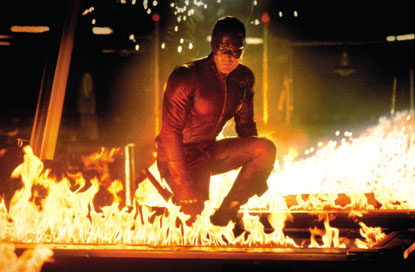
Daredevil

Daredevil1

In light of the recent trailer debut of “Batman v Superman: Dawn of Justice” and the high acclaim garnered by the Netflix “Daredevil” series, today’s feature is the infamous “Daredevil” film, which marked Ben Affleck’s first superhero role.

“Daredevil” was written and directed by Mark Steven Johnson (“Ghost Rider,” “Grumpy Old Men”), adapted from the lauded comic book character and series created by Stan Lee, Bil Everett, and Jack Kirby.

The cinematography for “Daredevil” was provided by Ericson Core, who is best known for his work on “The Fast and The Furious” and “Invincible.”

The production designer for “Daredevil” was Barry Chusid, who also worked on films such as “Mystery Men,” “Blade,” “Anaconda,” and “The Day After Tomorrow.”

One of the producers on “Daredevil” was Kevin Feige, which was one of the first producing credits of his career. He has gone on to become President of the enormously successful Marvel Studios, and has overseen such hit films as “The Avengers,” “Thor,” “Iron Man,” and “Guardians of the Galaxy.”

daredevil2

The special effects team for “Daredevil” included coordinator John McLeod (“Howard the Duck,” “Sin City,” “Face/Off,” “Batman Returns,” “Planet Terror”), foreman Mike Edmonson (“The Avengers,” “Iron Man,” “Theodore Rex”), makeup by Eddie Vargas (“Epic Movie,” “The Midnight Meat Train”), as well as elements from films like “Pulp Fiction,” “12 Monkeys,” “Training Day,” “Deep Blue Sea,” and “R.I.P.D.”

The score was provided by Graeme Revell, who has also composed music for films such as “Street Fighter,” “Spawn,” “Red Planet,” and “Sin City.”

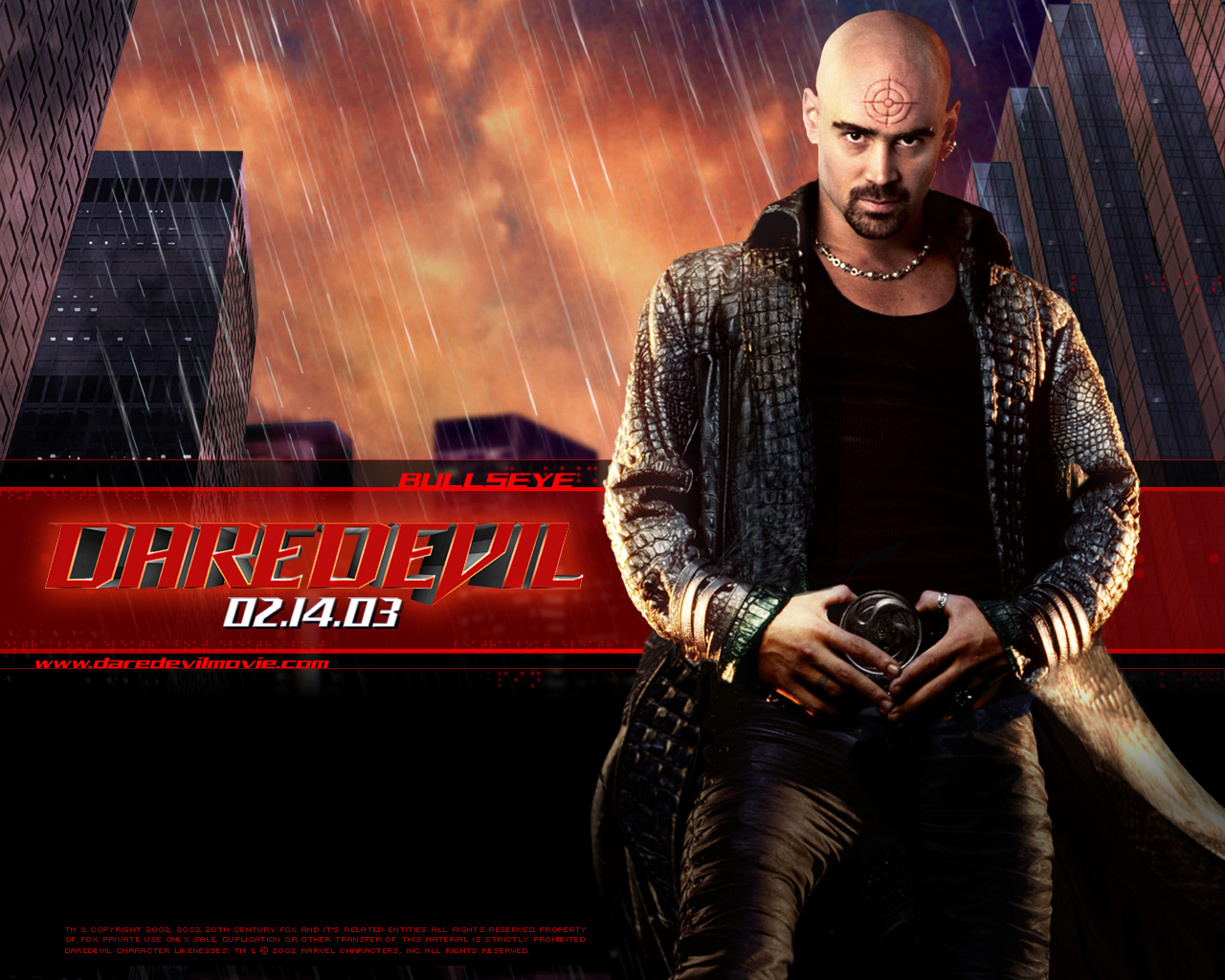
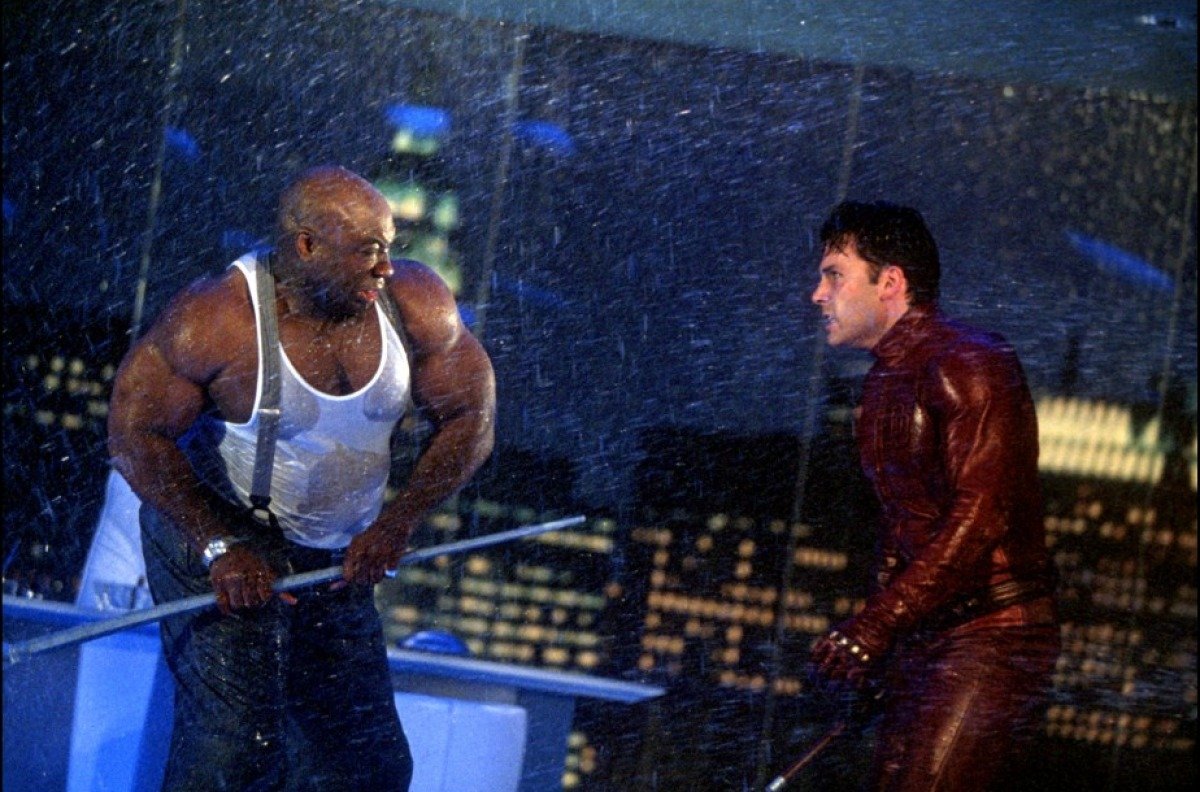
The cast for “Daredevil” is headlined by Ben Affleck (“Gigli,” “Good Will Hunting,” “Argo,” “Gone Girl,” “The Town”) and Jennifer Garner (“Alias,” “Juno”), with an accessory cast that includes Jon Favreau (“Iron Man,” “Swingers”), Colin Farrell (“Winter’s Tale,” “In Bruges,” “Phone Booth,” “Minority Report”), Michael Clarke Duncan (“The Green Mile,” “Armageddon”), Ellen Pompeo (“Grey’s Anatomy,” “Catch Me If You Can”), Joe Pantoliano (“Memento,” “The Matrix”), and Kevin Smith (“Clerks,” “Chasing Amy”).

daredevil3

Apparently, “Spider-Man” crossover references had to be removed from the screenplay due to the rights divide between Sony and Fox over the characters. The Kingpin and Ben Ulrich, characters who are regulars in both franchises, were given specifically to Fox and “Daredevil” for the film, and couldn’t be mentioned in association with Spider-Man specific institutions like The Daily Bugle.

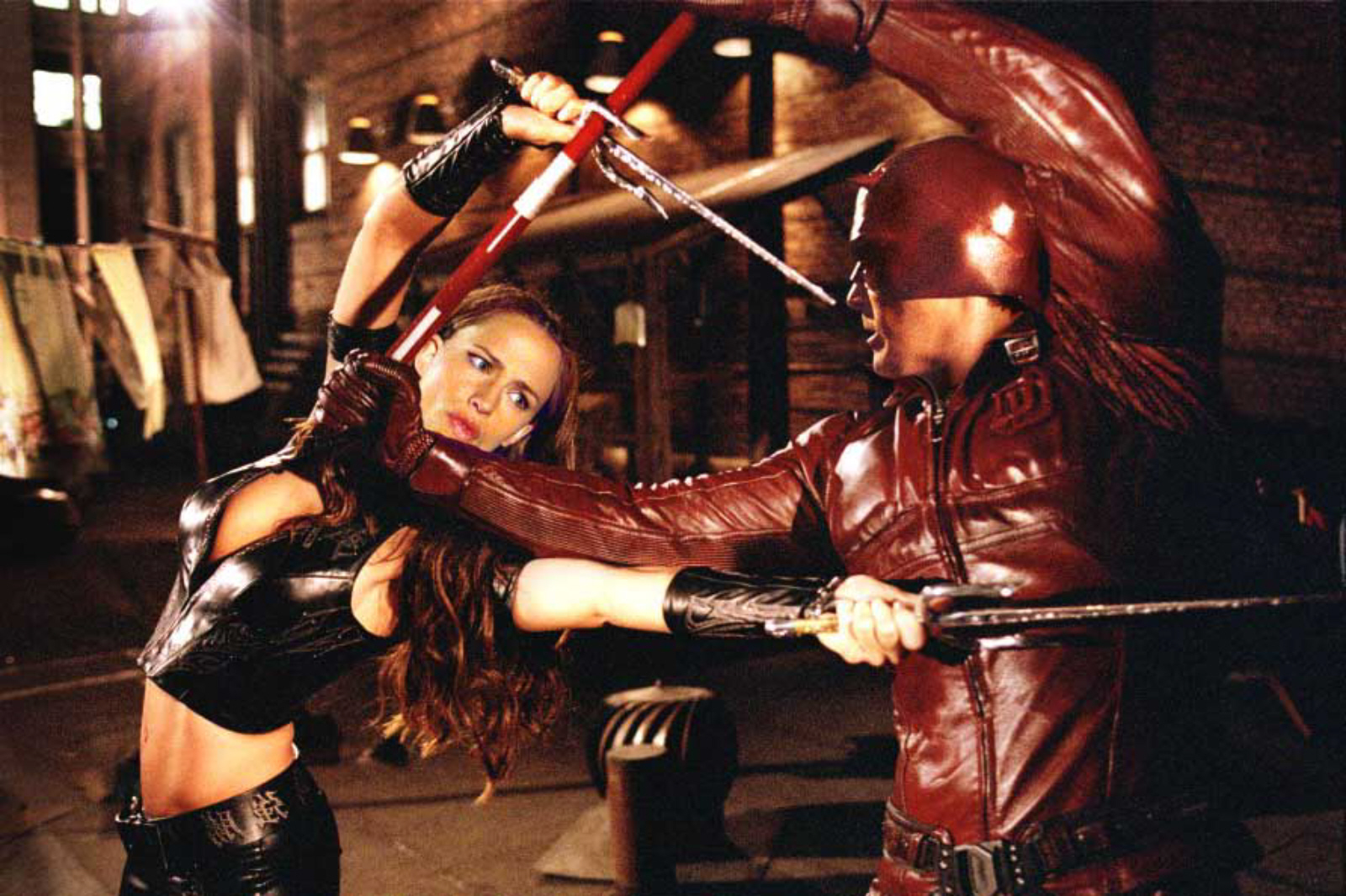
The story of “Daredevil” centers on a blind criminal defense lawyer with superhuman senses who moonlights as a vigilante in the Hell’s Kitchen neighborhood of New York City. His activities run him afoul of a number of criminal elements in the city, who try with all of their might to take him down.

daredevil4

“Daredevil” has a 5.3 IMDb rating, along with Rotten Tomatoes scores of 45% (critics) and 36% (audience), making the reception generally negative. However, it was a significant box office hit, grossing over $179 million worldwide on a budget estimated at $78 million. It even justified a spin-off / sequel in “Elektra,” an arguably even more infamous and reviled superhero film.

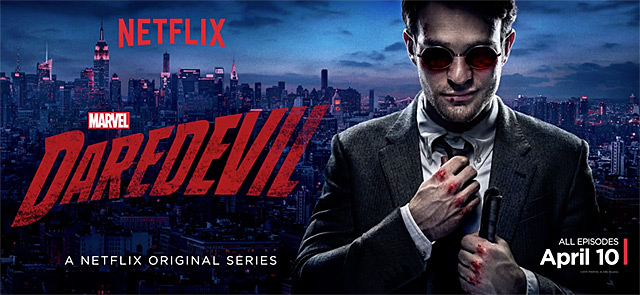
Apparently, attempts to make a “Daredevil” film started in the 1990s, but took a long time to get of the ground. Likewise, there were a couple of attempts to reboot “Daredevil” by Fox after the 2003 hit, in order to prevent the rights from reverting to Marvel. These ultimately failed, however, which resulted in Marvel and ABC creating the acclaimed Netflix “Daredevil” series that debuted in 2015.

daredevil6

It has been claimed that the original concept for the “Daredevil” film was to aim for an R-rating, including nudity and extreme violence. The film still certainly maintains a very dark tone for a superhero movie, and the Director’s Cut features a good deal more violence than the version that ultimately made it to theaters.

Jon Favreau, who plays Foggy Nelson in “Daredevil,” was apparently already in talks about making “Iron Man” during filming on “Daredevil,” which launched the eventual Marvel Cinematic Universe that would absorb the Daredevil character in 2015.

It reportedly took 8 months to perfect the “Daredevil” costume, and the ultimate product was apparently very uncomfortable for Ben Affleck to wear. Affleck has been quoted as saying:

“by playing a superhero in “Daredevil,” I have inoculated myself from ever playing another superhero. Wearing a costume was a source of humiliation for me and something I wouldn’t want to do again soon.”

daredevil5

Of the many criticisms of “Daredevil” that I have heard, two consistently stand out. First, most people feel that the film is far too melodramatic, and hard to enjoy because of it. Second, many feel that the pacing and action in the film is far too slow to hold their interest.

Personally, I have never felt that “Daredevil” was excessively dark or gritty in comparison with, say, the Nolan “Batman” movies. However, it certainly isn’t written well, which is where I think the weakness is. Nothing is particularly subtle, so all of the dark elements are bashed over the audiences heads, which isn’t exactly the best way to go about that. As far as the pacing goes, there’s no arguing that “Daredevil” is a high-octane action movie. I honestly think that would have been even worse: Daredevil strikes me as a character that needs to be a bit more atmospheric and human. That said, that doesn’t make the movie any more interesting to watch.

My biggest problem with the film is the amount of digital effects used throughout that have aged about as well as shrimp lost in the back of the fridge. It was still pretty recent technology at the time, but looking back now it really doesn’t hold up, and makes the whole film look more artificial and strange. The other major issue I have is with the obnoxious soundtrack, but that is neither here not there: just a product of the times I suppose.

Overall, “Daredevil” is certainly one of the lesser modern superhero movies. It isn’t nearly as bad as the 1990 “Captain America,” “Howard the Duck,” or even “Green Lantern,” but it is certainly a pretty long way from good. However, I don’t think of it as all that bad, either. It certainly isn’t bad enough to enjoy as a bad movie. Mostly, “Daredevil” mostly serves as a cautionary tale of how not to do a superhero movie, and as a warning that audiences will eventually tire of “gritty, realistic” heroes after a while. It is probably worth a rewatch given the release of the Netflix series and in anticipation of Affleck returning to the realm of superheroes, but there isn’t all that much to get out of it as far as laughs go.

Bargain Bin(ge) Las Vegas: Record City

Welcome to the newest installment of the Bargain Bin(ge), where I cover used DVD stores from around the country and the various movies I have plundered from them.

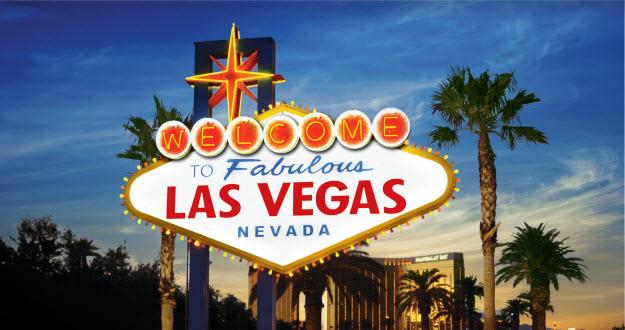
Earlier this week, work took me out to fabulous Las Vegas, Nevada. With the limited free time I had, I decided to check out some used media stores in search of DVDs.

lasvegasOne place I checked out was a little hole in the wall on Sahara Ave. called Record City, which proved to be a pretty spiffy spot for digging up DVDs, VHS tapes, and records.

recordcity5 recordcity6 recordcity4 recordcity3 The thing that most stood out to me about Record City was the significant stock of VHS tapes, which is becoming increasingly less common to see. I didn’t wind up picking up any as they are a little unwieldy for air travel, but a VHS copy of “Heavy Metal” definitely stuck out to me on a cursory look-over of the section.

The DVD prices weren’t too bad, but the selection left a little bit to be desired. I still managed to find plenty to walk away with, but it was probably the least impressive of the three shops I visited in Las Vegas, at least from a DVD standpoint.

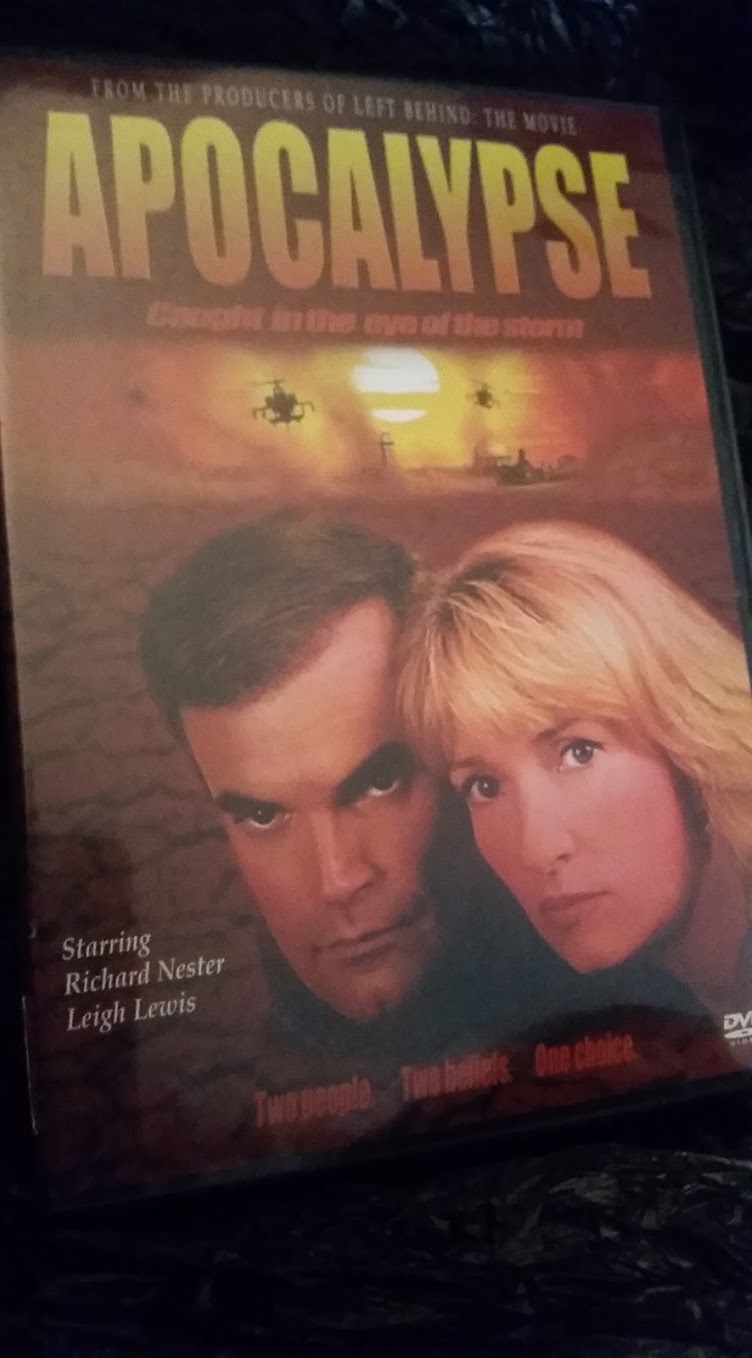
Apocalypse

7From the looks of it, “Apocalypse” is a lower-budget “Left Behind” knockoff, which leads me to hope that it will make excellent fodder for a (God)Awful Movies segment. From the looks of the trailer, this is going to be an absolute hoot to watch through.

The Vampire Bat

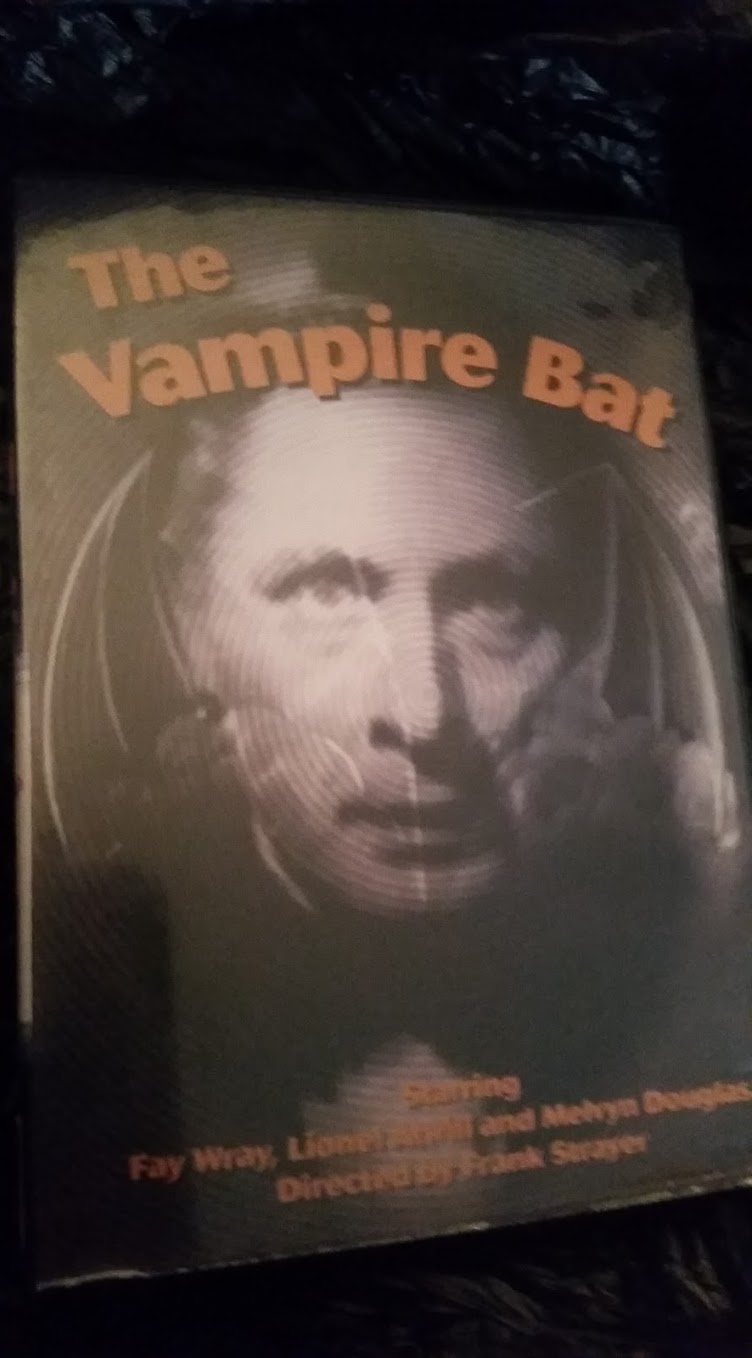
8“The Vampire Bat” is an old vampire movie from the 1930s directed by Frank Strayer, who was behind a ton of horror movies from 1920s through the 1950s. It should make for an interesting watch from an era in horror that I don’t typically cover.

Mitchell

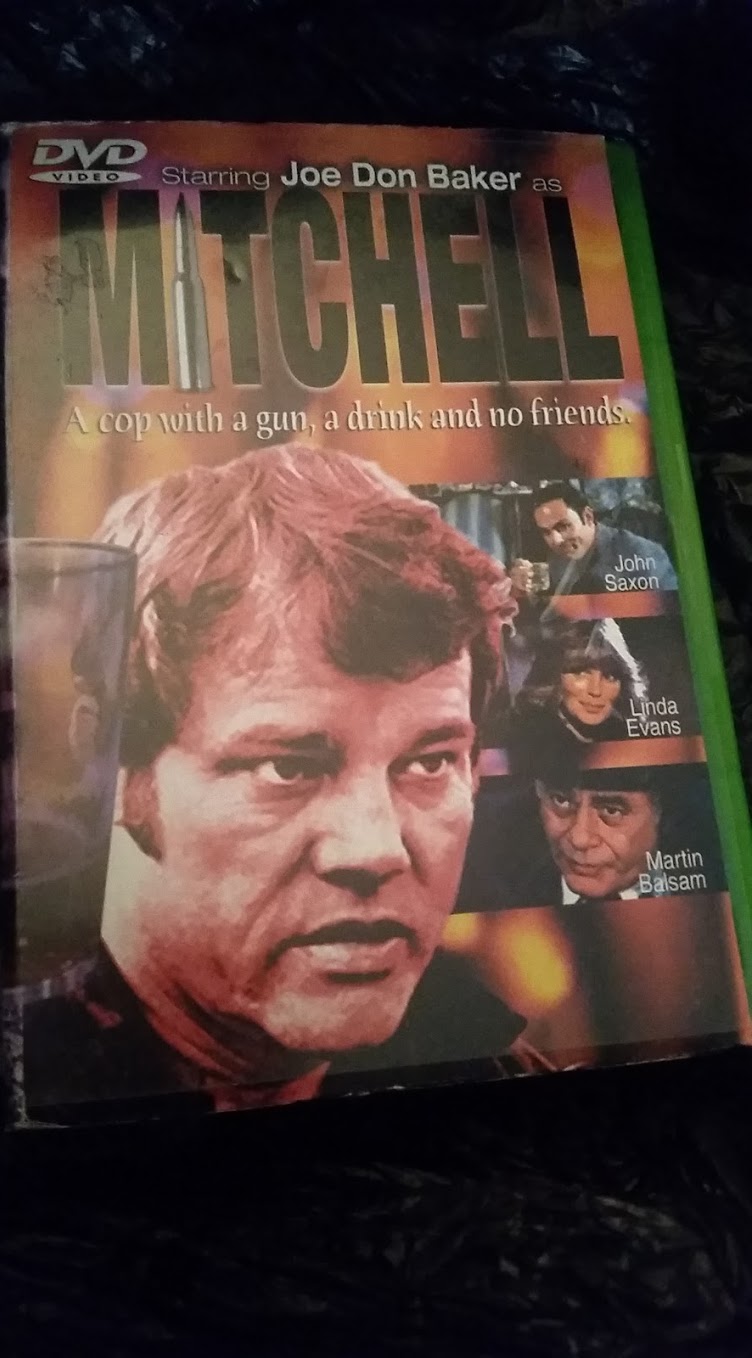
9 10I already wrote about “Mitchell” back as part of the IMDb Bottom 100, and I even already have a copy of it. I just couldn’t resist picking up this obviously fake DVD copy of the movie. What are the odds that “Mitchell” is even on the disc in this box?

Bride of the Gorilla

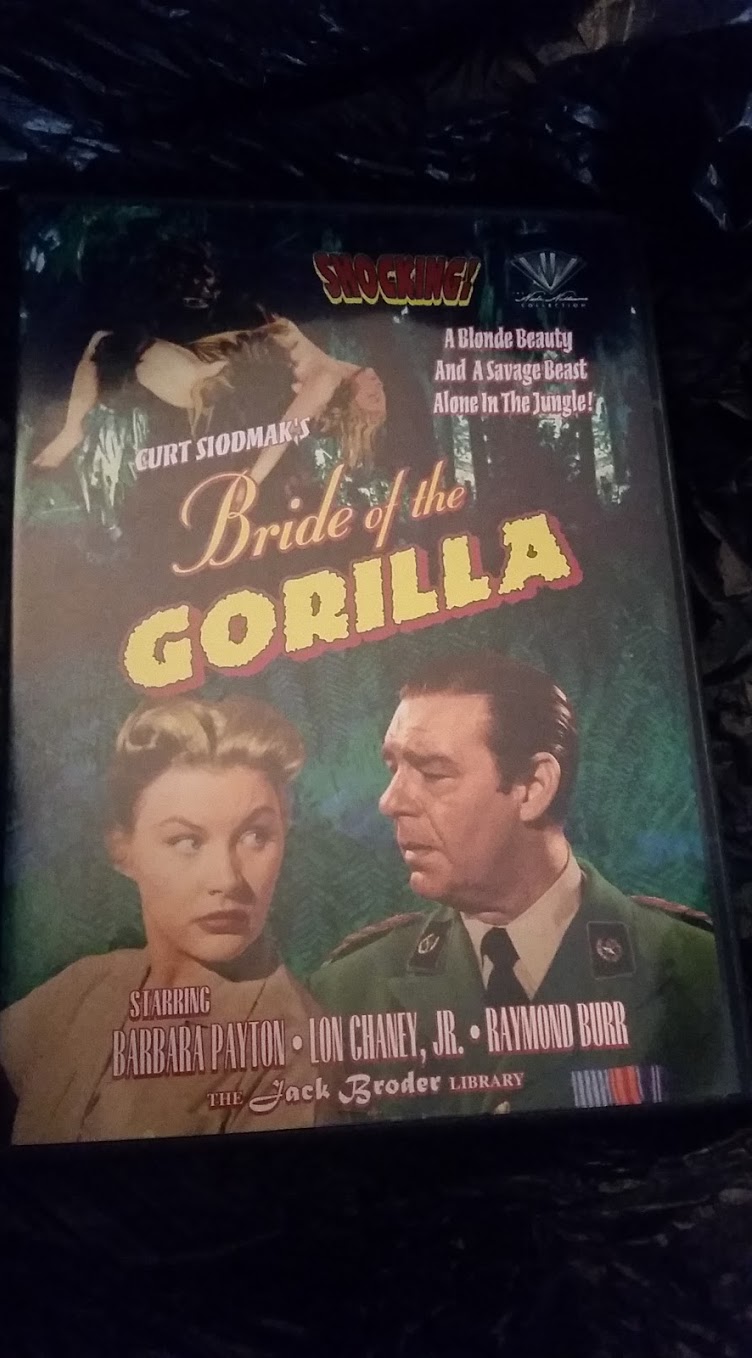
12“Bride of the Gorilla” is a b-movie about a man who is cursed into becoming a gorilla. It is one of countless movies out there to feature a man in a gorilla suit as the central monster. The writer/director, Curt Siodmak, was a prolific screenplay writer best known for penning “The Wolf Man,” and Lon Chaney, Jr. even pops in for a role in the feature.

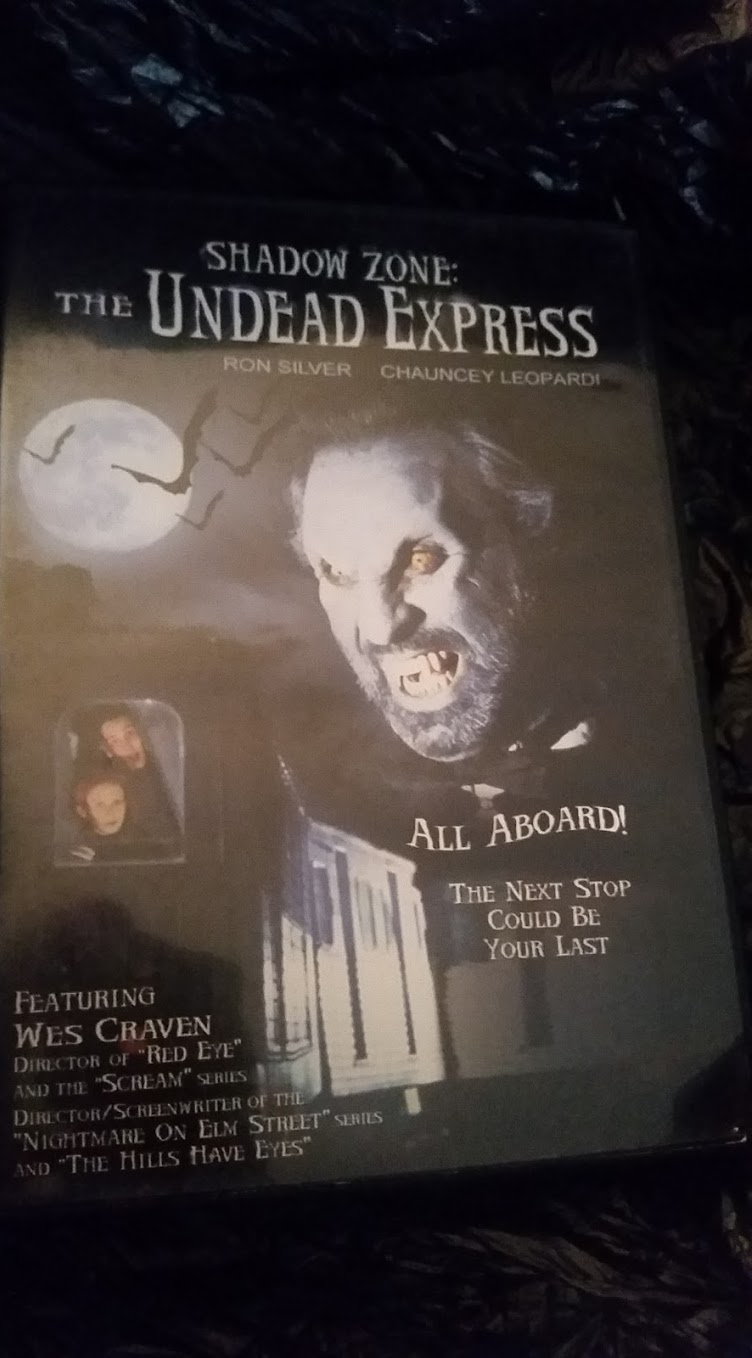
The Undead Express

13“The Undead Express” is apparently a movie about vampires living in the New York subway system. From what little I have read, it sounds like it was catered to a younger audience, which certainly isn’t clear from the trailer. Ron Silver of “The West Wing” and “Timecop” leads the cast, which also features a bit role by Wes Craven, which the DVD box advertises as much as possible. I’m not sure what to make of it, but I’m planning to give this movie a shot at some point.


Timecop

Timecop

timecop1

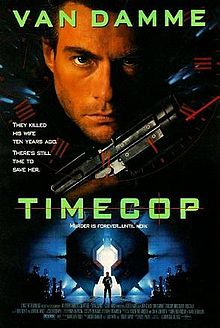
Welcome back to the Misan[trope]y Movie Blog! Today’s feature is the 1994 time travel action flick, “Timecop.”

“Timecop” was directed by Peter Hyams, whose other films have included “End of Days,” “Capricorn One,”  and “Stay Tuned.” He also provided the cinematography for the movie, something that he has done on a number of his features.

“Timecop” is an adaptation of a Dark Horse comic story by Mark Verheiden and Mike Richardson. It was written for the screen by Verheiden, who has worked on films and television shows such as “Smallville,” “Battlestar Galactica,” and “The Mask” as both a writer and a producer.

The music on “Timecop” was provided by Mark Isham, who has provided scores to films like “Point Break,” “Lions For Lambs,” “The Net,” “Quiz Show,” “October Sky,” and “The Hitcher.” Over his significant career, he has accumulated nearly 150 composition credits for films.

The special effects team for “Timecop” included elements from such productions as “Robot Jox,” “E.T.,” “A.I.,” “Lake Placid,” “The Cabin In The Woods,” “Watchmen,” “Superman,” “It,” and “First Blood,” among many others. The visual effects supervisor for “Timecop” was Gregory McMurry, who has worked on such films as “Argo,” “The Core,” “Con Air,” “Predator 2,” “Star Trek: The Motion Picture,” and “Blade Runner” over his film career since the 1970s.

The production design on “Timecop” was done by one Philip Harrison, who worked on films like “The Core,” “Spawn,” “Mississippi Burning,” and “Stay Tuned.” “Timecop” was edited by Steven Kemper, who has cut such features as “Face/Off,” “Mission: Impossible II,” and “Harry And The Hendersons.”

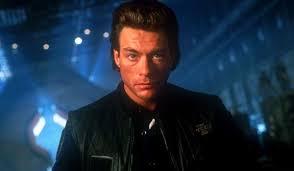
The cast for “Timecop” is headlined by Jean-Claude Van Damme, one of the most iconic and recognizable action stars of the era. The accessory cast is filled out by Mia Sara (“Daughter of Darkness,” “Ferris Bueller’s Day Off”), Ron Silver (“The West Wing”), Bruce McGill (“Lincoln,” “Collateral”), Gloria Reuben (“ER”), and Kenneth Welsh (“The Aviator”).

timecop2

The story of “Timecop,” predictably enough, is about a police officer tasked with stopping crimes committed via time travel. He winds up attempting to thwart a vast power play helmed by an ambitious politician who is exploiting his access to time travel technology as a criminal enterprise.

The success of “Timecop” eventually spawned both a sequel and a television series, and rumors of a remake in the near future have been floating around for a couple of years (without the involvement of JCVD, reportedly).

The Jean-Claude Van Damme movie “Sudden Death” was made back-to-back with “Timecop,” and featured many of the same players from the “Timecop” production team.

“Timecop” wasn’t generally received well by critics, though it is one of the higher regarded films from Jean-Claude Van Damme’s filmography. It currently holds a 5.8 IMDb score, along with Rotten Tomatoes ratings of 43% (critics) and 35% (audience).

“Timecop” was made on a $27 million budget, and grossed close to $102 million worldwide in its theatrical run, making it a significant hit. It is one of the very few Jean-Claude Van Damme movies to break 100 million in total grosses, and is regarded as one of the highlights of his career.

In his review, Roger Ebert called “Timecop” “a low-rent ‘Terminator,'” and that influence can certainly be seen throughout the film. The financial success of the first two “Terminator” movies spawned a horde of imitators, and while the plot to “Timecop” bears less similarities than most of them, the focus on time travel action goes a long way towards inviting comparisons.

A number of the critical complaints I saw about “Timecop” were regarding the way that time travel is treated in the film, in the sense that not enough thought or originality is put into it’s portrayal or repercussions. I think it is a little ridiculous to expect hard science in this sort of action movie, but there are certainly some moments in the story that require some significant suspension of disbelief.

“Timecop” is arguably a showcase of Jean-Claude Van Damme at his peak physique, and that is something the film definitely uses. He is absolutely a believable action hero, and the somewhat infamous shots of his splits certainly aren’t done with special effects.

Speaking of which, the special effects that are used in the film have not particularly aged well, especially when compared to other early 1990s movies. I have seen a number of complaints about this from more recent reviews, but I am sure that in the context of the time they were at least passable. “Timecop” is essentially a step above a b-movie, but not quite an A-list feature, and it definitely looks like it.

Overall, “Timecop” certainly isn’t an elite sci-fi or action movie, and isn’t anywhere near my go to “-cop” movies (“Robocop,” “Maniac Cop,” “Samurai Cop”…). There are better action movies and better sci-fi movies, but “Timecop” finds a perfectly OK middle ground. It isn’t incredibly memorable, but I don’t think most would regret watching it.

“Timecop” certainly has some fun moments, and if you are a fan of JCVD, this is almost sure to be up your alley. I definitely recommend checking out the We Hate Movies podcast episode on the movie to get a more thorough idea of what you are in for. It treads the line between being a bad movie and just being a generic action flick, but either way you can find some enjoyment here.

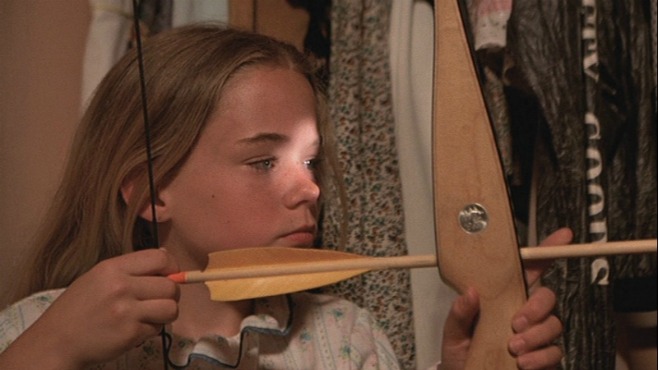
Bloody Birthday

Bloody Birthday

bloodybirthday1

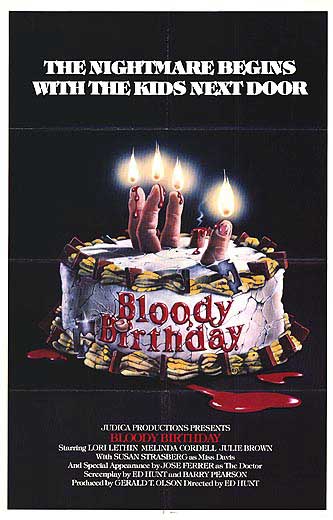
Today marks my 26th birthday. To celebrate the occasion, I decided to surround myself with close friends and family, and take a little break from the world of awful movies. Just kidding! I watched a shitty movie with a birthday theme.

1981’s “Bloody Birthday” was co-written and directed by Ed Hunt, whose credits include a documentary called “UFO’s Are Real” and an episode of “Greatest Heroes of The Bible.” Sounds like just the sort of person I try to avoid in my daily life. The other co-writer on “Bloody Birthday” is one Barry Pearson, who primarily producers television programs that I assume no one has ever seen.

The music for “Bloody Birthday” was done by Arlon Ober, who provided scores for such horror films as “Incredible Melting Man,” “Q,” “Child’s Play,” and “House.”

The cinematographer on “Bloody Birthday” was Stephen L. Posey, who might be best known for his work on the much-maligned “Friday the 13th Part V: A New Beginning.”

The special effects on “Bloody Birthday” were provided by Roger George, who worked on films like “Blacula,” “The Terminator,” “Saturday the 14th,” “Chopping Mall,” “Ghoulies,” and “Repo Man.”

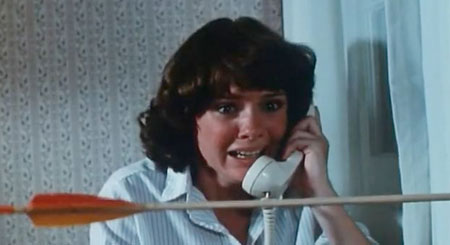
The cast of “Bloody Birthday” includes Lori Lethin (“The Day After”), Susan Strasberg (“Scream of Fear,” “Picnic”), Billy Jayne (“Cujo”), Julie Brown (“Plump Fiction,” “Earth Girls Are Easy”), Jose Ferrer (“Dune”), and Michael Dudikoff (“American Ninja”) in a background role, the same year as “Enter The Ninja.”

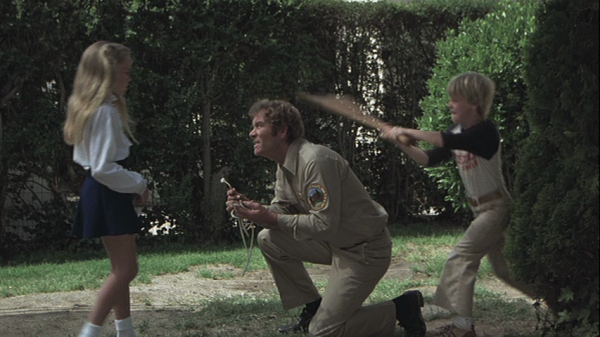
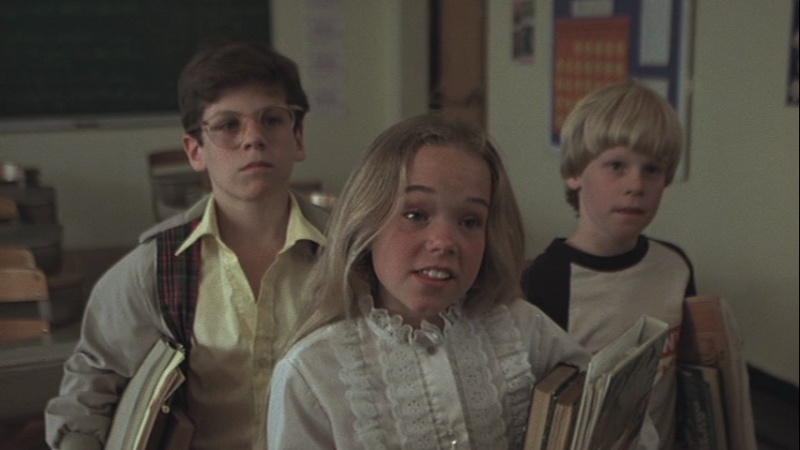
bloodybirthday4The story of “Bloody Birthday” centers around three children who were born on the same day, and are apparently ravenous killers due to the astrological situation at the time of their birth. Around their 11th birthdays, they decided to go on a spree, picking off parents, teachers, and local teenagers. One of their classmates and a babysitter start to catch on, but the town refuses to believe that children are behind the string of horrific murders.

bloodybirthday5“Bloody Birthday” went by a number of alternate titles in foreign markets, including “Killers of the Eclipse” and “Children of the Devil,” which are both easily more appropriate names for the film. I assume “Bloody Birthday” was chosen because of the trend of naming horror movies after assorted holidays, despite how tangential the birthday actually is to the story.

“Bloody Birthday” currently has a 5.7 score on IMDb, as well as a 38% audience score on Rotten Tomatoes. However, it does have a little bit of a cult following among horror aficionados, but it is still a bit of an obscure film. I couldn’t dig up any financial information on the film, but I assume that the budget was plenty low and that it didn’t receive any kind of wide release, given that the production company behind it has no other credits.

There are certainly plenty of things to criticize about “Bloody Birthday.” First off, the trio of evil children aren’t exactly stealthy killers, but the small town is apparently incapable of hearing gunshots ring out in the night. They also kill in broad daylight on a couple of occasions, giving little mind to the fear of witnesses.

Speaking of which, how strong are these children supposed to be? It could be argued that they are cursed by their astrological destiny, but that doesn’t really excuse their ability to beat a grown man to death. I happen to know that there are plenty of scientifically accurate studies out there about how many 5th graders grown adults can take in hand to hand combat, and this film doesn’t seem to fit with those findings.

bloodybirthday3I don’t think I need to go into the problems with the astrology-based mythos behind this movie’s plot. Basically, the alignments of planets do not affect people’s personalities. Also, why aren’t there thousands of maniacal children in this movie? Surely there were more than three kids born on the astrologically significant day in question?

To the credit of the child actors in “Bloody Birthday” the killer kids are genuinely creepy in this movie. I usually dread any movies that rely on children in key roles, but this trio is absolutely passable here. The rest of the acting in the film is your typically b-movie mixed bag, but it is all serviceable enough in my opinion.

bloodybirthday2Overall, “Bloody Birthday” isn’t a great horror movie. It has a few creative deaths that are worth watching, and the evil children keep it interesting, but this is more of a copycat of other horror movies than anything unique to itself. There also isn’t a very satisfying conclusion, which brings it down a peg.

As far as a recommendation goes, you could certainly do a lot worse. The movie is paced well enough, and never quite felt boring. If you want to watch an obscure horror movie or are itching to watch children murder people, “Bloody Birthday” will satisfy you.