Tag Archives: film

Bargain Bin(ge) Las Vegas: Zia Record Exchange – Sahara

Welcome to the newest installment of the Bargain Bin(ge), where I cover used DVD stores from around the country and the various movies I have plundered from them.

Earlier this week, work took me out to fabulous Las Vegas, Nevada. With the limited free time I had, I decided to check out some used media stores in search of DVDs.
lasvegasI wound up visiting two locations of Zia Record Exchange, a chain of used media stores in the Southwestern states of Arizona and Nevada. This particular segment covers the Sahara Avenue location in Las Vegas, not far from the touristy allures of the casinos and hotels.


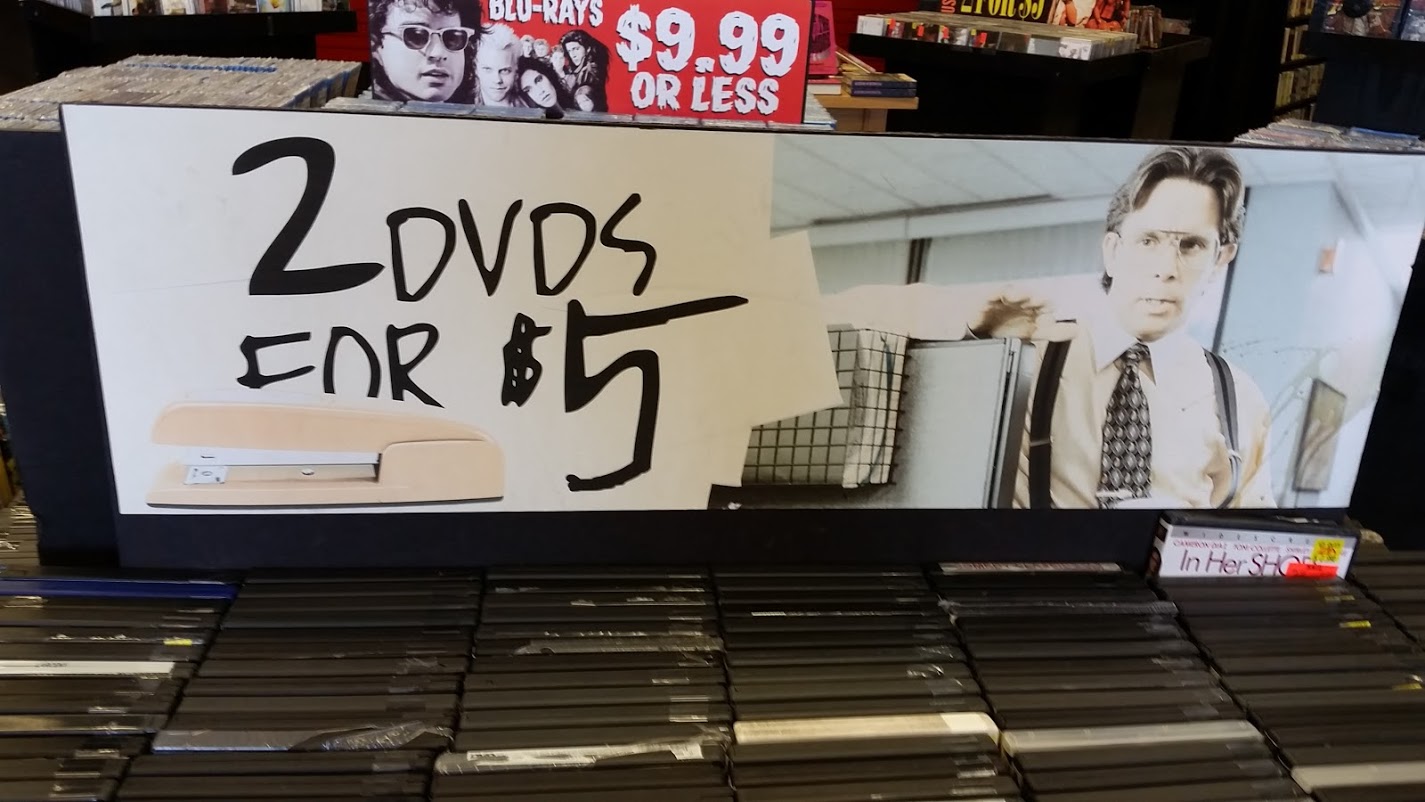
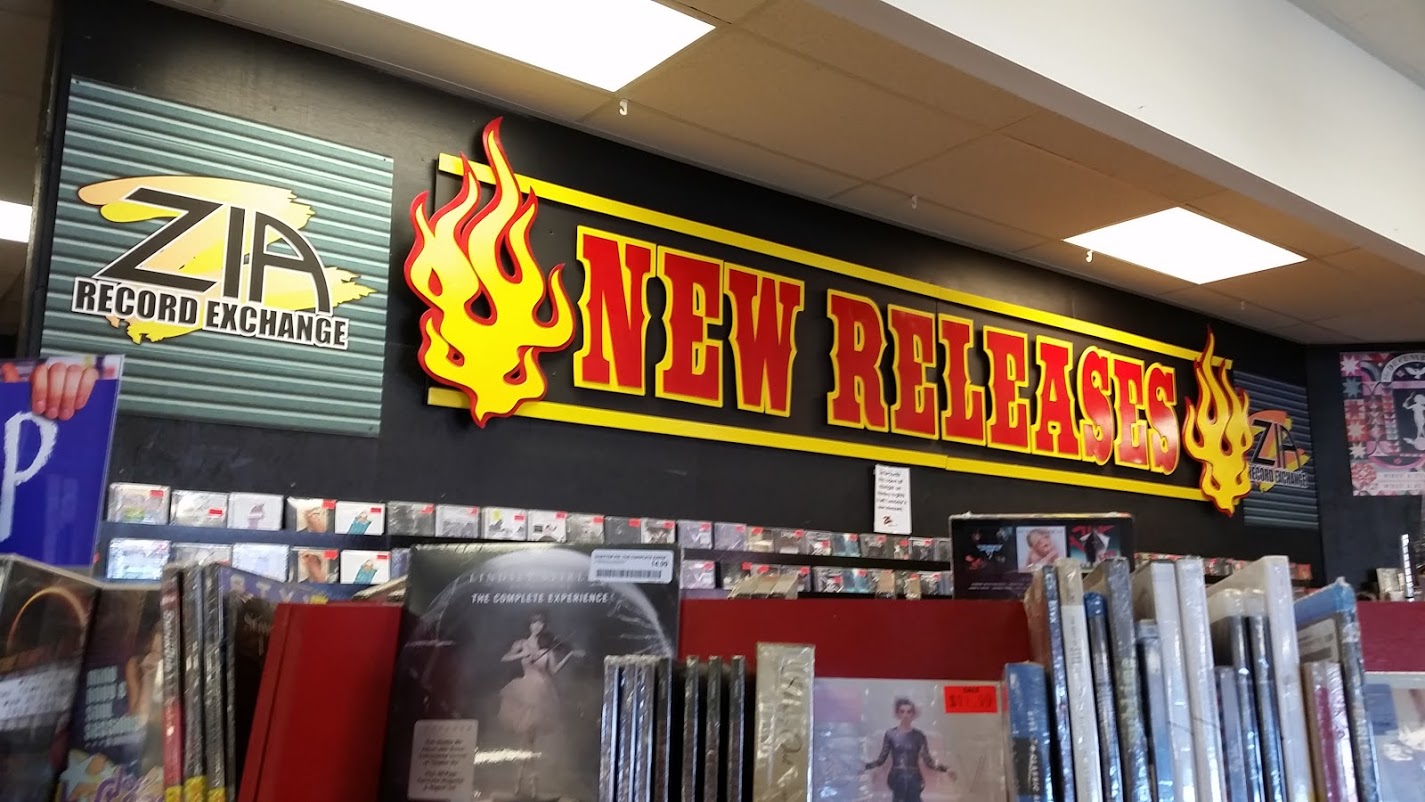
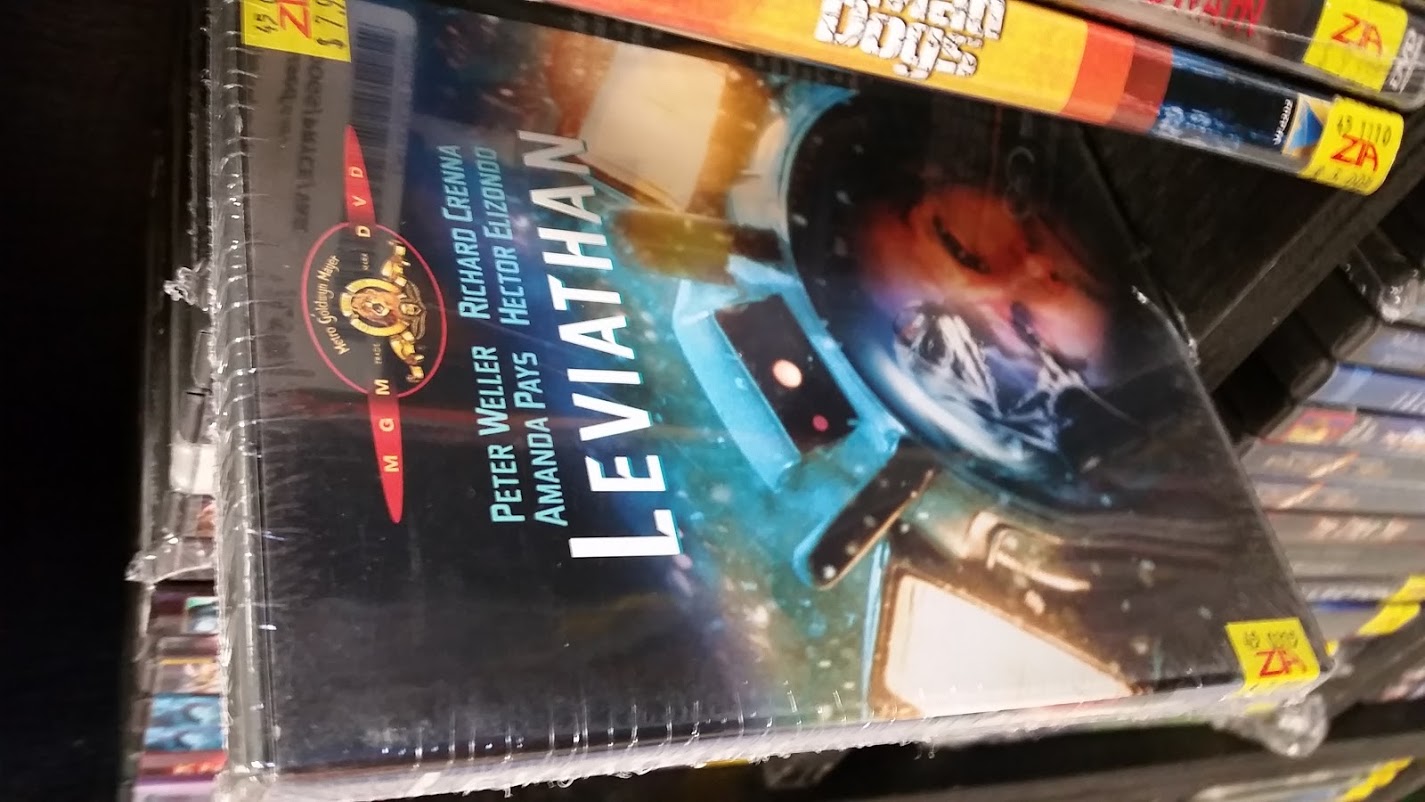
ziasahara11 ziasahara10 ziasahara8 ziasahara9 ziasahara4 ziasahara3 ziasahara2 ziasahara1The first thing that stood out to me about Zia was the cool ambiance to the place. The walls and signs are all well-decorated and hip, making for a top-notch atmosphere. As the name suggests, it is primarily a record store, but the inclusion of movies is hardly an afterthought: the selection was really fantastic, and I wound up finding a number of films I haven’t been able to find anywhere else in the wild. “Weekend at Bernie’s 2” comes to mind, though the price wasn’t right for me to walk away with it. Likewise, they had copies of “God Told Me To” with Larry Cohen commentary and “Leviathan,” although both were outside of what I wanted to pay.
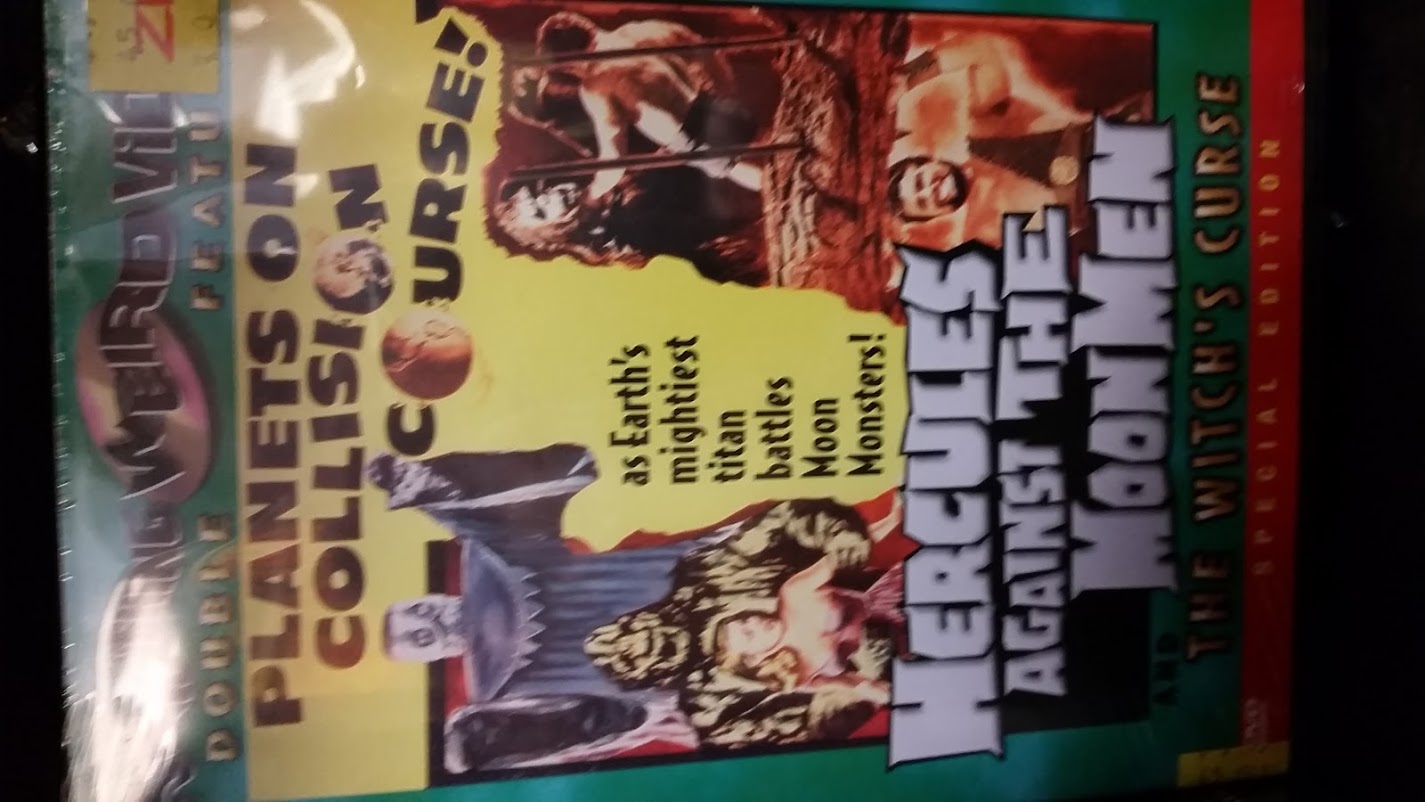
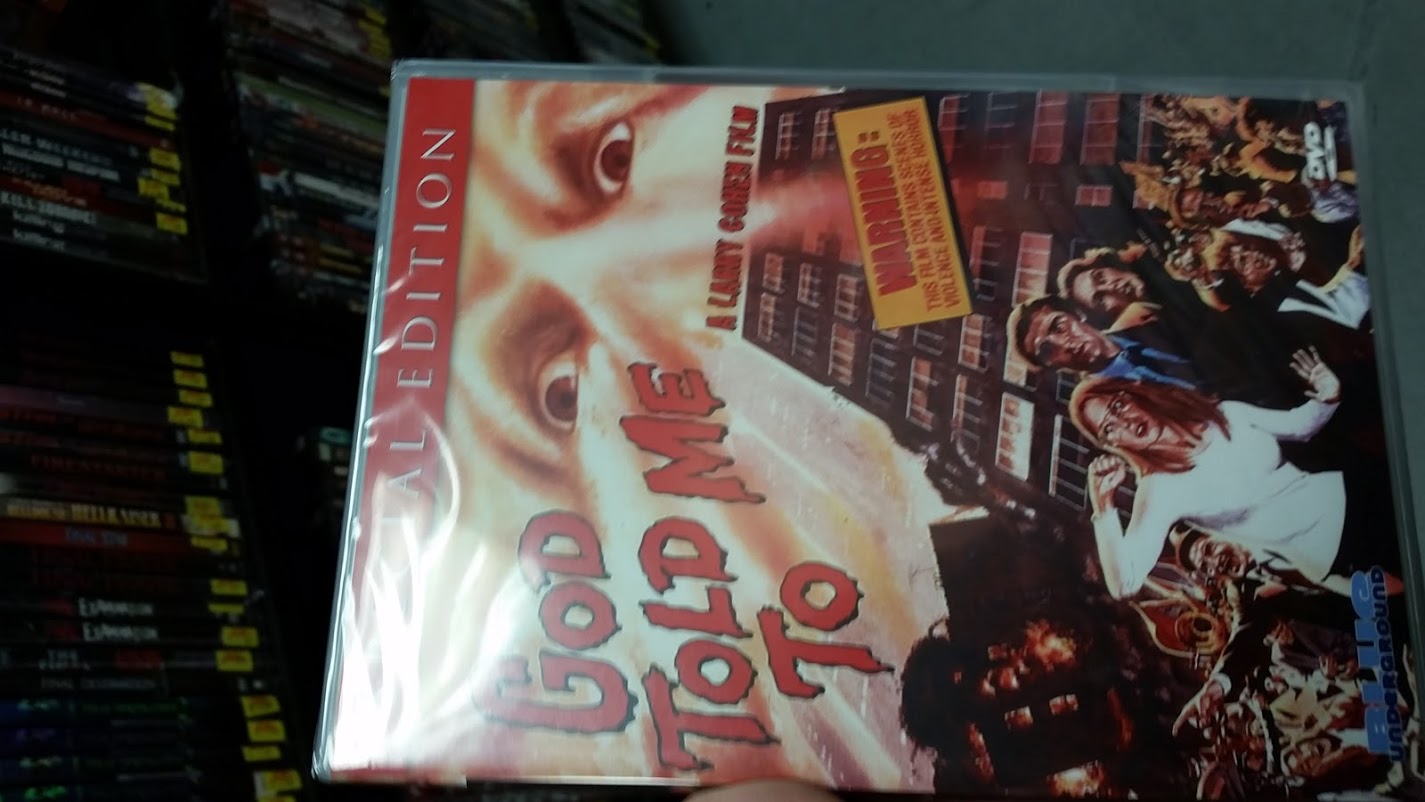
ziasahara5ziasahara6ziasahara7

All of that said, I still found some good deals, and walked away with a nice stack of DVDs. If you find yourself in Las Vegas, it is worth your time to check out the selection at Zia Record Exchange if you are a fan of rare and cult films.

Cloned

1“Cloned” is a television movie from the early 2000s starring Bradley Whitford (“The West Wing,” “Cabin In The Woods”) and Elizabeth Perkins (“Weeds”). I’m a big fan of Whitford, but I haven’t seen him do much outside of his snarky, comedic comfort zone. The same goes for Perkins, who became mostly a comic relief player in “Weeds” in the later seasons. This looks to be a pretty heavy drama laced with sci-fi elements, so I’m interested to see how they work with a more somber backdrop.

It Lives Again / Island of the Alive
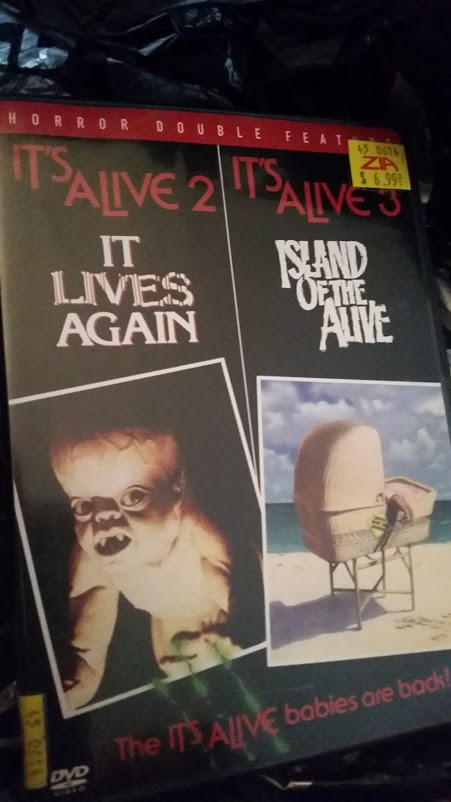
2I was rather delighted to find a combined copy of Larry Cohen’s sequels to the 1974 classic “It’s Alive,” partially because I have never seen copies of them before, and party because of how outlandish the premises are. Larry Cohen has a knack for finding the sweet spot between horror and comedy, and is one of my favorite b-movie directors along with Stuart Gordon for doing it so well. I’m planning to go through the whole “It’s Alive” trilogy soon, maybe in a multi-week spotlight on Larry Cohen much like I did with Gordon.

Special Effects
3This is another Larry Cohen flick that I was pleasantly surprised to find a copy of. I don’t know much about this one, apart from that it is a twisted homage to Hitchcock’s thrillers. The premise of a movie director making a film about a murder he got away with is certainly intriguing, and I’m interested to see how Cohen pulls it off. He can certainly write suspense if “Phone Booth” is any indication, so this should be an interesting watch.

In Too Deep / Glass Shield / Cry, The Beloved Country / License To Kill / Malevolent / A Rage In Harlem / Road Ends / Ice
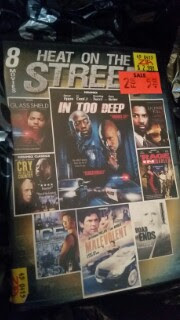
4I always love grabbing discount movie collections, because you always get your money’s worth in screen time at the very least. As opposed to most horror box sets composed of amateur flicks with awful effects, this action/crime set seems to be mostly built from TV movies featuring bankable stars (Ice Cube, Dennis Hopper, Forrest Whitaker, and Denzel Washington to name a few in here). The most prominent of the bunch on the box is “In Too Deep,” which was directed by Michael Rymer, who has since made a name for himself producing and directing on the hit TV shows “Hannibal” and “Battlestar: Galactica.” I’ll be interested to do more research into this lot, and see if there is some blog material in here.

Roadie
5“Roadie” is apparently a musical comedy starring Meat Loaf. I didn’t read any further into it than that, apart from finding out that the director, Alan Rudolph, was behind the “Breakfast of Champions” film adaptation. I’m assuming that this movie is going to be just awful, but I’m planning to buckle in for the experience.

Transformed
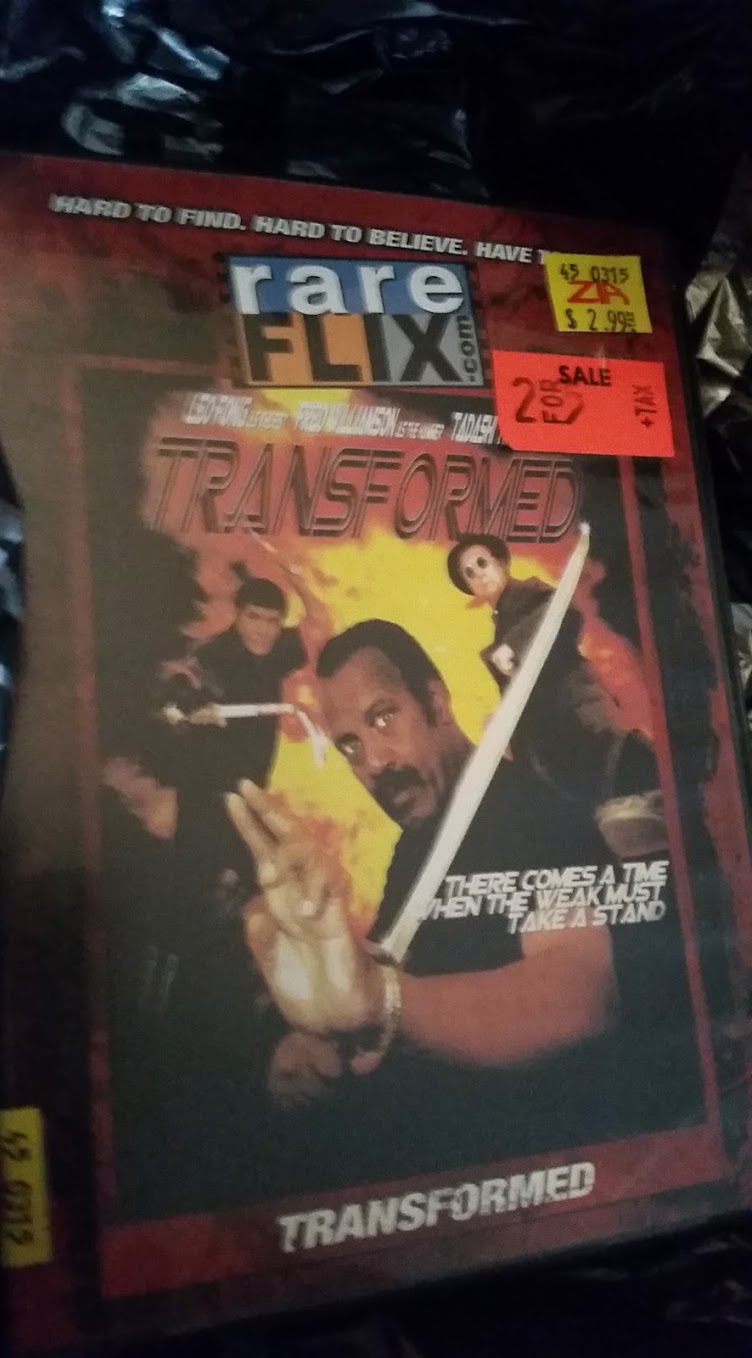
6I don’t know what this movie is, but it involves Fred Williamson, drugs, and martial arts, so I decided to give it the benefit of the doubt. This may have been a mistake.
The Last Samurai

The Last Samurai

lastsamurai1

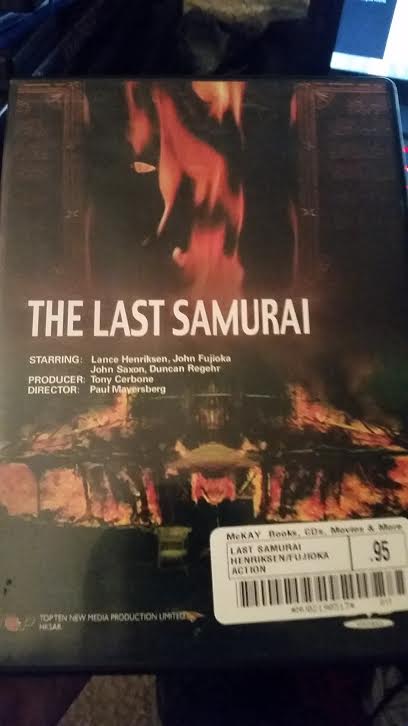
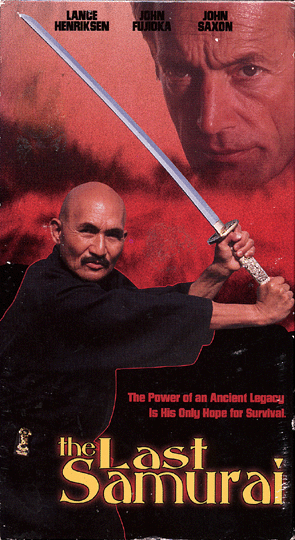
Today’s feature is a little film called “The Last Samurai.” No, not the 2003 Tom Cruise movie that we are all familiar with: the 1991 Lance Henriksen movie that no one has ever heard of.

“The Last Samurai” was directed and written by Paul Mayersburg, who is best known for writing “The Man Who Fell To Earth” and “Croupier.” “The Last Samurai” was the last of three films that he directed, but he is still active as a screenwriter, and is currently attached to an announced 2016 movie called “Killer Surreal.”

The cinematography for “The Last Samurai” was provided by Sven Persson, who worked on and off on films set in Africa since the late 1940s according to his IMDb entry. “The Last Samurai” is his last reported film work.

One of the producers of “The Last Samurai” is a man named Tony Carbone, who has no other recorded producing credits. However, he has a co-writing credit on a 2010 episode of the television series “Archer” called “Honeypot,” which is a fan favorite in the series. I’m a little curious if these are indeed the same person, and how he wound up with these credits decades apart from each other.

lastsamurai4The special effects on “The Last Samurai” are credited to Massimo Vico, who worked on films such as “King Solomon’s Mines” and Albert Pyun’s infamous “Alien From L.A.”

The stunt coordinator for “The Last Samurai,” Scott Ateah, has gone on to work on over 200 films, including big budget productions like “Watchmen,” “X-Men: The Last Stand,” “Slither,” and “I, Robot,” as well as infamous flicks like “The Core,” “Superbabies: Baby Geniuses 2,” “The Wicker Man,” and a whole bunch of “Air Bud” movies.

The cast of “The Last Samurai” is headlined by Lance Henriksen, a veteran b-movie actor who is best known for his role as the android Bishop in “Aliens.” However, he has also been featured in movies like “The Pit and The Pendulum,” “The Mangler 2,” “Hard Target,” “Super Mario Bros.,” and more movies about Sasquatch than you might expect. John Fujioka takes the other central role, and has appeared in films like “American Ninja” and “Mortal Kombat.” The rest of the cast features John Saxon, a veteran character actor who has appeared in features like “Mitchell,” “A Nightmare on Elm Street,” and “From Dusk Til Dawn,” Arabella Holzbog of “Carnosaur 2” and Richard Linklater’s “Bad News Bears” remake, and Lisa Eilbacher of “Beverly Hills Cop,” “Leviathan,” and “10 to Midnight.”

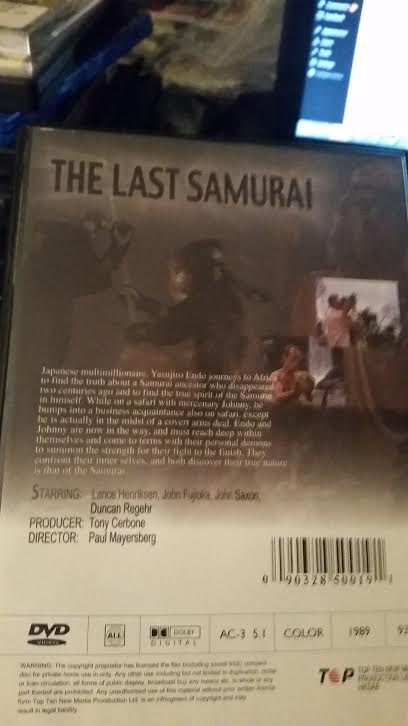
lastsamurai3When it comes to summarizing the story of “The Last Samurai,” I can’t possibly do any better than the back of the suspiciously-fake-looking DVD case that I paid 95 cents for:

lastsamurai5 lastsamurai6

“Japanese multimillionaire, Yasojiro Endo journeys to Africa to find the truth about a Samurai ancestor who disappeared two centuries ago and to find the true spirit of the Samurai in himself. While on a safari with mercenary Johnny, he bumps into a business acquaintance also on safari, except he is actually in the midst of a covert arms deal. Endo and Johnny are now in the way, and must reach deep within themselves and come to terms with their personal demons to summon their strength for their fight to the finish. They confront their inner selves, and both discover their true nature is that of the Samurai.”

“The Last Samurai” was initially released straight to video in Germany, and took a number of years to get distribution in the United States. As I mentioned earlier, almost no one has heard of this movie, so it clearly didn’t make a financial splash. Predictably, there is no budget information about the film available, but I have to assume that it was very, very low.

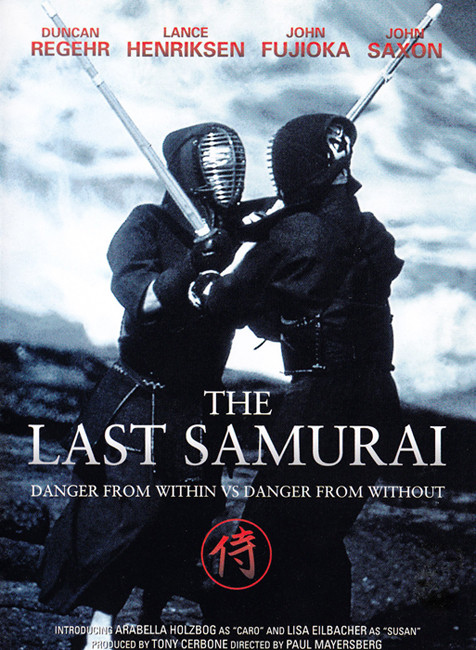
“The Last Samurai” starts with a black and white, slow motion sparring session, which is later implied to be a moment from a former life of Fujioka’s character. It doesn’t really fit with the rest of the film, and I am a little curious as to if it was filmed after the fact and edited in. The fact that it was used for at least one home video cover of the movie has me a little suspicious.

lastsamurai2My first thought after starting “The Last Samurai” was “Holy crap, this score is awful.” The theme sounds like a synthesizer replication of a middle school saxophone player warming up.  The rest of the score is a mixture of ominous synthesizer tones and occasional drum beats, which gets very old quickly. The music is credited to a guy named Rene Veldsman, who only did scores for six low budget movies in his career, which is probably for the best.

I’m not sure if the problem is my DVD copy or if it is the movie itself (or a combination of the two), but the film quality here is just abysmal. to the point that it is honestly distracting whenever there are sudden movements or cuts.

Lance Henriksen portrays a mercenary in “The Last Samurai,” and has a line at one point that I am willing to bet was pulled from real life. When negotiating his pay, Henriksen nearly runs down Fujioka with a car, after which the following exchange takes place:
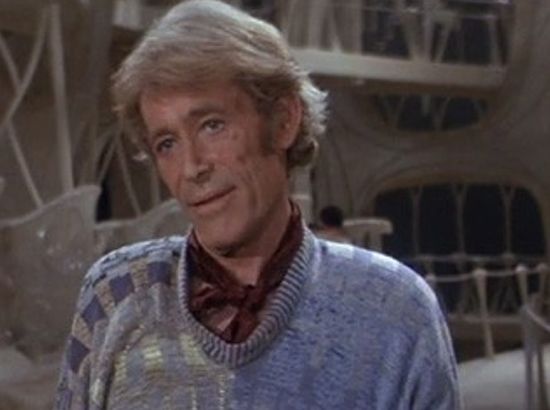
“You have a Japanese sense of theater”

“If I’m an actor, I want 20 grand. A day.”
I’ll admit, I got a little giggle out of that.

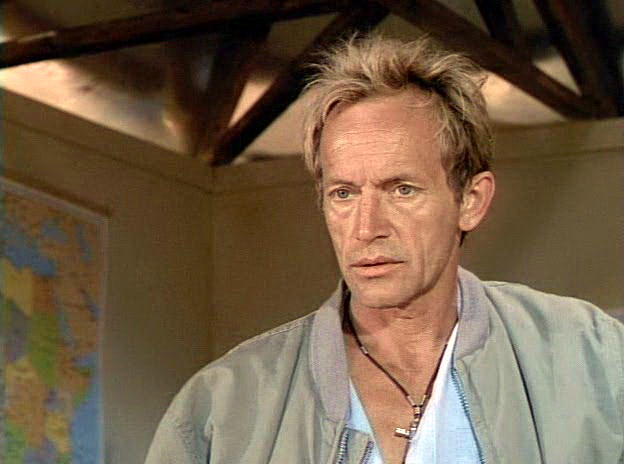
Speaking of which, the acting in “The Last Samurai” is a mixed bag. Lance Henriksen thankfully hams up his character, and makes his segments entertaining. He even seems to be enjoying himself with the role, which is really great to see. Fujioka makes a lot of dramatic use of a personal fan, which I think is supposed to be stately, but just looks kind of ridiculous in the context of the film. John Saxon also stands out, if for no other reason than because of his astounding miscasting as a wealthy middle eastern arms dealer. His attempts to nail down his character’s accent and just surreal coming from a second generation Italian immigrant from Brooklyn. The rest of the cast outside of those three, however, is abysmal. There is clearly a lot of use of non-actors who can barely get through a line, which makes any interactions between the actual actors and the accessory cast excruciating.

At least some of the blame for the performances has to be leveled at Mayersburg, given he both directed the feature and wrote the dialogue (which some of the actors were understandably having trouble with). His inexperience as a director almost certainly contributed to some of the problems with the movie, and I think it is safe to say the the film is better written than it is directed.

All of that said, the movie isn’t all bad. It takes way too long to get going, but the last 20 minutes of action is pretty fun, and Henriksen absolutely thrives in his role. The movie could definitely have used some more editing to help with the pacing and the extraneous character details that bog it down, especially given how long it feels at 1 hour 30 minutes. Still, there are far more tortuous film experiences out there, and this flick at least offers some redeeming moments.

As far as a recommendation goes, if you have ever wanted to see Lance Henriksen’s bare ass or watch him awkwardly play with a monkey, this is the movie for you. Outside of those niche interests, “The Last Samurai” is a bit too slow to recommend outright, though the highlights are probably worth checking out.

American Psycho 2

American Psycho 2

americanpsycho21

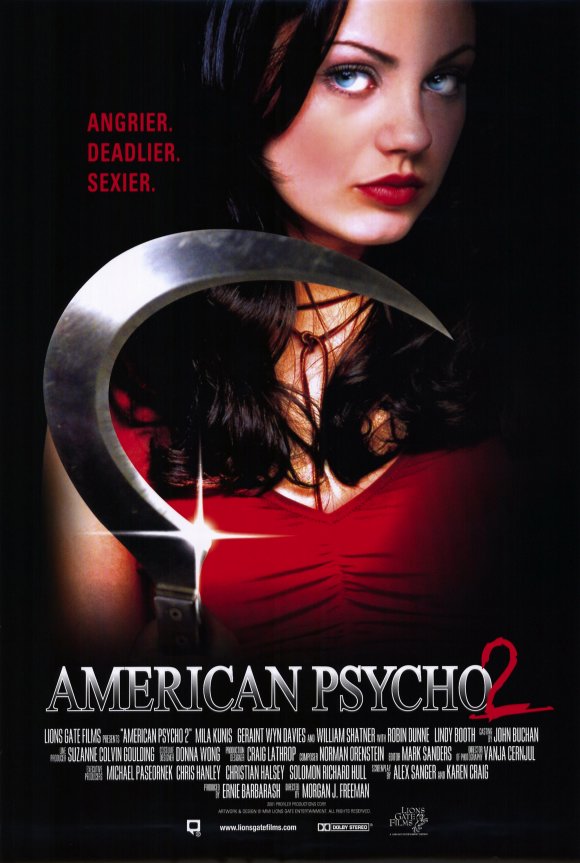
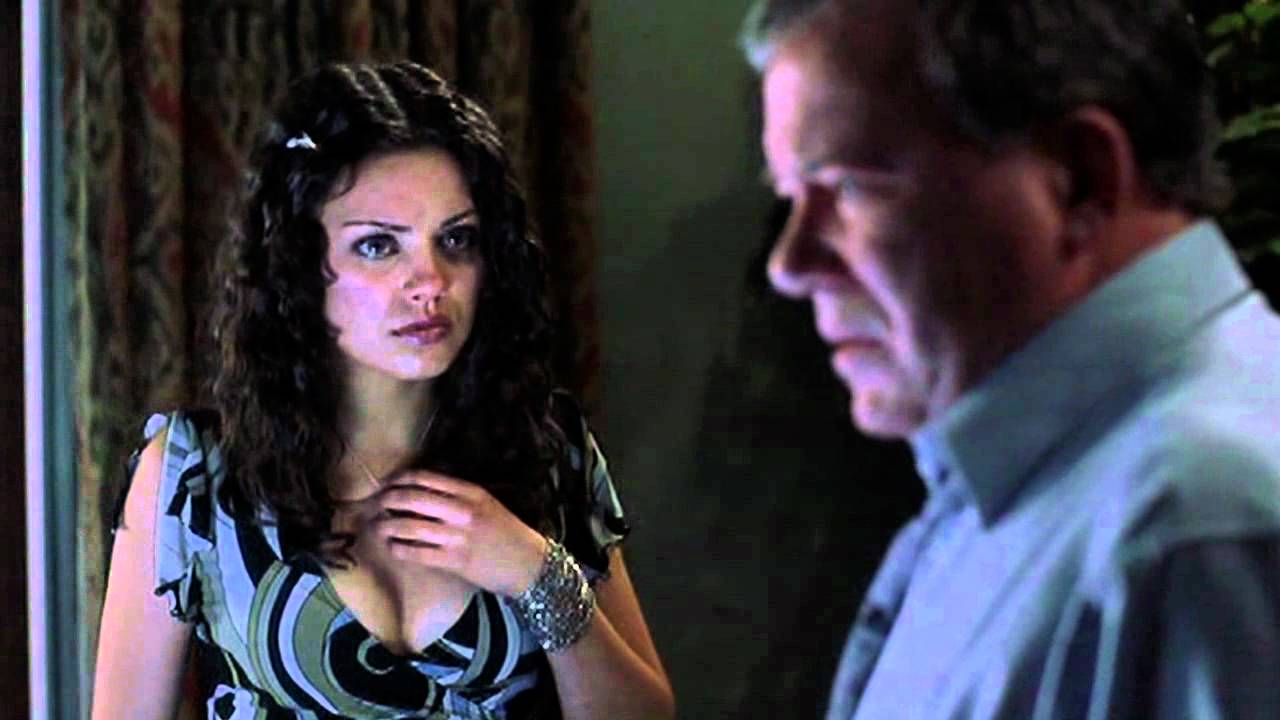
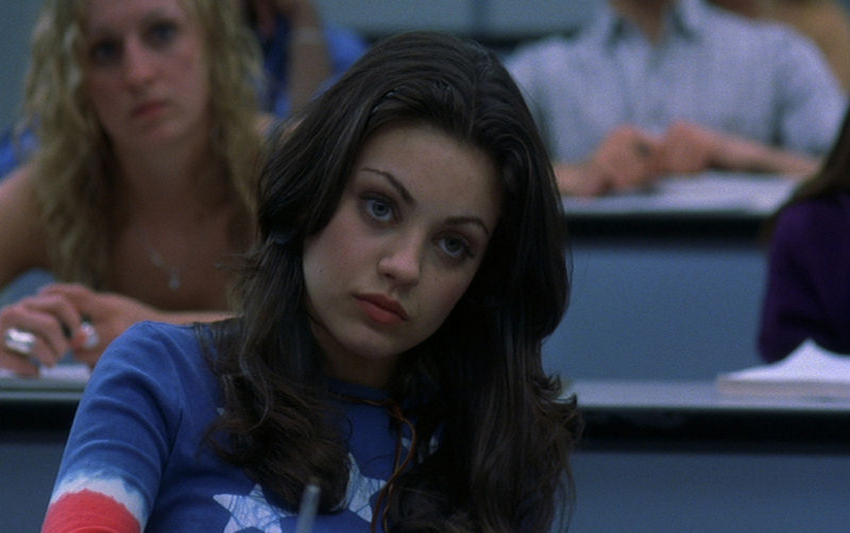
Today’s feature is yet another reviled and unnecessary sequel: 2002’s “American Psycho 2,” starring Mila Kunis and William Shatner.

“American Psycho 2” was directed by a fellow named Morgan J. Freeman, who has most recently served as an executive producer on the reality television show “Teen Mom.” He has also had a handful of directing credits since the early 1990s, but nothing since a few television episodes in 2010.

The screenplay for “American Psycho 2” is credited to two people: Alex Sanger and Karen Craig. Craig has another writing credit for a 2005 television movie, but outside of that neither individual has credited film writing experience.

The cinematography on “American Psycho 2” was provided by Vanja Cernjul, who has worked on acclaimed television series such as “Bored to Death,” “Nurse Jackie,” “30 Rock,” and “Orange Is The New Black,” as well as a handful of films like “Wristcutters: A Love Story.”

The “American Psycho 2” score was composed by Norman Orenstein, who has worked on the music for the “Cube” sequels, George Romero’s “Diary of the Dead,” and the “Animorphs” television series.

The producing team for “American Psycho 2” features a trio of returning producers from “American Psycho,” including an eventual president of production for Lion’s Gate in Michael Paseornek. Paseornek, along with fellow producers Chris Hanley and Christian Halsey Solomon, are the only returning elements from the original film.

The cast of “American Psycho 2” is headlined by Mila Kunis, who was in the middle of her success with “That 70s Show.” Her earlier credits included a handful of child roles in films like “Santa With Muscles” and “Piranha,” and she has of course gone on to have significant success as both a live action star (“Black Swan,” “Forgetting Sarah Marshall”) and a voice actor (“Family Guy”). The rest of the cast is pretty sparse on recognizable faces outside of William Shatner, who most know from his role as Captain Kirk in “Star Trek.” However, his lengthy career has also featured a couple of famous “Twilight Zone” episodes, a handful of memorable b-movies like “Kingdom of the Spiders,” and a whole lot of other television roles (like “T.J. Hooker”).

americanpsycho22The story of “American Psycho 2” centers around a young college student obsessed with becoming a professional criminal profiler, who believes that becoming a Teaching Assistant under a noted professor is the key to realizing that goal. Over the course of the film, she targets and eliminates all of the perceived obstacles and rivals that stand between her and the coveted position. The tenuous connection to “American Psycho” comes in the form of her back story, which shows that, as a child, she witnessed Patrick Bateman murder her babysitter. She then killed Bateman while he was distracted and escaped the murder scene, leaving a mystery as to how Patrick Bateman came to meet his end.

The production company behind “American Psycho 2,” Lionsgate, is now regarded as one of the top “mini-major” film studios in the business, producing blockbusters like “The Hunger Games.” However, that has only been the case since about 2012. Before that, though they co-produced some larger features with other studios (such as “Hotel Rwanda” and “The Day After Tomorrow”), they primarily dealt with upper-end b-movies and horror films: “American Psycho,” “Cube,” and “Saw,” for instance.

From what I can tell, in 2002 “American Psycho” was one of the few profitable properties Lionsgate had, and the studio needed a film that could be depended on to make some money. Apparently, the producers took a screenplay and amended it to provide a tenuous connection to “American Psycho,” and went ahead with branding it as a sequel, assuming that the name recognition would equate to profits. This predictably angered the fan base of the original film on principle alone, but the ultimate product made them exponentially more livid.

MCDAMPS EC009The notoriously fickle and ill-tempered author of “American Psycho,” Bret Easton Ellis, has of course denounced the film as an unnecessary and shameful sequel. Even Mila Kunis is reportedly ashamed of the film, though she is certainly a much bigger star now than she was in 2002, and can afford to dissociate herself from earlier embarrassing works.

“American Psycho 2” never got a theatrical release, and went straight to home video distribution. Of course, given the annoyed fan base of the original film, the sub-par script, and the cheap production, it was not received well. The film currently holds an IMDb rating of 3.9, along with Rotten Tomatoes scores of 11% (critics) and 18% (audience), which is abysmal by all accounts.

Given the obsession with detail featured in both the book and film of “American Psycho,” it is an extra spit in the eye that this sequel is so lax in its attention to minor (and major) details. For instance, Mila Kunis’s character is called the wrong name in displayed newspaper and book features, even after her fake identity and history is exposed.

Personally, my biggest issue with this movie is how poorly it lived up to its potential as a film. The forced changes to the script to make the film into an “American Psycho” sequel ruined what could have been an interesting young adult-focused serial killer movie with a rewrite or two. I didn’t even think the performances were completely awful, which is a major criticism I have seen of film time and time again. Shatner probably wasn’t the best casting, but I am willing to bet he was the biggest name that the production could get for the money that they paid. After all, this was movie that was engineered (poorly) to profit, which means they wanted bang for their buck. At the time, I have to assume that both Kunis and Shatner came pretty cheap, but were still recognizable enough to market. With a little more attention, money, and time, I think the nugget of a story beneath “American Psycho 2” could have been turned into something at least palatable.

americanpsycho23Overall, even if you can divorce the film from “American Psycho” to look at it on its standalone merits, you can tell that it was rushed and made for cheap. It is a film that was never allowed to properly incubate, the the consequence is a sub-par product. It should be looked at as a cautionary tale of what happens when studio interests and producers are allowed to run wild without the checks and balances of an artistic force passionate for the project. Films take a delicate mixture of elements to work, and when the balances are thrown off, things go wrong. “American Psycho 2” is on the opposite end of the spectrum of passion projects, where the artist is unchecked by reason (movies like “Slipstream,” “Glitter,” or “Battlefield: Earth”). Basically, this is an example of a “no-passion” project, where the studio and production logic went unchecked by dedication or artistic merit.

It should probably go without saying, but this isn’t a recommendation from me, outside of a quasi-academic curiosity. Unless you are a huge fan of Kunis or Shatner and want to take a trip through their respective filmographies, this is pretty skippable. If you are a fan of “American Psycho” and want to get angry enough to raise your blood pressure, give it a shot. As far as memorable moments go, there is a creative death by condom, so that may be worth giving a look.


Congo

Congo

congo1

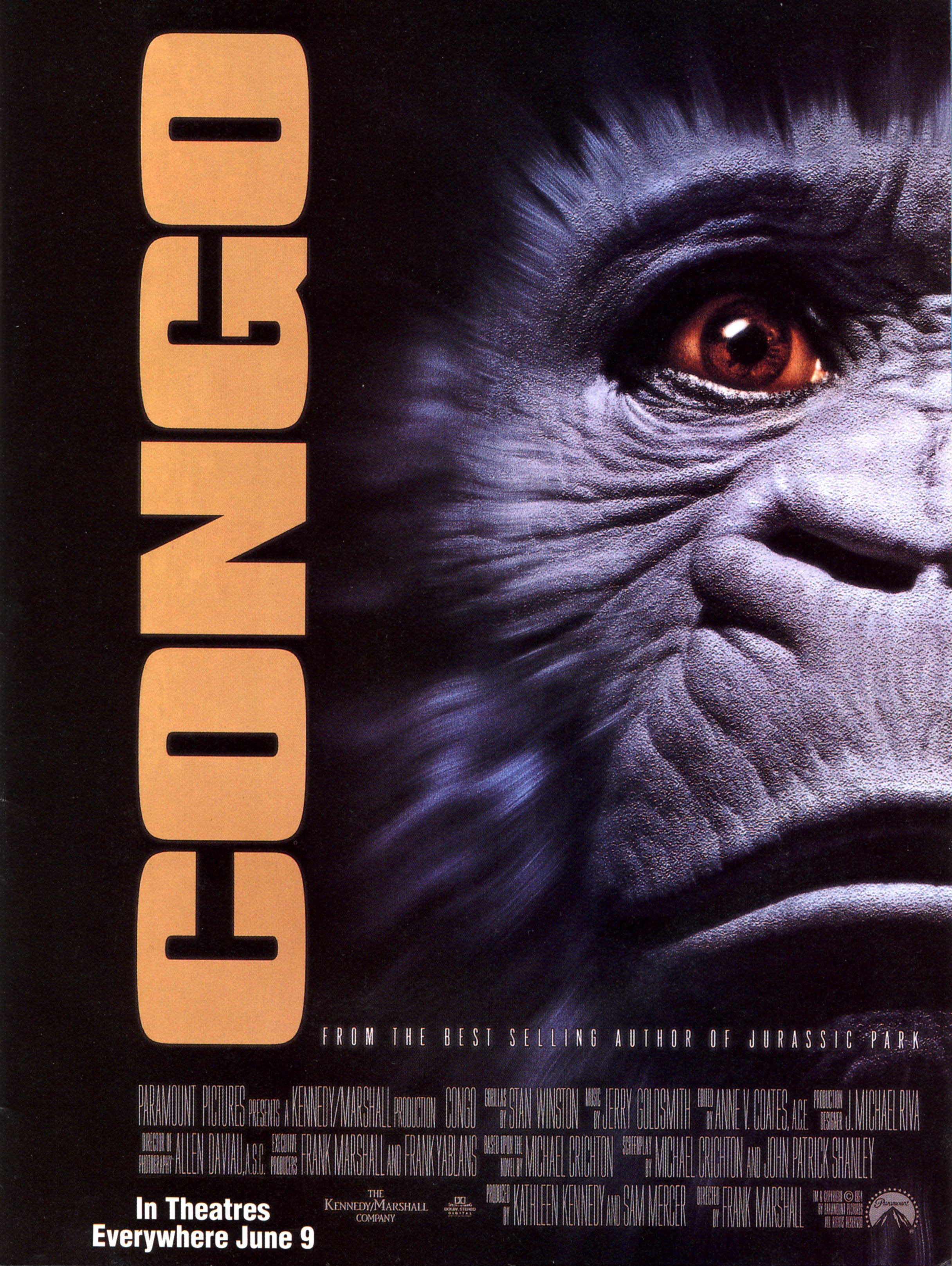
Today’s feature was actually a significant financial success, which moviegoers of 1995 should be embarrassed about now. Here is arguably the least of Michael Crichton film adaptations, “Congo.”

“Congo” was directed by Frank Marshall, a prolific producer with over 100 credits (including “Back to the Future” and “Raiders of the Lost Ark”) whose directing roles before “Congo” included “Alive” and “Arachnophobia.”

“Congo” is loosely based on a best-selling novel by Michael Crichton, who has done his fair share of screen writing and directing on top of writing countless treasured books like “Jurassic Park” and “The Andromeda Strain.” However, the screenplay for “Congo” was written by John Patrick Shanley, an Academy Award winning writer who was behind “Moonstruck” and “Doubt.” Reportedly, Shanley didn’t read the source material, and wrote the screenplay more or less based on a simple synopsis of the story.

The cinematography for “Congo” was provided by Allen Daviau, who was Steven Spielberg’s go-to director of photography earlier in his career, giving him credits on films like “Amblin,” “The Color Purple,” “E.T.,” and “Empire of the Sun.” He also provided cinematography for “Van Helsing,” another film I have covered here on the blog.

The music for “Congo” was composed by Jerry Goldsmith, who worked on scores for films like “Supergirl,” “Mulan,” “Alien,” “Small Soldiers,” and “Gremlins,” among countless others.

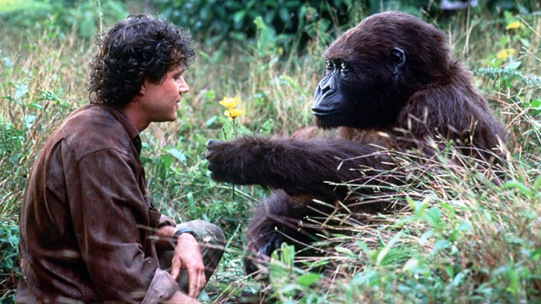
Stan Winston was brought in to create the gorillas for “Congo,” specifically because of his impressive work on “Jurassic Park.” In fact, without his abilities showcased in “Jurassic Park,” “Congo” would likely have stayed in production limbo indefinitely, until effects could catch up enough to effectively replicate gorillas.

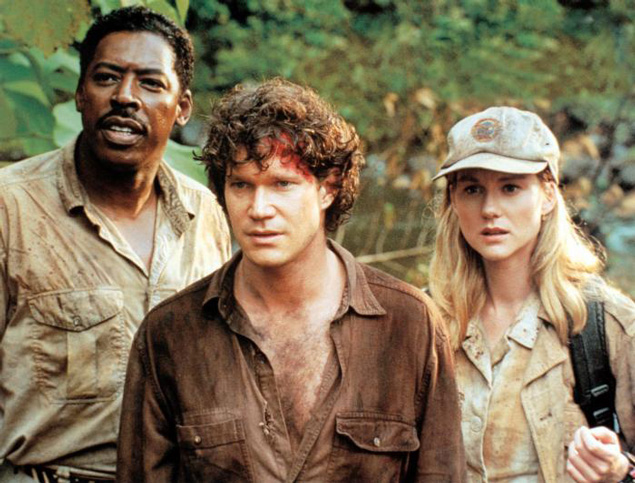
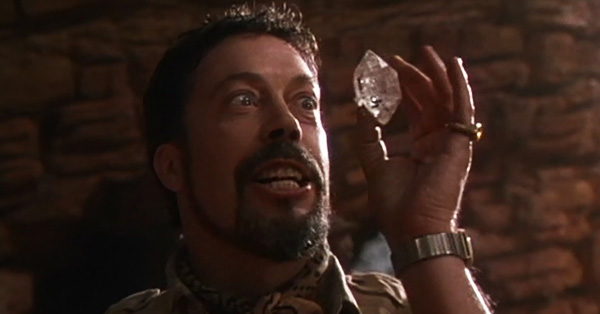
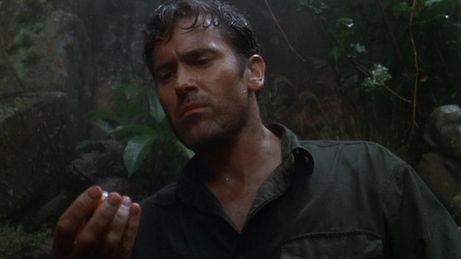
“Congo” features a pretty deep cast of actors, including Joe Don Baker (“Mitchell,” “Final Justice,” “Leonard Part 6”) Dylan Walsh (“Nip/Tuck”), Laura Linney (“The Truman Show”), Ernie Hudson (“Ghostbusters”), and Tim Curry (“It,” “Clue,” “McHale’s Navy”). Beloved b-movie actor Bruce Campbell (“Evil Dead”) also makes a brief appearance in the opening of the movie, and absolutely kills it with his trademark charm before being dispatched by angry gorillas.

The complicated story behind “Congo” involves a number of plots that converge in an expedition into the jungles of the Congo. A team of scientists is seeking to reintroduce a gorilla into the wild, while a number of other parties piggy-back on the operation in search of diamonds, a mythical monument, and a missing loved one. As you would expect, things quickly go awry for the team.

congo5Famous singer Jimmy Buffett appears briefly in the movie, portraying a pilot. Buffett is actually a trained pilot in real life, which I suppose qualified him for the role.

The diamonds used in the production are actually quartz crystals called Herkimer Diamonds, which were the only believable and large enough stones available for the movie. They are very rare, and are only found in specific areas of New York. The crystal at the end of the film that is thrown away was reportedly actually lost, and is presumably still out there somewhere.

congo8“Congo” has a long production history, extending to before the novel was even published in 1980. The success and technical breakthroughs of “Jurassic Park” gave the incentive to get it off the ground, as previously there wasn’t enough confidence in the effects available to portray the apes. Unfortunately, the effects still weren’t advanced enough to handle portraying apes, due to the difficulties in replicating hair. So, ultimately, gorilla suits and models were used anyway.

“Congo” had a box office total of over $150 million worldwide on an estimated budget of $50 million, primarily because of the significant promotion of the film and the lingering hype over “Jurassic Park,” which was fanned by the advertising campaign which drew intentional comparisons between the two films. “Congo” was ultimately the #16 movie of 1995, coming ahead of critically lauded movies like “Braveheart,” “Heat,” “12 Monkeys,” and “Casino.”

The reception for the movie, however, was not so good. “Congo” currently has an IMDb score of 5.0, as well as Rotten Tomatoes rating of 22% (critics) and 29% (audience), making for a very poor reception across the board.

The ape suits clearly don’t match the impressive effects work in “Jurassic Park,” and have aged very poorly. However, there clearly weren’t any other viable options at the time for creating the apes. Realistically, the only thing that could have been done was to just shelve the movie, which would mean losing out on the coat-tails of “Jurassic Park,” which was the prime catalyst for the production to start with. So, I can excuse the ape suits here, at least from a production standpoint. Regardless, this is probably the most disappointing major creature work by Stan Winston outside of “Lake Placid.”

congo4“Congo” features a number of over-the-top accents which struck me as entirely unnecessary. Tim Curry is by far the worst offender, but his faux-Romanian accent is at least entertaining and hammy. Ernie Hudson puts on a bit of an English accent that is also a bit amusing, but perhaps even more unnecessary for his character than Curry’s near-offensive Romanian.

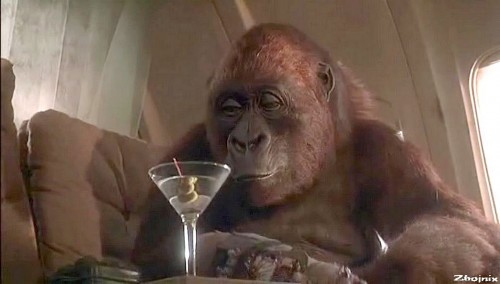
A number of the criticisms I have seen of “Congo” point out the apparently implied romance between Dylan Walsh and Amy the gorilla, which I think was intentional on some level. Both Amy and Walsh’s character were supposed to be sympathetic, and their bond was central to the story. However, particularly at the end of the film, it seemed like they pushed the relationship a bit too far and overt, and it just didn’t come off as well as hoped. Honestly, I think this is at least partly due to how Walsh played the character. I would be shocked if Campbell (who was also up for the role) wouldn’t have played the relationship as more brotherly or parental in comparison to Walsh’s teary-eyed romantic vibe.

congo3Speaking of which, I think “Congo” really suffers from not having enough Bruce Campbell or Joe Don Baker in the story. Both men have powerful presences and personalities, and steal every moment they are on screen. At the very least, having either of them on the main expedition would have made the film more entertaining to watch.

congo6I can’t very well not mention the diamond-powered “communication lasers” at the center of the plot. It obviously sounds fancy, interesting, and potentially insidious, but it just doesn’t make any sense. How exactly are lasers to be used for communication? Also, why are the lasers solely used as weapons when they are supposedly for “communications”? Was that intentional, and the purpose was to develop new military technology all along? It just isn’t clear.

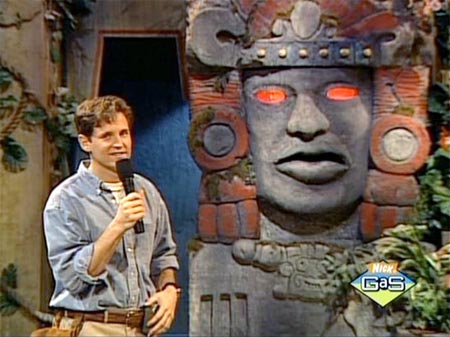
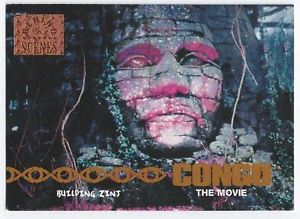
This isn’t exactly a criticism as much as an observation, but the face in the lost city definitely reminded me of Olmec from the TV game show “Legend of the Hidden Temple.” Of course two stone faces are going to look similar, but just take a look for yourself:

congo7 congo9Overall, “Congo” is a pretty dull movie that is only somewhat redeemed by a handful of over-the-top performances. It isn’t good enough to be “Jurassic Park” and isn’t incompetent or goofy enough to be “Anaconda,” and exists in an uncomfortable limbo space in between the two. Realistically, it shouldn’t have been made when it was, and the quality was a costly casualty of a rushed cash-in on the back of “Jurassic Park.” I can still recommend this movie on the strengths of Tim Curry, Bruce Campbell, Joe Don Baker, and the power of nostalgia, but I would be lying if I said making a drinking game of this flick wouldn’t make the experience much easier.

congo2

Bargain Bin(ge) New Orleans: Louisiana Music Factory

Welcome to the latest installment of the Bargain Bin(ge), where I cover used DVD stores from around the country and the various movies I have plundered from them. This past weekend, I took a trip down to New Orleans: one of the most unique and interesting cities in the United States. Of course, I managed to take some time to dig into a couple of local used media spots between enjoying the cajun food and the sights.

nolaThe Louisiana Music Factory is a used media shop on the edge of New Orleans’s French Quarter, sitting on the extreme end of the increasingly popular Frenchman Street. As the name suggests, LMF is primarily a record store, and also has a little stage for live music. That said, it does have a little DVD section that I decided to peruse.

musicfactory6 musicfactory7 musicfactory5 LMF is a cool spot with an interesting ambiance, and shouldn’t be missed if you find yourself in the French Quarter. It is worth the short hike down Decatur. However, you shouldn’t be going for the movies: this is a pure record store, and that’s what you should spend your time digging into here. Unfortunately, records aren’t easy to pack in carry-ons, so I was out of luck. Regardless, I wound up tilling up a couple of worthy DVD finds there.

Caddyshack II

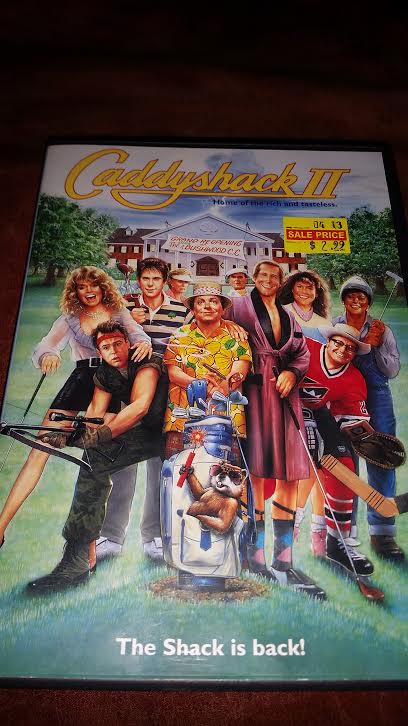
Frankly, this is a movie that absolutely shouldn’t exist. Caddyshack II is a truly reviled sequel that suffered immensely from behind the scenes tensions during the early days of the production. Chevy Chase is the only returning cast member, and he only rarely appears. Rodney Dangerfield backed out before filming, Harold Ramis wanted as little to do with it as possible, and notorious hair-stylist turned producer Jon Peters had a heavy hand in making sure the movie got made in spite of every omen that it shouldn’t be. It is often said that there is nothing worse than bad comedy, but the sheer amount of trivia behind this disaster has me curious to give it a watch.

musicfactory1

Sister Street Fighter

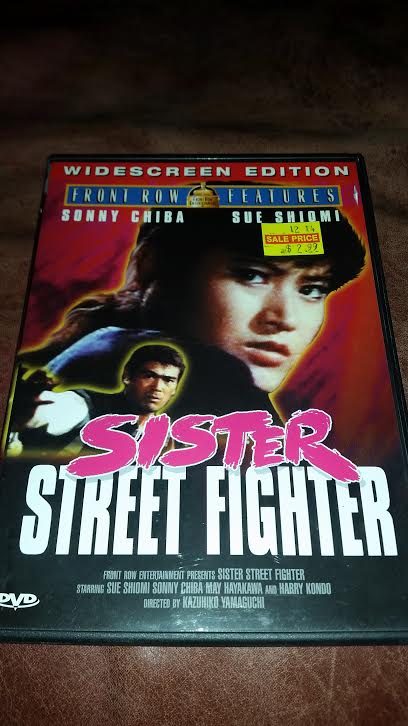
Here is a little spinoff that I actually had no idea existed: Sister Street Fighter. I don’t typically cover martial arts movies, but I’ve had my eye on the Sonny Chiba “Streetfighter” series for a while now (not to be confused with the JCVD video game adaptation). “Sister Street Fighter” is apparently a parallel story to “Street Fighter,” and briefly features Chiba. I’m expecting some extreme b-movie violence, and hopefully an enjoyable watch here. Expect a review on this flick sooner or later on the blog.

musicfactory2

Bargain Bin(ge) New Orleans: The Mushroom

Welcome to the latest installment of the Bargain Bin(ge), where I cover used DVD stores from around the country and the various movies I have plundered from them. This past weekend, I took a trip down to New Orleans: one of the most unique and interesting cities in the United States. Of course, I managed to take some time to dig into a couple of local used media spots between enjoying the cajun food and the sights.

nolaFirst up is an old haunt of mine from my college days at Tulane University: The Mushroom.

mushroom10The Mushroom is sort of an all-purpose alternative interest center: part head shop, part record store, part eclectic emporium. It sits on the corner of Tulane University’s campus, on the second floor of a building that houses both a college bar and one of the most delicious crepe restaurants in the country. Of course, the Mushroom also boasts a significant used DVD section, which I have spent a lot of time digging in over the years.

The most distinctive aspect of The Mushroom, much like New Orleans itself, is the atmosphere. Just check out some of the art on the exterior walls:

mushroom5 mushroom9 mushroom6Did I mention it is also a head shop? In any case, I love the unique flair of the place, both on the inside and the outside. The DVD section is specifically surrounded by t-shirts branded with classic horror and sci-fi movies, which is a nice touch. I picked up a Godzilla shirt there a couple of years ago that I absolutely love, and I was tempted to dig through to find another one. Maybe next time. mushroom8The DVD prices in The Mushroom could be a bit better. However, I came out with 5 dvds (6 movies) for about 15 dollars, which isn’t too bad. The biggest problem is that they usually know when they have something rare or obscure, and they mark them up accordingly. You aren’t going to find any steals here in general, but you will almost certainly find something interesting.

mushroom7

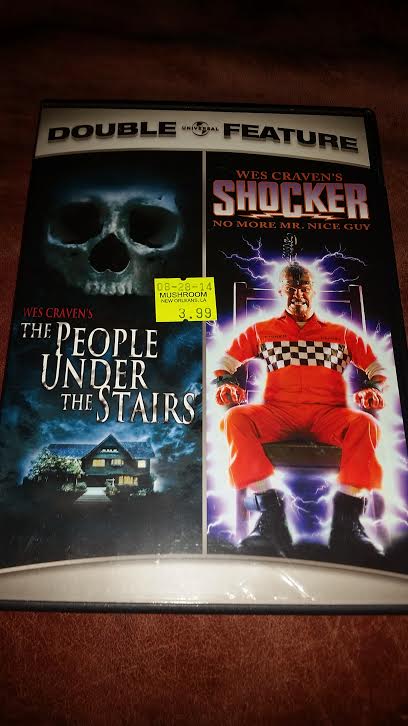
Shocker / The People Under The Stairs

So, on to the movies I picked up at The Mushroom. First, there is a Wes Craven double feature of “Shocker” and “The People Under The Stairs.” Neither of these are exactly considered highlights in Craven’s career, but they both have fan followings for sure. Also, I haven’t seen either of them, nor did I have copies of them previously. I recently missed a screening of “The People Under The Stairs” at Gateway Film Center, so I’m going to specifically look forward to giving that a watch.
mushroom2

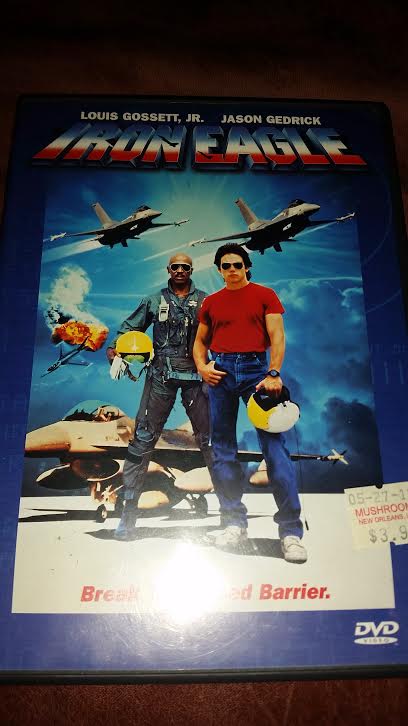
Iron Eagle

The next find is a bit of a forgotten flick, mostly because of how overshadowed it was by a better film with a similar concept. Years before “Volcano” vs “Dante’s Peak” and “Armageddon” vs “Deep Impact,” there was “Top Gun” vs “Iron Eagle.” I think that this is the first time I have run across a DVD copy of this film, and this is another one I haven’t seen before. I might do a back to back of this and “Top Gun” as a sort of retrospective comparison. Speaking of which, I’ve been meaning to do that with “Catch-22” and “M.A.S.H” too. Keep your eyes peeled.

mushroom4

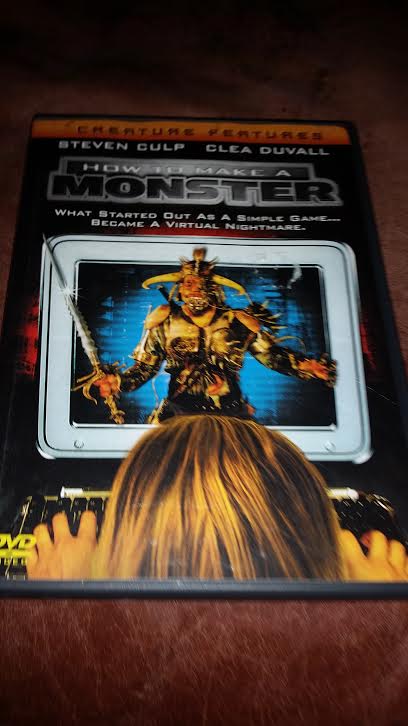
How To Make A Monster

Here is a movie I considered early on as a possibility for Killer Robot Week, but I knocked it out partially because I couldn’t find a copy. So, I was understandably pretty surprised to find a copy of it in the wild. “How To Make A Monster” is a television movie from 2001 that surprisingly features effects work from the legendary creature creator Stan Winston, who certainly had no business working on TV that late into his legendary career. I’ll be interested to see if there is some reason for his involvement, but I’ll save that for a proper review. What is more important to note is that this is a television movie from 2001 about a killer video game, so it is bound to have awful CGI and dated references to controversy over violence in video games. Sounds like a good time to me! The writer/director, George Huang, also did the movie “Swimming With Sharks,” which is basically “Entourage” without the central cast or comedic elements (so, better). It features Kevin Spacey as the intensely abusive and reprehensible super-agent character, and you can just feel how much Piven pulled his character of Gold from the performance. I haven’t seen it in a few years, but I liked it on the initial watch.

mushroom1

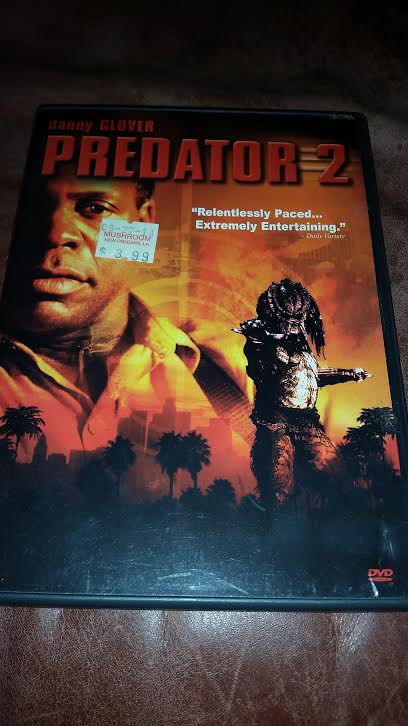
Predator 2

When it comes to sequels failing to live up to the potential of their concepts, “Predator 2” has to be towards the top of that list. Moving the stealthy alien hunter from the jungle into an urban environment sounds like a winner, but then again, so did the idea of combining Predators and Xenomorphs on screen. I haven’t seen this flick in years, but I don’t recall hating it when I saw it years ago. I was just…disappointed. I’ll be interested to see what this movie is like for me now, because it has been at least a decade since I last saw it.

mushroom3

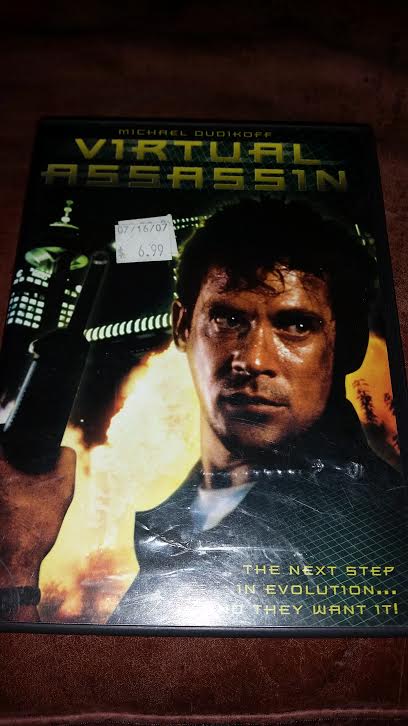
Virtual Assassin

Here a flick I don’t actually know anything about: “Virtual Assassin” or “CyberJack.” From what I can tell, it is a “Die Hard” knock-off with a sci-fi, high-tech twist. The director, Robert Lee, primarily works as an assistant director, and has been in the crew of such flicks as Uwe Boll’s masterpieces “House of the Dead” and “Alone in the Dark.” The film stars Michael Dudikoff, who is best known as Cannon’s “American Ninja.” He’s had one hell of a b-movie career, and his presence was enough to sell me on giving this thing a shot.

mushroom11

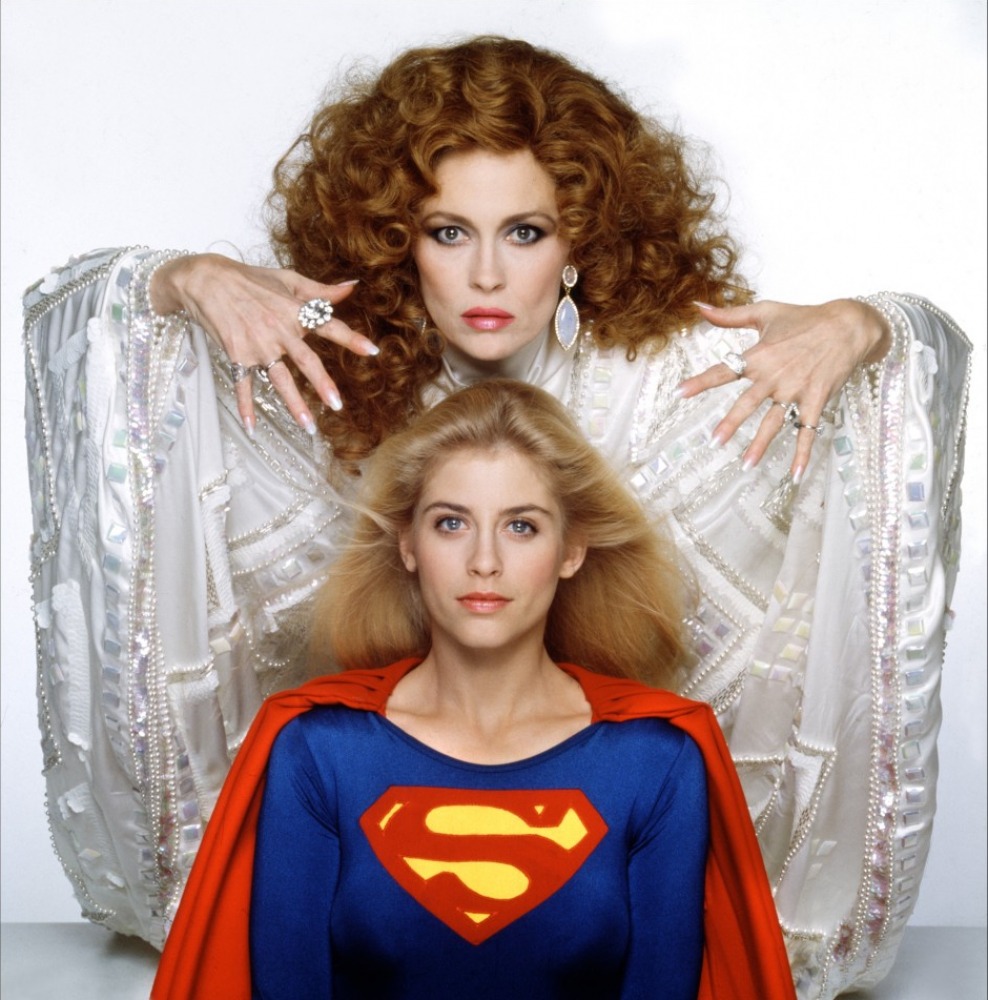
Supergirl

Supergirl

supergirl3

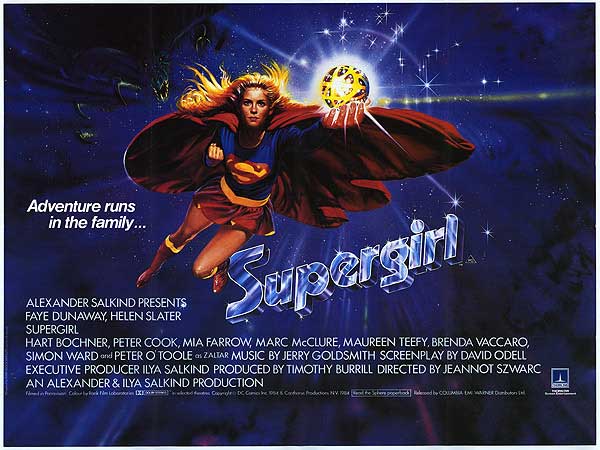
Today, I’ll be covering one of the most infamous superhero films of all time: 1984’s “Supergirl.”

“Supergirl” was directed by Jeannot Szwarc, who is best known for directing “Jaws 2,” as well as a number of television shows in recent years (including episodes of “Supernatural” and “Bones”). The script for “Supergirl” was written by David Odell, who also wrote the screenplays for “Masters of the Universe” and “The Dark Crystal.” His writing career on films understandably didn’t survive the 1980s.

The cinematography on “Supergirl” was provided by Alan Hume, who racked up over 100 cinematography credits over his career. His works include “A Fish Called Wanda,” “Octopussy,” “A View To A Kill,” and “Return of the Jedi.”

The effects team for “Supergirl” included Alan Barnard (“Krull,” “Indiana Jones and The Last Crusade”), Peter Biggs (“Who Framed Roger Rabbit?”), Brian Warner (“Superman,” “Hudson Hawk,” “Alien 3”), Ken Morris (“Willow,” “A View To A Kill”), Peter Dawson (“Gymkata,” “Batman,” “Full Metal Jacket”), Michael Dunleavy (“Event Horizon,” “Gladiator,” “Aliens”), and Ron Cartwright (“Space Truckers”).

The score for “Supergirl” was conducted and composed by Jerry Goldsmith, who created over 250 film compositions over his career, including scores for “The 13th Warrior,” “Small Soldiers,” “Mulan,” “Gremlins,” “Congo,” “The ‘Burbs,” “First Blood,” “Alien,” “Poltergeist,” and “Logan’s Run.”

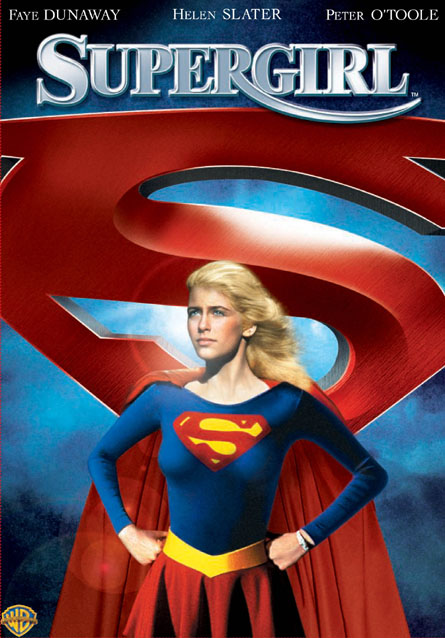
“Supergirl” features an impressively deep cast, headlined by newcomer Helen Slater in the lead role. The accessory cast includes such notables as Faye Dunaway, Peter O’Toole, Mia Farrow, Brenda Vaccaro, Peter Cook, and Marc McClure (reprising his role as Jimmy Olsen from the “Superman” movies).

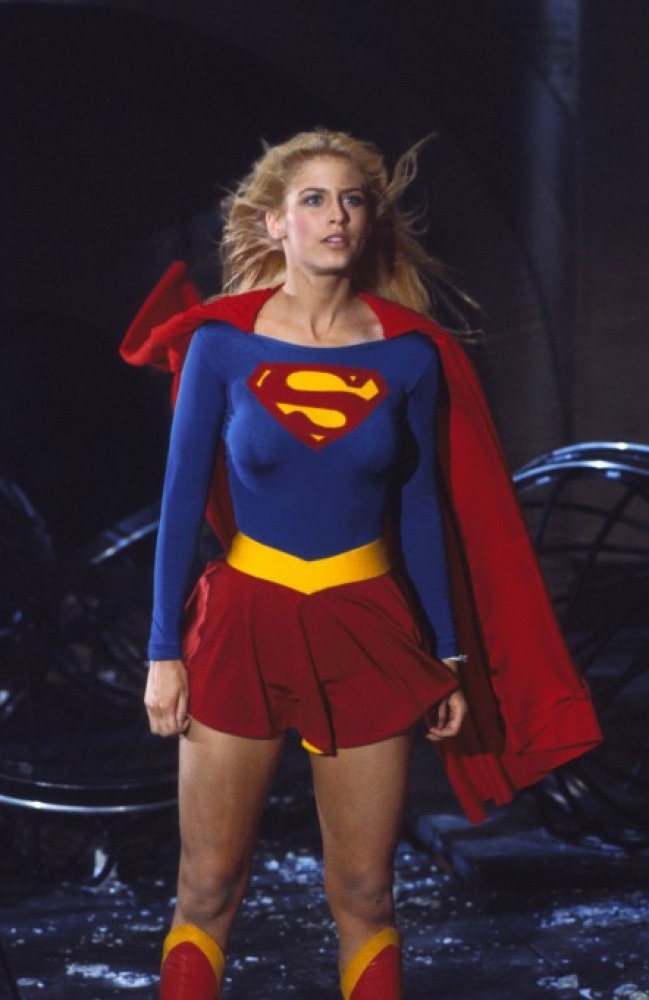
supergirl6The story of “Supergirl” follows the hero as she leaves her home in search of a mysterious lost energy source, which she tracks down to Earth. While hunting it down, she has to learn how to adapt to human customs and blend in with the world.

“Supergirl” is, in fact, canonical with the famous “Superman” series of films starring Christopher Reeves, and iterations of the screenplay intended for him to appear as Superman in either a cameo or supporting role.

supergirl4With DC recently relaunching a combined cinematic universe, it may just be a matter of time before Supergirl gets another chance at a big screen adaptation. Currently, there is a CBS television series being created around the character, which may or may not ultimately tie in to the cinematic universe.

Helen Slater made a number of appearances on the hit television adaptation of the Superman story called “Smallville,” in which she played Superman’s mother, a nod to her earlier role as a Kryptonian in “Supergirl.”

Interestingly, two distinct cuts of “Supergirl” exist. One is an “international” director’s cut that only premiered on home video years after the movie’s release, while the other is a significantly trimmed version that was theatrically released by TriStar after Warner Brothers shelved it.

The casting pool for the character of Supergirl apparently included notables such as Melanie Griffith and Brooke Shields, which makes it all the more impressive (and perplexing) that it ultimately went to an unknown name. Likewise, the character of Selena was pitched to Dolly Parton, Jane Fonda, and Goldie Hawn before it was ultimately (and infamously) taken on by Faye Dunaway.

supergirl1The screenplay for “Supergirl” reportedly had to go through a good number of rewrites, each with drastic story differences around the inclusion and exclusion of specific characters. One of the producers (Alyssa Cartagena) was apparently so unhappy with the script’s final form and the production as a whole that she was ultimately dismissed from the film, which was probably better for her in the long run anyway.

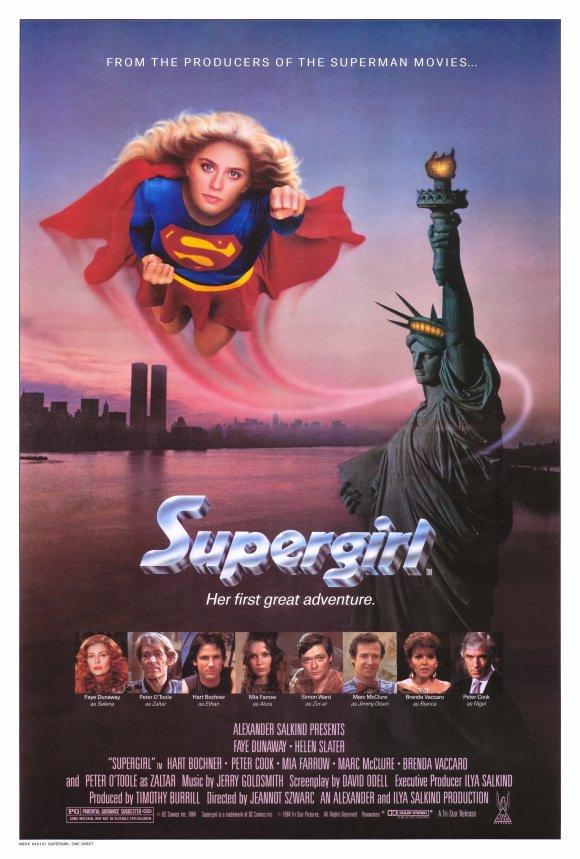
The original theatrical poster for “Supergirl” famously (and hilariously) features the Statue of Liberty in the background, holding her torch in the wrong hand. Of course, that is the sort of attention to detail you can expect from one of the worst regarded films of the 1980s.

supergirl3The character of Supergirl was created in 1959 by Otto Binder and Al Plastino, and is an immensely popular character in the DC universe. Much like Superman, she is a surviving Kryptonian who is given similar powers to Superman while on Earth. Unlike her film version, however, she has developed a good deal of depth over the years, and has gone through a number of reboots and character shifts.

The reception to the “Supergirl” movie was incredibly negative, and the film was nominated for two Golden Raspberries for Faye Dunaway and Peter O’Toole’s performances as the worst of the year. The movie currently holds Rotten Tomatoes ratings of 7% (critic) and 26% (audience), as well as an IMDb score of 4.3.

supergirl2“Supergirl” had a lifetime gross of just over $14 million in its theatrical run. However, the budget was estimated at $35 million for the picture, making it a significant financial failure when all was said and done.

The biggest problem with “Supergirl” by a significant margin is the writing. The dialogue, the plot, and the characters are all just awful, and it is frankly amazing that this was the product that resulted after five re-writes. Particularly, all of the women come off as excessively simplistic and infantile, specifically Dunaway’s Selena and Supergirl herself. I’m not sure if the characters were intended to be funny, but the way they are written just doesn’t work at all. As much as Dunaway was disparaged for her work in “Supergirl,” she actually seemed like a strong point for me, if for no other reason than she put some intensity and passion into the ridiculous role.

supergirl5Overall, “Supergirl” suffers a lot not just from the writing and acting, but also from some incredibly slow pacing, which is a problem that can kill any film that would otherwise be entertaining. The highlights of the film are probably worth looking up, but in general it is far too slow to be an entertaining watch. Faye Dunaway is about the only saving grace to the film, and her absence is notable when she isn’t on screen.

For bad movie lovers, “Supergirl” is probably worth giving a shot for the experience of it, and for the highlight moments. However, general audiences probably won’t want to hang around for the whole trainwreck, and could very well doze off somewhere in the second act.

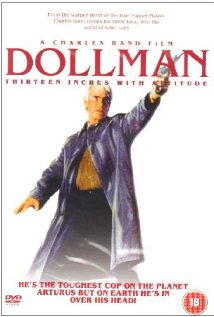
Dollman

Dollman

dollman1

Today’s b-movie feature is “Dollman,” the story of a stranded renegade cop from space who barely measures a foot tall on Earth.

“Dollman” was directed by b-movie legend Albert Pyun, who has been behind films like “Cyborg,” “Captain America,” “Alien From L.A.,” and “The Sword and The Sorcerer” over his 30+ year directing career.

The screenplay for “Dollman” is credited to Chris Roghair, who has no other acknowledged writing credits. The story is credited to Charles Band himself, who ran Full Moon Pictures, the outfit which produced the film. There were a couple of other hands involved in the writing that didn’t received formal credit on the film, namely David Padian (“Puppet Master II”) and Ed Naha (“Dolls,” “Troll,” “C.H.U.D. II”).

dollman3The cinematography for “Dollman” was provided by George Mooradian, who also worked on features such as “Bats,” “Omega Doom,” and “The Hitcher II.”

The effects team on “Dollman” included Bill Sturgeon (“Videodrome,” “An American Werewolf in London,” “Aliens,” “The Frighteners”), Logan Frazee (“Blade Runner,” “Willy Wonka & The Chocolate Factory,” “Heat,” “Mystery Men”) Mike Smithson (“Thor,” “Avatar,” “Teen Wolf Too”) Garrett Immel (“Drag Me To Hell,” “Scream,” “Sin City”) James Belohovik (“Evil Dead II,” “The Thing,” “Robot Jox”), and Roger Borelli (“Men In Black,” “Darkman,” “Army of Darkness”).

The music for “Dollman” was provided by Anthony Riparetti, who has contributed scores for other Albert Pyun movies such as “Alien From L.A.” and “Knights.”

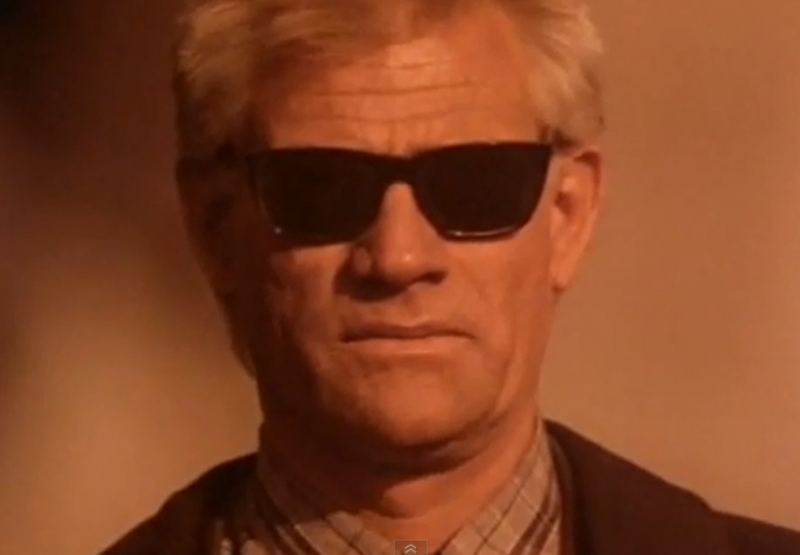
dollman6The cast of “Dollman” is headlined by Tim Thomerson (“Trancers,” “Fade to Black”) and Jackie Earl Haley (“Watchmen”), with the supporting cast being rounded out by Kamala Lopez (“I Heart Huckabees”), Frank Collison (“O Brother, Where Art Thou?”, “The Village”) and Nicholas Guest (“Trading Places”).

The story of “Dollman” follows a renegade space policeman as he pursues an alien criminal to Earth, where the two of them only measure a foot tall. They are then forced to find a way off of the planet while surviving life in the gang-dominated Bronx and battling each other.

“Dollman” received a sequel via a crossover with another Full Moon Features franchise, “Demonic Toys.” “Dollman vs The Demonic Toys,” as it was creatively titled, was directed by Charles Band and is widely disliked even by fans of his work.

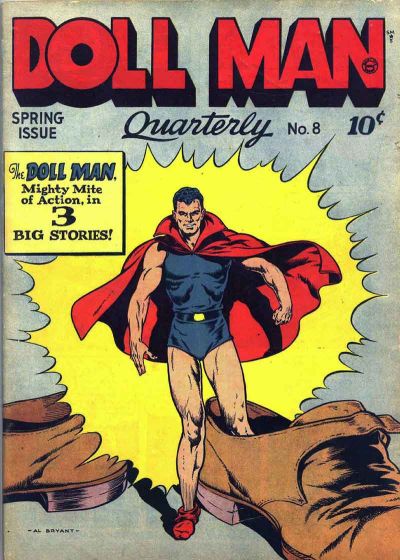
Interestingly, “Doll Man” is an actual super hero who currently exists within the D.C. canon, though he is best known for in his golden age form published by Quality Comics. He was interestingly the first shrinking comic book hero, predating more well known characters like “Ant Man.” Full Moon’s “Dollman” also had its own limited run in comics published by Eternity, which produced series based on a number of the production’s features.

dollman2I wasn’t able to find any information about the budget or financial gains of the film, but I assume that the budget was significantly low given the production company. I would be shocked if it didn’t ultimately turn a profit of some kind. The movie has a bit of a cult following, but isn’t widely beloved: it currently has an IMDb rating of 5.8, and a Rotten Tomatoes audience score of 37%.

Most reviews I have seen of “Dollman” admit that, despite its cheesiness, it certainly has some entertainment value to it for fans of b-movies. I can’t help but agree: it isn’t fantastic by any means, but there are plenty of things to enjoy in “Dollman” if you can accept it for the minimal (ha) production that it is.

The special effects throughout “Dollman” are really a mixed bag. I loved the work that was done to the environments to make characters appear small, and the over-the-top squibs kind of work, but the rest of the effects just don’t cut it. That said, the squibs are more than enough to enjoy for bad movie fans.

dollman4I will say that the sets and production design in “Dollman” are ok, and definitely distinguish Earth and the alien world. However, the lighting and shots make things very difficult to see, particularly in the early segments on the alien planet. It pretty much offsets the creative details of the world when you can’t see them on screen.

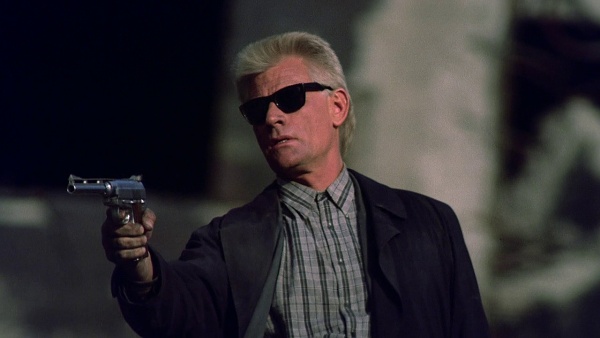
One of the key draws of “Dollman” is definitely the super gun, which essentially makes up for the character’s small size. The effects of it are absolutely ridiculous and it is beyond overpowered, but it certainly is fun to watch. I will note that the guns design and Dollman’s personality make it pretty transparent that his character is basically Dirty Harry in a sci-fi setting, but that is hardly something to complain about.

The writing and acting throughout the movie is pretty awful, but Tim Thomerson definitely stands out as a highlight. He manages to make some otherwise cringe-worthy one-liners and puns work for his bad-ass character, which is no small feat.

Overall, “Dollman” isn’t a great movie, and doesn’t quite deserve classification among the elite “good-bad” features out there either. It certainly has entertaining moments that give it value, but it isn’t an essential watch if you ask me. If you are a fan of Full Moon or Albert Pyun, you will probably enjoy it, but average audiences might not be as enthusiastic about the feature.

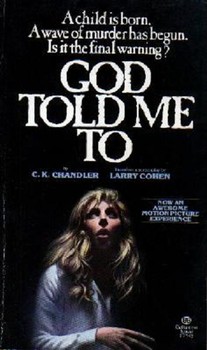
God Told Me To

God Told Me To

godtoldmeto1

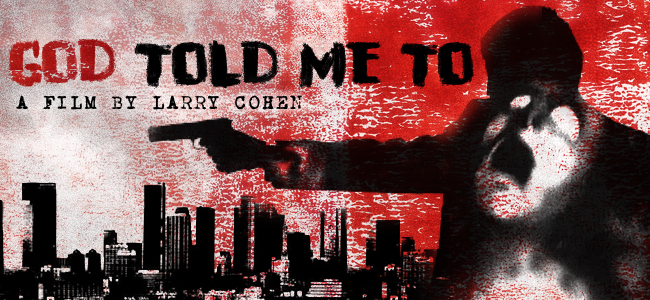
Today’s feature is a surreal and somewhat obscure feature by b-movie icon Larry Cohen: “God Told Me To.”

“God Told Me To” was written and directed by Larry Cohen, one of my favorite figures in the b-movie world. He is probably best known for “It’s Alive,” but is also responsible for “The Stuff,” the “Maniac Cop” franchise, “Phone Booth,” and the blaxploitation classic “Black Caesar,” among many others.

The effects on “God Told Me To” were provided by first-timer Steve Neill, who went on to work special effects on movies like “Puppet Master,” “The Stuff,” “Saturday the 14th,” and “Laserblast.”

godtoldmeto2

“God Told Me To” was photographed by a man named Paul Glickman, who worked with Larry Cohen again in the 1980s on a handful of later films (“The Stuff,” “Perfect Strangers,” and “Special Effects”).

The music for “God Told Me To” was provided by Frank Cordell, and was his last film composition before his death in 1980. The music was initially slated to be provided by the legendary Bernard Hermann after he finished on “Taxi Driver,” but he tragically died of a heart attack immediately after completing that film’s score.

godtoldmeto3

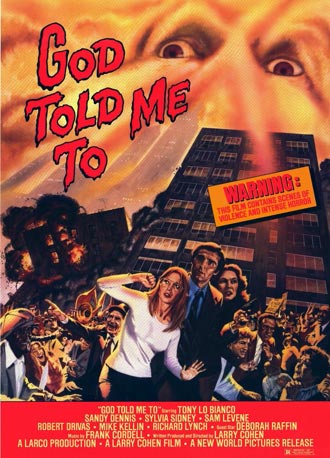
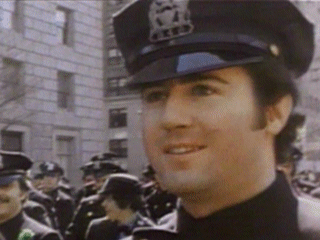
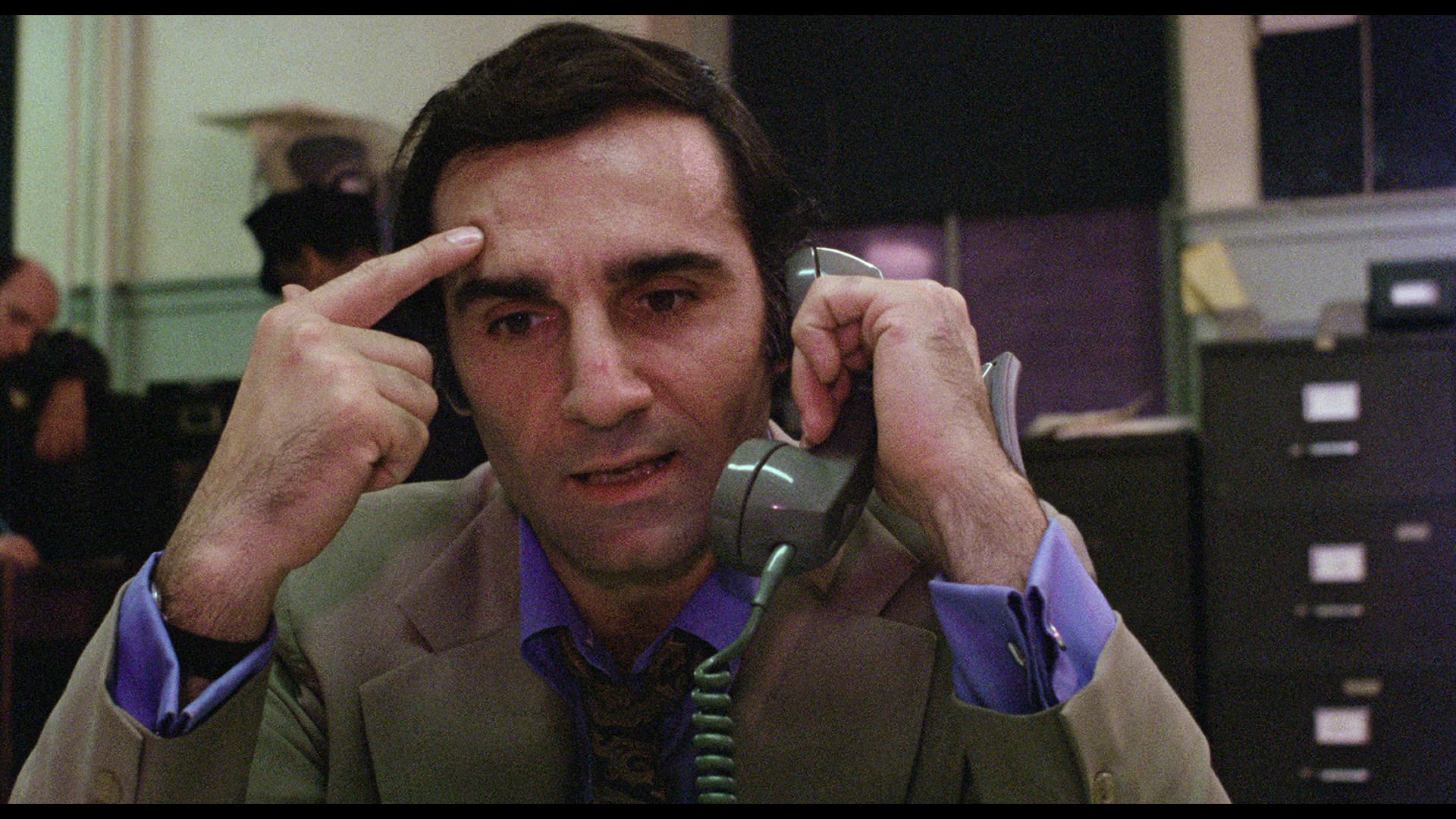
The cast of “God Told Me To” was led by Tony Lo Bianco, Richard Lynch, Sylvia Sidney, Sandy Dennis, Deborah Raffin, and Robert Drivas. Interestingly, Andy Kaufman briefly appears in his first film role, surprisingly as one of the killers.

godtoldmeto7

The story of “God Told Me To” centers around an investigation into a series of perplexing murders, in which the killers all claim to have been instructed by God. A particularly religious detective attempts to dig up the bizarre roots of what he convinces himself are cult-motivated murders, in an attempt to prevent any more killings.

“God Told Me To” was also released under a couple of alternate titles, including “Demon” and “God Told Me To Kill,” though it is most widely known and recognized by the original title. I personally prefer “God Told Me To Kill,” but I am willing to bet that that title wasn’t going to fly for the theatrical release.

godtoldmeto5

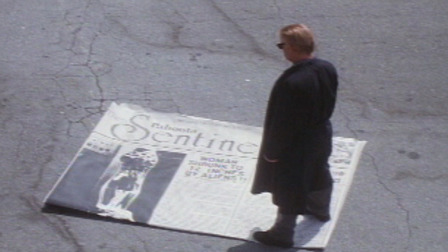
One particularly surreal sequence of “God Told Me To” depicting an alien abduction (yes, the plot involves aliens by the end) features footage pulled from the 1970s British Sci-Fi series “Space: 1999.”

“God Told Me To” was clearly made on a minimal budget, but it looks pretty impressive considering. I wasn’t able to dig up any box office or budget information on the film, but apparently it was not financially successful or well-received upon its initial release. However, it has certainly gained a good deal of cult popularity over the years, particularly within the horror community. It was recently named as #94 on list of the 100 greatest horror movies on TimeOut.com, based on voting from an assortment of horror professionals (including Simon Pegg and Roger Corman, reportedly).

godtoldmeto6

“God Told Me To” was, as mentioned, not well received when it was initially released in theaters. It currently holds Rotten Tomatoes ratings of 55% (audience) and 75% (critic), as well as an IMDb score of 6.3.

“God Told Me To” is without a doubt a very weird movie that goes in odd directions, and is anything but predictable. Reviews I have seen almost always cite the ending and various revelations as confusing, but nonetheless inventive. It seems like only a very particular niche of viewers are going to enjoy this film, just because of where the surreal plot ultimately goes.

Roger Ebert wrote a particularly scathing review that took shots at both the screenplay and the editing on “God Told Me To”:

“This is the most confused feature-length film I’ve ever seen…There were times when I thought the projectionist was showing the reels in random order…a sort of 52-card pick-up of cinema.”

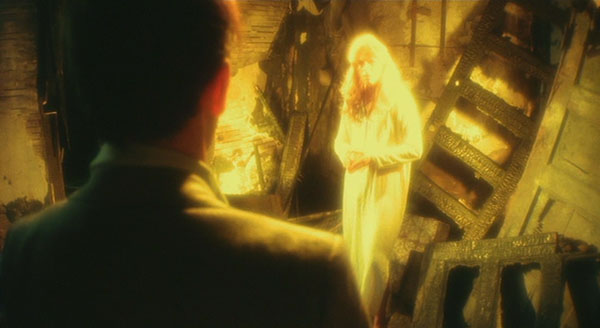
I personally think that the way the film is put together fits with the way the story becomes increasingly surreal as the plot goes on, and that Ebert was a bit more than unfair with his treatment of the film. The review is brief, but it is clear from the outset that he went in expecting to hate the movie, and that the experimental aspects of its construction didn’t work for him. I agree about his assessment of the cult leader character though, and thought they could have done a better job with him. He should have been something more than “a hippie who glowed yellow,” which I didn’t think carried the gravity that it should have.

godtoldmeto4

For fans of Larry Cohen’s earlier works, it is easy to see little bits of influence from his blaxsploitation movies in the details of “God Told Me To,” particularly in the inclusion of a flamboyant, extortionist gangster. Cohen’s films “Black Caesar” and “Hell Up In Harlem” are seen as near-essentials of the sub-genre, and are certainly worth looking into.

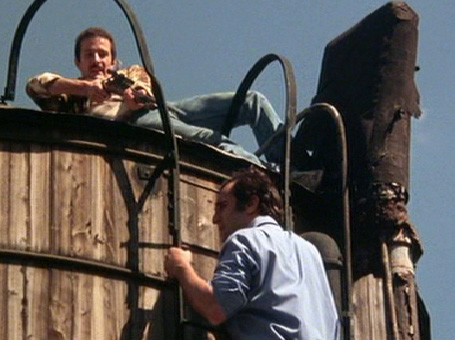
The opening sniper sequence of “God Told Me To” reminded me of another movie called “Targets,” Peter Bogdanovich’s first film made in 1968. The movie similarly centers around a spree killing, and features some similar shots of sniping. It has been on my radar for a while now, and may very well pop up on the blog for a review sooner or later.

Overall, I liked “God Told Me To,” though not as much as I thought I would going into it. The movie loses most of its coherence towards the end, which doesn’t necessarily have to happen with a surreal storyline if you ask me, but usually does. The film also loses some steam after a really strong opening hook and first act, but I thought that the ending was ultimately satisfying after a little bit of dragging in the middle.

I can definitely recommend “God Told Me To” for fans of Larry Cohen’s other works,  as well as for hardcore horror folks in general. I will say that it may be a bit weird for general audiences, and it is also a bit of a slow burn pacing-wise, with an atmospheric style that won’t resonate with a lot of people. I see this movie as a curiosity that is understandably obscure, and it is certainly not as fun or light-hearted as some of the later, more memorable Cohen movies. That said, it is arguably Cohen’s best film. If the bizarre plot doesn’t turn you off, I recommend giving it a shot.

Night Shift

Night Shift

nightshift1

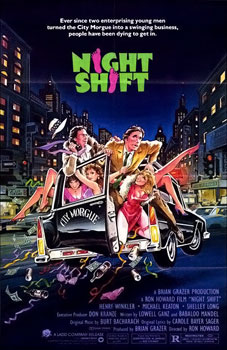
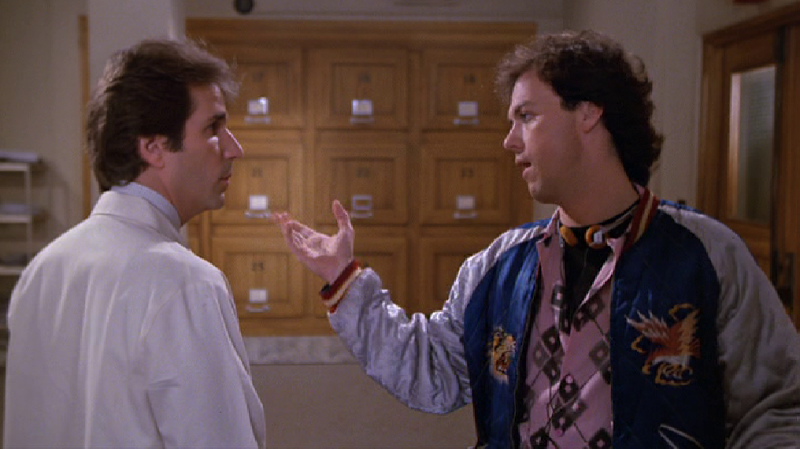
Today’s feature is a somewhat forgotten film from 1982 that stars Batman and the Fonz, and is directed by none other than Opie: “Night Shift.”

“Night Shift” was directed by Academy Award winner Ron Howard, and was only his second directorial feature after the Roger Corman produced “Grand Theft Auto” in 1977, which he also starred in. Those with a keen eye might spot Howard in “Night Shift” as well, though he only appears briefly while obnoxiously playing a saxophone.

The screenplay for “Night Shift” was written by the duo of Lowell Ganz and Babaloo Mandel, who went on to pen “A League of Their Own” and “City Slickers,” among many other memorable films. The “Night Shift” cinematography was done by one James Crabe, who is best known for his work on “Rocky” and the first two “The Karate Kid” movies, making for an overall very interesting team behind the film.

“Night Shift” had two primary producers: Ron Howard’s now long-time partner Brian Grazer, and a man named Don Kranze, for whom this was his last film credit. Kranze was primarily an assistant director in the 1950s and 1960s, working on acclaimed films like “12 Angry Men,” “The Hustler,” “The Graduate,” and “A Face In The Crowd.”

The music for “Night Shift” was provided by Academy Award and Grammy Award winner Burt Bacharach, who has, to date, written 73 US top 40 hits over his long career. The ending theme for “Night Shift”, “That’s What Friends Are For,” later became a #1 hit after being covered by a super-group led by Dionne Warwick for the charity American Foundation for AIDS Research.

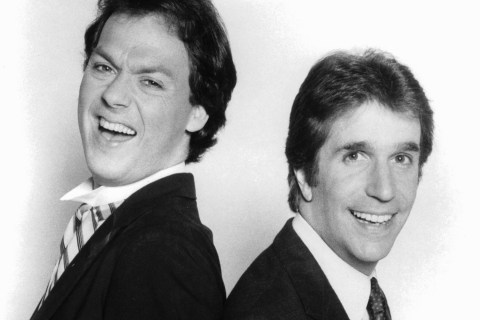
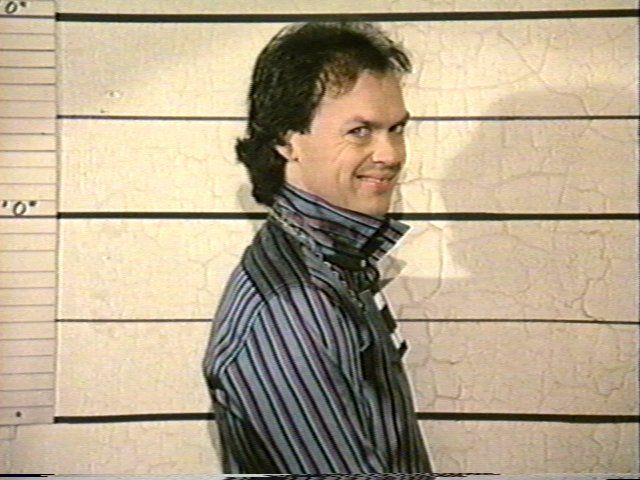
The cast of “Night Shift” most notably features acclaimed actor Michael Keaton in his first major film role. It also starred Ron Howard’s “Happy Days” cohort Henry Winkler, at arguably the height of his powers (in the middle of “Happy Days,” though after his infamous shark jump). In the years since “Happy Days,” he has more often played zany characters and self parodies in supporting roles, such as in “Arrested Development,” “The Waterboy,” and “Scream.” Meanwhile, Keaton has become iconic for his work in both comedies and dramas, including “Beetlejuice,” “Batman,” and the recently acclaimed “Birdman.”

The supporting cast of “Night Shift” includes Shelley Long (just before the start of “Cheers”), Gina Hecht (“Mork & Mindy,” “Seinfeld”), and character actor Clint Howard, as well as a few recognizable pre-fame background players in Kevin Costner and Shannen Doherty.

The story of “Night Shift” follows two late-night employees at a city morgue, who, through a series of unlikely shenanigans, wind up running an underground prostitution ring while on the job. Predictably, this leads them into conflict with local organized crime, the law, and each other before long.

nightshift4Critics generally liked “Night Shift,” (Rotten Tomatoes score of 95%) and specifically the central performances by Keaton and Winkler. The movie suffers a little bit by comparison to similar features (namely “Risky Business”), and is certainly not a polished work in comparison to Howard’s later work. Still, the main players have all seen at least a moderate amount of success in the years since “Night Shift,” and it has gained a bit of cult popularity.

The popular reception to “Night Shift” was good, but not great. It currently hold a Rotten Tomatoes audience score of 61%, and an IMDb rating of 6.5. The movie grossed over $20 million in its theatrical release. Though I wasn’t able to dig up the film’s budget, I would be shocked if that number didn’t make for a significant profit on it.

nightshift2I generally enjoyed “Night Shift,” though it certainly falls off in the second half as far as the pacing goes. The conflicts between the characters drag on a little longer than they need to, and the run time of over 1 hour 45 minutes could certainly have used some trimming. The movie also isn’t as much of a black comedy as you might expect for a film about a morgue prostitution ring: it is actually a bit tame, and Keaton relies more on zany, frenetic comedy than anything else. There is also some really uncomfortable attempts at comedy around Gina Hecht’s character that just don’t fit in the movie or land, though it is arguably necessary to demonize her somewhat to make Winkler stay likable and sympathetic throughout the story. That said, Keaton and Winkler are excellent, and their chemistry really drives the film.

nightshift3Overall, “Night Shift” is a pretty good watch, but mostly on the merits of the individual parts rather than the product as a whole. Without the context of the careers of Ron Howard, Michael Keaton, and Henry Winkler, I think this movie would be more forgotten than it is. Michael Keaton’s return to prominence with “Birdman” has brought this back into the public consciousness on some level, and gave me the motivation to go dig it up. There is some entertainment value to it, but not as much as I expected, and certainly not in the way I expected. If it sounds like the sort of movie you would enjoy, then you probably would. Otherwise, you are not missing much here.