Tag Archives: worst movies

Snake Eyes

Snake Eyes

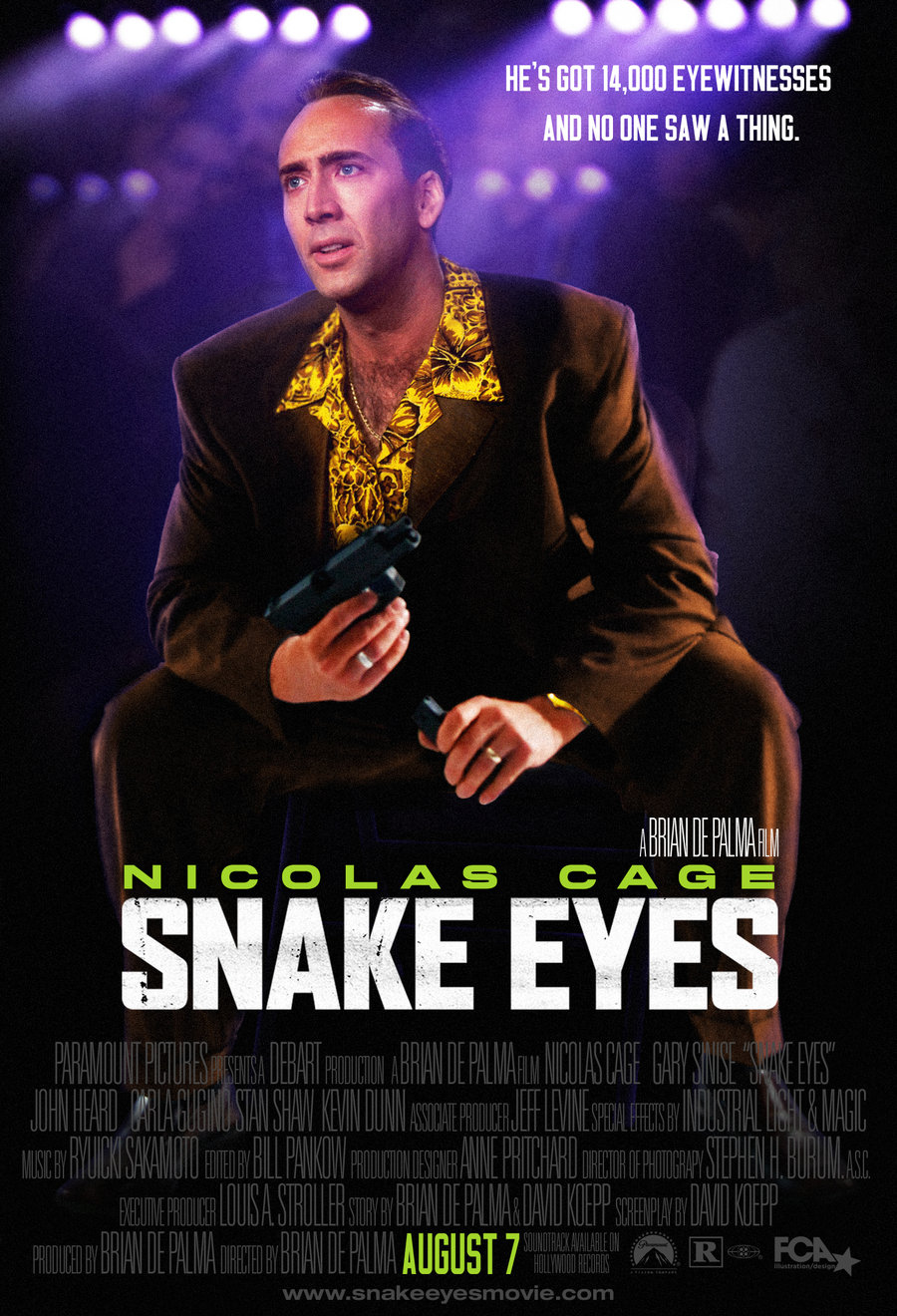
Today, I’m going to delve into yet another Nicolas Cage feature: Brian De Palma’s 1998 casino thriller, Snake Eyes.

The plot of Snake Eyes is summarized on IMDb as follows:

A shady police detective finds himself in the middle of a murder conspiracy at an important boxing match in an Atlantic City casino.

Snake Eyes was directed and produced by Brian De Palma, an acclaimed auteur who has been behind films like Scarface, Mission: Impossible, The Untouchables, Carlito’s Way, Mission To Mars, Blow Out, Dressed To Kill, Carrie, and Body Double, among others.

The screenwriter for Snake Eyes was David Koepp, who penned flicks like Indiana Jones and the Kingdom of the Crystal Skull, Panic Room, Secret Window, Spider-Man, The Shadow, Jurassic Park, I Come In Peace, Death Becomes Her, Carlito’s Way, and Mission: Impossible.

The primary cast of the film includes Nicolas Cage (Con Air, Face/Off, Vampire’s Kiss, Leaving Las Vegas, Adaptation., The Wicker Man, Ghost Rider, The Cotton Club), Gary Sinise (Apollo 13, The Green Mile, Forrest Gump, Mission To Mars, The Stand), John Heard (Home Alone, CHUD, Cat People, After Hours, The Pelican Brief), Carla Gugino (Watchmen, Sin City, Night At The Museum, Sucker Punch, American Gangster), Kevin Dunn (Veep, Warrior, Small Soldiers, Godzilla), Michael Rispoli (Kick-Ass, Death To Smoochy, Rounders, Volcano), Luis Guzman (Waiting…, The Adventures of Pluto Nash, Oz, The Substitute, Boogie Nights), and Mike Starr (Ed Wood, Goodfellas, Dumb and Dumber, Black Dynamite).
The cinematographer for Snake Eyes was Stephen H. Burum, whose other shooting credits include Hoffa, Mystery Men, The Shadow, Rumble Fish, The Outsiders, and The Entity, as well as a number of other Brian De Palma movies, including Mission To Mars, Carlito’s Way, Raising Cane, and The Untouchables.

The editor on the film was Bill Pankow, who is known for cutting Drumline, Money Train, Double Team, American Ultra, Feel The Noise, Max, Carlito’s Way, The Bonfire of the Vanities, Body Double, and The Untouchables.

The musical score for Snake Eyes was composed by Ryuichi Sakamoto, who also provided music for the movies Femme Fatale, The Adventures of Milo & Otis, Merry Christmas, Mr. Lawrence, and The Last Emperor.

Snake Eyes is perhaps most well known for its striking opening sequence, which is filmed and edited to appear as though it is all one continuous, 20-minute shot. While the shots are very long, the sequence has a 8 well hidden cuts, with the longest unbroken stretch coming in at roughly 12 minutes.
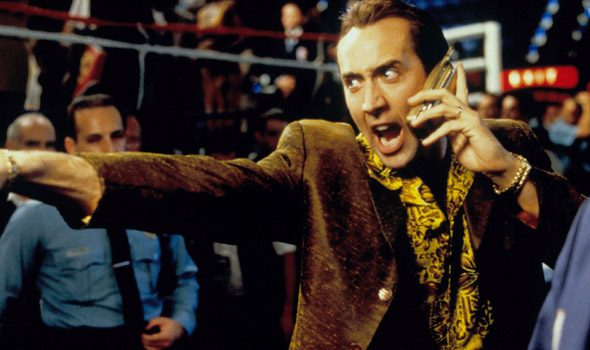
The original ending for the movie has Atlantic City completely destroyed by a hurricane, and the casino dramatically destroyed by the initial storm surge. Though the major destruction sequences were cut, references to the storm are peppered throughout the screenplay.

Both Will Smith and Al Pacino were offered Sinise’s antagonist role in the film. Pacino outright turned it down, while Will Smith required a huge paycheck to take on the part, which was too high for the production to take on.

The reported production budget for Snake Eyes was $73 million, though Brian De Palma has claimed that it actually came in under budget, at $68 million. In its lifetime theatrical run, the movie managed to take in just under $104 million, easily making back its budget.

The reception to Snake Eyes from critics and audiences wasn’t nearly as good. Currently, the movie holds an IMDb user rating of 5.9/10, along with Rotten Tomatoes scores of 40% from critics and 35% from audiences. Among the film’s harshest critics was Roger Ebert, who, despite adoring the opening sequence, said that “it’s the worst kind of bad film: the kind that gets you all worked up and then lets you down, instead of just being lousy from the first shot.”

In the wake of the 2016 documentary De Palma, which delves into the filmography and life of the acclaimed director, Birth.Movies.Death. writer Dominic Griffin decided to take another look at the popularly derided Snake Eyes:

Snake Eyes is a thrilling look at a world too far gone for salvation, and unless you’re a sincere Femme Fatale apologist, the last great film Brian De Palma made.

It is impossible to talk about Snake Eyes, positively or negatively, without addressing its opening sequence. While its style has been nearly universally praised, there have been some people who have complained of its gimmickry. Personally, I think the faux-seamless sequence works excellently to portray the event, particularly given how many times it is brought back up throughout the movie. There is a distinct sense that you, as the audience, should be paying attention to the details of the event: you are seeing all of the minutiae for a reason, or else it wouldn’t be shown. While there are certainly some issues with the film, the opening certainly isn’t one of them. If anything, it has cemented it as a footnote in film history.

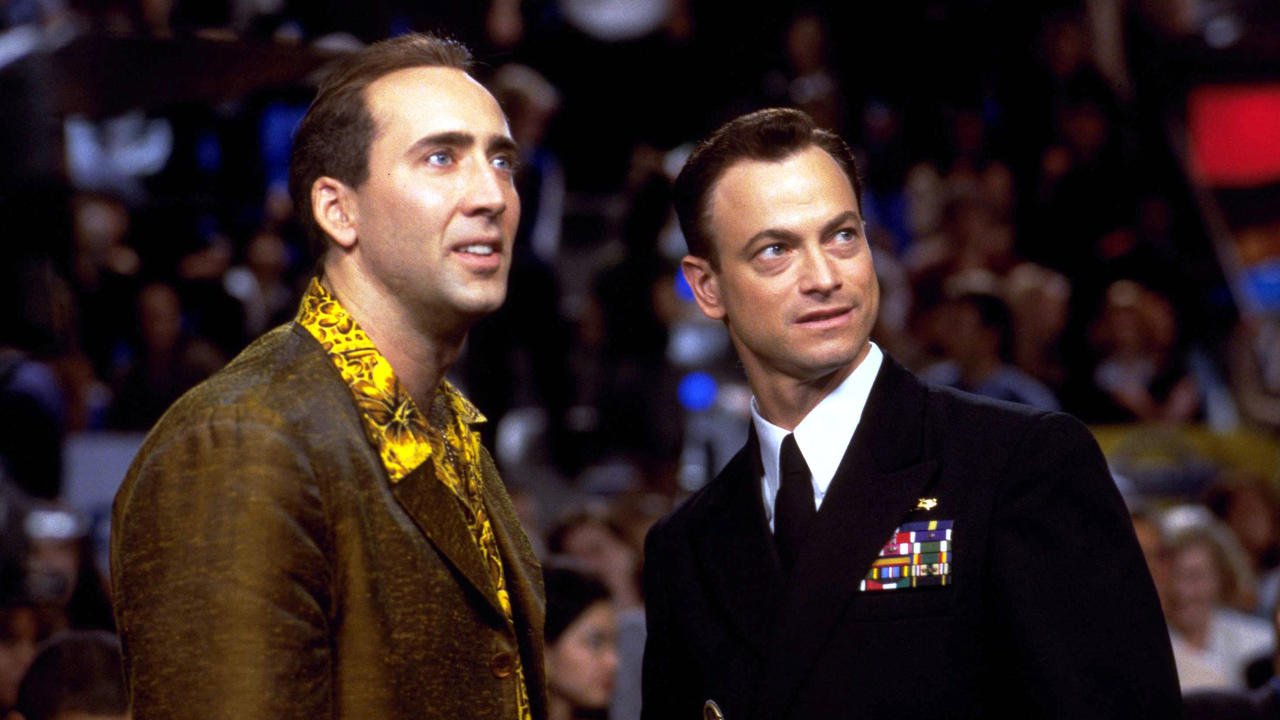
Nicolas Cage is, to put it mildly, a divisive figure in the world of Hollywood acting. Plenty will claim that he is a one-note rodeo clown devoid of genuine ability, beyond having exaggerated facial features and a distinctive scream. Personally, I am a bit of a Cage apologist: when he is in his element and sticking to what he does well, he can bring energy to a movie better than just about anyone else. With Snake Eyes, I think he is perfectly cast: everything about him screams sleazeball. His naturally erratic behavior, the way he sardonically delivers dialogue, and his shifty physical demeanor all fit the character excellently, to the point that I have trouble picturing anyone else in the role. The ridiculous suit he is put in for most of the movie would look downright comedic on anyone else, but seems to fit his personality like a second skin.

Though many critics adamantly disagree with this, I personally like that the big “reveal” is done early in the movie, primarily because it feels genuinely unexpected and in sharp contrast to genre expectations. Likewise, I think that the revelation to the audience (and not to the protagonist) adds a level of tension to the two characters’ interactions that wouldn’t be there otherwise, which makes for compelling viewing. In responding to criticism of the reveal decision, De Palma has said that “the problem is that it isn’t about who did it. It’s a mystery about a relationship, two people, and how finding that out affects their relationship.” This all reminded me of Alfred Hitchcock’s famous description of the difference between “shock” and “suspense,” which you can see here:

If the character reveal in Snake Eyes had been saved for the climax, it would have only served for traditional shock value: the bomb suddenly going off under the table. However, De Palma chose to reveal to the audience that the bomb was present. The lead character is none the wiser, but now the audience knows the truth and the stakes involved, and there is real suspense at play.

While there are quite a few things that I like about Snake Eyes, it has some pretty significant issues that hinder it from being a really great film. First and foremost among those issues is the story’s pacing, which loses steam rapidly as the third act gets going. The more the movie leans towards being a traditional action flick, the less unique and interesting it is, and the entire conclusion feels more like a Con Air set piece than the conclusion to an innovative thriller. It just doesn’t do the movie justice, if you ask me.

On the subject of the ending, there are a number of critics who seem to believe that the originally planned ending, which sees the casino and Atlantic City totally destroyed by a hurricane, might have saved the film. Personally, I just don’t see it. I think that the originally planned ending would have been hokey and way too on-the-nose with its messaging, and might have hurt the movie even more than the half-assed action film conclusion that we currently have.

Overall, I think it is a fair assessment to say that Snake Eyes is a step above the typical Hollywood fare in terms of style and entertainment, thanks in large part to De Palma’s ambitious opening and Cage’s performance. However, the pacing issues definitely keep it a step below being a classic. That said, I can certainly understand why so many critics were disappointed with it: De Palma is capable of a whole lot better than this, and there are some serious flashes of brilliance here. Unfortunately, those peaks make the valleys seem all the deeper.

As far as a recommendation goes, I highly advocate watching the opening sequence for sure. While Birdman and Rope are more popular examples of long takes with hidden cuts, I think the Snake Eyes opening adds more to the movie as a whole than the long takes in those flicks: it has more thematic purpose here than just being a gimmick, or providing a third person omniscient POV. Apart from that, die hard Nic Cage and De Palma fans should definitely watch the whole movie. While it isn’t great by any means, I think that it is worth the time for the highlights.
Con Air

Con Air

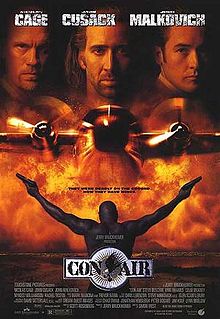
Today, I’m going to take a look at the notorious Nicolas Cage action flick, Con Air.

The plot of Con Air is summarized on IMDb as follows:

Newly paroled ex-con and former U.S. Ranger Cameron Poe finds himself trapped in a prisoner transport plane when the passengers seize control.

The screenplay for Con Air is credited to Scott Rosenberg, whose other credits include Kangaroo Jack, High Fidelity, Disturbing Behavior, and Gone In Sixty Seconds, among others.

The director for the film was rookie helmer Simon West, who has gone on to direct movies like Stolen, When A Stranger Calls, The Mechanic, The Expendables 2, and Lara Croft: Tomb Raider. However, perhaps his best known credit is directing the infamous 1987 music video for Rick Astley’s “Never Gonna Give You Up.”

The huge cast of character actors that makes up Con Air includes the likes of Nicolas Cage (Vampire’s Kiss, The Wicker Man, Left Behind, Leaving Las Vegas, Ghost Rider, Snake Eyes, Bringing Out The Dead, Adaptation.), John Cusack (Grosse Pointe BlankHigh Fidelity, 1408, The Raven, Being John Malkovich, 2012, War, Inc.), John Malkovich (Rounders, Eragon, Burn After Reading), Ving Rhaimes (Pulp Fiction, Mission: Impossible, Mission: Impossible II, Mission: Impossible III), Steve Buscemi (Boardwalk Empire, Reservoir Dogs, Fargo, The Big Lebowski, Armageddon), Colm Meaney (Star Trek: Deep Space Nine, Star Trek: The Next Generation, Hell On Wheels), Danny Trejo (Machete, Machete Kills, Anaconda, From Dusk Till Dawn, Desperado), and Dave Chappelle (Half-Baked, Chappelle’s Show).

The cinematographer for Con Air was David Tattersall, who also shot such films as The Green Mile, Speed Racer, Next, Die Another Day, Theodore Rex, Soldier, and The Majestic, among others.

Con Air ultimately had three credited editors: Glen Scantlebury (Stolen, Teenage Mutant Ninja Turtles, Twixt, Armageddon), Steve Mirkovich (Hardcore Henry, 16 Blocks, Broken Arrow, Big Trouble In Little China, Prince of Darkness, Cool World, The Astronaut’s Wife), and Chris Lebenzon (Eragon, Big Fish, Enemy of the State, Mars Attacks, Ed Wood, Hudson Hawk, Wolfen, Top Gun, Days of Thunder).

The musical score for Con Air is credited to both Mark Mancina (Moana, Shooter, Training Day, Twister, Speed, Speed 2: Cruise Control) and Trevor Rabin (12 Rounds, Snakes On A Plane, Torque, National Treasure, Kangaroo Jack, Deep Blue Sea). Apparently, due to his commitment to Speed 2: Cruise Control, Mancina didn’t have time to complete his work on Con Air, and Rabin filled in to complete the project.

Con Air was produced by Jerry Bruckheimer, one of the most prolific and popular film and television producers of the past few decades. His television shows include CSI, CSI: Miami, Cold Case, CSI: NY, and The Amazing Race, and just a handful of his film credits are The Rock, National Treasure, Armageddon, Pirates of the Caribbean. Top Gun, Bad Boys, and Days of Thunder.

In a 2007 interview with The Guardian, John Cusack justified his decision to take part in Con Air, despite not actually liking the movie:

I use those kinds of films to get leverage…you wouldn’t think Con Air had anything to do with Max, but in my career it does. It’s doing Con Air, or doing romantic comedies, that makes Max possible. The bad stuff you just try to make as good as you can.

In an appearance on Inside The Actor’s Studio, comedian Dave Chappelle claimed that he improvised nearly all of the dialogue for his minor part in Con Air.

In the credits, Con Air is dedicated to Phil Swartz. Swartz was an effects worker for the production who was killed in an on-set accident, in which a plane fell off of its rigging.

The song “How Do I Live,” which is featured prominently in Con Air, had the rare claim of being nominated for both Best Original Song at the Academy Awards and Worst Original Song at the Razzie Awards. However, it wound up winning neither distinction.

Con Air was made on a production budget of $75 million, on which it took in a lifetime theatrical gross of just over $224 million, making it significantly profitable. Critically, though, it was a bit of a mixed bag: it currently holds Rotten Tomatoes scores of 54% from critics and 75% from audiences, alongside an IMDb user score of 6.8.

One of Con Air‘s prominent advocates was Roger Ebert, who gave the film 3/4 stars in his review for the Chicago Sun-Times:

The movie is essentially a series of quick setups, brisk dialogue and elaborate action sequences…it moves smoothly and with visual style and verbal wit.

In this case, I’m not sure if I completely agree with Ebert’s opinion, particularly on the point of the “quick setups” and action sequences. I think that Con Air is one of the key action movies that is most guilty of action over-saturation. Essentially, there are so many set ups, explosions, and grandiose moments, that ultimately each of their impacts is diluted. If a movie is nothing but explosions and gunfire, then those moments will be less notable that a single dramatic explosion in a different film. At the same time, it can be said that the constant flashes can keep an audiences attention. However, I tend to think of Con Air as more like a strobe light: after a few minutes, the effect has worn off, and the moments that should be thrilling just feel normalized and repetitive.

As far as positives go, it is hard to get better than the rogue’s gallery of character actors that populate the eponymous plane. Led by John Malkovich, the whole cast of villains is eccentric, colorful, volatile, and beyond over-the-top. Between the lot of them, there is more scenery-chewing than we might ever see on screen again. On the flip side, however, is Nicolas Cage: perhaps the king of the cinematic freak-out. Unfortunately, however, his character here is polite to the point of near stoicism, and even when unleashed, never quite goes wide-eyed in Cage-y fury. If anything, he is the closest thing to a stable presence in the film, which doesn’t suit him in the slightest. Luckily, he does use an absolutely outrageous interpretation of an Alabama accent, which has cemented this as one of his worst performances regardless.

Thanks to its frequent appearances on cable, I assume that most people have caught Con Air before, or know of its reputation. I don’t have to mention that this is a big, silly action movie with the depth of a kiddie pool. I will say that it is anything but tasteful, and hasn’t aged terribly well in a multitude of ways. Most surprisingly, though, is that I found it to be not quite as exciting as I remembered on this particular re-watch. It is still a pretty fun ride as far as blockbuster fare goes, particularly in today’s market. However, I think this might be the rare movie that I think is better to experience in clips and highlights, or left relegated to fond memories.

Tusk

Tusk

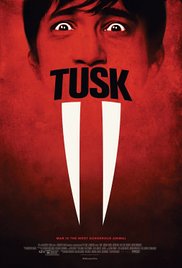
Today, I’m going to take a look at Kevin Smith’s 2014 creature feature, Tusk.

The plot of Tusk is summarized on IMDb as follows:

When podcaster Wallace Bryton goes missing in the backwoods of Manitoba while interviewing a mysterious seafarer named Howard Howe, his best friend Teddy and girlfriend Allison team with an ex-cop to look for him.

Tusk was written, directed, and edited by Kevin Smith, who is known for films like Chasing Amy, Clerks, Clerks 2, Mallrats, Jersey Girl, Red State, and Dogma, as well as his numerous successful podcasts, television shows, comic books, and live Q+A events.
The primary cast of Tusk is made up of Michael Parks (Red State, From Dusk Till Dawn, Kill Bill), Justin Long (Dodgeball, Drag Me To Hell, Accepted, Galaxy Quest), Haley Joel Osment (The Sixth Sense, A.I., The Spoils Before Dying, Secondhand Lions, Pay It Forward), Genesis Rodriguez (Big Hero 6, Run All Night), and Johnny Depp (Yoga Hosers, Pirates of the Caribbean, Ed Wood, Donnie Brasco, Black Mass, Sweeney Todd, Edward Scissorhands).

The cinematographer on Tusk was James Laxton, whose other credits include Moonlight (which netted him an Academy Award nomination), Yoga Hosers, Bad Milo, and Holidays.
The musical score for the film was composed by Christopher Drake, who also provided music for Yoga Hosers and Holidays, as well as a number of animated DC movies like Batman: Under The Red Hood and Batman: Year One.
Tusk was distributed theatrically by A24, which was at the time an eccentric independent distributor that was building a positive reputation. Today, it is a renowned brand in independent cinema: it boasted the Best Picture winner Moonlight, as well as acclaimed films like The Witch, Swiss Army Man, 20th Century Woman, Room, Green Room, The Lobster, Ex Machina, The Rover, Under the Skin, and Enemy.

The bizarre creature effects for Tusk were provided by Robert Kurtzman, whose other credits include It Follows, John Dies At The End, Bubba Ho-Tep, Vampires, Ghosts of Mars, Spawn, Scream, In The Mouth of Madness, Intruder, The People Under The Stairs, and From Dusk Till Dawn, among many others. He was recommended to Kevin Smith for the project by special effects guru Gregory Nicotero, who turned down the job due to schedule conflicts with other projects.

The idea for Tusk came to Kevin Smith after discussing a prank Gumtree advertisement on his flagship podcast, SModcast. The bizarre advertisement offered free board to a housemate in exchange for wearing a walrus suit for 2 hours a day, and fully performing the part during that time.

Tusk was the first entry in Kevin Smith’s proposed True North trilogy: three movies with similar horror themes and common characters set in Western Canada. The second of these was Yoga Hosers, which featured a number of returning elements from Tusk. The third film in the series, a Jaws parody called Moose Jaws, has still not begun filming as of May 2017, likely due to the overwhelmingly negative reception to Yoga Hosers.

In order to gauge his fanbase as to whether there was enough interest for him to make Tusk, Kevin Smith launched a hashtag campaign. Anyone could respond on Twitter with either #WalrusYes or #WalrusNo to indicate whether they thought he should take on the outlandish concept.

Tusk was made on an estimated production budget of $3 million, on which it managed to gross only $1.8 million in a limited theatrical run. Critically, the movie didn’t fare any better: it currently holds an IMDb user rating of 5.4/10, alongside Rotten Tomatoes scores of 41% from critics and 36% from audiences.

As you would certainly expect, Tusk is weird by design, on the virtue of its concept. Accordingly, it features some of the strangest makeup and creature effects in recent years, which is fortunately compellingly strange and unnerving. Designer Robert Kurtzman definitely outdid himself with this body horror execution of a humanoid walrus, and its presence is arguably the highlight of the film.

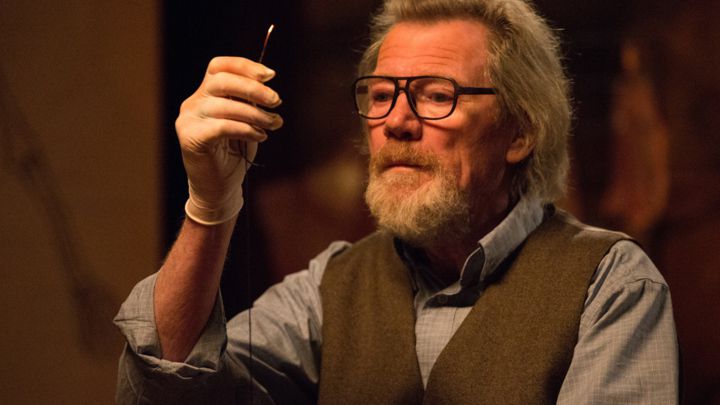
As far as other positives of the film go, I would be remiss not to mention the late Michael Parks. Parks, who previously starred in Smith’s religious thriller Red State, is firing on all cylinders for his unhinged role in Tusk. Not an ounce of scenery goes unchewed by Parks, who nearly makes the movie on his own. Particularly in the first act of the film, he manages to act circles around Justin Long, and builds an immense amount of tension through his storytelling and body language. However, a lot of the tension dissipates as the movie goes on, and changes focus to other characters. Unfortunately, by the film’s supposed climax, the movie has already peaked, and is significantly hindered by weaker elements that whittle on its effectiveness throughout.

Mark Jenkins, in his review of Tusk for NPR, had the following choice words for the film:

Tusk is an overextended, tonally incoherent joke that would make viewers squirm even if it didn’t involve a bloody and demented medical experiment.

While Parks is impressively suave as the absurd obsessive, the other performances range from unpersuasive to distracting. Long is off-pitch throughout, and a slumming, uncredited superstar functions only as a half-comprehensible in-joke.

That review hits on what are, by far, my two biggest issues with Tusk. The first of them is the “uncredited superstar,” Johnny Depp, who puts in what might be the worst performance of his career. In a word, his portrayal of a French Canadian detective is unbearable. His facial prosthesis look ridiculous, his accent is all over the place, and his presence and performance grind the movie to an unnecessary stop. Honestly, Tusk would have been a better overall feature if his point-of-view section had been excised altogether. For the life of me, I can’t fathom why it wasn’t left on the cutting room floor, outside of Depp’s supposed marketability.

The second issue that Jenkins brings up that I emphatically agree with is his assessment that the film is “overextended.” On top of the pacing troubles brought on by the aforementioned Johnny Depp segment, everything after the intriguing first act setup feels bloated and stretched, like Smith was having trouble making a full feature out of the concept. Progress happens slowly once the second act begins, and the shifts in perspective make it feel even slower. I honestly think, however, that there was enough promise and material for this idea to make a pretty kick-ass short film, but the necessary run time to hit feature-length brought about a lot of the problems that hinder Tusk. With some of the extended gags omitted, Johnny Depp’s part reduced, and the rescue attempt shortened, I think the total run-time could have been brought down to about an hour, and been a pretty intriguing flick to plug into HBO or Netflix. As it stands, however, the pacing leaves it a bit on the dull side.

Overall, I do think that Tusk is a fair bit better than the mess of Yoga Hosers, and had some initial promise. The effects are pretty decent, Parks puts in a chillingly strange performance, and there is certainly an intriguing setup for the story. However, the screenplay has some serious pacing issues, which are exacerbated by a mind-numbingly terrible performance from Johnny Depp, and a generally very unlikable lead character. I do think that the movie was written off prematurely by some based on its concept alone, but ultimately, I think that the failure of this flick is 100% on Smith’s screenplay and dual director/editor role. If he had someone else take on any number of those roles, he might have had a mitigating force to keep things in check. Alas, that’s not how it went down.

As far as recommendations go, Tusk is complicated. Kevin Smith fans certainly should check it out, as this was basically made for their benefit. Beyond that, body horror fans might as well check it out for the effects, but the rest of the film will probably leave a lot to be desired. As for everyone else, I think this is a toss-up. I have talked to people who have loved this movie that I didn’t expect, and people who passionately hated it that I thought might go the other way. If the concept intrigues you, I say dive in at your own risk.

I Know Who Killed Me

I Know Who Killed Me

Today, I’m going to take a look at the disastrous Lindsay Lohan vehicle, I Know Who Killed Me.

The plot of I Know Who Killed Me is summarized on IMDb as follows:

A young woman who was missing reappears, but she claims to be someone else entirely.

I Know Who Killed Me was directed by Chris Sivertson, whose handful of credits include All Cheerleaders Die, The Lost, and writing the screenplay for the movie Marauders. The sole screenwriter for this movie, Jeff Hammond, notably has no other listed credits on IMDb.

The central cast for the film is made up of Lindsay Lohan (Machete, Herbie Fully Loaded, The Parent Trap), Julia Ormond (Mad Men, Legends of the Fall), Neal McDonough (Minority Report, Timeline, Flags of our Fathers), and Brian Geraghty (The Hurt Locker, Flight, Jarhead).

The cinematographer for I Know Who Killed Me was John R. Leonetti, whose credits include The Conjuring, Insidious, The Scorpion King, Joe Dirt, Mortal Kombat, Child’s Play 3, and The Mask.

I Know Who Killed Me‘s editor was Lawrence Jordan, who also cut the movies Jack Frost, Fallen, Deuce Bigalow: Male Gigolo, Are We There Yet?, Fifty Shades of Black, and Furry Vengeance.

The musical score for the film was composed by Joel McNeely, who also provided music for the films Holes, Vegas Vacation, Virus, Soldier, A Million Ways To Die In The West, and The Avengers.

Reportedly, Linday Lohan often no-showed or arrived late to set during the filming of I Know Who Killed Me, to the point that body doubles were used for a number of sequences. Her substance abuse issues also eventually impacted the film’s promotion, as she had a DUI arrest just before a scheduled appearance to plug the movie on The Tonight Show.

I Know Who Killed Me wound up setting a record for the most Golden Raspberry Awards for a single movie, winning 8 of its total of 9 nominations. However, the record was toppled only a few years later by Adam Sandler’s Jack & Jill.

The original ending of I Know Who Killed Me revealed that the entire story was the content of a college student’s paper. However, the ending was so reviled by test audiences that it was re-cut, and now only exists as a deleted scene on the movie’s DVD release.

I Know Who Killed Me was featured on one of the earliest episodes of the lauded bad movie podcast, The Flop House, which is now one of the most beloved podcasts on the subject of bad movies.

The production budget for I Know Who Killed Me was reported to be $12 million, on which it took in a lifetime theatrical gross of $9.6 million, which made it a significant financial failure. However, the film’s critical failure was even more dramatic: it currently holds an IMDb user rating of 3.6/10, alongside unenviable Rotten Tomatoes scores of 7% from critics and 25% from audiences. In her brutal review for the New York Daily News, Elizabeth Weitzman wrote that:

No review could really do justice to the monumental trashiness of this mess; it really has to be seen to be believed. Although if Lohan is lucky, no one will bother.

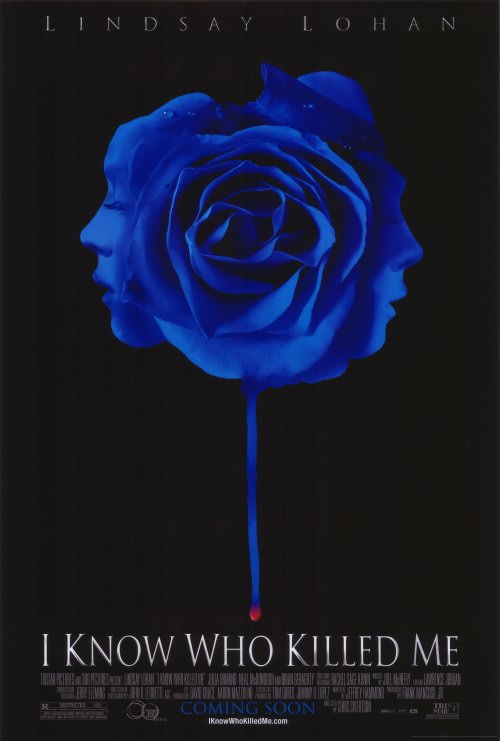
One of the most prominent elements in I Know Who Killed Me is its vivid and repetitive use of two colors: red and blue. While colors can be used artfully in films to accentuate the story’s tone, a character’s traits and emotions, or a setting’s general atmosphere, the way color is used in I Know Who Killed Me is far beyond over the top. Not only is there no subtlety in the application of the colors, but the colors are used so universally that they lose their meaning, and just blend into the background palette of the movie.

For instance, the blue roses that appear in the film should have always stood out due to their uniqueness: however, they blend easily into the background of a movie that is constantly punctuated by blue objects and backdrops. If the backdrops had even been more subtle blues, or colors that would compliment and accentuate the blue of the flowers, the effect might have worked. Unfortunately, the over-saturation of colors in this film serves to drain them of their stylistic meaning, which is ultimately a disservice to the film as a whole. Movies like Hero, The Neon Demon, and La La Land have all managed to balance vivid, saturated color palettes in a way that the colors still carry some meaning, while still being visibly prominent. I think that the director here understood that color can be powerful, and wanted to emulate the visual style of Blue Velvet, but lacked the restraint or understanding of how to use colors effectively in the film. The result is an overstimulating mess of blues and reds.

There is one detail about the plot of the film that still particularly bothers me. Once it is revealed that (spoilers) there are, in fact, two sisters, the concept of “twin stigmata” is presented to explain the injuries to both girls, despite only one of them being abducted. Despite “stigmatic twins” being an unproven, supernatural idea, it is taken at face value as fact by more than one character. There is never any attempt to elaborate on why these twins have this condition, or quite how it works: it is basically just a plot device that isn’t dug into any deeper. They could have mentioned offhand that the mother was experimented on or something, but there isn’t any indication to that effect.

Related to that same twist, the supposed baby-switching done by Aubrey’s father doesn’t make much sense when put under a microscope. How was he able to hide the news of his child’s death from his wife? How did the hospital let him walk away with another woman’s child? How did a woman who had given birth to two children walk out with one, with no question from the doctors and nurses? Did the hospital not report the death of the real Aubrey, allowing the replacement to use her social security number and identity? There are a lot of leaps in logic involved in the story, that can only be explained with mass incompetence or mass bribery, neither of which seem terribly realistic.

The most common criticisms I have heard about I Know Who Killed Me all relate to the gratuitous stripping sequences, which were heavily featured in the film’s trailer. Compared to their relevance to the film’s plot, these two sequences take up way too much of the run-time of the film, which makes it clear what the motivation behind this feature was. On top of the stripping sequences, there is also an unnecessary and unnerving sex sequence, in which Aubrey’s mother creepily listens in while Dakota and Aubrey’s boyfriend have sex in the room above her. Again, this sequence goes on for far too long, and makes it clear that the production team was trying to eek out every ounce of potential erotica they could from this movie, with the limitation of not being able to show Lindsay Lohan nude. Not only is the exploitative nature transparent, but it is also done in such a way that watching it is actively annoying, thanks to one of the most terrible film soundtracks that I can recall.

Something that I genuinely didn’t expect from this movie was the sheer quantity of explicit gore. I anticipated that the violence would mostly be implied and off-screen, not unlike the sexual content in your average PG-13 feature. However, this movie features explicit, brutal violence, including the detailed removal of fingers. The most grisly sequence features a block of dry ice, which is used to destroy limbs with a clamping mechanism. This leaves behind a nasty, frostbitten wound, which is shown in nauseating detail. If there is anything positive to say about the film, it is that the makeup artists nailed that particular effect.

Perhaps the strangest and most unexpected part of the film, however, is the introduction of the quasi-magical prosthetic limbs that replace Lindsay Lohan’s various mangled and amputated body parts.  There is an entire leg replacement which is fully automated, and functions exactly like a human leg as long as it is charged overnight. It didn’t even require a significant amount of physical therapy, because the timeline of the film between when the prosthetics are attached and when Dakota functions normally is very short. Likewise, Dakota is gifted with a superpowered robot hand, which is more advanced than most hand replacements found in science fiction films. Not only is is fully articulated, but it is somehow connected to her nerves, and thus functions exactly like a normal hand, but with significantly more strength.

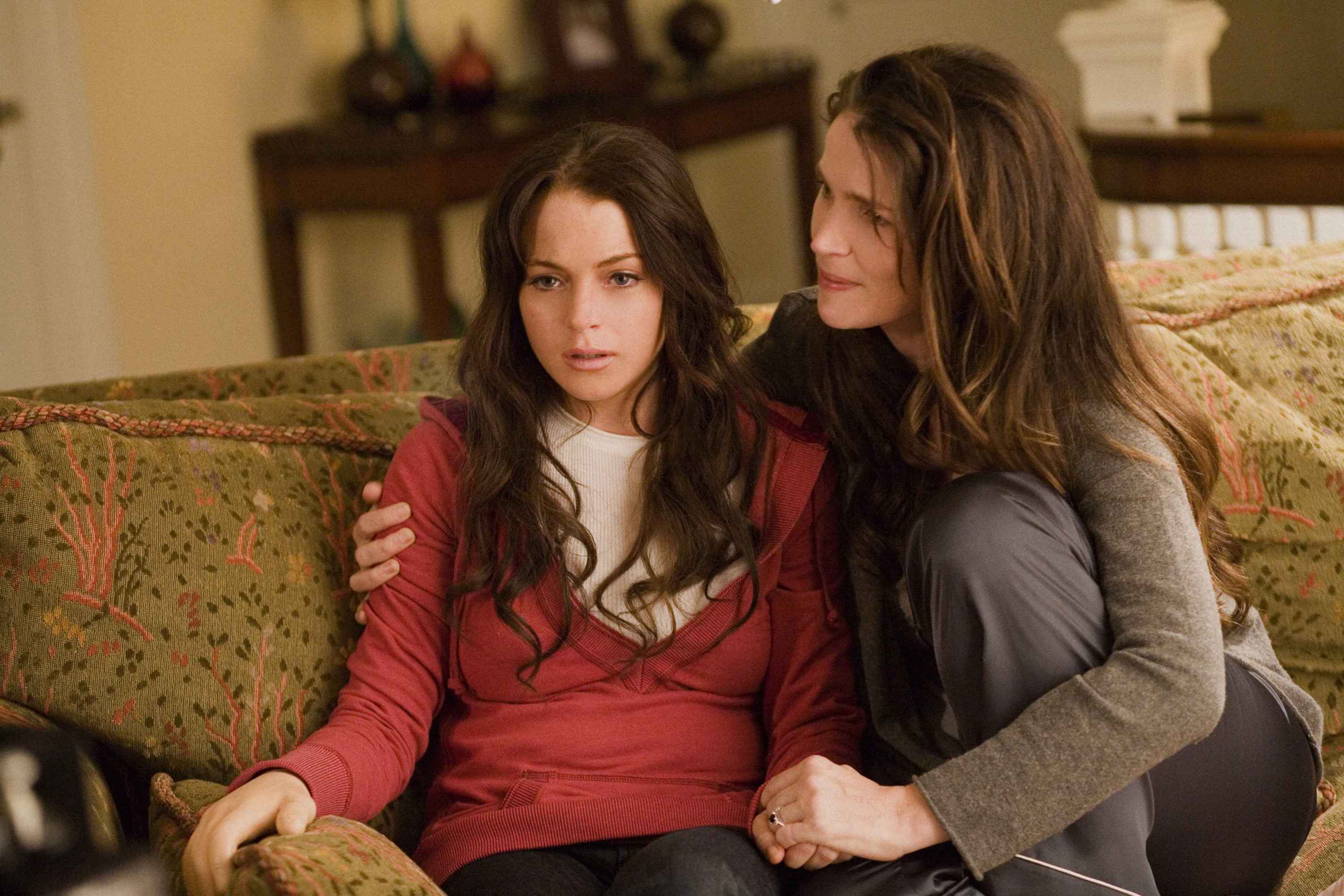
As you might expect, one of the biggest issues with I Know Who Killed Me is its star. Lindsay Lohan may not be the worst actress ever to show up on screen, but she certainly can’t carry a movie on her own. The only way that this film was going to work was with a dynamic, standout lead performance, and even then it would be a long-shot. Lohan simply wasn’t the right choice to prop this flick up. Ultimately, she didn’t even help with the box office, and was a hindrance to the production if anything. I’m curious what the team for the movie thinks now: should they have gone with a talented up and comer, rather than a celebrity? Do they blame the film’s failure entirely on her, despite the movie’s other issues? I think there could be an interesting tale behind this flick, but I’m not sure if the world will ever hear it.

Honestly, I believe that there is the potential for an interesting identity mistaken identity / serial killer movie beneath the mess of I Know Who Killed Me, but it is buried deep beneath the sexualized focus on Lohan, Lohan’s general lack of acting chops, and the overall shoddy directing decisions and screenplay issues that make up the film. I don’t think the movie is quite enough fun to recommend even to bad movie fans, so I would say it is a hard pass from me for anyone who is considering giving this one a watch.


Johnny Mnemonic

Johnny Mnemonic

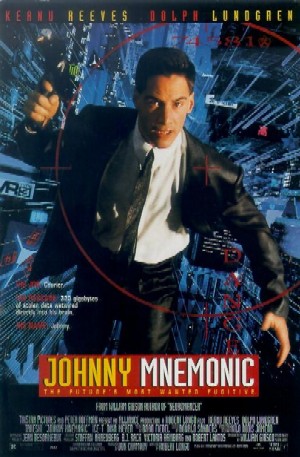
Today, I’m going to take a look at William Gibson’s 1997 cyberpunk flick, Johnny Mnemonic.

The plot of Johnny Mnemonic is summarized on IMDb as follows:

A data courier, literally carrying a data package inside his head, must deliver it before he dies from the burden or is killed by the Yakuza.

Johnny Mnemonic is based on a 1981 short story of the same name by influential science fiction writer William Gibson, who is regarded as the father of cyberpunk. Gibson also penned the screenplay for this loose screen adaptation of the work, and it remains his only screenplay credit to date. However, he now disowns the film, and claims what made it to the screen wasn’t his work.

Johnny Mnemonic was directed by Robert Longo, who is best known as an acclaimed painter and sculptor. However, he directed a handful of music videos throughout the 1980s, including R.E.M.’s “The One I Love” and New Order’s “Bizarre Love Triangle,” as well as an episode of Tales From The Crypt. On the experience of directing the film, he has stated that “it was f—ing horrible. Johnny Mnemonic is about 65 percent of what I hoped it would be.”

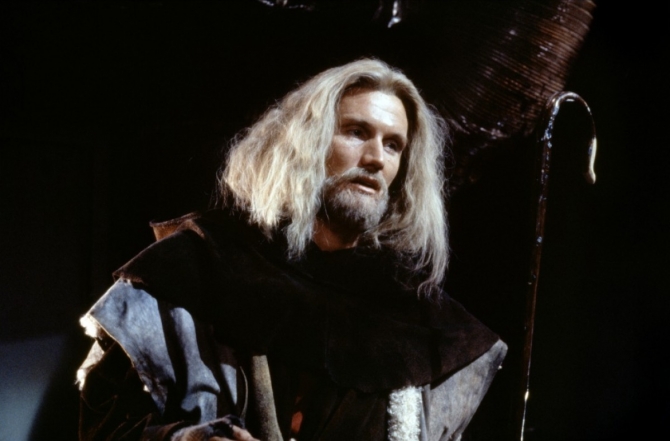
The central cast of Johnny Mnemonic includes the likes of Keanu Reeves (The Matrix, John Wick, The Neon Demon, Speed, Point Break), Ice-T (Leprechaun In The Hood, Surviving The Game, Law & Order: SVU, Tank Girl), Dolph Lundren (Showdown In Little Tokyo, Rocky IV, The Punisher, I Come In Peace, Red Scorpion), Dina Meyer (Starship Troopers, Saw, DragonHeart), Henry Rollins (Heat, He Never Died), and Takeshi Kitano (The Blind Swordsman: Zatoichi, Kikujiro, Brother).

The cinematographer for the film was Francois Protat, whose other credits include the virtual reality horror flick Brainscan and the infamous death-centric comedy Weekend at Bernie’s.

Johnny Mnemonic‘s editor was Ronald Sanders, who also cut the films A History of Violence, Eastern Promises, The Fly, Coraline, Firestarter, The Dead Zone, Scanners, and Videodrome, among others.

The musical score for the film was composed by Brad Fiedel, whose other credits include True Lies, True Believer, Terminator 2: Judgement Day, Fright Night, The Terminator, The Serpent and The Rainbow, and Fright Night Part 2.

Due to a miscue on set, Dolph Lundgren at one point actually punched co-star Henry Rollins in the face during a take. Rollins has since described the experience:

[He hit] like a UPS delivery truck. My DNA uncoiled. I found a new religion. He hit me so hard and it just stopped. My head took the entirety of the weight. I was like, ‘Wow, my thinking is 20 percent slower. I’m running for office!”

Dolph Lundgren’s casting in the film was allegedly in opposition to director Robert Longo’s wishes, and was an order from the producers to try to sell the movie to more demographics and markets. Longo has since claimed that he would like to cut a “45-minute version of [Johnny Mnemonic] without Dolph.”

Keanu Reeves wound up nominated for a Golden Raspberry Award for Worst Actor for his lead performance in Johnny Mnemonic, though he didn’t wind up winning it.

Both William Gibson and Robert Longo initially wanted to make a low-budget independent movie out of the story of Johnny Mnemonic, but were ultimately only able to garner interest in a wide release, high-budget potential blockbuster. Ultimately, both men were unhappy with the result that hit theaters.

As a tie-in to the movie, a Johnny Mnemonic full motion video game was produced and released for DOS, Mac, and Windows 3.x. The era of FMV games is now looked back on with widespread scorn, and Johnny Mnemonic is regarded as one of the most prominently terrible games of the lot.

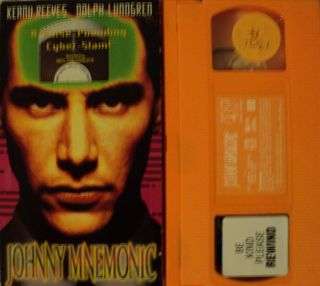
Johnny Mnemonic is partially remembered today because of its distinct, bright orange VHS tape, which made it visibly stand out from the typical black tapes.

Johnny Mnemonic was made on a production budget of $26 million, on which it brought in a lifetime domestic gross of just over $19 million. International reports have it grossing as much as $50 million, but I couldn’t find a consistent source to verify the foreign market numbers.

Critically, the film did not fare well: it currently holds a 5.6/10 user rating on IMDb, along with Rotten Tomatoes scores of 13% from critics and 31% from audiences.

First off, it has to be said that if Johnny Mnemonic is anything, it is imaginative. The concept behind the film is punctuated with some interesting technological futurism, though a lot of it is undercut with some less than ideal effects. Also, as with most attempts in fiction to envision the future, going back years later makes the film look a bit goofy, and it is impossible not to compare the technological predictions with our actual progresses.

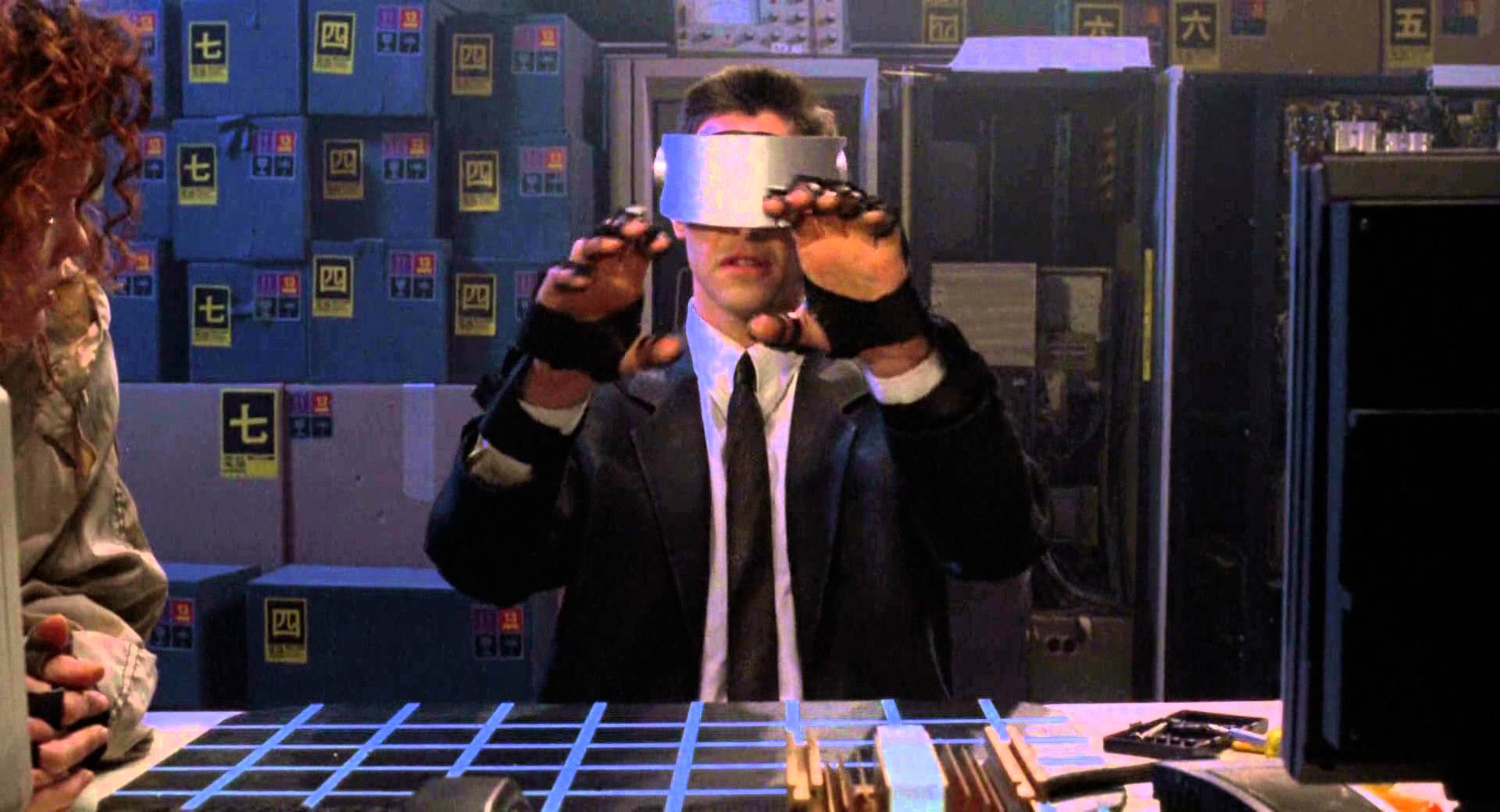
All of that said, the biggest issues with Johnny Mnemonic go far beyond the goofy-looking technologies: if anything, the cyborg dolphins and immersive VR internet helmets are the entertainment high water mark of the flick.

The first and biggest issue with Johnny Mnemonic is its abysmally slow pacing, which is nothing short of agonizing. However, I think there are some interesting reasons for why the film’s plot moves as slow as it does. First off, the production was dealing with both a first-time screenwriter and a first-time director, which can make for a bad recipe out of the gate. On top of that, it is worth noting that the initial vision for Johnny Mnemonic was to make an independent short film. I assume that the screenplay wasn’t totally re-written to make it longer once that plan changed, but that more content was plugged in wherever it could fit. This, as you can imagine, can lead to a slower, more bloated pacing once put to film.  Beyond even that, it sounds like the studio and producers implemented additional pressure at the last minute to add even more into the movie, like the prominent role for Dolph Lundgren. Frankly, it would be impressive if the movie didn’t feel sluggish and overstuffed at that point.

However, surprisingly, that last-minute addition of Dolph Lundgren is almost a savior for the entire film: he brings energy to the screen whenever he shows up, and got me (at least somewhat) re-invested in the story. His performance primarily exists to let him chew scenery and spit one-liners, which is exactly what you would want from a zany villain character. It is also worth mentioning that Ice-T is his usual self here, which is a breath of fresh air for such an un-charismatic movie. Unfortunately, neither Ice-T or Dolph get any significant screen time, which is a huge shortcoming for the flick.

Johnny Mnemonic contains some cool futuristic ideas, has a pretty sleek, grounded science-fiction design, and boasts an amazingly cheesy performance from Dolph Lundgren, but the pacing is so brutally slow that any positive qualities of the flick are thoroughly blotted out. I can recommend looking up some clips of the movie, or maybe an abridged supercut summary, but sitting through the entire run-time is pretty damn brutal. Unless you are a die-hard fan of William Gibson, Keanu Reeves, or one of the other players involved, this is a pretty skippable feature.

Batman And Robin

Batman & Robin

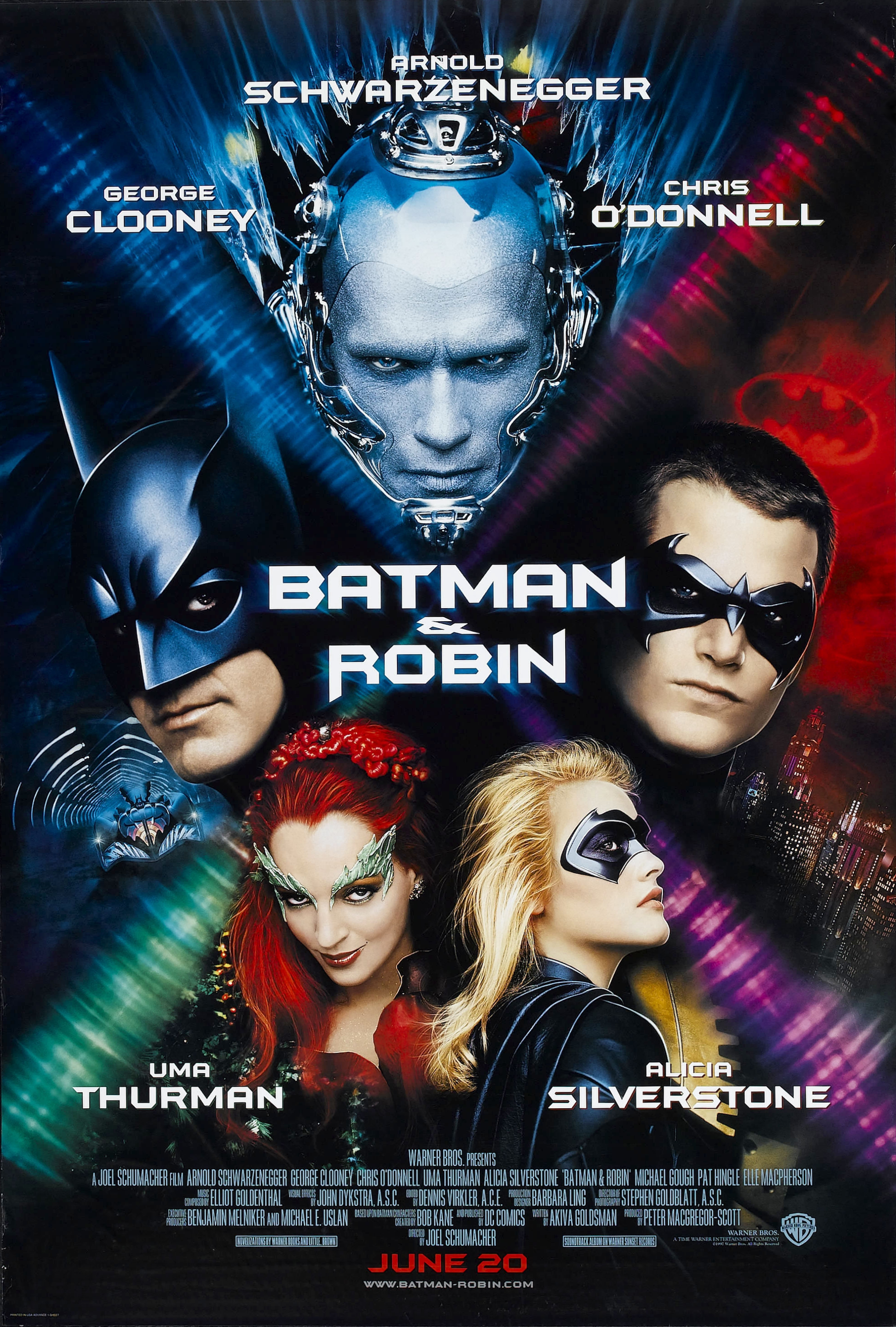
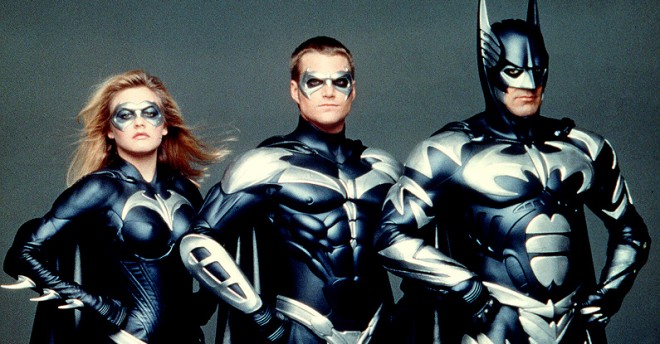
Today, I’m going to dive into the infamously terrible 1997 superhero movie, Batman & Robin.

The plot of Batman & Robin is summarized on IMDb as follows:

Batman and Robin try to keep their relationship together even as they must stop Mr. Freeze and Poison Ivy from freezing Gotham City.

Batman & Robin is, of course, based on the DC comics characters of Batman and Robin. Batman first appeared in Detective Comics #27 in March of 1939, created by Bill Finger and Bob Kane. Robin came along the following year, in Detective Comics #38, and is credited to the same duo. The two have appeared in numerous television shows, video games, movies, and other mediums over the years, and are almost certainly the most iconic superhero duo.

The writer for the screenplay of Batman & Robin was Akiva Goldsman, who also penned screenplays for Winter’s Tale, I Am Legend, I Robot, A Beautiful Mind, Lost In Space, and Batman Forever.

Batman & Robin was directed by Joel Schumacher, whose other credits include Phone Booth, The Number 23, 8MM, Batman Forever, Falling Down, Flatliners, and The Lost Boys, among others.

The cast for the film is headlined by the likes of Arnold Schwarzenegger (Predator, Last Action Hero, The Terminator, Commando, Hercules In New York), George Clooney (Michael Clayton, Solaris, O Brother Where Art Thou?, Burn After Reading, Intolerable Cruelty, Syriana, Confessions of a Dangerous Mind), Chris O’Donnell (Batman Forever, NCIS: Los Angeles, Scent of a Woman), Uma Thurman (Kill Bill, Pulp Fiction, The Producers, Gattaca), Alicia Silverstone (Clueless), Michael Gough (Batman, Batman Returns, Batman Forever), and John Glover (Gremlins 2, Smallville, In The Mouth of Madness).

The cinematographer for Batman & Robin was Stephen Goldblatt, who shot The Help, The Hunger, Charlie Wilson’s War, Striptease, Batman Forever, The Pelican Brief, Lethal Weapon, Lethal Weapon 2, and The Cotton Club, among others.

Batman & Robin had two credited editors: Dennis Virkler (Daredevil, Under Siege, Xanadu, Freejack, Collateral Damage, Independence Day, Only The Strong, The Chronicles of Riddick, The Hunt For Red October) and Mark Stevens (Phone Booth, The Number 23, Freddy vs. Jason, Batman Forever, The Final Destination).

The musical score for the film was composed by Elliot Goldenthal, who is known for providing music for movies like Heat, Public Enemies, Sphere, Alien 3, Batman Forever, Pet Sematary, Titus, Frida, and Across The Universe.

Among the team of effects workers for Batman & Robin was John Dykstra, a legendary, award-winning effects guru is is known for being an original founder of Industrial Light and Magic, coming up with the visuals used for the space battles and light sabers in Star Wars, and working on films like The Hateful Eight, Spider-Man, Lifeforce, and Django: Unchained.

Batman & Robin was the fourth and final installment in the initial Warner Brothers Batman film franchise, which began with Tim Burton’s 1989 Batman.

According to Joel Schumacher, previous Batman actor Val Kilmer left to do The Saint, so the role was recast to George Clooney. However, rumors have swirled that Val Kilmer was growing increasingly difficult to work with, such as was the case with The Island of Doctor Moreau, and wasn’t asked to return.

Joel Schumacher claims that the production of Batman & Robin was under immense pressure from the studio and producers to be “toyetic”: essentially, they were mandated to come up with devices that could be sold as merchandise and toys, because of how much money they add to the overhead profits.

Likewise, Schumacher says that they were under similar pressure to “make as kid-friendly a Batman as possible,” because parents complained that Burton’s Batman films were too scary for kids. So, they made it “lighter, brighter, [and] more family-friendly.” However, Schumacher claims that he wanted to do a darker film based on the comic story Batman: Year One, which he attempted to pitch after the failure of Batman & Robin. Likewise, Darren Aronofsky and Frank Miller joined forces to try to make an iteration Batman: Year One as well, but were unsuccessful.

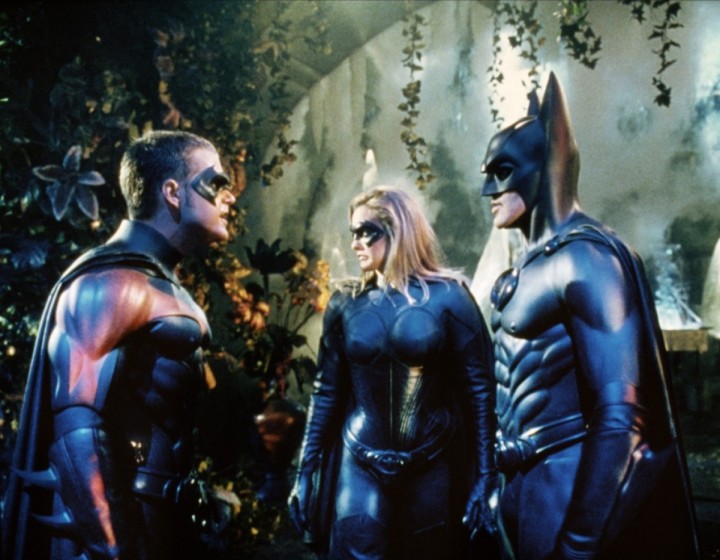
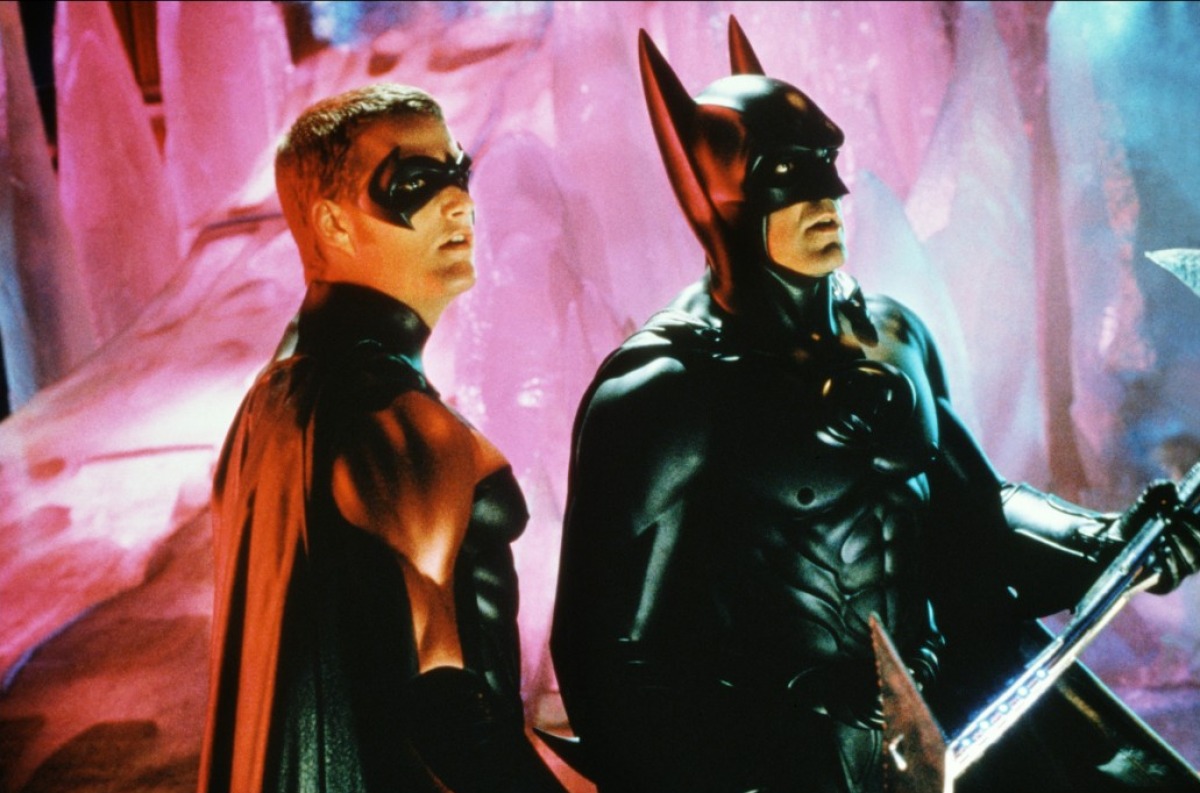
Robin’s costume and logo used in the movie were modeled after the character of Nightwing, which is a later alias of Dick Grayson in the comics after he retires the moniker of Robin.

Even before the film was released, plans were in motion for a sequel to Batman & Robin, to be titled Batman Unchained. However, the overwhelmingly negative reception to the film tanked the plans, and the Batman property sat dormant until Christopher Nolan’s Batman Begins in 2005.

The Smashing Pumpkins’s song  The End is The Beginning is The End was created specifically for the film, and ultimately won a Grammy for Best Hard Rock Performance.

Jeep Swenson, who portrayed Bane, unexpectedly died two months after the film’s release at the age of 40, due to heart failure. He was a known professional wrestler for WCW, who also appeared in the Hulk Hogan movie No Holds Barred.

Batman & Robin was made on a production budget of $125 million, on which it took in a lifetime box office total of $238.2 million between international and domestic markets.

Despite the profits, the movie was a huge critical failure, and is often cited as one of the worst movies ever made. It currently holds a 3.7/10 IMDb user rating, alongside scores of 11% from critics and 16% from audiences on Rotten Tomatoes.

Batman & Robin is a rare case where a movie was a failure, in spite of succeeding in what it sought to do. Technically, Batman & Robin is a successful execution of a vision: a heavily-stylized, cartoony family movie. However, that successfully-executed vision was roundly rejected by audiences and critics. It wasn’t short on talent, or money, or anything else: the product just wasn’t what people wanted.

Personally, I kind of enjoy the movie. Yeah, the terrible cartoon sound effects and horrendous dialogue are painful to sit through, but I can definitely appreciate some over-the-top acting. Likewise, this is one of the most uniquely designed movies I can think of. It doesn’t really look like anything else, and it contributes a lot to the hyper-reality of the content of the story and the characters. The vision here was to create a live-action cartoon, and the designs go a long way towards making that possible. I also kind of appreciate the extremely vivid color palette, and would generally take that over the sepia-drenched Batman Begins any day.

Looking back now, in a word inflicted with Zack Snyder’s melodramatic DCEU, which avoids fun and vibrancy like the plague, you can sort of see the weird charm hidden inside of Batman & Robin. Likewise, the humor, style, and even dialogue on display here are far superior to that displayed in Suicide Squad, which is strung together with string and bubble gum. Say what you will about the product, but Batman & Robin is a complete movie: an executed vision with a coherent story behind. It may be a soulless capitalistic endeavor seeking to leech off of children, but it is at least a structured narrative. It may also be a goofy, anachronistic cartoon that is edited like a panic attack, but it has some tangible vitality to it.

People know what this movie is by now. If you haven’t seen it, you’ve heard about it, or seen clips. You know what you are getting into if you are sitting down with it. Personally, I go back to this movie more often than most of the Batman flicks. It is genuinely, entertainingly terrible, but is also more visually interesting than a lot of similar bad movies. Not only that, but Joel Schumacher’s commentary track, which is available on some DVD releases of the movie, is both insightful and hilarious, and adds a lot to a rewatch. For bad movie fans, this is mandatory viewing. For casual movie fans or folks looking for a laugh, this is a good option to take out. For all of the screenplay’s issues, pacing is not one, and that is the most painful aspect of most bad movies.

The Beastmaster

The Beastmaster

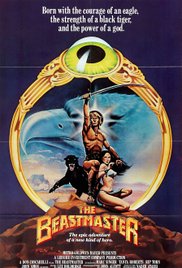
Today, I’m going to take a look at the 1982 cult classic, The Beastmaster.

The plot of Beastmaster is summarized on IMDb as follows:

A sword-and-sorcery fantasy about a young man’s search for revenge. Armed with supernatural powers, the handsome hero and his animal allies wage war against marauding forces.

Beastmaster was both directed and co-written by Don Coscarelli, who is known for other cult favorites like Phantasm, John Dies At The End, and Bubba Ho-Tep.

The cast of the movie is made up primarily by John Amos (Coming to America, Die Hard 2, Lock Up), Rip Torn (Men In Black, Dodgeball, RoboCop 3, The Man Who Fell To Earth, Trial and Error), Tanya Roberts (Sheena, A View To A Kill), and Marc Singer (Arrow, Beastmaster 2, Beastmaster III).

The cinematographer for Beastmaster was John Alcott, who was a frequent collaborator of Stanley Kubrick, shooting The Shining, Barry Lyndon, and A Clockwork Orange under him.

Beastmaster‘s editor was Roy Watts, who also cut movies like Kes, Sinbad and The Eye of the Tiger, The Golden Voyage of Sinbad, Vice Squad, and 1999’s Beowulf.

The musical score for Beastmaster was composed by Lee Holdridge, whose other credits include The Pack, Mr. Mom, Splash, and Born In East L.A., among others.

The veteran special effects team for the film was made up of Frank DeMarco (Battle Beyond The Stars, The Terminator), Roger George (The Howling, Chopping Mall, Ghoulies, Night of the Creeps, Night of the Demons, Blacula, Humanoids From The Deep, Bloody Birthday), and Mark Sparks (Gremlins 2, Jingle All The Way, Friday the 13th: A New Beginning).

Once it hit television, Beastmaster became such a staple of cable channels that comedian Dennis Miller joked that HBO stood for “Hey, Beastmaster’s On”, and TBS was sometimes jokingly referred to as “The Beastmaster Station.” Its frequent television airings wound up building the film a dedicated cult following, which paved the way for its sequels in spite of mediocre initial box office returns.

Speaking of which, Beastmaster ultimately spawned 2 formal sequels: Beastmaster 2: Through the Portal of Time in 1992, and Beastmaster III: The Eye of Braxus in 1996, followed by a television series adaptation from 1999-2002 called BeastMaster.

Demi Moore apparently auditioned more than once for the role that went to Tanya Roberts, and was reportedly Don Cosciarelli’s first choice for the role. Likewise, Cosciarelli desperately wanted famed actor Klaus Kinski for Rip Torn’s role, but an agreement couldn’t be reached.

The story of Beastmaster is based somewhat loosely on the 1959 book The Beast Master, by Andre Norton, though it isn’t considered an official adaptation of the work. That book spawned four subsequent books, which spanned all the way to 2006.

Director Don Coscarelli sold off his rights for the story and characters of Beastmaster after this first movie in the franchise, so he had no involvement with the sequels or the TV-series.

Beastmaster ultimately took in $14 million in its lifetime theatrical run, on an initial production budget of $8 million. For years, critics and audiences have been divided on the feature: currently it holds a 6.2/10 IMDb user rating, alongside Rotten Tomatoes scores of 42% from critics and 54% from audiences.

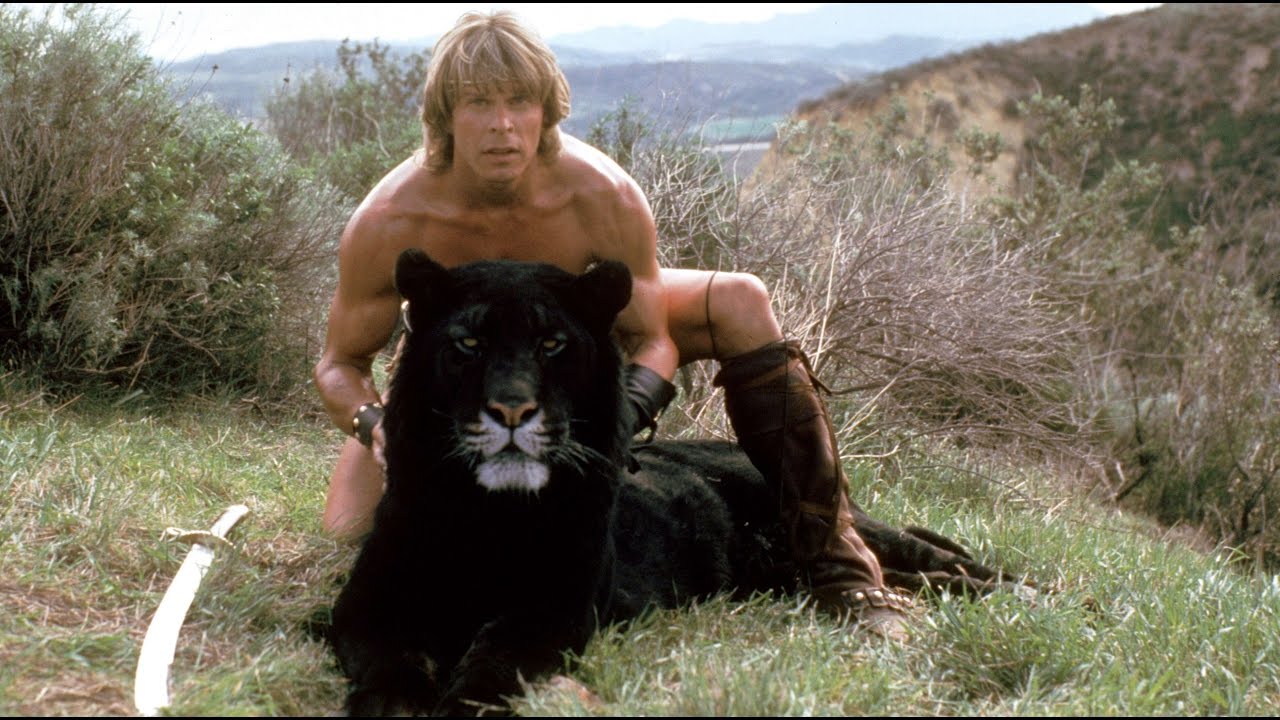
The first and most obvious issue that I have with Beastmaster are the dyed tigers, which appear throughout the movie. First off, they look absolutely ridiculous, and I can’t believe they were given the go-ahead. Secondly, why didn’t they just use them as tigers? Apparently, the dyeing was done because the director specifically wanted panthers, but the trainers informed him that they weren’t easy to work with, and that tigers were much better for what they needed. At that point, Coscarelli should have just used the tigers as is, but someone had the bright idea of dyeing as a “compromise.” The result is one of the cheesiest and cheapest aspects of the movie, and it undercuts every sequence that the cats appear in.

The eponymous Beastmaster, Dar, is kind of a creep, which I have a big problem with. In an early scene, he deliberately puts a woman in danger, and afraid for her life, in order to rescue her and force a kiss. The sequence is ultimately not only played for laughs, but she becomes the love interest for the rest of the film, because his antics were just so charming. Our hero, everyone! My big issue with this whole thing is how it impacts the target audience for the movie, which I assume was primarily adolescent boys. Instilling the idea that forcing romance through violence is a-ok, and even laudable, is absolutely ridiculous, and places some harmful values into the back of the minds of kiddos. A movie is totally fine to be stupid fun, but contributing to real social ills is a pound and a half of bullshit.

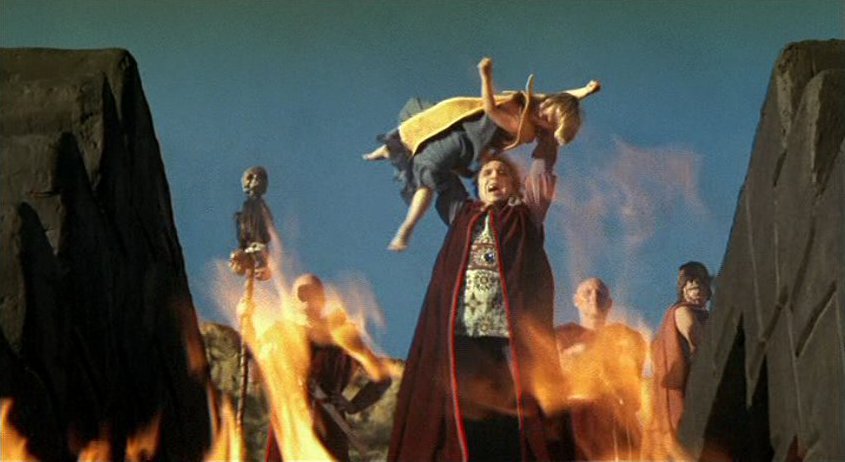
Personally, my favorite sequence in the film is probably when Rip Torn is shown hoisting a small child over his head, and then throws it into a pit of fire. That is the kind of ballsy action you just don’t get on screen nowadays. While it is true that the child is ultimately saved, we still get a nice shot of him being thrown, and falling into the pit. That, in my mind, is at least worth partial points. In general, Rip Torn is a highlight of the film, and relishes in his mustache-twirling shenanigans. It is a shame that he isn’t in more of the movie, because he lights it up every time he is shown.

The animal footage scattered throughout Beastmaster is a unique mixture of impressive and horrifying. At times, particularly with the ludicrously-dyed tigers, I was reminded of watching Roar, a disastrous movie where most of the cast and crew received serious injuries from the big cats used in the production.

Interestingly, there is a major inspiration for Beastmaster that I haven’t seen mentioned all that much: Shakespeare. There is a fair amount of story elements from Macbeth here: the movie opens with three witches over a cauldron, who then make a fatal prediction to an ambitious man. Then, that man becomes a tyrannical, usurping leader, who is undone in accordance with the witch’s prophecy by a man not born of a woman. Beastmaster is kind of like the story of Macbeth, if it were told from Macduff’s point of view, and Macduff could mind control tigers, and with all of that bothersome inner turmoil and ethical drama drained out.

Overall, Beastmaster is some excellent cheesy fun, but it is definitely a movie for another age. I suspect that there were some serious issues behind the scenes with having so many animals on set, which I shudder to think of. Likewise, Dar’s early romantic antics are, to be generous, antiquated, and to be truthful, assault. As far as a recommendation goes, I can advocate for it as a nostalgic endeavor only, and with knowledge of its faults.

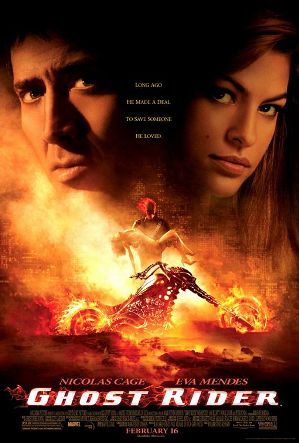
Ghost Rider

Ghost Rider

Today, I’m going to dive into the 2007 Nicolas Cage superhero movie, Ghost Rider.

The plot of Ghost Rider is summarized on IMDb as follows:

Stunt motorcyclist Johnny Blaze gives up his soul to become a hellblazing vigilante, to fight against power hungry Blackheart, the son of the devil himself.

The modern incarnation of Ghost Rider first appeared in Marvel Spotlight #5 in August of 1972, created by Mike Ploog, Gary Friedrich, and Roy Thomas. The following year, the character received a standalone title, and has been a staple of the Marvel universe ever since.

Ghost Rider was written and directed by Mark Steven Johnson, who both wrote and directed the even less well-regarded Marvel film, Daredevil. He additionally wrote the screenplays for both of the comedies Grumpy Old Men and Grumpier Old Men.

The cast for Ghost Rider includes Nicolas Cage (Con Air, Face/Off, Vampire’s Kiss, The Wicker Man, Left Behind, Snake Eyes, Bringing Out The Dead, Leaving Las Vegas, Adaptation.), Peter Fonda (Easy Rider, The Trip, Boondock Saints II, Wild Hogs), Sam Elliott (Road House, Hulk, Tombstone, The Big Lebowski), Eva Mendes (The Spirit, The Other Guys, 2 Fast 2 Furious), Wes Bentley (Interstellar, Jonah Hex, American Beauty), and Donal Logue (Blade, Zodiac, Terriers, The Patriot).

The cinematographer for the movie was Russell Boyd, whose list of shooting credits includes Liar Liar, White Men Can’t Jump, Master and Commander: The Far Side Of The World, Crocodile Dundee 2, and Doctor Dolittle.

The editor on Ghost Rider was Richard Francis-Bruce, who also cut such films as The Green Mile, The Rock, Se7en, Sliver, The Shawshank Redemption, Mad Max Beyond Thunderdome, and Air Force One.

The musical score for the film was provided by Christopher Young, whose other credits include The Core, Spider-Man 3, Swordfish, Drag Me To Hell, Rounders, Species, Copycat, and A Nightmare On Elm Street 2.

The financial success of Ghost Rider led to a sequel in 2011: Ghost Rider: Spirit of Vengeance, which once again starred Nicolas Cage in the lead role. However, in May of 2013, the film rights to the character reverted back to Marvel Studios, which effectively ended the franchise as it existed. There are no current plans for Marvel to bring the character back to the big screen, though an iteration has appeared on the television show Agents of SHIELD.

Nicolas Cage is apparently a huge fan of the Ghost Rider character, and actively lobbied for the part when he heard that it was casting. He even had to cover up a prominent Ghost Rider tattoo on his back in order to play the character.

Interestingly, Ghost Rider was the first time Cage played a comic book character, despite being an outspoken fan and collector of comic books (his stage name of Cage is taken from Marvel character Luke Cage). Famously, he almost played Superman in an ill-fated Tim Burton attempt to bring the character to the screen, which was recently chronicled in The Death of Superman Lives.

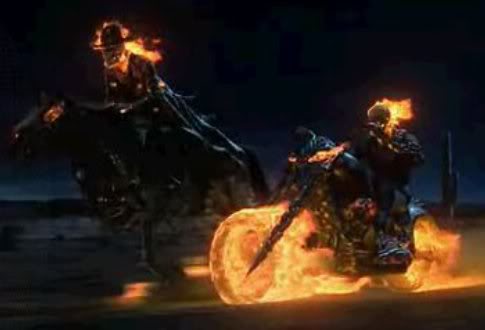
Sam Eliott’s character in the film, The Caretaker, is based on the original incarnation of Ghost Rider, which is now referred to as The Phantom Rider. This character was more of a western hero: he distinctively rode a white horse, and wore a glowing, phosphorescent mask and uniform.

The pre-production for Ghost Rider surprisingly dates back to the mid-1990s. However, numerous delays and personnel changes kept the film from being completed for roughly a decade. An early screenplay treatment for the flick was apparently cooked up by David S. Goyer, who is known for films like The Dark Knight, Man of Steel, and Blade, and wound up getting credited for writing the film’s 2011 sequel. In front of the camera, Eric Bana and Johnny Depp both nearly wound up filling the role of Ghost Rider over the years, and Jon Voight was attached at one point in a supporting role.

Nicolas Cage received a Golden Raspberry Award nomination for Worst Actor for his role in Ghost Rider, which he ultimately lost out on to Eddie Murphy’s performance in Norbit.

In a strange move, part of the promotion of the film involved the character of Ghost Rider appearing in a Jackson Hewitt commercial, in which a representative helps him fill out his taxes.

The newfound attention brought to the character by the film’s production led to a significant dispute over the ownership of the character. One of the original creators, Gary Friedrich, claimed that the rights to the character reverted to him in 2001, which led to a lawsuit and a long-running legal battle with Marvel and the studios involved in the film, which didn’t formally resolve until September of 2013.

Ghost Rider was made on a production budget of $110 million, on which it took in a lifetime theatrical gross of roughly $228.7 million between domestic and international markets. While this made it a financial success, it didn’t do nearly as well critically. Currently, it holds an IMDb user rating of 5.2/10, along with Rotten Tomatoes scores of 26% from critics and 48% from audiences.

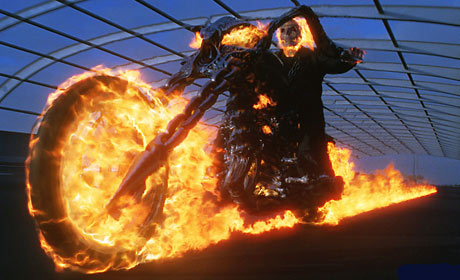
There is no way to talk about Ghost Rider without first addressing the national treasure that is Nicolas Cage. It is hard to deny that Cage is consistently a barrel of fun with his over-the-top performances, but he took a lot of criticism for this role in particular. Not only did he take a lot of flak for being too old for the character, but much was made of a scene where he appears to have CGI abdominal muscles. While that sequence is definitely a bit suspicious, my biggest issue with Cage in this movie is that he isn’t quite unchained enough for what I wanted. Outside of his initial transformation, Cage is really subdued in his performance for a man with his head on fire. He is still erratic and fun to watch, but not quite to the degree that I would have hoped for.

Even if you believe that the casting of Nicolas Cage was a bit off-base, it is hard to argue that the casting of Sam Elliott as his predecessor wasn’t pitch perfect.  For the role of a lone-retired vengeful ghost cowboy, Sam Elliott couldn’t have been a more apt choice to play the part. In fact, one of the biggest weaknesses of the film is how little screen time his character gets. In most films like this, his role would have been as a trainer and guide for the protagonist. Instead, he is more of an informant than anything else, and doesn’t do much direct teaching. It is unfortunate, because it would have been cool to watch their relationship develop in spite of their clashing personalities, but that was not to be.

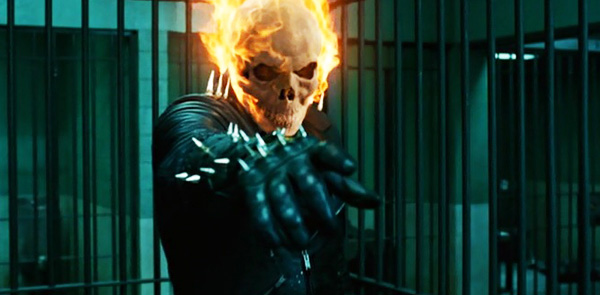
Perhaps the biggest criticism widely leveled at Ghost Rider is its extensive use of CGI, which was less that stellar at the time, and has aged very poorly. Unfortunately, I think the nature of the characters that the story was dealing with didn’t allow practical effects to be much of an option. However, the CGI didn’t have to be quite so ubiquitous: the fact that it is seemingly present in every scene makes the movie as a whole look cheaper and more artificial. CGI is best used as a background tool, but it has a more prominent place in this movie than most of the performers.

One of my personal gripes about this film is its unimaginative and paint-by-numbers screenplay. Nearly everything that happens is predictable, in a way that is even more flagrant than your average blockbuster screenplay. Not only that, but some of the dialogue borders on sounding like genre self-parody, like the mugger saying “give me your damn purse, lady!”.

Overall, Ghost Rider is a fun enough little blockbuster that it doesn’t feel like a waste of time, but it is certainly not good by any means. The character design and his bike are both fun to see on screen, but the effects spoil a lot of the coolness factor there. I still think it is worth catching for Cage and Elliott, but the film as a whole isn’t much to write home about.

As far as a recommendation goes, I think Ghost Rider is worth sitting through if you see it pop up on cable, or you just need some background noise to occupy your time. Apart from that, this isn’t something that should specifically seek out, unless you are a die-hard Nic Cage completionist.

The Fantastic Four (1994)

The Fantastic Four


Today, I’m going to delve into the infamous first attempt to bring the comic book team The Fantastic Four to the big screen: 1994’s The Fantastic Four.

The plot of The Fantastic Four is described on IMDb as follows:

When an experimental space voyage goes awry, four people are forever changed by cosmic rays: Reed Richards, inventor and leader of the group gains the ability to stretch his body and takes the name Mr. Fantastic. His girlfriend, Sue Storm, gains the ability to turn invisible and create force fields becoming The Invisible Girl. Her little brother, Johnny Storm, becomes The Human Torch with the ability to control fire, including covering his own body with flame. The pilot Ben Grimm is turned into the super-strong, super-tough Thing. Together they become a team of super-heroes and use their unique powers to foil the evil plans of villains

The superhero team The Fantastic Four was created by famed comic book masters Stan Lee and Jack Kirby, and first appeared in The Fantastic Four #1 in November of 1961. Since then, the team has been a mainstay of Marvel comics, and has made the jump to cartoons, video games, and a number of movies.

The screenplay for this film adaptation was credited to Craig J. Nevius (Black Scorpion) and Kevin Rock (Howling VI, The Philadelphia Experiment II).

The director for The Fantastic Four was Oley Sassone, who helmed numerous episodes of the television shows Xena: Warrior Princess and Hercules: The Legendary Journeys.

The cast of The Fantastic Four includes Jay Underwood (The Boy Who Could Fly, Uncle Buck), Rebecca Staab (The Substitute 3, Love Potion No. 9), Michael Bailey Smith (Men In Black II, The Hills Have Eyes), Joseph Culp (Mad Men), and Alex Hyde-White (Pretty Woman).

The editor for The Fantastic Four was Glenn Garland, who has gone on to become Rob Zombie’s go-to film cutter. His credits include 31, The Lords of Salem, Bunraku, The Devil’s Rejects, Retroactive, and both of Rob Zombie’s Halloween movies.

One of the executive producers for the film was Roger Corman, the legendary b-movie producer and director. As legend has it, he was given a small budget, and the job of throwing together a Fantastic Four movie as quickly and cheaply as possible, so that the rights to the property could be retained for another ten years. Thus, in many ways, The Fantastic Four is considered his creation, and is often referred to as Roger Corman’s Fantastic Four.

One of the special effects makeup artists for the movie was Everett Burrell, whose other credits include Castle Freak, Re-Animator, Troll, Ghoulies, DeepStar Six, Harry and the Hendersons, Pan’s Labyrinth, Hellboy, and Creepshow 2, among others.

The production designer for The Fantastic Four was Mick Strawn, who has served as a designer and art director on such movies as A Nightmare On Elm Street 4, Kazaam, The Hidden, and Candyman.

In 2015, a documentary by the name of Doomed! The Untold Story of Roger Corman’s The Fantastic Four was released, which detailed the story of the movie’s bizarre production, non-release, and ultimate cult status.

Including this iteration, The Fantastic Four has been put to film four times. The other attempts, 2015’s Fantastic Four, 2005’s Fantastic Four, and 2007’s Fantastic Four: Rise of the Silver Surfer, all met with mixed to negative receptions, leading to a popular belief that there is no way to make a Fantastic Four film work in this day and age.

The hit comedy television show Arrested Development has a recurring, thinly veiled reference to the production of this film that runs throughout the show’s fourth season. One of the main character creates a musical adaptation of an unfinished Fantastic Four movie from the 1990s, in an attempt to circumvent rights issues with Marvel.

Because the movie was never formally released, people only managed to hear about it through word of mouth, and see it on unfinished bootleg tapes. Still, the film’s reputation got around. Currently, it holds an IMDb user rating of 3.9/10, alongside Rotten Tomatoes scores of 29% from critics and 27% from audiences.

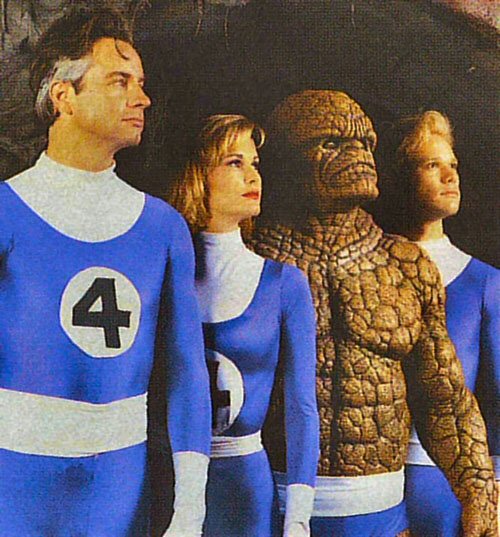
Personally, I think that there are a whole lot of things to like about this flicks. The costumes, for instance, look pretty great, and are delightfully faithful to the group’s comic book origins. They may be cheesy and somewhat goofy, but that sort of gels with what this particular hero team has always been.

Likewise, the performances and writing are generally pretty good here. All of the key players put in performances that suit their characters, are there aren’t any weak links among them. In particular, I’m a big fan of Dr. Doom in this movie: he way be an over-the-top mustache-twirler, but that is exactly what I wanted from the villain in this movie.

The biggest issues with the film relate to its financial limitations and time constrictions. The effects, for instance, are inarguably cheesy and cheap. Likewise, the audio isn’t great for some of the dialogue, which isn’t so strange for a movie that was never quite finished, and not meant for consumption. Regardless, I think these issues give the movie an added, curious charm, so it hard to fault the movie for them.

The Fantastic Four is certainly no masterpiece, but it may be the most loyal and genuine Fantastic Four movie that the world will ever see. For fans of the property, it is worth checking out. More importantly, though, this is an absolute gem of a feature for bad movie fans: the performances are goofy, the costumes and effects are cheap, and there’s a great behind-the-scenes story to tie the whole thing together.

The Adventures of Ford Fairlane

The Adventures of Ford Fairlane

Today, I’m going to dig into the 1990 Andrew Dice Clay vehicle, The Adventures of Ford Fairlane.

The central plot of The Adventures of Ford Fairlane is summarized on IMDb as follows:

A vulgar private detective is hired to find a missing groupie and is drawn into a mystery involving a series of murders tied to the music industry.

The credited writers for The Adventures of Ford Fairlane were David Arnott (Last Action Hero), Daniel Waters (Demolition Man, Hudson Hawk, Heathers), and James Cappe (Freddy’s Nightmares).

The film’s director was Renny Harlin, a noted action director whose credits include 12 Rounds, The Legend of Hercules, Driven, Deep Blue Sea, A Nightmare On Elm Street 4, and Cliffhanger.

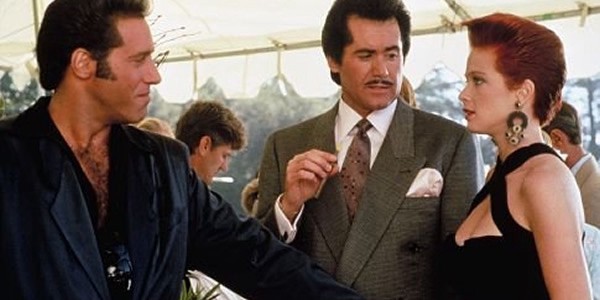
The cast of Ford Fairlane is headlined by comedian Andrew Dice Clay, with supporting roles filled by the likes of Robert Englund (A Nightmare On Elm Street), Gilbert Gottfried (Aladdin), Priscilla Presley (The Naked Gun), and Wayne Newton (Vegas Vacation, License To Kill).

The cinematographer for the film was Oliver Wood, who also shot The Adventures of Pluto Nash, Child 44, Rudy, The Other Guys, The Brothers Grimsby, The Bourne Identity, and Die Hard 2, among others.

The editor on Ford Fairlane was Michael Tronick, whose cutting credits include The Scorpion King, Straight Outta Compton, Remember The Titans, The Green Hornet, Less Than Zero, Hudson Hawk, and True Romance.

The Adventures of Ford Fairlane earned a number of Golden Raspberry Award nominations, which are given out annually to the judged worst performances and films of the year. It wound up co-winning Worst Picture with Ghosts Can’t Do It, and also taking the Worst Screenplay and Worst Actor awards, the latter for Andrew Dice Clay.

The role played by Robert Englund was initially meant for rock star Billy Idol, but he was forced to drop out after a significant motorcycle accident, prompting Renny Harlin to bring in Englund on short notice.

Despite being a significant flop in the United States, Ford Fairlane has a cult following in a handful of foreign markets, like Hungary and Norway, thanks to some popular foreign language dubs.

The Adventures of Ford Fairlane was made on a production budget of $40 million, on which it grossed $21.4 million in its lifetime theatrical run, making it a significant financial failure. Critically, it garnered mostly negative reviews: currently, it holds an IMDb user rating of 6.3/10, along with Rotten Tomatoes scores of 29% from critics and 68% from audiences.

The first and biggest issue with The Adventures of Ford Fairlane is its star: Andrew Dice Clay. Not only is he immensely irritating, but his crass and misogynistic style of humor taints any positive elements of the film. Apparently, he was a significant problem for the cast and crew on set as well, which doesn’t come as much of a surprise given his persona.

Honestly, I like the concept behind the film: the idea of a comedic, self-aware neo-noir has worked for Shane Black more than once. However, the Andrew Dice Clay stink all over this film makes even the more clever quips and sequences unbearable, which is a disservice to a screenplay that seems like it may have had some potential at one point.

Roger Ebert’s scathing one-star review sums up my general feelings about Ford Fairlane pretty succinctly:

The Adventures of Ford Fairlane is a movie about a hero I didn’t like, chasing villains I didn’t hate, in a plot I didn’t understand. It is also loud, ugly and mean-spirited. That makes it the ideal vehicle for Andrew Dice Clay, a comedian whose humor is based upon hating those not in the room for the entertainment of those present.

Basically, this is a movie to avoid. Andrew Dice Clay deserves to reside in obscure footnotes for a bygone era of comedy. Because this movie is so inexorably connected to him, that’s where it belongs as well.