Tag Archives: b-movies

Halloween III: Season Of The Witch

Halloween III: Season Of The Witch

halloweeniii3

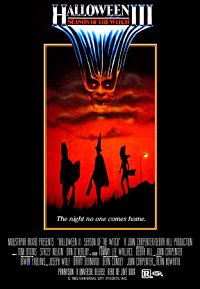
Today’s feature is the seasonal cult classic bad movie, Halloween III: Season Of The Witch.

Halloween III was written and directed by Tommy Lee Wallace, who has been behind flicks like It, Fright Night Part II, Amityville II: The Possession, and acted as an editor on the John Carpenter classics The Fog and Halloween. Uncredited screenplay work was also done by John Carpenter and Nigel Kneale (Five Million Years To Earth, Enemy From Space) over the course of a number of re-writes.

The cinematographer for the film was Dean Cundey, who shot such flicks as Escape From New York, The Fog, Halloween, Flubber, Big Trouble In Little China, Back To The Future, Road House, Hook, and Jurassic Park.

The editor for Halloween III was Millie Moore, who spent most of her career working on television movies, with the exception of 1971’s Johnny Got His Gun, which was written and directed by Dalton Trumbo.

The music for the film was provided by the duo of John Carpenter (Halloween, The Fog, Vampires, Assault on Precinct 13)  and Alan Howarth (The Omega Code, The Dentist, The Dentist 2, They Live, Escape From New York).

The team of producers for Halloween III included original Halloween creator John Carpenter, Debra Hill (Crazy In Alabama, The Dead Zone), Joseph Wolf (A Nightmare On Elm Street), Irwin Yablans (Arena, Men At Work), and Barry Bernardi (Pixels, Cabin Boy, Paul Blart: Mall Cop, The Devil’s Advocate).

The group of effects workers on the movie included Thomas R. Burman (Frogs, Howard The Duck, Hudson Hawk, Suspect Zero), John Wash (Timecop, Demolition Man), Sam Nicholson (Highlander II, The Running Man), Jon Belyeu (The Dead Zone, Jingle All The Way, Tango & Cash), William Aldridge (Class of 1999, Die Hard, Road House, Showgirls), and Ron Walters (The Breakfast Club, Police Squad!).

halloweeniii2The cast of Halloween III includes Tom Atkins (The Fog, Maniac Cop, Lethal Weapon, Night of the Creeps), Stacey Nelkin (Bullets Over Broadway), Dan O’Herlihy (RoboCop, Twin Peaks), Michael Currie (Sudden Impact, The Dead Pool), and Ralph Strait (The Beastmaster).

The plot of Halloween III follows an impromptu investigation into the brutal murder of an old man, which leads his daughter and a local doctor into a rabbit’s hole of mysticism and evil. Eventually, their efforts unveil a sacrificial plot that could threaten countless lives.

Halloween III is best remembered as the only entry in the franchise to not feature the iconic masked killer, Michael Myers. The plan was initially to turn Halloween into an anthology series, with few (if any) recurring characters between the films. This idea was axed after the negative response to Michael Myers’s absence from Halloween III, and Halloween IV was thus subtitled The Return of Michael Myers.

halloweeniii1The children’s masks that feature prominently in the plot of Halloween III were actually produced and distributed as part of the marketing of the film, and can be still found with a little bit of hunting online.

The infamous jingle that recurs throughout Halloween III uses the tune of “London Bridge Is Falling Down”, specifically because it was both catchy and available in the public domain.

Joe Dante, who is best known for movies like Gremlins, Small Soldiers, and The Howling, was at one point attached to direct Halloween III, but ultimately moved on to a different project before filming began.

Halloween III was made on a  production budget of $2.5 million, on which it grossed $14.4 million in its lifetime theatrical run. While this was ultimately profitable, it failed to come anywhere near the lofty expectations of the franchise, and is popularly regarded as a failure.

The reception to Halloween III at the time was overwhelmingly negative, primarily due to the absence of iconic franchise face Michael Myers. Currently, it holds a 4.5 rating on IMDb, along with Rotten Tomatoes scores of 33% from critics and 24% from audiences. However, the movie has grown a significant cult following over the years as a good-bad movie, and is fondly regarded by a vocal subsection of horror fans.
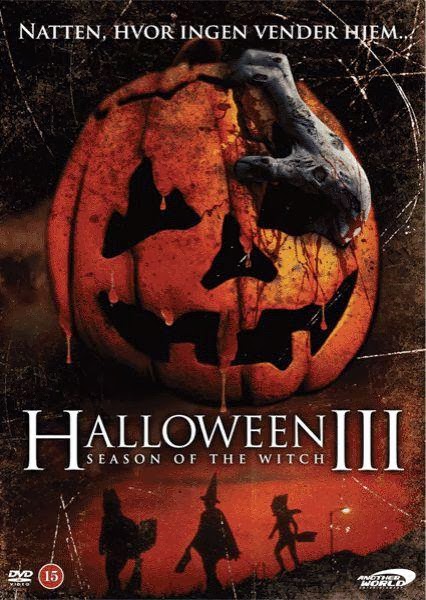
halloweeniii4For all of the criticisms that have been leveled at Halloween III, the movie definitely deserves full points for originality. This film is not a cut and paste slasher movie by any stretch of the imagination, which is more than can be said for most of the other Halloween sequels. The plot is beyond outlandish, but there are certainly no other movies like it.

More important than sheer originality, Halloween III is as entertaining as it is bizarre, particularly as the film comes to a close. Even though the plan doesn’t make much sense when you scrutinize it, the plot is certainly fun to watch unfold. After all, this movie has the rare distinction of not only allowing the bad guys to (more or less) win, but it also implies the mass deaths of countless children, which is nothing if not bold.

Overall, I consider Halloween III to be a prime example of a good-bad movie. The plot is unparalleled, the acting (particularly from Atkins) is delightful, the deaths are both brutal and excessively campy, and the music makes you want your head to explode in the best possible way. If you haven’t seen this film yet, it is a necessity of the season for both horror fans and bad movie fans alike.

As an added bonus, I highly recommend the coverage of the film by both We Hate Movies and The Cinema Snob if you are looking for additional opinions on the movie.
House II: The Second Story

House II: The Second Story

houseii3

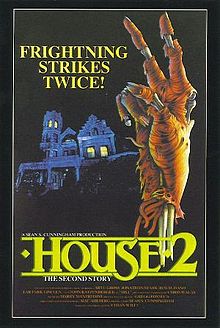
Today’s feature is 1987’s House II: The Second Story.

House II was written and directed by Ethan Wiley, who provided the screenplay for the original House and directed Children of the Corn V: Fields of Terror. Some credit was still awarded to Fred Dekker (RoboCop 3, The Monster Squad, Night of the Creeps) as a writer, due to him coming up with the original story concept for House.

The cinematographer on House II was the veteran horror director of photography Mac Ahlberg, a frequent Stuart Gordon collaborator who shot such films as King of the Ants, The Wonderful Ice Cream Suit, Space Truckers, Robot Jox, Arena, DeepStar Six, House, Re-Animator, Dolls, From Beyond, Ghoulies, and Trancers, among many others.

The editor for the film was Martin Nicholson, who has cut films like Halloweentown, Forbidden Zone, The Big Picture, and worked on handful of episodes of Game of Thrones.

The two credited producers for House II were Sean Cunningham (Friday the 13th, Jason X, The Last House On The Left, DeepStar Six, House) and Andrew Z. Davis (Volcano, Red Dragon, Rush Hour 3, Your Highness).

houseii2The musical score for House II was provided by Harry Manfredinim who is best known for his work on the Friday the 13th franchise, as well as movies like House, Slaughter High, DeepStar Six, Wishmaster, The Omega Code, Wolves of Wall Street, and A Talking Cat!?!.

The special effects team for House II included Mark Walas (Signs, Gremlins), Chris Walas (Humanoids From The Deep, Piranha, DeepStar Six, Scanners), Peter Chesney (The Ladykillers, Waterworld), Mike Smithson (Battlefield Earth, Dollman, Brainscan, Suburban Commando, The Island of Doctor Moreau), Gregg Olsson (RoboCop 2, Gremlins), Kelly Lepkowsky (Hot to Trot, Arachnophobia), Jarn Heil (Iron Eagle), and James Isaac (Jason X, DeepStar Six).

The visual effects for the film were done in part by Eric Brevig (Wolf, Wild Wild West), Phil Tippett (RoboCop 3, Howard the Duck), Mark Sullivan (The Stuff, Ishtar, Demolition Man, League of Extraordinary Gentlemen), Craig Newman (Speed, TRON), Randy Dutra (The Golden Child, Willow), Scott Beattie (Con Air, Freejack), Jon Berg (Laserblast, The Crater Lake Monster, Piranha).

The cast of House II includes Arye Gross (Castle), Jonathan Stark (Fright Night), Royal Dano (Ghoulies II, Killer Klowns From Outer Space), Bill Maher (Real Time with Bill Maher), John Ratzenberger (Cheers), Lar Park Lincoln (Friday the 13th Part VII), Amy Yasbeck (The Mask, Wings)

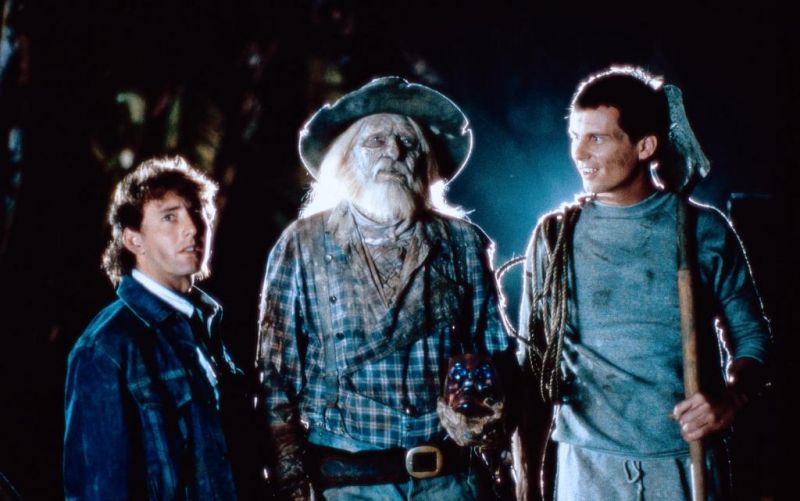
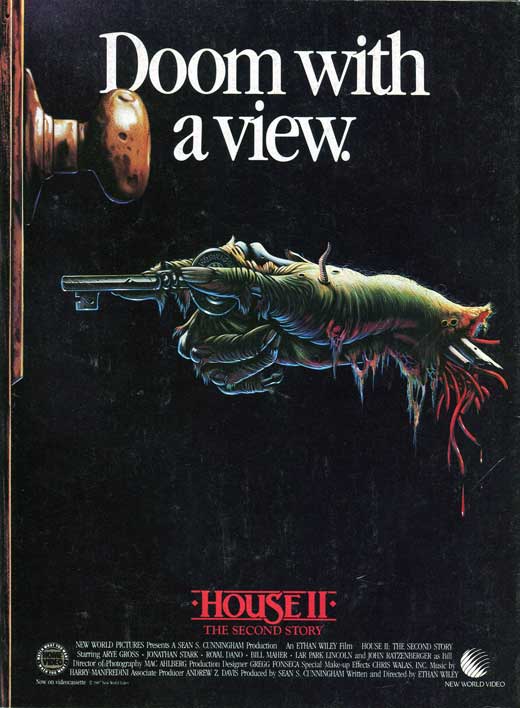
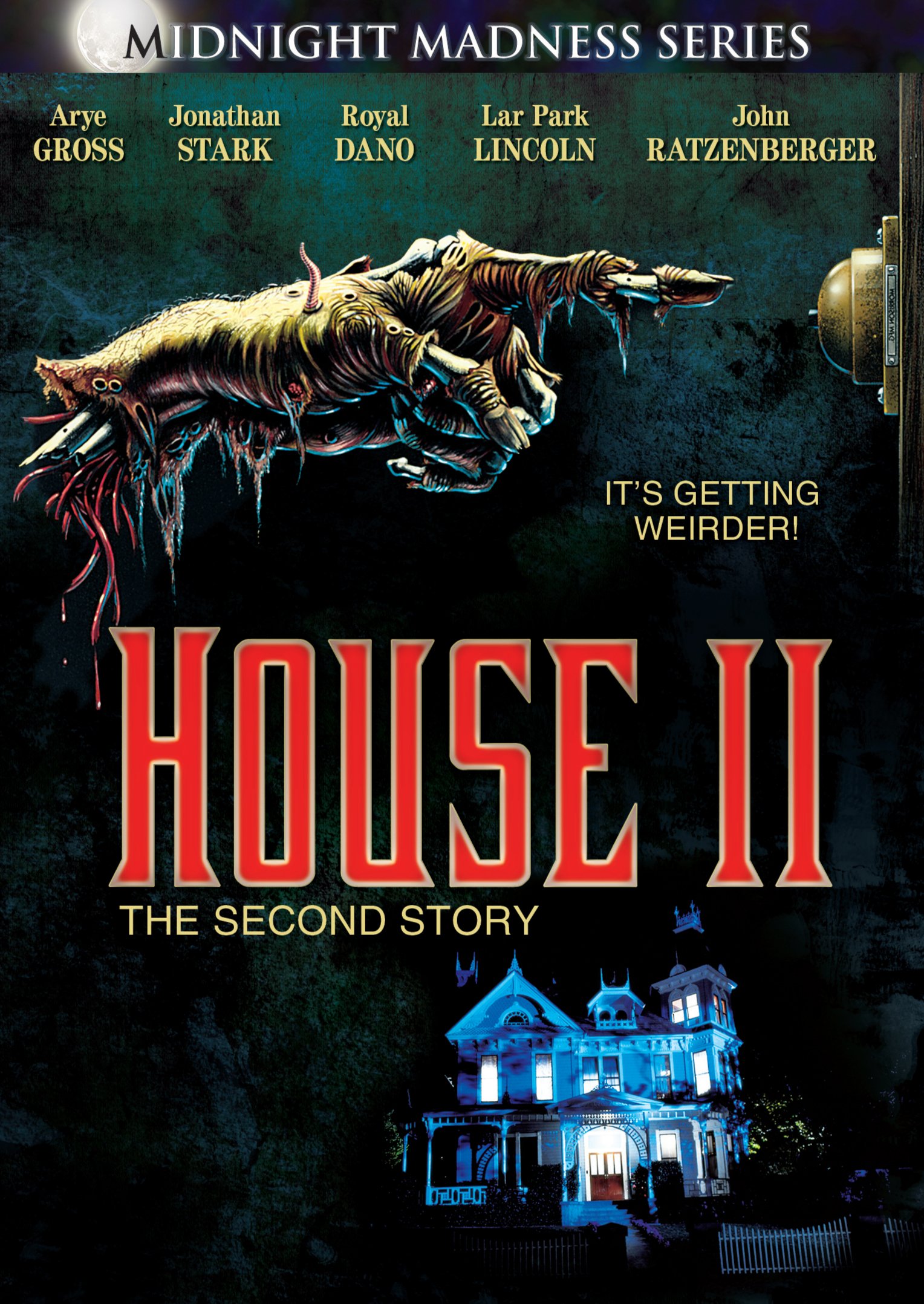
houseii4The plot of House II starts off with a man inheriting a house from his deceased parents. While going through the belongings, he discovers that a family heirloom is missing: a mystical crystal skull, which was apparently lost some generations before. On a hunch, he believes the skull may be buried alongside his great great great great grandfather, and convinces a friend to help dig him up. To their shock, not only do they find the skull, but also the living corpse of the impossibly old ancestor, However, instead of being a brain-hungy zombie, “Gramps” turns out to be a pretty cool guy, and leads the two friends into a series of misadventures as they protect the crystal skull from evil.

On paper, House II is a sequel to the cult classic horror-comedy House, which came out in 1986. However, it only bears slight thematic similarities with its predecessor, and is arguably an entirely different genre. It was followed up with the perplexingly titled House IV, which was came out in 1992. House III technically never existed, though the unconnected 1989 movie The Horror Show was labeled as such in foreign markets, necessitating the bizarre title of the franchise’s third installment.

I wasn’t able to dig up an estimate for the production budget, but House II did manage to rake in 7.8 million in its lifetime theatrical run. The reception, however, was not warm: it currently holds a 0% aggregate score from critics on Rotten Tomatoes, alongside a 40% audience score and an IMDb rating of 5.3.

houseii1This movie is, above all else, weird. House is a surreal and at times humorous horror adventure into the depths of a possessed house, and is kind of like The Burbs crossed with The Amityville Horror. House II, on the other hand, jettisons a lot of the body horror and otherwise disturbing elements of the first film, and focuses more on the idea of an adventure through alternate dimensions within the confines of a home. I definitely understand why fans of the 1986 House were disappointed in this follow-up, because it is definitely a different kind of movie. That said, I don’t think it is nearly as bad as its reputation would have you believe.

I feel about the same way about House II as I do about Halloween III: if you can divorce the film from its fan expectations, it is actually a pretty fun ride. Just like with Halloween III, House II makes little to no sense, bouncing from one bizarre reality to the next. Magical crystal skulls, giant dog-worms, pterodactyls, and zombies from the old west all play important parts, and none of that makes any more sense in the context of the film. That said, I found it to be generally fun, if not entirely coherent. I might go so far as to say that House II is like John Dies At The End without the edge or the cynicism.

In general, I think this weird, weird movie deserves a second look from a new generation. This comedic ride into complete nonsense is a blast: perhaps not a Troll 2 or The Room, but it definitely deserves more recognition as an entertainingly bad movie. Who doesn’t love a story of bonding between a man and his great great great great grandfather?

Wolves of Wall Street

Wolves of Wall Street

wolveswallstreet1

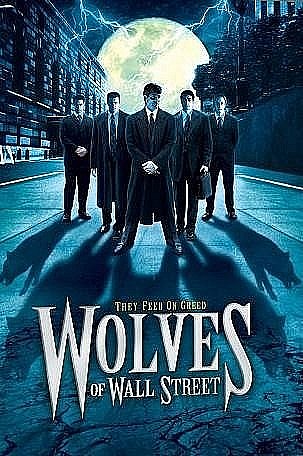
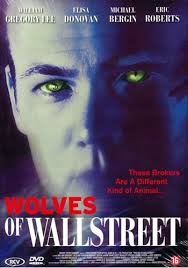
Today’s feature is David DeCoteau’s Wolves of Wall Street, about literal werewolf stock brokers.

Wolves of Wall Street was written by Barry L. Levy, who also provided screenplays for the films Vantage Point, Paranoia, and a short film called How The Pimp Saved Christmas.

Wolves of Wall Street was directed by David DeCoteau, an infamous b-movie director who has been behind such films as Puppet Master III, Dr. Alien, Prehysteria 3, The Killer Eye, Retro Puppet Master, and A Talking Cat?!?

The cinematographer for the film was Horacio Marquinez, who shot movies like World’s Greatest Dad, Vacancy 2, StarStruck, and Dummy.

The team of effects workers for Wolves of Wall Street included Luke DiTomasso (A Most Violent Year, Nurse Jackie), Tobi Britton (The Flamingo Kid), Brian Abbott (Captivity, Party Monster), Ildiko Juhasz (Return To Sleepaway Camp), and Leza Ann Rawlins (The Motel, Going Under).

The team of producers for Wolves of Wall Street was made up of Paul Colichman (Murder Dot Com, Gods and Monsters), Roberta Friedman (A Good Night To Die, Alphabet City), Andreas Hess (Ice Spiders), Sylvia Hess (Nuclear Hurricane, An Accidental Christmas), Michael Mahoney (Castle Freak, Trancers 5), and Jeffrey Schenck (Malibu Shark Attack, Big Monster On Campus).

wolveswallstreet2The musical score for the film was provided by Harry Manfredini, who has provided music for such memorable horror films as Friday the 13th, Swamp Thing, House, Deepstar Six, Wishmaster, Jason X, and The Omega Code.

The cast for the film included Eric Roberts (Miss Castaway, Inherent Vice, Doctor Who), Elisa Donovan (Clueless), Bradley Stryker (The Lizzie Borden Chronicles), John-Paul Lavoisier (One Life To Live), Jason-Shane Scott (Starship Troopers 2), Michael Bergin (Baywatch), William Gregory Lee (Justified), and Jeff Branson (The Young and The Restless).

The story of Wolves of Wall Street follows a young, aspiring stock broker as he moves to New York and breaks into the world of Wall Street. In order to make his way, he joins up with a ruthless firm of brokers, who demand his life in exchange for success. Also, they are apparently werewolves.

wolveswallstreet3Wolves of Wall Street, as the title suggests, is (very) loosely based on the story of Jordan Belfourt, which would be made famous in Martin Scorsese’s lauded film The Wolf of Wall Street. Belfourt, on top of his notorious career on Wall Street, produced a number of b-movies (including Santa With Muscles) over the years, and became a friend of David DeCoteau’s from acting as a producer on his films Skeletons and Prey of the Jaguar.

Wolves of Wall Street, shockingly, is not a very subtle movie. The parallels between wolves and stock brokers are made constantly and explicitly, to the point that is is exhausting to sit through. Stock brokers are shown urinating on objects to claim them, obsessing over red meat, showing off superhuman senses of smell, and pack hunting, and the full moon might just have more screen time than Eric Roberts by the end of the movie. Before I even got halfway through the movie, I was muttering to myself “yeah, I get it.” At the same time, the movie does everything it can to not show that the stock brokers are actual werewolves, which I have to assume was a budget decision. After all, special effects makeup is expensive, and I think this movie was made for less than the wardrobe costs of The Wolf of Wall Street.
One of my biggest issues with Wolves of Wall Street is that the supposedly relatable and pure protagonist is a bit of an asshat from the beginning of the film. The central romance of the movie is the direct result of him essentially cornering a woman and refusing to accept that she didn’t want to date him, which eventually gets him what he wants. As the plot goes on, he becomes increasingly possessive and aggressively jealous. Basically, he is exactly the sort of jackass that the rest of the stock brokers are, but the audience is supposed to be on his side because he is theoretically good-hearted deep down. It doesn’t help that the actor playing him is absolutely terrible, but the writing of the character would have ruined him regardless.

Worse than the bad characters, abysmal acting, and heavy-handed writing is the hard fact that this movie is just plain boring. In spite of all of those other problems, this might have made for a fun and cheesy film with the right spin on it. Unfortunately, this movie as it stands is the rough equivalent of watching paint dry, and I know what I’m talking about there. The only reason I might recommend watching this movie is for the interesting tangential connection to Jordan Belfourt and the much superior Scorcese movie, and because of how hilarious this movie would have been if it starred Leonardo DiCaprio as the Belfourt surrogate and Matthew McConaughey in Eric Roberts’s role. If only.

Monster High

Monster High

monsterhigh1

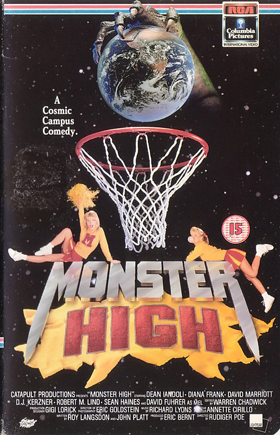
Today’s feature is the 1989 horror comedy, Monster High.

Monster High has two credited writers: John Platt and Roy Langsdon. The two also wrote the screenplays for 1990’s The Forbidden Dance and Out of Sight, Out of Mind. They  later became producers on a variety of reality television shows, including Big Brother, Brat Camp, The Surreal Life, Kid Nation, and Flipping Vegas.

Monster High was directed by Rudy Poe, whose only other directorial works have been a couple of documentaries. However, he did produce a number of Playboy videos in the late 1990s and early 2000s.

The cinematographer for the movie was Eric Goldstein, who was a camera operator on such movies as The Island of Doctor Moreau, New Nightmare, Hard Ticket To Hawaii, Kingpin, and American Pie 2.

The editor for Monster High was Warren Chadwick, who cut the films Jungle Warriors, Hollywood High Part II, Scared to Death, and Walking the Edge.

The producers for the film were Annette Cirillo (Return of Swamp Thing), Andrew Deane (The Black Cat, Pick Me Up), Richard Gitelson (Rugrats), Arne Holland (The Lemon Sisters), and Tom Kuhn (Playboy’s Really Naked Truth).

The music on Monster High was provided by Richard Lyons, who also scored the notorious Clint Howard horror film Ice Cream Man.

The effects work on Monster High was provided by the team of David Domeyer (Mulholland Drive, The Running Man), Richard Miranda (American Ninja 4, The Mangler Reborn), Matthew W. Mungle (The Midnight Meat Train, Deep Blue Sea), and Howard St. James (Hobgoblins, Death Street USA).

monsterhigh3The reception to Monster High was generally negative: it currently holds a 35% audience aggregate score on Rotten Tomatoes, along with a 3.3 rating on IMDb.

This movie is far more comedy than it is horror, and fails in that endeavor in just about every way.  For example, most of the movie is accompanied by a narrator, who is sure to explain any and all of the cheesy jokes and exposition, despite the fact that everything is clearly laid out to start with. This isn’t just grating, but it drags most of the sequences out longer than they need to be.

The humor in the movie, for the most part, is what you would expect from a modern day Scary Movie sequel: vapid sex comedy and gross-out humor. There is also a bit of self-awareness of the genre’s tropes, but it is mostly buried underneath a mountain of boob, condom, and weed jokes.

monsterhigh5
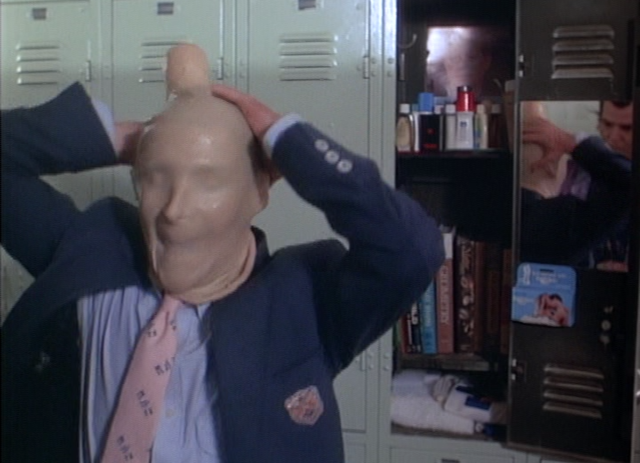
Example: asphyxiation via giant condom

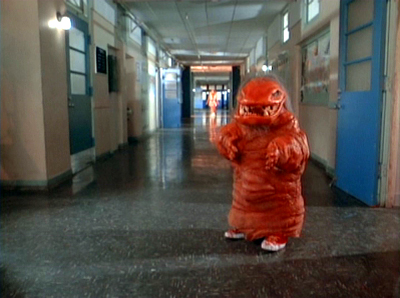
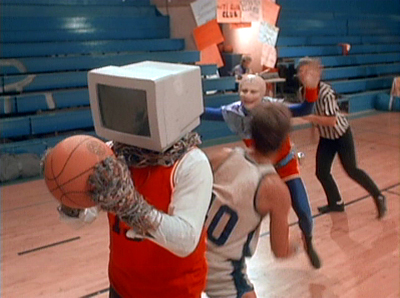
The creative deaths that pop up throughout the film are about the only value it has, courtesy of its extensive class of monsters. This film offers just about every kind of monster you could imagine: aliens with ray guns, mummies, killer plants, an evil computer, zombies, etc, and the variety of deaths go along with them. It seems to me that the effects workers had an absolute ball coming up with the gimmicks and squibs, and they mostly look pretty impressive considering how cheaply the movie was made.

The thing that stood out the most to me about Monster High was the plot, which essentially turns into Space Jam in the last act. An evil alien creates an army of monsters to end the world, and the students at the ground zero high school challenge him to a basketball match to save the planet from destruction. Unfortunately, neither Michael Jordan nor Bugs Bunny make an appearance.

Overall, this movie isn’t good for much more than some vapid, mindless fun. Personally, it isn’t my cup of tea, but I can see how some people would get a kick out of it. The effects are generally impressive, as I mentioned before, but the writing and acting are just atrocious, enough so that I would generally advise avoiding it. That said, if you are into horror comedies that rely on boobs for viewership, this one might be up your alley.

monsterhigh4

Shredder

Shredder

shredder1

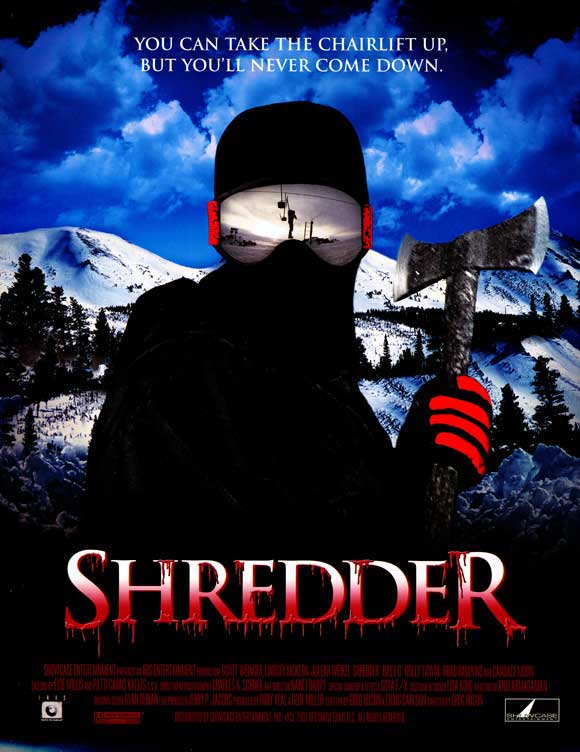
Today’s feature is the 2003 snowboarding-themed slasher movie, Shredder.

Shredder was directed and co-written by Greg Huson, whose only other notable credits are for editing a variety of Playboy documentaries. His co-writer for the film was Craig Donald Carlson, who apparently served as an electrician on the killer puppet movie Pinnochio’s Revenge.

The cinematographer for the film was Charles Schner, who was a camera operator on Carnosaur 3 and Captain America: Civil War, and worked on a variety of television shows including The Mentalist, My Name Is Earl, and American Horror Story.

The editor for Shredder was Andi Armaganian, who has done extensive cutting work on the television shows Arrow and Smallville.

The musical score for Shredder was provided by Alan Derian, who was composed music for a variety of low budget features, including Red Line, Beatdown, Beneath the Blue, and Eye of the Dolphin.

The team of producers for Shredder were Jerry P. Jacobs (Disaster Movie, Cyber Tracker), Geof Miller (DeepStar Six, House IV), and Rory Veal (Lovers Lane),

The effects work for the film was provided by the team of Jerry L. Buxbaum (The Kill Hole, Bullet), Mark Villalobos (Army of Darkness, The Mangler, The Prophecy), Minky Billups (Baby Geniuses, Mission Impossible: II), and Scott Billups (Barb Wire).

The cast for Shredder included Scott Eric Weinger (Aladdin), Lindsey McKeon (Saved By The Bell: The New Class), Billy O’Sullivan (The Van Dyke Show), Brad Hawkins (Boyhood), and Candace Moon (Lions For Lambs, Speed Demon).

Shredder was briefly released to theaters in parts of the northwestern United States, where snowboarding is a big hobby.

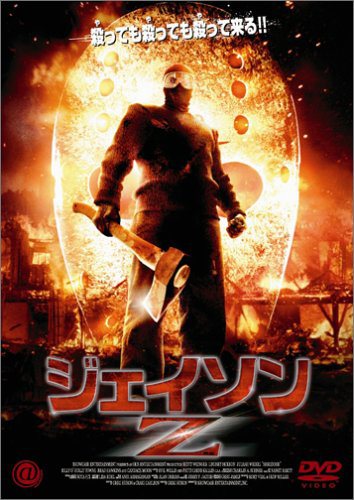
In Japan, there was apparently an attempt to market the film as a Friday the 13th sequel, going by the title of Jason Z, which was an aping of the 2001 hit Jason X.

shredder3The reception to Shredder was very negative: it currently holds a Rotten Tomatoes aggregated audience score of 24%, alongside an IMDb rating of 4.5.

Shredder is plagued with awful characters and dialogue from start to finish. There is a constant barrage of lines like “You are so killer!” and “Somebody kill me!,” and more utterances of the word “dude” than I have ever heard outside of The Big Lebowski. The characters are by and large immature brats of high class birth who aren’t identifiable in the slightest, and basically only exist to be “shredded.” By the end of the film, I hated snowboarders as much as the killer, and couldn’t help but pull for the masked skiier to finish off the bunch.

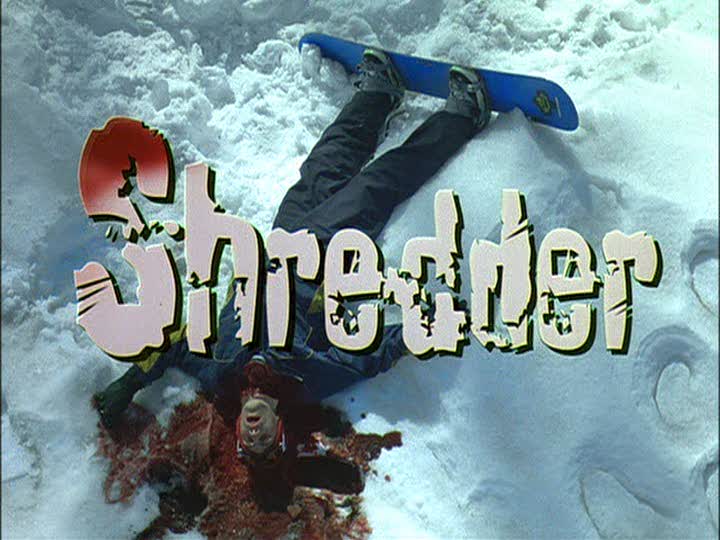
shredder2Shredder tries to ride the line between horror and comedy, presenting an assortment of red herrings and ludicrous character deaths. Personally, I got a slight chuckle out of the sheer silliness of the frozen corpse inside of a snowman and the snow angels made with killed snowboarders. However, most of the attempts at humor just don’t work in the slightest, and come off as either in poor taste or just extremely lazy. In a lot of ways, it bears similarities to Scream in how the characters are written with an awareness of slasher movie tropes, but without any sense of subtlety.

Overall, Shredder is a fairly generic slasher movie that clearly had aspirations of being more. As it is, though, there isn’t a whole lot to recommend here. Horror fans might enjoy it for the generic slasher that it is, but it certainly isn’t anything unique to go out of the way for.

Brainscan

Brainscan

brainscan1

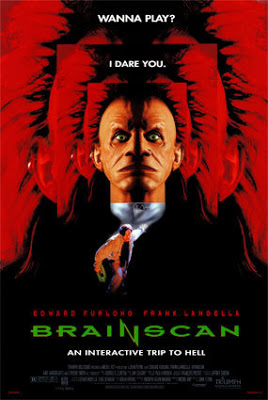
Today’s feature is Brainscan, a 1994 horror film about a killer video game.

Brainscan was written by the combination of Brian Owens (Happy Hell Night) and Andrew Kevin Walker, who is best known for the notable films Sleepy Hollow, 8MM, and Se7en.

The director on Brainscan was John Flynn, who was also behind the movies Best Seller, Out For Justice, and Lock Up, among others.

The cinematographer for the film was Francois Protat, who most famously shot the sci-fi film Johnny Mnemonic and the morbid comedy Weekend at Bernie’s,

Brainscan had two credited editors: Jay Cassidy, known for cutting films like Silver Linings Playbook, American Hustle, Foxcatcher, and Fright Night Part 2, and Phillip Linson Deadfall, who worked on Friday the 13th: The Final Chapter and Tombstone.

The team of producers on the film included Bob Hayward (Step Up, Step Up 2: The Streets), Joe Nicolo (Shade, Tooth and Nail), Michel Roy (Loaded Weapon I), and Jeffrey Sudzin (Idle Hands, Fright Night Part 2, Hamburger: The Motion Picture).

The musical score for Brainscan was composed by George S. Clinton, who also provided music for such films as The Love Guru, Austin Powers, Mortal Kombat, Beverly Hills Ninja, American Ninja 2, and American Ninja 3.

The special effects team for the film included Evan Brainard (Mortal Kombat, Space Truckers), Gary Coates (Trailer Park Boys, The Curious Case of Benjamin Button), Ryal Cosgrove (Scanners II), Jacques Godbout (Scanners, Vigilante), and Steve Wright (Eastern Promises, The World’s End).

The makeup effects were provided by a unit that was made up by Steve Johnson (Dead Heat, Species, League of Extraordinary Gentlemen, Videodrome, Humanoids From The Deep, Suburban Commando, Leviathan), Adrien Morot (Death Race, Battlefield Earth), Joel Harlow (Battlefield Earth, Suburban Commando, The Langoliers), Loren Gitthens (Darkman, Fright Night Part 2), Joe Fordham (Evolver, Species II), Norman Cabrera (Wolf, Spawn, The Cell), and Mike Smithson (Dollman, Dead Heat, Teen Wolf Too).

The visual effects on Brainscan were done in part by Art Durinski (TRON), Lisa Foster (Wolf, Virtuosity), Aristomenis Tsirbas (Titanic, Star Trek: Enterprise), Teddy Yang (Shark Tale, Mission To Mars), Cosmas Bolger Jr. (Swordfish, Red Planet, The Core, Club Dread), Chris Casady (Tank Girl, Children of the Corn II), Lisa Adamson (Wolf), Michael Rivero (Stargate, Coneheads), Karen Skouras (From Dusk Till Dawn, Tank Girl), and Steve Wright (Superman III, Blade: Trinity).

The cast of Brainscan was made up of Edward Furlong (American History X, Terminator 2), Frank Langella (Masters of the Universe, Small Soldiers, The Ninth Gate, The Twelve Chairs), T. Ryder Smith (The Venture Brothers), Amy Hargreaves (Homeland), and Jamie Marsh (Evolver).

brainscan4Reportedly, Edward Furlong and director John Flynn didn’t get along throughout the production of the film. Furlong was apparently in the midst of his teenage rebellious phase, and was under-performing his role on top of that (in the opinion of Flynn).

Brainscan managed to pull in a $4.3 million gross in its total theatrical run, but I wasn’t able to dig up any budget information. My guess is that it was profitable on what was likely a low budget, but not enough so to justify a sequel.

The reception to the movie was mixed. Critics landed on the negative end of the spectrum from what I have seen, giving it a metascore of 18% on Rotten Tomatoes. Audiences, on the other hand, have been a good deal kinder, earning it a 6.1 on IMDb and a 61% Rotten Tomatoes audience score.

Furlong’s lead character is introduced to the audience as a voyeur, spying on the girl who lives across the street from him with an advanced camera and computer system. This doesn’t seem to be played by the film as intentionally creepy, and comes off more as a way to establish that he is a socially inept geek. That really started me off on the wrong foot with both the character and the movie in general, because that kind of behavior is pretty blatantly creepy and wrong, and doesn’t inspire any positive feelings from me.

The background of the movie features a lot of pseudo-advanced technology, like a voice-activated personal computer and what seems to be a form of online telephone system. While these are very much real things now, they were pretty far off in 1994. I’m not sure if these are more examples of a cheesy misunderstanding of contemporaneous technology on the part of the production or surprisingly successful futurism by the writing, but either way they are pretty entertaining to see.

brainscan3Brainscan has a pretty serious case of tone confusion if you ask me. The first few minutes build up a surreal and uneasy-feeling setting, which are followed by some impressive gore effects and menacing sequences. However, it turns a bit jokey and lighthearted at times, thanks to the excessively flamboyant villain (which I assume was designed with Freddy Kruger in mind) and some mostly unnecessary gags. What comes out isn’t quite a dark comedy, as much as it is a straight horror movie with poorly integrated humor that mixes like oil and water.

That said, the makeup effects are effectively bizarre, and not just in terms of gore. The Trickster, the Freddy-esque villian, has some of the most ridiculous hair I have ever seen outside of a 1980s music video, and is heavily made up to look vaguely inhuman. The computer generated visual effects, however, have aged very poorly, making the climax sequence almost laugh-out-loud hilariously dated.

brainscan2Overall, Brainscan isn’t an awful horror movie, and does showcase some interesting ideas here and there. However, the execution leaves a bit to be desired, like the idea wasn’t quite percolated on long enough. The practical effects generally do look good though, making it easy enough to watch, but the writing and acting aren’t quite on par. For horror fans, I think it is worth checking out. As a bad movie watch, it has enough cheesy moments, bad acting, and weird plot bits to make it worth digging up, though it definitely isn’t a top-tier choice for me. That said, the tail end of the movie showcases some memorably terrible visual effects that are bound to stick with you.

Yor: The Hunter From The Future

Yor: The Hunter From The Future

yor2

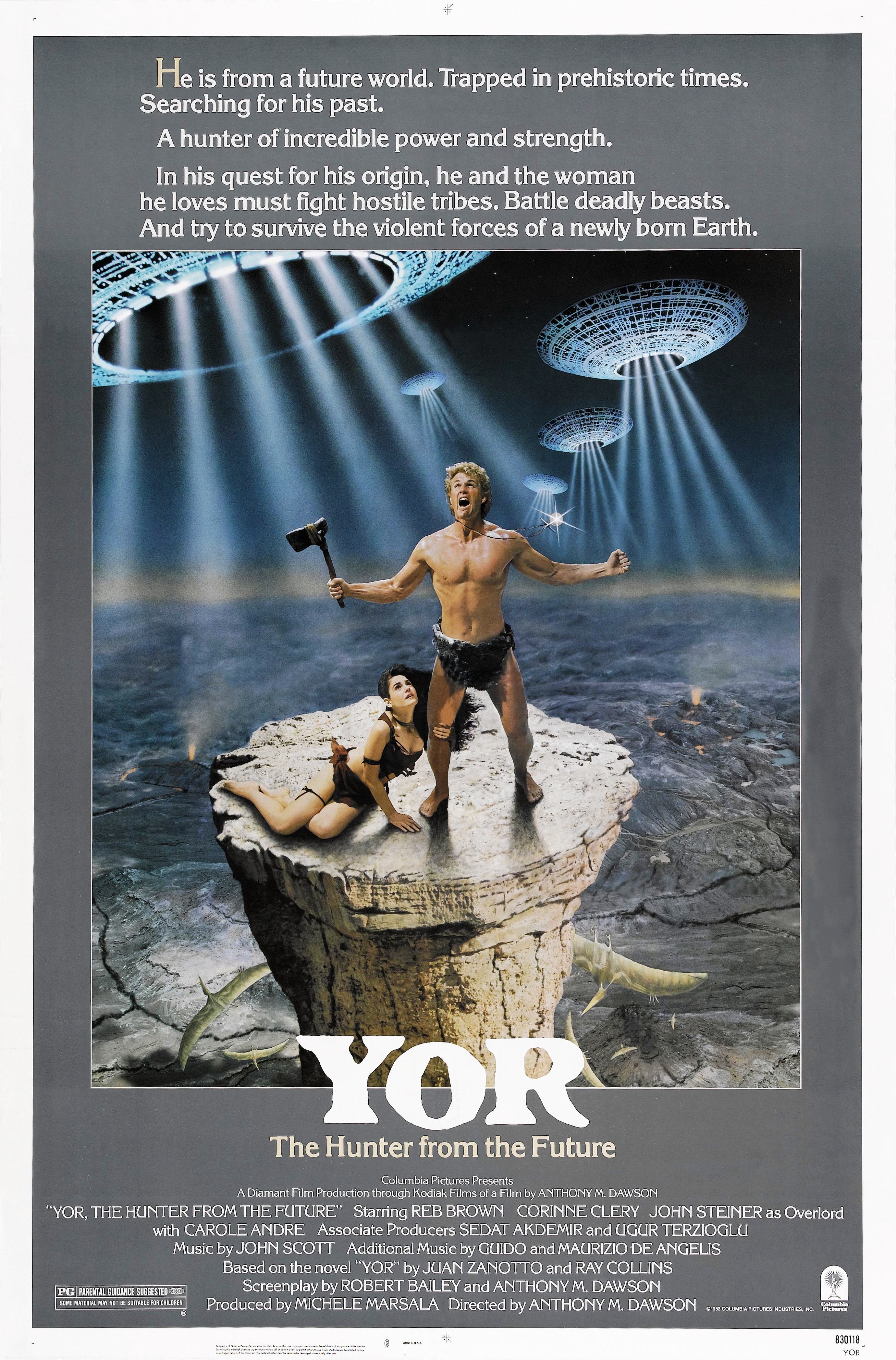
Today’s feature is a true cult classic sci-fi / fantasy b-movie: Yor: The Hunter From The Future.

The story behind Yor is a loose adaptation of a comic called Henga, El Cazador, which was originally created by the duo of Ray Collins and Juan Zanotto.

Yor was co-written and directed by Antonio Margheriti, a prolific creator of knockoff b-movies such as Cannibal Apocalypse, Horror Castle, Flesh For Frankenstein, Alien From The Deep, and Killer Fish. His co-writer on the screenplay was Robert Bailey, an experienced visual effects artist who has worked on films like Evilspeak, Blade Runner, and C.H.U.D. II: Bud the Chud.

The cinematographer for Yor was Marcello Masciocchi, who also shot the films Boot Hill, All the Way Boys, Ace High, and Jungle Holocaust.

Yor featured two primary credited editors: Alberto Moriani (Zombie Holocaust, Zombi 3) and Giorgio Serrallonga (For A Few Dollars More, Turn The Other Cheek).

The special effects on Yor were provided by the low-budget team of director Antonio Margheriti, his daughter Antonella Margheriti, and his son Edoardo Margheriti (who would later serve as an assistant director on Hudson Hawk).

The makeup effects for Yor were provided by Mario Scutti, who is best known for working on David Lynch’s failed science fiction epic, Dune.

yor3The memorable music for Yor was provided by John Scott, who also composed music for films like Trog, Man on Fire, and King Kong Lives over his career.

The cast for Yor included low-level action star Reb Brown (Space Mutiny, Captain America (1979), Strike Commando, Howling II), Corinne Cléry (Moonraker), Carole André (Death in Venice, Dillinger is Dead), and Luciano Pigozzi (Blood and Black Lace, Two Women).

yor5The plot of Yor combines elements of science fiction and fantasy, particularly in regards to the setting. In the beginning of the film, it is assumed that Yor takes place in the distant past, but it is later revealed through Yor’s journeys that the world he lives in are ruins from a technologically advanced civilization. Unfortunately, the full title of the movie (Yor, The Hunter From The Future) completely spoils this twist out of the gate.

Yor wound up with three Golden Raspberry nominations: Reb Brown for Worst New Star, the theme song “Yor’s World” for Worst Song, and the score as a whole for Worst Musical Score. Despite not winning in any of those categories, Yor is listed in The Official Razzie Movie Guide as one of “The 100 Most Enjoyably Bad Movies Ever Made.”

Yor was not particularly well-received, but has held up through the years as a cult favorite bad movie. It currently hold a 4.1 rating on IMDb, along with Rotten Tomatoes scores of 17% (critics) and 50% (audiences).

Everything about Yor both feels and looks cheap, which gives the production a certain charm, not unlike many Corman flicks or similar Italian b-movies. While Reb Brown is always a hammy delight, he isn’t quite in Space Mutiny or Strike Commando form in Yor. In general, he is a cut and dry barbarian here, which is a slight disappointment. The biggest draw here are the goofy effects, which are hilariously incompetent. As mentioned earlier, the director elected to do the effects himself (with the help of his children) rather than hire a crew or bring in outside help, which reminds me of an old lawyer’s saying: “A man who is his own lawyer has a fool for a client.” If you ask me, the same logic held true here for the effects work.

There are certainly some vivid highlights from this movie, but on the whole it is about as slow and dull as the Ator movies if you ask me, though the peaks arguably justify the tribulations of the valleys.

yor4Yor is a movie that has proven pretty contentious among bad movie fans. Some absolutely adore it, while plenty of others find it too boring to enjoy on the whole. Personally, I recommend at least giving it a shot, with the caveat that it is far from a good-bad slam dunk. If you go in with managed expectations, you’ll have a better time with it. At the very least, whether you want to watch the film or not, you absolutely must listen to the bizarre prog-rock theme song.

Riki-Oh: The Story of Ricky

Riki-Oh: The Story of Ricky

ricky1

Today’s feature is one of the most ludicrously violent action movies of all time: Riki-Oh: The Story of Ricky.

Ricki-Oh is based on a popular manga series of the same name that was developed by illustrator Tetsuya Saruwatari and writer Masahiko Takajo in 1988. Aside from this infamous film adaptation, the series was also turned into an anime OVA in 1989.

Riki-Oh was directed by Ngai Choi Lam, who also provided the screenplay for the movie. He only has a handful of other credits to his name, the most notable of them being  the curiously-titled Erotic Ghost Story from 1987.

The cinematographer on Riki-Oh was Hoi-Man Mak, a camera operator who has worked on action films like Four Assassins and Flash Point.

Riki-Oh featured two primary credited editors: Peter Cheung (Enter The Dragon, Rumble In The Bronx, The Chinese Connection) and Chuen Tak Keung (Center Stage, Erotic Ghost Story).

The music for Riki-Oh was provided by Fei Lit Chan, who also composed scores for the martial arts film Dragon Inn and one of Ngai Choi Lam’s previous films, Erotic Ghost Story.

The producers of Riki-Oh included John Sirabella (Tokyo Gore Police, Destroy All Monsters, Godzilla vs. Megalon) and Lam Chua (Armour of God, Crime Story, Erotic Ghost Story).

The makeup effects for Riki-Oh were done by Fung-Yin Cheng and Chi-Wai Cheung, the latter of whom also provided the special effects work for the movie.

The stunt coordinator for the film was Philip Kwok, an accomplished performer who has worked on films like Hard Boiled and the James Bond movie Tomorrow Never Dies.

The cast for the Riki-Oh included Siu-Wong Fan (Ip Man, Ip Man 2, Kung Fu Killer) in the title role, Ka-Kui Ho (City of Fire, Prison on Fire), and Mei Sheng Fan (The Young Master, Magnificent Butcher).

The plot of Riki-Oh follows a seemingly super-powered martial artist as he navigates his way through prison life, picking fights with both the prisoners’ ruthless gangs and the corrupt administration along the way.

Riki-Oh is best remembered as on of the most ridiculously gory action movies ever made, in an attempt to imitate the original style of the manga source material. However, the effects don’t translate particularly realistically to a live-action scenario. Reportedly, so much fake blood was used in the finale sequence of Riki-Oh that it took days for the red tint to come out of Siu-Wong Fan’s skin.

Due to its over-the-top stylistic violence, Riki-Oh has a dedicated cult following among martial arts and action movie junkies. Currently, it holds an IMDb rating of 7.2, along with Rotten Tomatoes scores of 89% (critics) and 85% (audience).

To be perfectly honest, I don’t have any strong criticisms about this movie. The logical issues with the plot are hardly worth fretting over in the midst of the bizarre spectacle that unfolds over this movie’s run-time. The only major negative is the Warden’s aggravating man-child, but even that character is forgivable thanks to what the rest of the movie has to offer. This is a film that is best to just experience without any explanation or context, in order to truly appreciate just what it is.

The plot (which is nonsense) doesn’t matter, the background (which is sparse) doesn’t matter, and the characters (who primarily exist to be dismembered and exploded) certainly don’t matter. This film is a meticulous exercise in adapting manga to the live action screen, and it is accurate in that quest in spite of any reason or sense. If you aren’t squeamish, this is an action movie that is more than worth checking out, just to say that you have. Go in expecting blood and nonsense, and you will be gleefully satisfied.

Masters of the Universe

Masters of the Universe

masters2

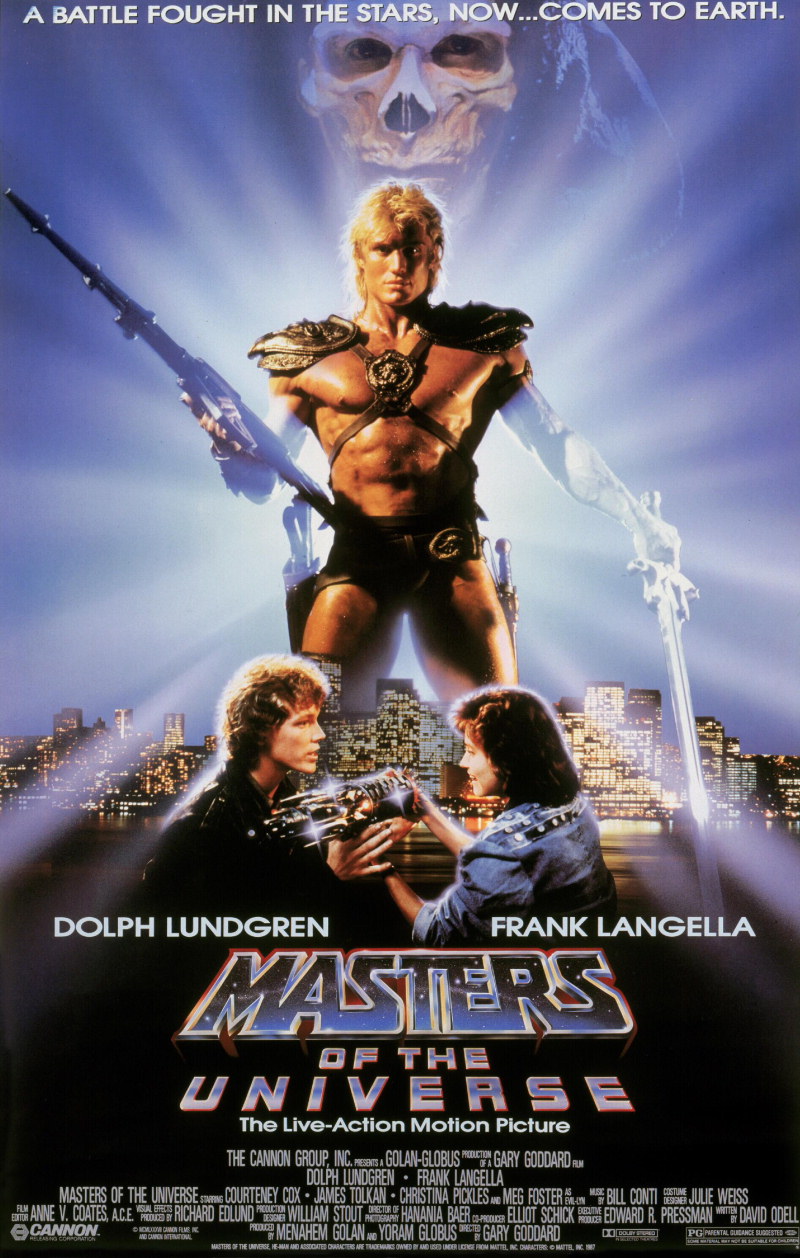
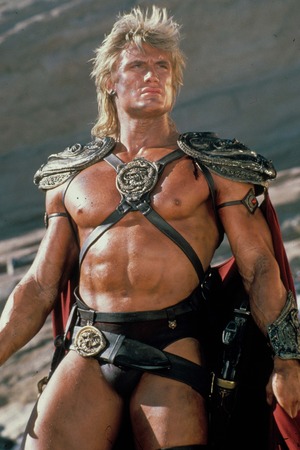
Today’s feature is the much-maligned film adaptation of the Mattel franchise He-Man: Cannon Group’s Masters of the Universe.

Masters of the Universe was written by David Odell, who also penned such films as Supergirl, The Dark Crystal, and numerous episodes of The Muppet Show.

The director on Masters of the Universe was Gary Goddard, which is to date his only feature film directorial credit. However, he has produced and written a number of shorts and 3D/4D shows for theme parks over the years, if that counts for anything.

The cinematographer for Masters of the Universe was Hanania Baer, who has shot such movies as American Ninja, Ninja III: The Domination, Breakin’ 2: Electric Boogaloo, The Brotherhood of Justice, and Ernest Scared Stupid.

The editor on the film was Anne V. Coates, who has also cut movies such as Fifty Shades of Grey, Congo, Lawrence of Arabia, Striptease, Erin Brockovich, and The Golden Compass over her career.

The two primary producers of Masters of the Universe were Menahem Golan and Yoram Globus, the infamous duo behind the flurry of Cannon Group b-movies that dominated the 1980s (Enter the Ninja, Revenge of the Ninja, Ninja III: The Domination, American Ninja). The other producers included Elliot Schick (Total Recall), Edward Pressman (The Island of Dr. Moreau, Judge Dredd, Street Fighter), and Evzen Kolar (Surf Ninjas).

The makeup effects team for Masters of the Universe included Robin Beauchesne (Killer Workout, Iron Man 2, First Daughter, National Treasure), James Kagel (Stargate, Child’s Play, Big Trouble In Little China), Todd McIntosh (April Fool’s Day), Gerald Quist (Drive, Jonah Hex, Breakfast of Champions, Re-Animator), June Westmore (Sphere), and Michael Westmore (Raging Bull, Capricorn One).

masters3

The Masters of the Universe special effects team was composed of Larry Roberts (Volcano, 3 Ninjas Kick Back), Karl G. Miller (Cat People, The Blues Brothers, Battlestar Galactica), Daniel Hutten (Die Hard, Solarbabies), R.J. Hohman (The Perfect Storm, Cyborg, Popeye, The Two Jakes), and Arthur Brewer (The Hitcher, Swamp Thing, Smokey and The Bandit).

The massive team of visual effects artists on Masters of the Universe included common elements with such productions as Ghostbusters, Volcano, Coneheads, Leonard Part 6, Fright Night, Donnie Darko, Battle Beyond The Stars, Mystery Men, Lawnmower Man 2, Ghost, and Raiders of the Lost Ark.

The music for Masters of the Universe was composed by Bill Conti, who is best known for his work on the Rocky movies, The Karate Kid, and The Right Stuff.

The cast of Masters of the Universe included Dolph Lundgren (Rocky IV, Dark Angel, The Punisher, Red Scorpion), Frank Langella (The Twelve Chairs, Junior, Cutthroat Island, Small Soldiers, The Ninth Gate), Meg Foster (They Live, Leviathan, Blind Fury, The Lords of Salem), Billy Barty (Willow, Legend), Courteney Cox (Friends, Scream, Cougar Town), Chelsea Field (Death Spa, The Last Boy Scout, Flipper), and James Tolkan (Back To The Future).

masters4

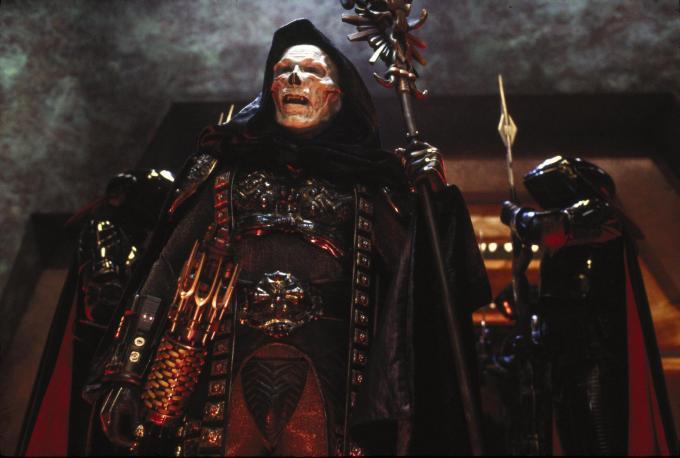
The plot of Masters of the Universe follows a group of resistance fighters from a faraway planet who are transported to Earth through the use of a mysterious scientific device. However, their enemies soon follow, in an effort to exterminate them and solidify their sinister rule. He-Man and his allies have to work with a handful of humans from Earth to defeat the evil Skeletor to save both Earth and the faraway planet of Eternia from the long reach of darkness.

In an interview, director Gary Goddard spoke about the stylistic influence of the works of Jack Kirby on Masters of the Universe, saying:

“the storyline was greatly inspired by the classic Fantastic Four/Doctor Doom epics, The New Gods and a bit of Thor thrown in here and there. I intended the film to be a “motion picture comic book,” though it was a tough proposition to sell to the studio at the time. ‘Comics are just for kids,’ they thought. They would not allow me to hire Jack Kirby who I desperately wanted to be the conceptual artist for the picture”

The costuming for the character of Evil-Lyn caused actor Meg Foster significant bruising in particularly inconvenient locations, and reportedly weighed well over 40 pounds in total. Interestingly, the eerie appearance of her eyes in the movie was completely natural, and required no enhancements or contact lenses.

masters6

Frank Langella reportedly loved playing the character of Skeletor, and even wrote some of the more memorable lines in the movie himself. He initially took the role because of how much his son loved the franchise, a situation that echoes the similar casting of Raul Julia in the Street Fighter adaptation some years later.

Interestingly, Masters of the Universe is an adaptation specifically from the original line of toys, and not the immensely popular cartoon, which establishes very different backstories for the characters and the plot. This confused many fans of the franchise when the movie initially released, and almost certainly contributed to the negative reception it received.

The failure of Masters of the Universe, coupled with the disappointment of Superman IV, supposedly foiled plans by the Cannon Group to invest in a high budget film adaptation of Spider-Man in the late 1980s, which was to be funded by the profits of those two films.

A sequel to Masters of the Universe was cast and written, but was ultimately scrapped just as the Cannon Group was going under. Very little is known about the abandoned production, other than that it would have been directed by Albert Pyun (Captain America).

A reboot of Masters of the Universe is currently in the works (and has been for a few years), with the latest information that Thor: The Dark World screenwriter Christopher Yost has been attached to keep it moving along. No directors are currently attached to the project, and no clear timeline has been set for shooting or release.

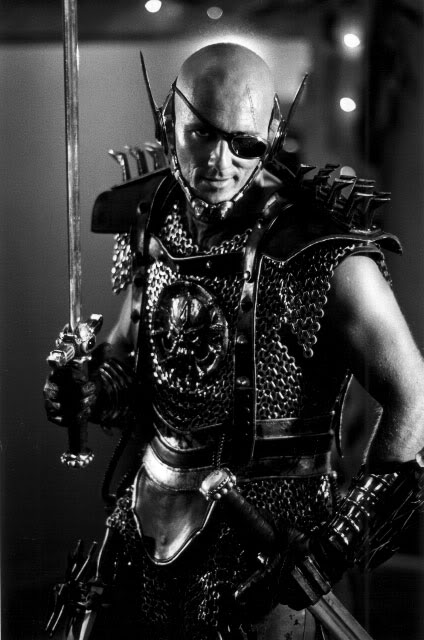
Anthony De Longis, one of the actors in the film, was initially hired as a sword expert, and provided all of the fight choreography for the film. He even filled in as Skeletor in the fight sequences, and trained Dolph Lundgren on how to use a sword.

masters7

Masters of the Universe proved to be a financial failure, bringing in only 17 million at the box office on a budget of 22 million. Likewise, the reviews of the movie were brutal, clocking in at 17% on Rotten Tomatoes from critics and 41% from audiences, along with an IMDb rating of 5.3.

One of my biggest issues with the film’s plot is the fact that no bystanders are ever harmed, or even witness the events that take place on Earth. How do no people see an alien army marching through suburban streets, or small aircraft flying over a mid-sized town? At one point, the police finally do show up, but only after they are drug to the scene by another police officer. It is assumed that at no point over the duration of the plot did anyone report suspicious activity, let along openly panic at witnessing an alien invasion.

The story of Masters of the Universe seems to assume previous knowledge of the characters, their relationships, and the basic premise of the story, which is especially confusing given that the adaptation is taken directly from a series of action figures, which are not historically known for establishing plot. The beginning of the movie could even be seen as a follow-up from a previous film given how little backstory is provided.

One unnecessary addition to the cast of Masters of the Universe that particularly got on my nerves was the annoying troll character, Gwildor. While he is crucial to the plot during a handful of moments, his primary purpose is to provide comic relief, which never fails to fall flat. Also, the makeup on the dwarf-like creature is really odd and unsettling, as if he were left out in the sun for too long.

Dolph Lundgren is surprisingly solid enough in this movie, given that he still didn’t have a solid hold on the English language at this point. That said, this certainly wasn’t a dialogue-heavy role for him, which was certainly for the best.

masters5

The most notable aspect of Masters of the Universe is that it feels like a patchwork of better known movies from the time, like Star Wars and Back to The Future. There is not much original to it when all is said and done, and the screenplay is about as basic and no-frills as it could possibly be.

overall, I can certainly see why this movie didn’t resonate with existing He-Man fans. That said, there is a fair amount of fun to be had with this admirably mindless entry into the filmography of the 1980s. Frank Langella absolutely hams it up as Skeletor, and the creature work is all very over the top. There are more lasers and goofy visual effects than you could possibly dream of, and the plot itself centers around a synthesizer with the ability to open dimensional portals.  What more could you possibly ask for?

The value of this movie definitely comes from a combined sense of nostalgia and how poorly the film has aged on the whole. It isn’t an elite good-bad movie for sure, but I think that it is more than worth checking out at least once for the novelty of it.

Bargain Bin(ge): The Music Box (Pensacola, FL)

Pensacola, FL is a top-notch beach-going destination for the southeastern United States, and is perhaps the gem of the Florida panhandle. Not only that, but it is also home to the acrobatic airplane team The Blue Angels! Unfortunately for the pasty and nerdy of us, that is about all there is to the city.

musicbox15
This is pretty much all of Pensacola in one image. This is even from the city website.

Lucky for you fellow film geeks, there is some DVD hunting to be had in Pensacola! Specifically, there is a little record shop called The Music Box with a significant selection of eclectic films (interestingly set aside in a glass-cased room), as well as a ton of soundtracks on vinyl. I honestly lost count of how many rare flicks and IMDb Bottom 100 entries this place had copies of, because most of them were things I personally already own. That said, I still came out with a nice little haul to round out my collection.

musicbox1

musicbox7

musicbox8
The DVD chamber

musicbox9

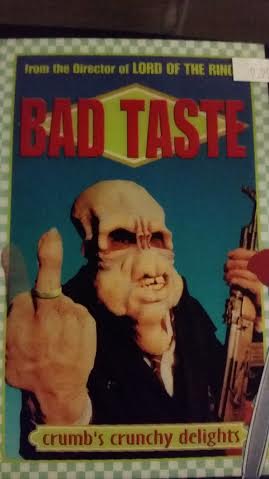
Bad Taste

musicbox4

For those who don’t know, Peter Jackson’s origins are a bit…strange. Bad Taste was his first feature back in New Zealand, and is true low-budget comedy gore in its purest form. It isn’t particularly easy to get a hold of at this point, so I was happy to find a copy here. If you haven’t seen it, it is an interesting forerunner for Dead Alive and Meet The Feebles, which both improve on various elements introduced in Bad Taste. Also, Jackson cuts a rubber alien in half with a chainsaw at one point, which is awesome.

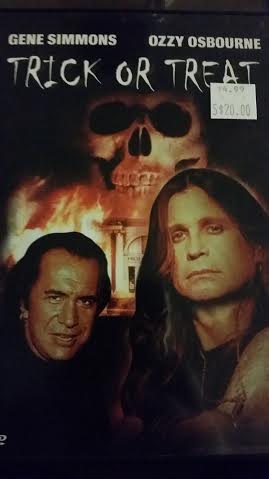
Trick or Treat

musicbox5

At this point, I think more people are familiar with the similarly titled 2007 cult classic Trick ‘r Treat than this earlier flick from the 1980s. However, Trick or Treat certainly has its following, particularly among classic rock and metal fans. As you might deduce from the box art, Ozzy Osbourne and Gene Simmons both pop up in small roles, and have been used significantly to try to sell the movie in recent years. I’m curious to give it a watch, because the plot reminds me a bit of the lawsuit against Judas Priest that popped up a few years later, alleging that subliminal messages were put into their albums encouraging harmful behavior. Otherwise, I have heard mixed things in regards to its entertainment value, but I’m more than willing to give it a shot. Look forward to a review of this flick in October.

Showdown in Little Tokyo

musicbox6

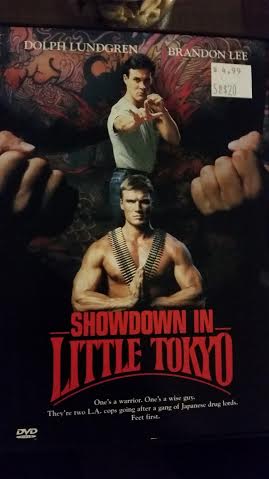
Dolph Lundgren and Brandon Lee is one hell of a duo. This is another one of those action movies that is clearly up my alley, but has managed to somehow evade me over the years. I’m looking forward to finally catching it, as I assume it is as magical and wonderful as it appears to be.

Warriors of the Wasteland

musicbox3

Enzo Castellari is a name that deserves a lot more attention in the bad movie world. He is one of the masters of the Italian knock-off, with works like The Shark Hunter, The Last Shark, 1990: The Bronx Warriors, and Inglorious Bastards to his credit. Warriors of the Wasteland (aka The New Barbarians) is yet another one of his b-movies with a dedicated following, focusing on the aesthetic of post-apocalyptic flicks like Mad Max. I’ll be interested to see how it stacks up next to other Mad Max knockoffs like Hell Comes to Frogtown, which starred the late Roddy Piper. The involvement of Fred Williamson (Black Caesar, Hell Up In Harlem, 1990: The Bronx Warriors) here has me plenty excited to check this thing out as well.

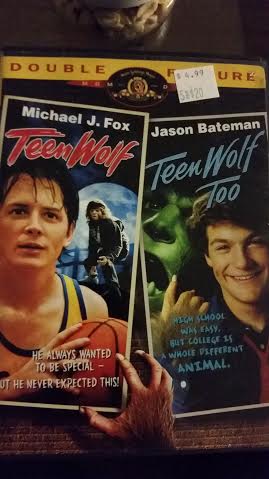
Teen Wolf / Teen Wolf Too

musicbox2

Teen Wolf is considered a classic of the 1980s, and I imagine that everyone has at least heard of the defining werewolf teen sports comedy of the age (though Full Moon High had its moments). The popular re-imagining on MTV has kept the idea in the public consciousness at the very least, even for those who don’t recall Michael J. Fox’s hairy basketball career.  Teen Wolf Too, on the other hand, goes among the rankings of the most maligned and unnecessary sequels in movie history. Jason Bateman (who was at the time just a recognizable child actor) has succeeded in his career as an adult in spite of the hiccup, but it still looms over him like a black cloud for people who are aware of the film.

As I mentioned earlier, The Music Box also had an interesting selection of soundtracks. Of course, I picked up a couple of notables that I couldn’t turn down:

Xanadu

musicbox12

Xanadu is a deeply polarizing movie, with die-hard fans and staunch detractors all carrying passionate opinions on its value. Whether you consider it a cult classic or a bad movie of the lowest order, nothing defined this flick quite like its soundtrack. Here, I managed to dig up a vinyl copy of the ELO-helmed album, which I’m happy to have in my collection. Again, this is a movie that I feel will make for an inevitable blog post, as it was a winner/loser in the very first Golden Raspberry awards, and made a significant impact on the public consciousness. Not only that, but it also released on one of the most infamous double bills of all time with the unarguably wretched pseudo-biopic of The Village People, Can’t Stop The Music.

Mannequin

musicbox11

Not too long ago, I had a request to cover Mannequin, one of Cannon Group’s many odd contributions to the 1980s. If there is anything that has stuck with the public consciousness about this flick, it is the hit song “Nothing’s Gonna Stop Us Now” by Starship. As opposed to being a full album, this one is just a single, but I figured it was still certainly worth picking up. I’m thinking it will go nicely on one of my walls, even if it never comes anywhere near my record player.