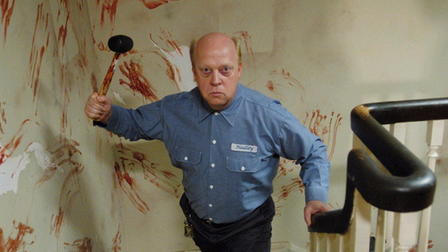
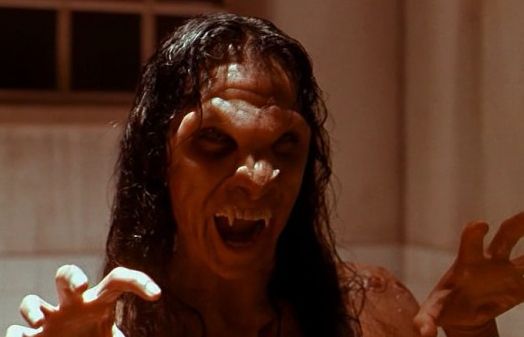
The Exorcist II: The Heretic

The Exorcist II: The Heretic

exorcistii1

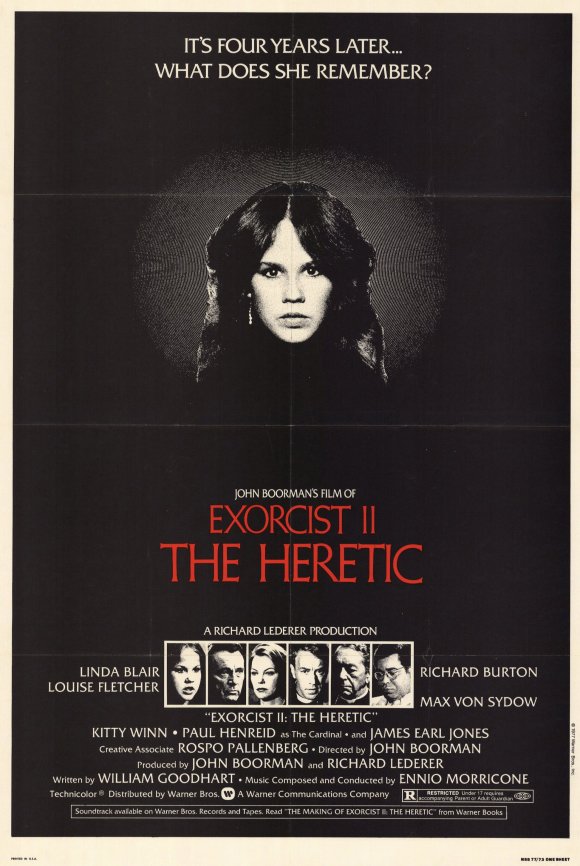
Today’s film is 1977’s notoriously terrible Exorcist II: The Heretic.

Exorcist II was written by William Goodhart, who only had two other film credits in his career: 1980’s Cloud Dancer and 1969’s Generation.

The film was directed and produced by John Boorman, who is known for such films as Zardoz, Deliverance, and Point Blank.

The cinematographer for Exorcist II was William Fraker, who also shot The Island of Doctor Moreau, Street Fighter, Tombstone, 1941, and Rosemary’s Baby, among many others.

Exorcist II had two credited editors: Tom Priestley, who cut Nineteen Eighty-Four, Deliverance, Voyage of the Damned, and The Return of the Pink Panther, and John Merritt, who worked on the Boorman films Zardoz and Excalibur.

The musical score for Exorcist II was provided by Ennio Morricone, who is known for scoring such films as A Fistful of Dollars, For A Few Dollars More, The Good, The Bad, and The Ugly, Once Upon A Time In The West, The Thing, White Dog, and Wolf.

The effects work on Exorcist II was provided by the team of Ron Berkeley (JFK, The Alamo), Wayne Edgar (The Rookie, Pee-Wee’s Big Adventure), Gary Liddiard (Tango & Cash, TRON, Sneakers), Dick Smith (Scanners, Marathon Man, Taxi Driver), Albert Whitlock (Clue, The Thing, The Blues Brothers), Jim Blount (Time After Time), Chuck Gaspar (SpaceCamp, Mitchell, Anaconda), Jeff Jarvis (RoboCop 3, Howard the Duck), Richard Ratliff (Speed, Howard the Duck, Communion, Gremlins), and Bill Hansard (Hudson Hawk, Gremlins).

The cast for the film included Linda Blair (The Exorcist), Ned Beatty (Captain America, Network), James Earl Jones (The Ambulance, Field of Dreams, Conan The Barbarian), Paul Henreid (Casablanca), Kitty Winn (The Exorcist), Max von Sydow (Minority Report, Judge Dredd), Louise Fletcher (One Flew Over the Cuckoo’s Nest), and Richard Burton (Who’s Afraid Of Virginia Woolf?).
exorcistii2

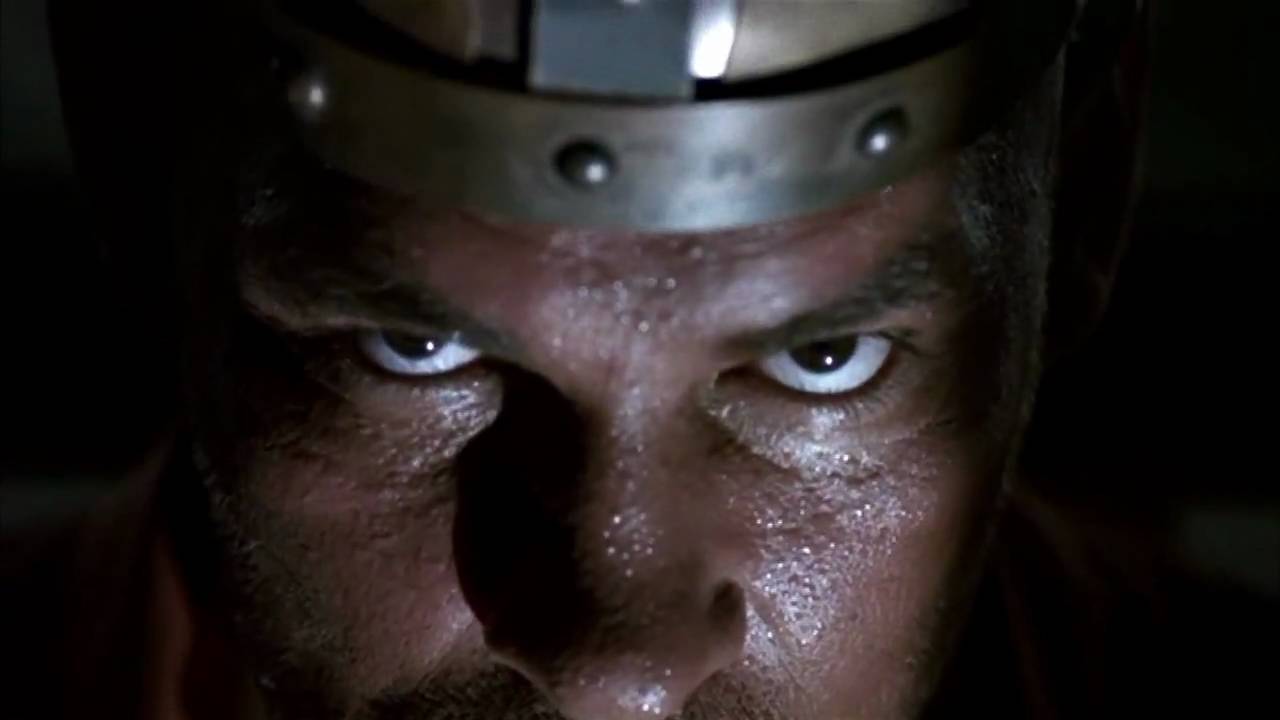
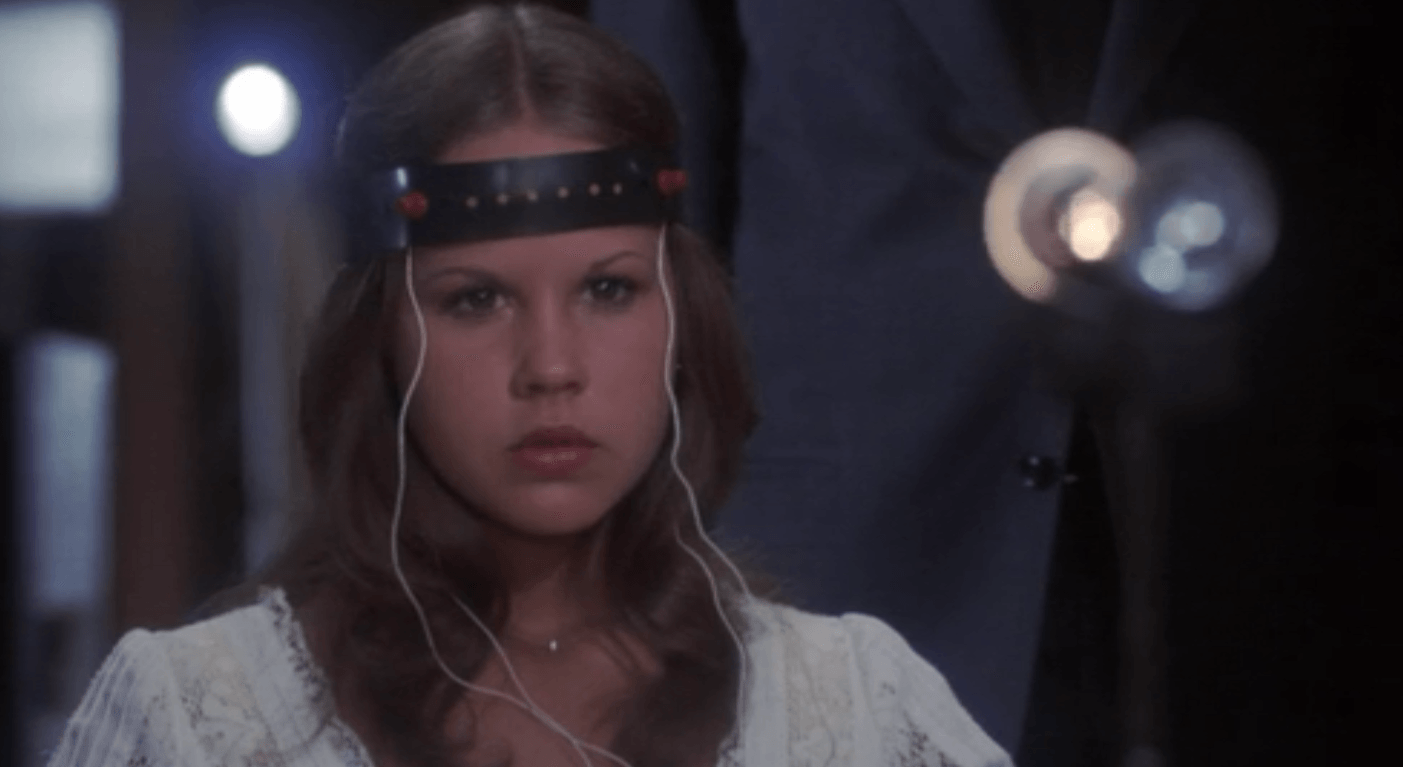
The plot of Exorcist II follows Reagan, who was possessed in the first movie, as she has entered young adulthood. While she doesn’t recall the events of the first film, she is put through experimental hypnosis in order for doctors and priests to learn more about what happened, and hopefully save future possession victims.

Reportedly, the original cast and crew of The Exorcist were almost unilaterally against the idea of the film having a sequel. Linda Blair eventually agreed to be involved, but later hated the eventual product.

Before John Boorman was brought on board to direct the film, an offer was made to have the legendary director Stanley Kubrick helm the project, which he unsurprisingly declined. Boorman was approached because he was initially considered for the original film, but chose to make Zardoz instead, which proved to be a colossal failure.

Reportedly, the rough cut of the movie was 3 hours long, and had to be dramatically cut and simplified for the theatrical release. After the initial poor reception, it was re-cut again in hopes of improving the response, which was ultimately futile.

Exorcist II: The Heretic was followed by three more sequels in the franchise: 1990’s The Exorcist III, 2004’s Exorcist: The Beginning, and 2005’s Dominion: Prequel to The Exorcist.

A number of actors were considered for the lead role in Exorcist II: The Heretic, including Jack Nicholson, David Carradine, and Jon Voight.

The screenplay written by William Goodhart was mostly ignored throughout the filming of the movie, and was rewritten nearly day-to-day throughout the production.

At the time, Exorcist II was the most expensive film ever produced by the Warner Brothers studio, with an estimated budget of $14 million. It was ultimately profitable, raking in over $30 million domestically, but far under-performed on its lofty expectations.

The reception to Exorcist II was legendarily negative. The original writer of The Exorcist, William Peter Blatty, claimed that he openly laughed when he fist saw the movie, and that people threw objects at the screen during the screening he attended. The Exorcist director William Friedkin is quoted as saying that the film “was as bad as seeing a traffic accident in the street. It was horrible.” Currently, it holds Rotten Tomatoes aggregated scores of 22% from critics and 13% from audiences, along with an IMDb rating of 3.7.

One of the most perplexing aspects of Exorcist II is the music, which couldn’t be more of a departure from the menacing, minimal, and iconic theme of the first movie. It almost defies description: the theme is something between rock and pop, but somehow sounds not quite like either. Other parts of the score sound like they were pulled straight out of a spaghetti western. Ultimately, none of it quite fits with what the movie should have been.

Exorcist II contains a number of surreal dream sequences, which are meant to explain the origins of the possession in the first movie. While they are visually striking and interestingly shot, they never come close to being honestly coherent, which almost certainly turned off most casual audiences.

The screenplay is almost certainly the weakest link with Exorcist II: both the story and the dialogue are severely lacking, and the reported constant rewriting almost certainly didn’t help anything. It is hard to say how much of the fault is with the initial screenplay and how much is due to the rewriting, but I think it is fair to say that neither were done particularly well.

Overall, I found Exorcist II a bit too boring to justify sitting through as a good-bad watch. There are certainly highlights, but the only reason I would recommend watching it is because of how publicly the movie failed, and how much it has seeped into the public consciousness over the years. It comes off not unlike Zardoz: a bad art movie with high aspirations and barely a shred of coherence. But, for what it is worth, I think Zardoz is a far more enjoyable bad movie watch.

Friday the 13th Part VII: The New Blood

Friday the 13th Part VII

fridaypartseven

Today’s feature is Friday the 13th Part VII: The New Blood, in which Jason Vorhees faces off against a telekinetic heroine.

Friday the 13th Part VII was directed by special effects guru John Carl Buechler, who also directed the movies Troll and Ghoulies Go To College. His special effects credits included movies like From Beyond, Dolls, The Garbage Pail Kids Movie, Carnosaur, The Gingerdead Man, and Robot Jox, among many others.

The cinematographer for the film was Paul Elliott, who also shot Fat Albert, My Girl, and 976-EVIL, and provided camera work on Legion, No Country For Old Men, True Grit, Trick or Treat, Saturday the 14th, and Humanoids From The Deep.

Friday the 13th Part VII had three credited editors: Maureen O’Connell (The Hidden, Doogie Howser, M.D.), Martin Jay Sadoff (Graduation Day), and Barry Zetlin (Breakin’ 2: Electric Boogaloo, Ghoulies II, Children of the Corn II).

The music for the movie is credited to two people: prolific horror score composer Harry Manfredini (Jason X, Wolves of Wall Street, DeepStar Six, House, Friday the 13th, The Omega Code, Slaughter High, Wishmaster, Swamp Thing) and Fred Mollin, who would return to do the music for Friday the 13th Part VIII.

The team of producers for Friday the 13th Part VII included Barbara Sachs (Friday the 13th Part VIII), Iain Paterson (House of Cards, The Riches, Are You Afraid Of The Dark?), and Frank Mancuso Jr. (Species, Friday the 13th: A New Beginning).

The special effects team on Friday the 13th Part VII included, apart from director John Carl Buechler, Lynn Buechler (Carnosaur, Ghoulies), Lou Carlucci (In the Mix, Killer Klowns From Outer Space), John Criswell (From Beyond, The Garbage Pail Kids Movie), Robin L. D’Arcy (North, House II), Jim Doyle (The Stuff, Showgirls), John Foster (Robot Jox, Carnosaur), Greg Johnson (From Beyond, Critters), David Kindlon (Leprechaun, Wolf, DeepStar Six), Joe Podnar (The Midnight Meat Train), Timothy Ralston (Evolver), Patrick Simmons (Arena), Richard Snell (Hudson Hawk, The Running Man), and Heidi Snyder (Ghoulies II, Gremlins 2).

The cast of the movie is made up of Kane Hodder (Jason X, Friday the 13th Part VIII), Susan Blu (Jem, The Transformers), Lar Park Lincoln (House II), Terry Kiser (Weekend At Bernie’s, Weekend At Bernie’s II), Kevin Spirtas (The Hills Have Eyes Part II), Heidi Kozak (Slumber Part Massacre II), and William Butler (Ghoulies II, Arena).

Friday the 13th Part VII was the first Friday the 13th movie to feature Kane Hodder as Jason, who is now the most popularly associated actor with the role. He was already an experienced stunt coordinator, and provided his own stunts in the film.

Most of the music used in the film is recycled from the previous movies in the franchise, which is why Harry Manfredini is given a music credit. The few original compositions that were used were provided by Fred Mollin, who shares the music credit.

The original vision for the movie was to pit Jason Vorhees against Freddy Kruger, but New Line Cinema and Paramount Pictures weren’t able to figure out the logistics behind the scenes. However, the ending of Friday the 13th Part IX officially combines the universes, and sets up their eventual confrontation in 2003’s Freddy vs. Jason. Due to the lack of Freddy Kruger, the screenplay for Friday the 13th Part VII was eventually written for a Carrie-like telekinetic adversary instead.

Jason X, the tenth film in the franchise, re-creates an infamous death sequence from Friday the 13th Part VII, in which Jason traps a teenager in their sleeping bag and slams them repeatedly against a tree.

Reportedly, it took nine re-submissions with new cuts in order for Friday the 13th Part VII to get an R rating from the MPAA ratings board, which was dead set on giving the film an X. Because of this, a number of death sequences were left on the cutting room floor.

The writing work done for Friday the 13th Part VII is a bit of a mystery. The initial writer of the screenplay, Daryl Haney, was dismissed early in the production, and all of the rewrites are credited to an apparent pseudonym, Manuel Fidello.

The budget for Friday the 13th Part VII was under $3 million, on which it grossed over $19 million domestically in its theatrical run.

The reception to Friday the 13th Part VII was generally negative, though it has a bit of a cult following among horror fans now. It currently holds a 5.2 rating on IMDb, along with Rotten Tomatoes aggregate scores of 26% from critics and 38% from audiences.

Personally, I think that Friday the 13th Part VII deserves some credit for doing something a little different with the franchise. In all of the previous entries, Jason had never had a real challenger before with any kind of otherworldly or paranormal powers. While Tommy Jarvis was able to get the better of him twice, he is definitely just a human, and wasn’t a toe to toe match for Jason. Tina, on the other hand, has the destructive powers of her telekinesis, which she uses to physically challenge Jason.

The effects team for The New Blood clearly had a blast thinking of ways to use Tina’s telekinesis to fight Jason, and the powers certainly opened up a lot of new doors and possibilities for deaths and effects. Personally, I am a big fan of the entire sequence where Tina essentially collapses a house in on top of Jason with her powers.

It is pretty evident that the MPAA ratings cuts hurt the movie significantly. A lot of the draw for the Friday the 13th franchise films are the creative deaths and effects work, which is primarily what got cut and minimized in order to get an R rating. I doubt that the uncut version would have fared tremendously better with audiences, but it would almost certainly have worked better for die hard fans of the franchise.

The appearance of Jason under the mask in The New Blood is really strange and demonic, more so than he is in the other movies. While Jason’s appearance varies somewhat from movie to movie, he is usually more zombie-like and decayed than demonic. Whether you dig his look here or not, it certainly stands out as one of the most memorable faces of Jason in the franchise.

fridaypartseven1Overall, Friday the 13th Part VII is one of the most memorable entries into the franchise, if not anywhere near being one of the best. I generally recommend giving it a watch just based on the ludicrous premise alone. Personally, I think it is more enjoyable than the other “bad” entries into the franchise, and would recommend it over Jason X, Part V, or Part VIII.

Leprechaun In The Hood

Leprechaun In The Hood

leprechaunhood1

Today’s film is one of the most notorious horror sequels of all time: Leprechaun In The Hood, the fifth entry into the franchise.

Leprechaun In The Hood was directed, produced, and co-written by Rob Spera, who has worked extensively on the television shows Criminal Minds and Army Wives, as well as the films Bloody Murder 2: Closing Camp and Sexual Predator.

The cinematographer for the film was Mike Mickens, who was a camera operator on such films as Bats and The Apostate before shooting Leprechaun In The Hood.

The editor for Leprechaun In The Hood was JJ Jackson, who cut a number of episodes of The Real Housewives of Orange County, along with an assortment of low-budget movies.

leprechaunhood2The team of producers for Leprechaun In The Hood included Bruce David Eisen (The Dentist 2, Trucks, Evolver, The Dentist), Ralph Cooper (Hugo Pool), Michael P. Flanagan (Pitch Perfect, 88 Minutes, The Black Dahlia), Darn Spillman (Blood Surf, Van Wilder: Freshman Year), and Mike Upton (John Wick, Black Christmas).

The effects work for the movie was provided by a team that included Gabe Bartalos (From Beyond, Dolls, Texas Chainsaw Massacre 2, Leprechaun 3, Leprechaun), Terri Lynn (Saturday the 14th Strikes Back), Christian Boudman (Double Team, Men In Black 3), Tim Jacobsen (Mad Men, Lie To Me, Terriers), and Craig Kuehne (Fringe, Grimm).

The cast for Leprechaun In The Hood was made up of Ice-T (Tank Girl, Johnny Mnemonic), Warwick Davis (Leprechaun, Willow), Lobo Sebastian (Columbus Day, The Longest Yard), Dan Martin (Heat), Anthony Montgomery (Star Trek: Enterprise), and Rashaan Nall (Cuts, One on One).

Leprechaun In The Hood was the fifth film in the Leprechaun franchise, following Leprechaun 4: In Space. It was followed up by a direct sequel: Leprechaun: Back 2 The Hood, though it was a sequel in title only.

The Leprechaun series was recently rebooted in 2014 with the film Leprechaun: Origins, which was produced by WWE studios with the wrestler Dylan ‘Hornswoggle’ Postl taking over the titular role.

Though Leprechaun In The Hood has a definite ironic cult following now, it was certainly not well received at the time. It currently holds an abysmal 3.6 rating on IMDb, along with comparably low Rotten Tomatoes scores of 33% from critics and 31% from audiences.

Leprechaun In The Hood is packed full of poor attempts at humor throughout its run time, which mostly just come off as being offensive to a variety of people, and not necessarily even the ones you would expect. For example, this movie is graced with offensive portrayals of Asians and trans women, which is not something I expected from a movie about an Irish mythic figure invading Los Angeles.

leprechaunhood5The constant rhyming from the Warwick Davis’s Leprechaun is as grating as ever in Leprechaun In The Hood, but has the added dimension of being integrated into music in the movie. The infamous rap number that concludes the film is about as close the movie comes to having a real highlight.

Speaking of the rap number, the way the film is edited actually pulls the sequence out of the chronology of the story. The Leprechaun’s rap at the end of the film is shown to be how he possesses a number of women, who were used as his servants throughout most of the movie. Clearly, the rap number was intended for earlier in the film to establish his power of possession and the characters of his minions, but the film was re-cut at some point to move the sequence.

leprechaunhood3Overall, Leprechaun In The Hood is only about as entertaining as the premise can carry it. The writing tries a little too hard to be funny, and comes off as shitty and offensive instead. Personally, I think Leprechaun 3 is the most entertaining entry into the franchise, but there are plenty out there who swear by this one. For bad movie fans, it is essential watching regardless, but I think that it generally fails to live up to its potential.

Shredder

Shredder

shredder1

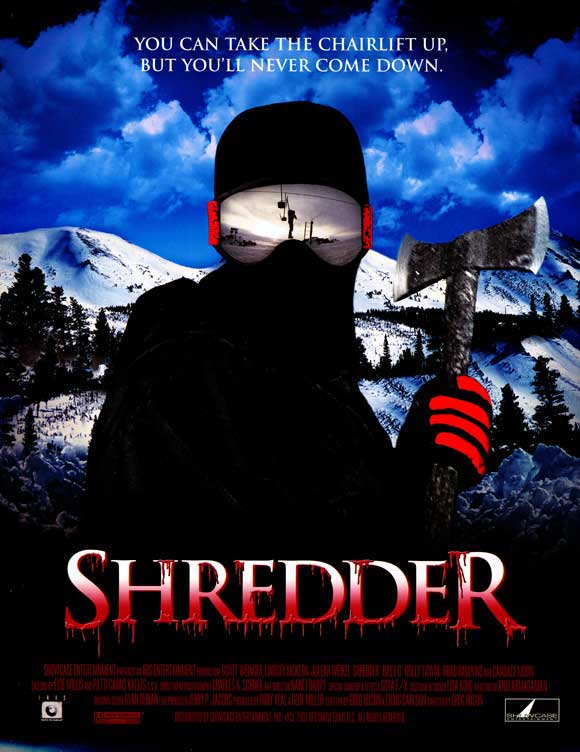
Today’s feature is the 2003 snowboarding-themed slasher movie, Shredder.

Shredder was directed and co-written by Greg Huson, whose only other notable credits are for editing a variety of Playboy documentaries. His co-writer for the film was Craig Donald Carlson, who apparently served as an electrician on the killer puppet movie Pinnochio’s Revenge.

The cinematographer for the film was Charles Schner, who was a camera operator on Carnosaur 3 and Captain America: Civil War, and worked on a variety of television shows including The Mentalist, My Name Is Earl, and American Horror Story.

The editor for Shredder was Andi Armaganian, who has done extensive cutting work on the television shows Arrow and Smallville.

The musical score for Shredder was provided by Alan Derian, who was composed music for a variety of low budget features, including Red Line, Beatdown, Beneath the Blue, and Eye of the Dolphin.

The team of producers for Shredder were Jerry P. Jacobs (Disaster Movie, Cyber Tracker), Geof Miller (DeepStar Six, House IV), and Rory Veal (Lovers Lane),

The effects work for the film was provided by the team of Jerry L. Buxbaum (The Kill Hole, Bullet), Mark Villalobos (Army of Darkness, The Mangler, The Prophecy), Minky Billups (Baby Geniuses, Mission Impossible: II), and Scott Billups (Barb Wire).

The cast for Shredder included Scott Eric Weinger (Aladdin), Lindsey McKeon (Saved By The Bell: The New Class), Billy O’Sullivan (The Van Dyke Show), Brad Hawkins (Boyhood), and Candace Moon (Lions For Lambs, Speed Demon).

Shredder was briefly released to theaters in parts of the northwestern United States, where snowboarding is a big hobby.

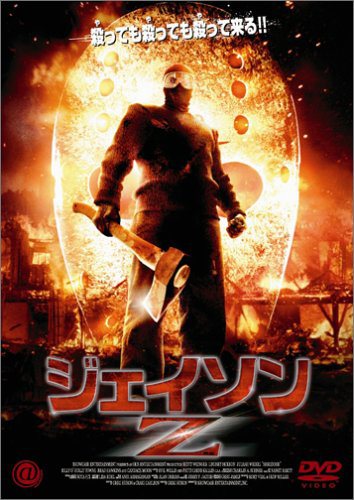
In Japan, there was apparently an attempt to market the film as a Friday the 13th sequel, going by the title of Jason Z, which was an aping of the 2001 hit Jason X.

shredder3The reception to Shredder was very negative: it currently holds a Rotten Tomatoes aggregated audience score of 24%, alongside an IMDb rating of 4.5.

Shredder is plagued with awful characters and dialogue from start to finish. There is a constant barrage of lines like “You are so killer!” and “Somebody kill me!,” and more utterances of the word “dude” than I have ever heard outside of The Big Lebowski. The characters are by and large immature brats of high class birth who aren’t identifiable in the slightest, and basically only exist to be “shredded.” By the end of the film, I hated snowboarders as much as the killer, and couldn’t help but pull for the masked skiier to finish off the bunch.

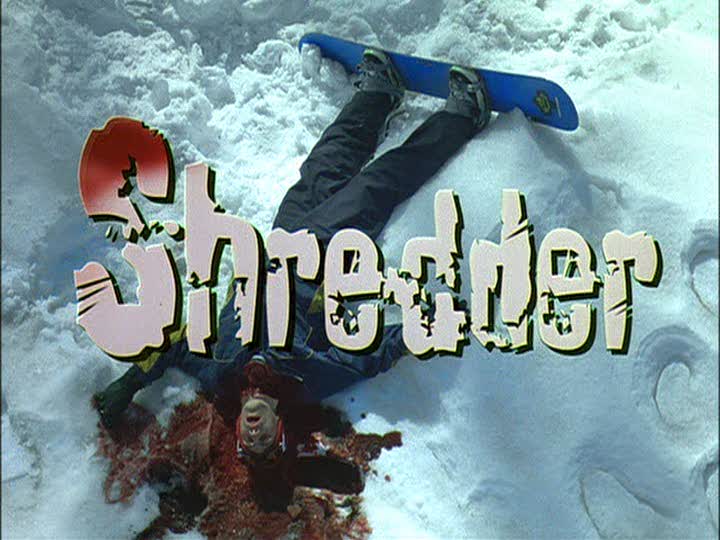
shredder2Shredder tries to ride the line between horror and comedy, presenting an assortment of red herrings and ludicrous character deaths. Personally, I got a slight chuckle out of the sheer silliness of the frozen corpse inside of a snowman and the snow angels made with killed snowboarders. However, most of the attempts at humor just don’t work in the slightest, and come off as either in poor taste or just extremely lazy. In a lot of ways, it bears similarities to Scream in how the characters are written with an awareness of slasher movie tropes, but without any sense of subtlety.

Overall, Shredder is a fairly generic slasher movie that clearly had aspirations of being more. As it is, though, there isn’t a whole lot to recommend here. Horror fans might enjoy it for the generic slasher that it is, but it certainly isn’t anything unique to go out of the way for.

Vampires

Vampires

vampires1

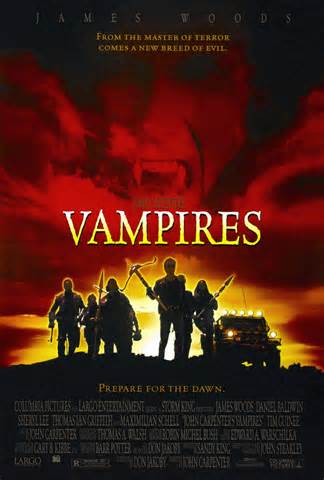
Today’s feature is John Carpenter’s 1998 movie, Vampires.

Vampires is based on a 1990 novel called “Vampire$” by John Steakley, with a screenplay written by Don Jakoby (Evolution, Double Team, Death Wish 3, Philadelphia Experiment II), who also served as a producer on the movie.

Vampires was directed and scored by John Carpenter, one of the living legends of the horror genre. His credits have included  Halloween, The Fog, Big Trouble In Little China, They Live, Escape From New York, In The Mouth of Madness, The Thing, Christine, and Assault on Precinct 13 over his storied career.

The cinematographer for the film was Gary B. Kibbe, who also shot the movies Double Dragon, RoboCop 3, and John Carpenter’s films Prince of Darkness and Ghosts of Mars.

The editor for the film was Edward Warschilka, who cut such films as The Running Man, Big Trouble In Little China, Escape From LA, In The Mouth Of Madness, and Child’s Play 3.

Outside of writer Don Jakoby, the producers for the movie included Sandy King (Ghosts of Mars, They Live), Barr Potter (Omega Doom), and David Rodgers (Double Team, Total Recall).

The special effects crew included Gene Grigg (Rush Hour), Jason Gustafson (The Green Mile, Jarhead), Scott Kodrik (Mortal Kombat, The Faculty), Corey Pritchett (Space Jam, Showgirls), Darrell Pritchett (Die Hard, Fright Night), and Wayne Toth (Army of Darkness, Wishmaster).

The makeup effects for Vampires were provided by a unit that was made up of Howard Berger (The Faculty, Sin City, Evil Dead II), Robert Kurtzman (It Follows, Maniac Cop 3), Greg Nicotero (Intruder, Maniac Cop 3, The People Under The Stairs), Jill Cady (Weeds), Chris Hanson (S. Darko, Hellboy, The Faculty), Monica Kenyon (Suspect Zero, Phone Booth), Douglas Noe (Van Helsing, From Dusk Till Dawn), Scott Patton (The Mangler, Pick Me Up), and Janna Phillips (Hook, Batman Forever).

The cast for the film was made up of James Woods (Videodrome, Best Seller, Casino), Daniel Baldwin (King of the Ants, Car 54, Where Are You?), Mark Boone Jr. (Sons of Anarchy), Sheryl Lee (One Tree Hill, Winter’s Bone), Thomas Ian Griffith (xXx), Gregory Sierra (Papillon), Tim Guinee (Hell On Wheels, The Good Wife), and Maximilian Schell (Deep Impact).

vampires5Apparently, Vampires suffered a massive studio budget cut before filming began, cutting the initial production estimate by roughly 2/3.

John Carpenter was reportedly initially attracted to the prospect of directing Vampires because the offer allowed him to design the film to be a sort of horror-western, with non-traditional, savage vampires instead of the suave ones in vogue in the popular mindset.

The screenplay, according to John Carpenter, was entirely rewritten by himself based on a combination of the book, another screenplay by Don Mazur, and the one written by Don Jakoby. However, Jakoby ultimately received sole credit for the screenplay.

Vampires features a number of similarities to other popular vampire films in style and tone, including 1998’s Blade (which predated the Vampires release by two months), 1996’s From Dusk Till Dawn, and the television show Buffy The Vampire Slayer, which ran from 1997 to 2003.

Russel Mulcahy (Highlander, Highlander II: The Quickening) was originally on board to direct Vampires in the early 1990s, but dropped out after the production dragged out too long. His vision apparently had action star Dolph Lundgren in the lead role. After he left the project, the studio approached Carpenter with the opportunity to lead the movie.

Vampires ultimately spawned two low-budget sequels: 2002’s Vampires: Los Muertos starring rock star Jon Bon Jovi, and 2005’s Vampires: The Turning. Neither film was particularly well-reviewed or publicized, and both released straight to video.

Vampires was made on an estimated budget of $20 million, on which it managed to gross $51.3 million in its theatrical run. Even though this was certainly profitable, it was eclipsed by the similar movie Blade, which raked in over $131 million worldwide after releasing two months prior.

vampires6Vampires had a mixed reception from critics and audiences alike. It currently holds an IMDb rating of 6.1, alongside Rotten Tomatoes aggregated scores of 36% from critics and 48% from general audiences.

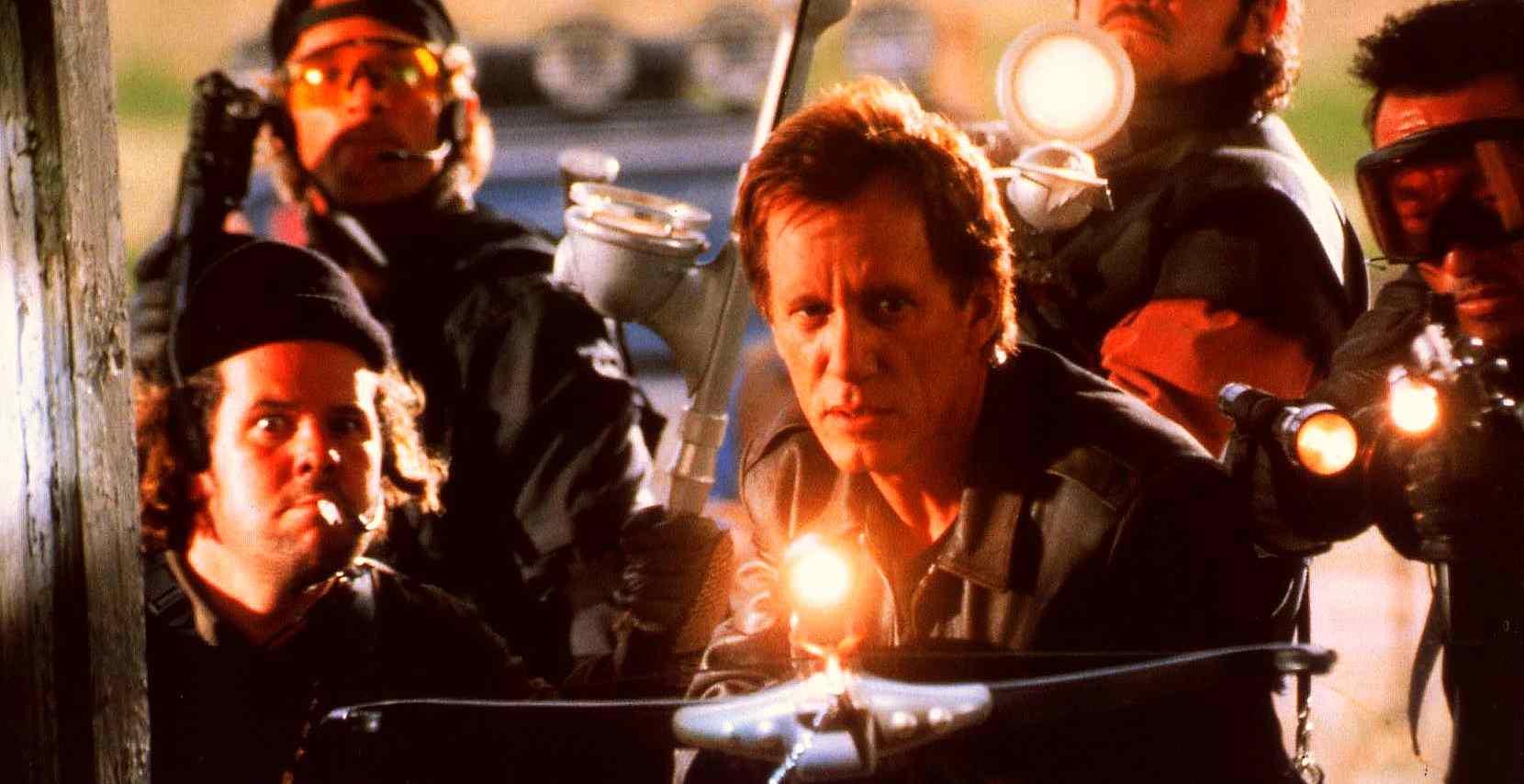
James Woods is fantastic as always in Vampires, bringing his mixture of humor and sleazy grit to his vampire hunter character. While his attitude is right, he doesn’t have the sort of physicality you would expect from a top vampire hunter, but I think that is a pretty minor and unavoidable gripe that is more than made up for by his performance. Daniel Baldwin, on the other hand, is weird to see in a key role outside of a b-movie. His performance is good enough, but I can’t help but wonder if the role couldn’t have been better cast. I assume the budget cuts impacted the production’s options, but it is hard to believe that Daniel Baldwin would ever wind up on the top of a pack for this role.

vampires3The opening vampire hunting sequence in the film is undeniably fun, and reminded me a bit of the moments in Evil Dead II and Army of Darkness when Bruce Campbell was on top of his game. However, there isn’t a whole lot of action to be had in the film, likely as a result of the budget being pressed. Still, the film never quite feels boring in spite of the long periods without action, which is a testament to how well shot, scripted, and acted it is.

The release of Blade clearly really hurt this movie, because the creatures in that film seem to be the sorts of rough and tumble vampires that Carpenter wanted to have here, but couldn’t execute. The fact that it had a higher budget and a bigger push behind it made Vampires look all the smaller by comparison, and it is nearly impossible to talk about Vampires now without bringing up its big brother blockbuster. However, at the end of the day, Vampires isn’t nearly as good or memorable as Blade, and is a pretty weak effort from Carpenter considering his body of work. That said, it certainly isn’t bad, but it is somehow the weakest of the wave of late 1990s vampire flicks (the others being Blade and From Dusk Till Dawn).

Overall, Vampires is worth checking out for horror fans and anyone who appreciates the works of John Carpenter. However, it is definitely one of his lesser efforts, and marks the beginning of a serious career slide for the lauded horror icon. Woods is solid, the action is fun, and the film is generally appealing visually, but it pales next to Blade and From Dusk Till Dawn for one reason or another.

The Mangler Reborn

The Mangler Reborn

manglerreborn1

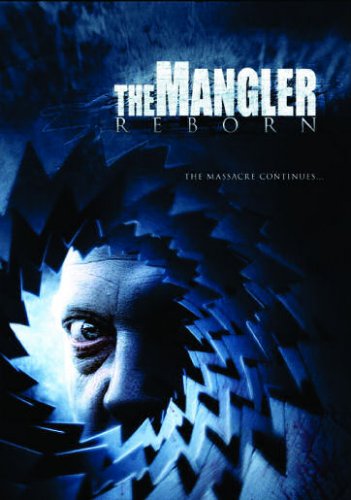
Today’s feature is the last in an unnecessary trilogy of horror movies about a killer laundry folding machine: The Mangler Reborn.

The Mangler Reborn was co-written and co-directed by the duo of Eric Gardner and Matt Cunningham, who have worked on such films as Decampitated, Altered Species, and Starship Troopers.

The cinematographer for the film was Thaddeus Wadleigh, who shot the acclaimed documentaries The Invisible War and Who Killed The Electric Car?.

The editor on The Mangler Reborn was Matthew Cassel, who also cut Cheaper by the Dozen 2, and served as an assistant editor on such movies as McHale’s Navy, Judge Dredd, and Street Fighter.

The team of producers on the movie included Barry Barnholtz (Leprechaun, The Mangler 2), Mark Burman (Piranha Sharks), Melvin Butters (Bundy: An American Icon), Dan Golden (Sharktopus, Supergator), and Scott Pearlman (Birdemic 2).

The effects work for The Mangler Reborn was provided by Nicole Dome (The Dread), Elizabeth Fox (Bikini Pirates), Brian Hillard (Seven Psychopaths, No Country For Old Men), Amy Mills (@midnight), Lara Salzano (Spike), and Richard Miranda (Monster High, The Running Man).

manglerreborn3The cast for the film was made up primarily by Aimee Brooks (Critters 3), Reggie Bannister (Phantasm), Weston Blakesley (Pleasantville), and Juliana Dever (Castle),

Before The Mangler Reborn, two previous entries were made into the franchise: The Mangler and The Mangler II. The movies have been far from loved by audiences: none of them have managed to accrue over a 4.0 rating on IMDb, and The Mangler Reborn is no exception at an abysmal 3.1.

The first thing I noticed about The Mangler Reborn is that it looks very cheap, almost like it was someone’s home video project. While The Mangler certainly isn’t good, there is no mistaking that it is clearly a movie made by professionals.

There is also very little in the way of meaningful connections to tie this fairly generic serial killer movie to The Mangler, apart from the establishment that the killer is apparently possessed by the spirit of the machine, and feeds his victims to it. I wouldn’t honestly be surprised if this screenplay existed in some form before there was any plan to make it a sequel to The Mangler.

If there is anything positive to say about The Mangler Reborn, it is that Weston Blakesley plays the possessed serial killer, Hadley, very well. His character is partially terrifying just because he is such an everyman, but there is also an understated creepiness to Blakesley’s rigid physical performance. He looks and sounds like a person being controlled, which is effectively off-putting in an otherwise shallow and uninspired movie.

manglerreborn2The plot structure definitely doesn’t help the slow, dull pace of the film at all. For most of the story, the audience are presented with a series of characters who are presented with the identical challenge of escaping from Hadley’s murder-house. Ultimately, they all fail in very similar ways, providing no sense of progress or variety. The way this film is executed only has the material to really fill out a short movie, but to make a feature, the same actions are repeated multiple times. To say the least, it makes the film very tiring to sit through.

Overall, I was immensely disappointed with The Mangler Reborn. I expected more nonsense folding machine murders, but instead got a crappy serial killer movie with the iconic evil folding machine awkwardly wedged into the plot. Unless you are deathly curious or are determined to complete The Mangler trilogy (but why would you?), there’s no reason to spend the time watching through The Mangler Reborn. If there’s anything this film did do for me, it effectively reminded me how much fun the ridiculous original The Mangler was by comparison, so I recommend people dig that one up.

From Dusk Till Dawn 3: The Hangman’s Daughter

From Dusk Till Dawn 3: The Hangman’s Daughter

dusktilldawnthree1

Today’s feature is the concluding entry into the From Dusk Till Dawn trilogy: From Dusk Till Dawn 3: The Hangman’s Daughter.

From Dusk Till Dawn 3 was co-written by original From Dusk Till Dawn director Robert Rodriguez with his cousin Alvaro Rodriguez, who has served as a writer on the From Dusk Till Dawn television series and Machete.

The Hangman’s Daughter was directed by P. J. Pesce, who also helmed Smokin’ Aces 2, Lost Boys: The Tribe, and worked on television shows like Tremors, Fringe, and Supernatural.

The cinematographer for From Dusk Till Dawn 3 was Michael Bonvillain, who also shot the films Zombieland and American Ultra.

The editor on the film was Lawrence A. Maddox, who has worked extensively on the television shows Raising Hope and Life on Mars, and also cut the film American Kickboxer 2.

The musical score for From Dusk Till Dawn 3 was provided by Nathan Barr, who also did the music for Beerfest, True Blood, Club Dread, Hostel, and Hemlock Grove.

hangman3The team of producers for The Hangman’s Daughter included original From Dusk Till Dawn director and co-writers Robert Rodriguez (The Faculty, Sin City) and Quentin Tarantino (Pulp Fiction, Jackie Brown, Django Unchained, Kill Bill), Meir Teper (Crazy In Alabama, What’s Eating Gilbert Grape), Gianni Nunnari (The Departed, From Dusk Till Dawn), Michael Murphey (Dredd, Trick or Treat), Lawrence Bender (Intruder, Reservoir Dogs), and Elizabeth Avellan (The Faculty, Desperado).

The makeup effects work was provided by Howard Berger (The Black Cat, The Faculty, Maniac Cop 3), Michael Deak (Pick Me Up, From Beyond), Chiz Hasegawa (Tremors 4, Scream 2), Greg Nicotero (Intruder, DeepStar Six, From Beyond), Robert Kurtzman (It Follows), Melanie Tooker (Legion, Wishmaster), and Bill Hunt (District 9, Scream).

The special effects team for The Hangman’s Daughter included Andre G. Ellingson (Criminal Minds), Giuliano Fiumani (The Core, Waterworld), Chris Hanson (S. Darko, The Faculty), Albert Lannutti (Fright Night), Wayne Toth (The Faculty, Spawn), Janek Zabielski (The Mangler), and Eugene Botha (From Dusk Till Dawn 2).

The visual effects crew for the film was made up of Jim Carbonetti (Simon Sez, The Faculty), Scott Coulter (It’s Alive, Shark Attack 3, The Faculty), George Johnsen (Dogma, Foodfight), Laurel Klick (Wolfen, Bordello of Blood, Mortal Kombat), Greg Nelson (The Faculty, Torque), Patrick Perez (Speed Racer, Stealth), and Jeremy Yates (Simon Sez).

The cast of From Dusk Till Dawn 3 was made up of Michael Parks (Tusk, Red State, Django Unchained), Danny Trejo (Machete, From Dusk Till Dawn 2, Breaking Wind, Anaconda), Marco Leonardi (Cinema Paradiso), Temuera Morrison (Speed 2: Cruise Control), Rebecca Gayheart (Urban Legend), and Orlando Jones (MADtv, Evolution).

hangman4The name of the film, The Hangman’s Daughter, is taken from a short story written by the real author Ambrose Bierce, who is fictitiously portrayed as a lead character in the movie.

Much like From Dusk Till Dawn 2, From Dusk Till Dawn 3 released straight to video, and was similarly poorly received. It currently holds a 4.8 rating on IMDb. which is still very low, but is notably better than From Dusk Till Dawn 2‘s 4.0.

Michael Parks is fantastic, as he always seems to be. the movie vastly improves whenever his character is on screen. However, he typically appears in conjunction with a couple of bible salesmen, who are a bit excessively cartoonish in the first section of the movie.

The Hangman’s Daughter has a pretty interesting story before the vampires pop up, which is a big improvement over the second movie. The characters (for the most part) are compelling and given some degree of depth, including even the bible salesmen couple as the movie goes on.

hangman1I personally like that the setting of the movie is in the past, rather than another story set in the present day. The lack of the familiar “Titty Twister” bar makes it feel more like a departure from the first movie, which I think is a good thing in this case to keep things fresh.

As was the case with Texas Blood Money, The Hangman’s Daughter definitely looks notably cheaper than the first From Dusk Till Dawn, but I found that the gore and makeup looked much better here than in Texas Blood Money, which relied a bit too much on visual effects rather than practical ones.

A handful of decisions that are made throughout the movie are thoroughly confusing to me, like the clairvoyant inebriation of Ambrose Bierce, the sepia dance sequence that comes on without precedence, and the really disappointing conclusion. However, I think there were far more good things going on in this movie than bad, which is more than I anticipated from the film. I would go so far as to say that this movie is a pretty decent sequel for From Dusk Till Dawn, when you take the budget differential into account.

Overall, I think The Hangman’s Daughter is definitely worth checking out for fans of the first movie, or for anyone who enjoyed Michael Parks’s recent work in Kevin Smith’s Red State and Tusk. He is definitely the primary draw here, though there are plenty of other positive things to enjoy in the movie. It isn’t great by any means, but it is serviceable for what it is.

From Dusk Till Dawn 2: Texas Blood Money

From Dusk Till Dawn 2: Texas Blood Money

dusktilldawntwo1

Today’s feature is the reviled straight-to-video sequel, From Dusk Till Dawn 2: Texas Blood Money.

From Dusk Till Dawn 2 was directed and co-written by Scott Spiegel, who was also behind the cult classic slasher flick, Intruder. His co-writers on the film were Boaz Yakin (The Punisher, Prince of Persia) and actor Duane Whitaker (Hobgoblins, Pulp Fiction).

The cinematographer for Texas Blood Money was Philip Lee, who provided camera work on such films as Best Seller, Hoosiers, and Jurassic Park III, and was cinematographer for the horror flick Route 666.

The editor for the film was Bob Murawski, who also cut the films Gone With The Pope, Army of Darkness, The Hurt Locker, and Drag Me To Hell, among others.

The musical score for From Dusk Till Dawn 2 was composed by Joseph Williams, who also provided music for The War At Home, Roswell, and Windfall.

The team of producers for Texas Blood Money included original From Dusk Till Dawn director and co-writers Robert Rodriguez (The Faculty, Sin City) and Quentin Tarantino (Pulp Fiction, Jackie Brown, Django Unchained, Kill Bill), Meir Teper (Crazy In Alabama, What’s Eating Gilbert Grape), Gianni Nunnari (The Departed, From Dusk Till Dawn), Michael Murphey (Dredd, Trick or Treat), Russell Markowitz (Wishmaster, Suicide Kings), Lawrence Bender (Intruder, Reservoir Dogs), and Elizabeth Avellan (The Faculty, Desperado).

The makeup effects crew for From Dusk Till Dawn 2 included Greg Nicotero (The Faculty, Scream, Maniac Cop 3), Chiz Hasegawa (Tremors 4, Scream 2), Howard Berger (Trancers, Intruder, Troll, Ghoulies), Kamar Bitar (Sin City, The Cell), Michael Deak (Pick Me Up, Demonic Toys, Arena, From Beyond, The Dentist), and Robert Kurtzman (It Follows, Intruder, The Faculty, Vampires, DeepStar Six).

fromdusktillsawntwo2The special effects for the film were provided by Mark Byers (Leprechaun 3, Epic Movie), Jason Collins (Firefly, Ghosts of Mars), Steven Ficke (Cellular, Snake Eyes), Chris Hanson (S. Darko, Vampires), Scott Kodrik (The Faculty, Mortal Kombat), Antony Stone (Jungleground), and Janek Zabielski (The Mangler, From Dusk Till Dawn 3).

The visual effects work for Texas Blood Money was done in part by Jamison Goei (Whiplash, Dracula 2000), Phillip Giles (The Prophecy, Guardians of the Galaxy), Gina Di Bari (Red Planet, Wishmaster), Dave Gregory (Contact, Poison Ivy), Eugene Jeong (Watchmen), Shant Jordan (Bats, Street Fighter), Laurel Klick (Wolfen, Mortal Kombat), and Patrick Perez (Stealth, 2012).

The cast for the film was made up of Robert Patrick (Terminator 2, The Faculty), Bo Hopkins (Midnight Express), Brett Harrelson (The People vs. Larry Flynt), Raymond Cruz (Breaking Bad), Danny Trejo (Machete, Desperado, Anaconda, Breaking Wind), James Parks (Red State, Death Proof), and Bruce Campbell (Evil Dead, Maniac Cop, Maniac Cop 2).

fromdusktillsawntwo3Texas Blood Money was the second of three original movies in the From Dusk Till Dawn franchise, followed closely by The Hangman’s Daughter. The property has since been rebooted as a television series that started in 2014 on Robert Rodriguez’s El Ray network.

From Dusk Till Dawn 2 was reportedly made on a budget of $5 million, but ultimately went straight to video with no theatrical release. Reviews of the movie were overwhelmingly negative, raking in a 4.0 rating on IMDb and Rotten Tomatoes scores of 9% from critics and 20% from general audiences.

Texas Blood Money is very slow to get started, which isn’t helped by the fact that the criminal set up in the first half isn’t nearly as compelling as the one from the original From Dusk Till Dawn. Even when the action does get going, it isn’t shot or paced particularly well, making the whole film feel much longer than it actually is.

The significant budget constraints on the production mean that the sets and effects look visibly much cheaper than the original film, but they don’t look awful for what they had to work with. The most distracting thing I noticed were the bats, which look really terrible depending on the scene. For instance, in the Psycho-esque shower scene, which is filmed in close confines, the bat looks nothing short of comical. However, in outdoor sequences, it doesn’t look nearly as bad.

fromdusktillsawntwo1A lot of the shots in Texas Blood Money strike me as if the director and cinematographer were trying a bit too hard to be original and artistic, which is sort of a unique problem for a horror movie. The problem is that many of the shots are distracting, and draw the audience’s eye away from the action. For instance, there are a few shots that are done from various obscured points of view, which while interesting, don’t serve much of a purpose. At worst, they are jarring enough to pull the audience out of an otherwise tense scene.

Overall, Texas Blood Money is disappointingly dull above all else. If there is anything that can be said of the original From Dusk Till Dawn, it is that it certainly wasn’t boring. Texas Blood Money totally missed that sense of fun that was captured so well with the original film, which turns it into a bit of a slog. Unless you are a die hard fan of the first movie, there’s not enough here to even justify a casual glance.

The People Under the Stairs

The People Under the Stairs

peoplestairs1

Today’s feature is a cult classic from the filmography of the late Wes Craven: The People Under The Stairs.

The People Under The Stairs was written, directed, and produced by the late Wes Craven, who was behind such films as Scream, A Nightmare On Elm Street, The Last House On The Left, Shocker, The Hills Have Eyes, and Vampire In Brooklyn.

The cinematographer for the film was Sandi Sissel, who served as a second unit director of photography on such movies as Cellular, Daredevil, and Master & Commander: The Far Side Of The World.

The editor on The People Under The Stairs was James Coblentz, who also cut the films Final Destination and Species III, as well as a number of episodes of The X-Files.

The makeup effects team for The People Under The Stairs was made up of Greg Nicotero (Maniac Cop 3, Pick Me Up, DeepStar Six, From Beyond), Robert Kurtzman (Maniac Cop 3, It Follows, Tremors), Earl Ellis (Captain America, Star Trek: Enterprise), Michelle Bühler (Communion, Swordfish), Howard Berger (The Black Cat, The Faculty, Pumpkinhead, Ghoulies), and Mark Maitre (Night of the Creeps, The Cell).

The special effects work on The People Under The Stairs were provided by a group of people that included Peter Chesney (The Ladykillers, Waterworld), Robert Clark (Mimic, Cocoon), Mark Goldberg (Robot Jox, Evolver), Camilla Henneman (Cocoon, The Blob), Timothy Huizing (It’s Alive, Smokin Aces, Small Soldiers, The League of Extraordinary Gentlemen), James McLoughlin (DeepStar Six, Wolf), Dean Miller (Suburban Commando, Fright Night), and J.D. Streett (Waterworld, Men In Black).

peoplestairs3Outside of Wes Craven, the producers on The People Under The Stairs were Stuart M. Besser (Scream, Scream 3, Need For Speed), Dixie Capp (Young Guns II), Shep Gordon (Cool As Ice, They Live), and Marianne Maddalena (Red Eye, Dracula 2000).

The musical score for the film was composed by Don Peake, who also did the music for the earlier Wes Craven film The Hills Have Eyes, as well as for the television series Knight Rider.

The cast for the film included Brandon Adams (The Mighty Ducks, The Sandlot), A.J. Langer (Escape From L.A.), Ving Rhames (Pulp Fiction), Sean Whalen (Tammy and the T-Rex, Twister), Kelly Jo Minter (The Lost Boys), Conni Marie Brazelton (ER), Wendy Robie (The Glimmer Man, Twin Peaks), and Everett McGill (Silver Bullet, Dune).

Eventual Academy Award winner Hillary Swank auditioned for the role of Roach in The People Under The Stairs, which was ultimately filled by Sean Whalen. At the time, Swank had only appeared in a handful of television series.

Noted film composer Graeme Revell (Sin City, Daredevil, Spawn, Tank Girl, Suicide Kings) put together a score for The People Under The Stairs that was rejected by the production, and replaced by the one composed by Don Peake. He still has a credit on the movie as a composer of “additional music.”

The concept for The People Under The Stairs was inspired by a real news story about children who were locked in their rooms by their parents, and were discovered during an investigation of a break-in. Craven was known for pulling horror plots out of headlines, which is also how he formulated the concept for A Nightmare On Elm Street.

The People Under The Stairs had a reported production budget of $6 million, and grossed just over $24 million in its lifetime domestic theatrical release.

The reception to The People Under The Stairs was mixed: it currently holds an IMDb rating of 6.3, alongside Rotten Tomatoes scores of 59% (critics) and 58% (audience). That said, it has become a bit of a cult classic among horror movie fans.

The parents in The People Under The Stairs, played by Wendy Robie and Everett McGill, are incredibly creepy, and they sell their abusive, evangelical, overbearing characters very well. Honestly, their couple is more terrifying than most movie monsters I have seen.  However, as with many Craven villains, they rapidly devolve into comic book hamminess, and lose their sense of menace when they start trotting around in full body leather wielding shotguns.

peoplestairs2One of the most surprising things to note in The People Under The Stairs, however, is the fact that there is some really good child acting. That is quite a rarity for any movie, let alone a horror film.

This film has an impressively tense and slow-burning buildup in the first act, which is helped a bit by putting the audience in the innocent point of view of Fool, who is thrown out of his element very quickly. The eventual reveal of what is going on in the mysterious house is done slowly, which allows the uneasy atmosphere to build through the set design, acting, and music, rather than the writing revealing anything straight-out. However, once the situation is revealed, the atmosphere is quickly dissipated by a lot of hammy acting and action.

As far as negatives go, the attempts at humor really didn’t work for me in The People Under The Stairs, and felt a bit unnecessary and forced in an otherwise unfunny scenario. Some horror films lend themselves easily to humor, but a film about captive children, torture, and child abuse isn’t exactly a laugh mine like an Evil Dead movie can be.

Overall, I can definitely see how The People Under The Stairs has become a cult classic, but I can also see why a lot of people aren’t particularly fond of it. It definitely isn’t one of Wes Craven’s more noteworthy works, but it is still worth checking out for horror fans. It isn’t nearly as fun or violently goofy as Shocker, and certainly isn’t as intriguingly meta as New Nightmare, but The People Under The Stairs might be a more solid movie all around than either of those bordering Craven features. At the same time, I don’t think it is as memorable as either of those movies, which is definitely a weakness.

Shocker

Shocker

shocker1

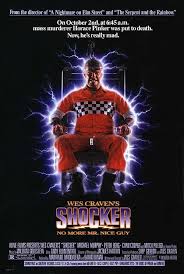
Today’s feature is one of the popularly-regarded missteps in the storied career of the late Wes Craven: 1989’s Shocker.

Shocker was written, directed, and produced by the late Wes Craven, who was famously behind movies like Scream, The Last House On The Left, A Nightmare On Elm Street, and The Hills Have Eyes.

The cinematographer for the film was Jacques Haitkin, who is best known for shooting such horror features as Wishmaster, Maniac Cop 3, Evolver, The Ambulance, A Nightmare On Elm Street, and Galaxy of Terror. The editor for Shocker was Andy Blumenthal, who also cut the films Waiting…, Waiting For Guffman, and Five Corners.

The team of makeup effects artists for Shocker included Lance Anderson (Wild Wild West, The Thing, The Island of Doctor Moreau), David LeRoy Anderson (Spawn, Waterworld), Suzanne Sanders (Surf Ninjas, Critters 3, Critters 4), A.J. Workman (Communion, Arena), Roger McCoin (Darkman, The Garbage Pail Kids Movie), Dan Frye (Creepshow 2, Shaun of the Dead), Jeffrey S. Farley (Evil Bong, Wolf, Carnosaur, Arena, Kingdom of the Spiders), Scott Coulter (Garbage Pail Kids Movie, The Mangler, Arena, It’s Alive), and David Atherton (Face/Off, Maniac Cop).

The special effects team for Shocker was made up of Robert Phillips (Volcano, Maniac Cop 3), David L. Hewitt (It’s Alive III, Willow), Joe Heffernan (The Ladykillers, Waterworld), Christopher Gilman (Watchmen, The Blob), and Larry Fioritto (Reservoir Dogs, Pulp Fiction, The Prophecy),

The visual effects work for the film was done in part by Alan Barnett (Spawn, Volcano), Roger Dorney (Spaceballs, Ghost Dad), Jeffrey A. Okun (Red Planet, Deep Blue Sea, Suburban Commando), Allen Blaisdell (Theodore Rex, Red Planet), Joshua Cushner (Critters, Ghosts of Mars), and Samuel Recinos (Masters of the Universe, Big Trouble In Little China).

shocker4Outside of Wes Craven, the producers on Shocker included Shep Gordon (Cool As Ice, They Live), Peter Foster (The People Under The Stairs), Marianne Maddalena (Red Eye, Dracula 2000), and Robert Engelman (Foodfight, Mortal Kombat).

The music for Shocker was provided by the combination of rock star Alice Cooper, band-mate Michael Owen Bruce, and William Goldstein (Fame).

The cast for Shocker included Peter Berg (Collateral, Corky Romano, Going Overboard), Mitch Pileggi (The X-Files, Sons of Anarchy, Supernatural), Michael Murphy (White House Down, Nashville), Sam Scarber (Over The Top), and Ted Raimi (The Midnight Meat Train, Intruder).

Reportedly, it took Shocker 13 submissions to the MPAA rating board, each with new cuts, in order to get an ‘R’ rating instead of an ‘X’, which would have made wide distribution to theaters nearly impossible.

shocker3Shocker was designed to be the beginning of a franchise, but it didn’t ultimately make enough money to justify further installments. That said, it was a profitable feature: in total, it grossed roughly $16.6 million in its domestic theatrical release, on a budget of $5 million.

Despite the positive gross, the film was poorly received by both critics and audiences: it currently holds a 5.4 rating on IMDb, alongside Rotten Tomatoes scores of 12% from critics and 30% from audiences.

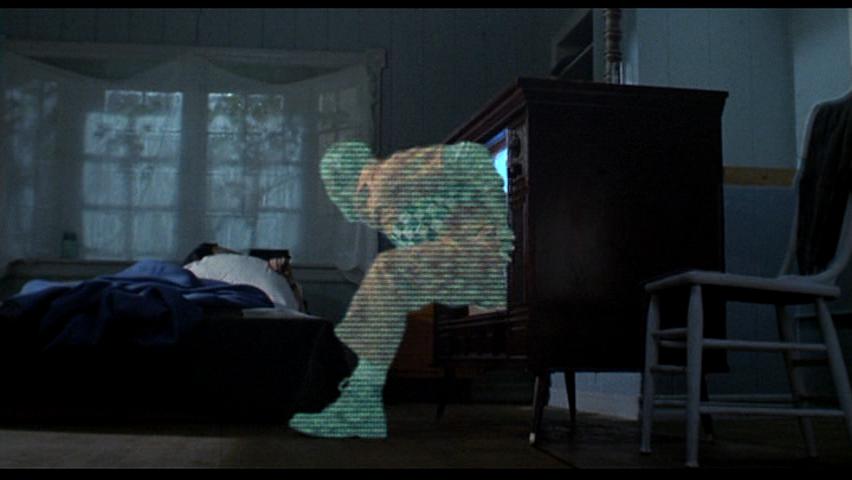
The first thing that is painfully evident watching Shocker today is that the visual effects (particularly the various ghost and electric effects) have not aged particularly well over the years. I’m sure they looked perfectly passable at the time, but now it is a bit distracting and jarring to see cartoonish lightning bolts pop up in every other scene.

The villain of the film, played primarily by Mitch Pilleggi, is way over the top, and chews up the scenery in every scene he appears in. However, because of the nature of his power, he isn’t actually on screen a whole lot, which is a real shame given how entertaining he is.

In general, Shocker looks and feels a little too similar to the later incarnations of A Nightmare On Elm Street, with lots of one-liners thrown about and the surreal dread put on the backburner. Pilleggi seems like he is doing an impression of Kruger throughout the film, which doesn’t help with the existing parallels of an ethereal undead serial killer villain. As entertaining as he is, Pilleggi isn’t Robert Englund.

Overall, Shocker is plenty of fun as a cheesy horror movie, with acting and effects that are well over the top. However, it lacks Wes Craven’s typical vision and style, which made him one of the most lauded figures in the genre. It is worth checking out for its entertainment value, but it is a bit disappointing as a work from Craven.