Tag Archives: b-movies

Leprechaun

Leprechaun

leprechaunone1

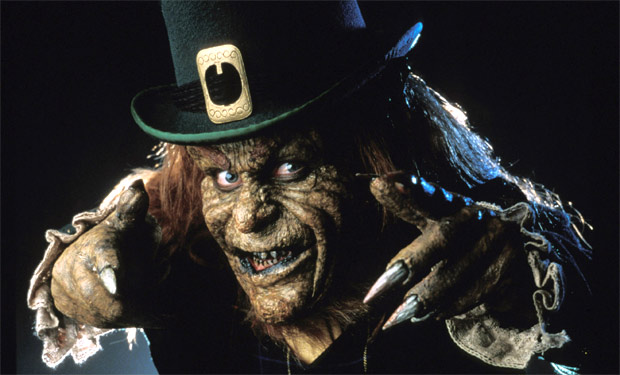
Today, we’re going to take a look at the catalyst to one of the most notoriously silly horror franchises of all time: Leprechaun.

Leprechaun was written and directed by Mark Jones, who doesn’t have a ton of interesting credits to his name, outside of writing a few episodes of The A-Team. He has directed a few other movies over the years (Scorned, Rumpelstiltskin, Quiet Kill), but none have had the same kind of lasting impact as Leprechaun.

The cinematographer for Leprechaun was Levie Isaacks, who also shot The Dentist and Children of the Corn II: The Final Sacrifice.

The film’s editor was Christopher Roth , who cut such films as The Dentist, The Dentist 2, and Killer Klowns From Outer Space over the course of his career.

The producers for Leprechaun included Mark Amin (The Dentist, The Dentist 2, Trucks, Chairman of the Board, Leprechaun 3, Evolver), Barry Barnholtz (The Dog Who Saved Christmas, The Mangler 2), and William Sachs (The Incredible Melting Man, Galaxina, Exterminator 2).

The Leprechaun effects team included Larry Arpin (The Dentist, Highlander II, Maniac Cop 3, Maniac Cop 2, Maniac Cop, Blood Diner, The Ambulance), Ken Herbster (Superman IV, Ghoulies IV), Leon Stankevich (The Blob, The Secret Agent Club), David Kindlon (Wolf, Hell Comes to Frogtown, From Beyond), Joel Harlow (Battlefield Earth, The Langoliers, Suburban Commando, Blues Brothers 2000), John Deall (It, Virus, Critters 4), Gabriel Bartalos (Dolls, From Beyond, Texas Chainsaw Massacre 2, Leprechaun 3), and numerous others.
leprechaunone3

The music for Leprechaun was provided by the duo of Kevin Kiner (Hell on Wheels, Nick Fury: Agent of SHIELD) and Robert J. Walsh (Zombie Nation, Revenge of the Ninja, Jem, The Transformers, G.I. Joe), both of whom have extensive composition credits for numerous television shows.

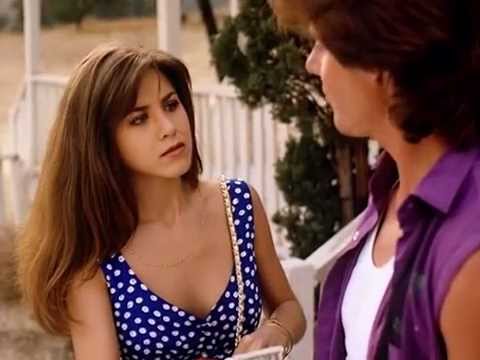
The cast of Leprechaun is led by Warwick Davis (Willow, Return of the Jedi, Labyrinth, Leprechaun 3), Jennifer Anniston (Friends, Bruce Almighty), Ken Olandt (April Fool’s Day), and Mark Holton (Teen Wolf), and is filled out by a handful of less recognizable faces.
leprechaunone4

The story of Leprechaun kicks off when a family moves into a new house that was abandoned after a mysterious incident incapacitated the previous owner. Through their explorations in the home, an evil leprechaun (that the previous owner captured) is accidentally released and reawakened, and immediately goes on a killing spree through the local town in search for his stolen gold. The family has to learn the monster’s weaknesses in order to prevent it from eliminating all of the local townsfolk.

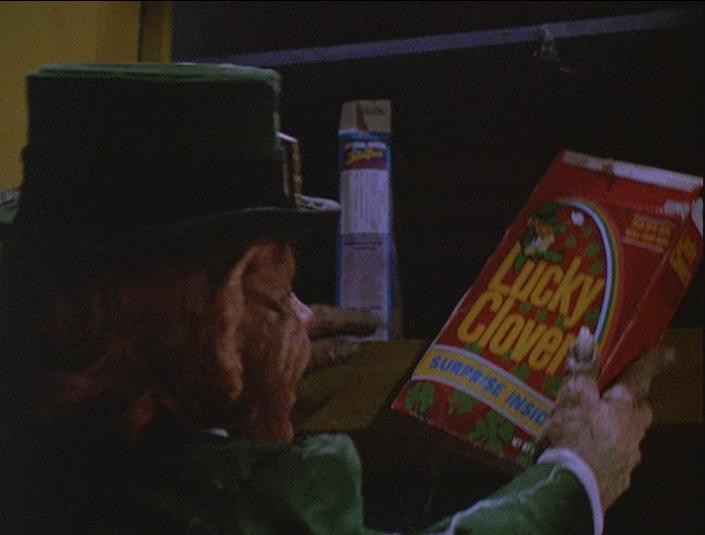
Initially, there was going to be product placement in the film by Lucky Charms, but they pulled out after seeing the final product, leading to a costly re-shoot. I’m curious what the hell they expected from a leprechaun-themed horror movie, other than what is present here?
leprechaunone5

Interestingly, Leprechaun was apparently initially planned as a scary kid’s movie, but inserts were added to make it more traditional horror when producers worried that it wouldn’t resonate with adult horror audiences.

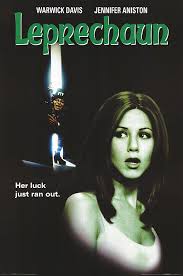
The film was later re-marketed for home video release to emphasize Jennifer Anniston, who eventually took off as a celebrity over the run of the hit show Friends.
leprechaunone2

Leprechaun spawned one of the most notoriously goofy horror franchises, which is currently up to 7 installments. The franchise is best known for outlandish location gimmicks, taking the sinister creature to space, Las Vegas, and the ghetto (twice). The most recent film was a rebooted take on the story made in 2014, called Leprechaun: Origins.

The reception to Leprechaun was generally negative, and it currently holds a 4.6 rating on IMDb alongside Rotten Tomatoes scores of 25% (critics) and 32% (audience). However, the entire franchise has a dedicated cult following that has allowed it to survive through the years.

Leprechaun was made on a reported production budget of $900,000, and grossed just over $8.5 million in its domestic theatrical run, making it a profitable little movie.

Leprechaun is, of course, packed with silly rhymes and one liners. However, that is what the movie is all about when it comes down to it: Freddy Krueger without any element of menace, and a penchant for verse. It is a licorice type of movie: you will love it or you will hate it, and there isn’t much room for middle ground in between.

Over the top deaths might be a signature of the Leprechaun series, but there are not as many as you would expect in this first film. I think, all told, only four people wind up dead, and at least half are mundane deaths. That said, it doesn’t get much better than the pogo stick death in this movie.

Leprechaun contains some truly dreadful acting, particularly from the comic relief painters. However, Anniston is also pretty terrible, making it a wonder that she has gone on to have the career that she has had.

Jennifer Anniston’s character in this movie is unbearably bratty as the story begins, and can somehow afford to constantly drop money on things, despite the fact that it is never really established that the family is super-wealthy. She theoretically softens as the film goes along, but she is overall less likable than the Leprechaun himself.

Leprechaun rides the border of being a horror movie at all, and just being a failed comedy. Nothing is particularly scary about it, and from what I have read, that is how it was initially designed. If you think of it as a movie-length Are You Afraid Of The Dark?, the style makes a lot more sense, specifically in regards to the acting and the humor.

One of the key motivations for a couple of characters chasing down the Leprechaun’s gold in this movie is to be able to afford an operation that can supposedly make a mentally handicapped person ‘smart’. The way it is explained in the story initially made me wonder if the kid character who proposes this is just deluded/misinformed, or if the writer actually thought that this sort of operation actually exists. However, the kid acknowledges towards the end that such an operation towards the end, bringing up even more questions about what he was supposed to do with the gold, and why he bothered lying about the operation in the first place.

Overall, Leprechaun is a weird little movie that doesn’t quite know what it should be, and that is painfully obvious from watching it. As far as a bad movie watch goes, some of the sequels are way more fun, but it is worth watching this one to have a foundation. Warwick Davis also definitely has his entertaining moments here and there that make it worth watching. Personally, I found it a little easier to sit through after finding out it was supposed to be for kids initially, which gave me a different outlook on it. As I mentioned earlier, the best way to watch this movie is to think of it as a really long episode of Are You Afraid of The Dark? or Goosebumps.
1990: The Bronx Warriors

1990: The Bronx Warriors

1990bronx1

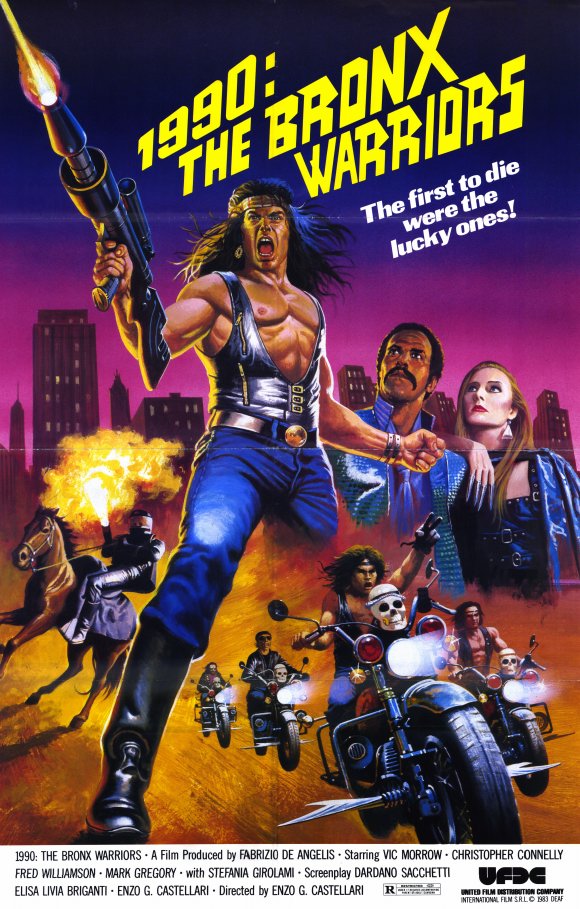
Today’s feature is an infamous Italian knock-off of The Warriors: 1990: The Bronx Warriors, starring Vic Morrow and Fred Williamson.

1990 :The Bronx Warriors was co-written and directed by Enzo Castellari, who also created The Shark Hunter, Keoma, and the original Inglorious Bastards. His co-writers were Elisa Briganti (Hands of Steel, Zombie, The House By The Cemetery) and Dardano Sacchetti (The Beyond, Devil Fish, The Demons, Amityville II, A Bay of Blood).
The cinematographer for The Bronx Warriors was Sergio Salvati, yet another member of the crew who was a frequent cohort and collaborator of Lucio Fulci’s: he shot his films City of The Living Dead, They Died With Their Boots On, Four of the Apocalypse, Zombie, and The Beyond. Later on, he worked on a handful of other memorable horror movies, such as Ghoulies II and Puppetmaster.

The editor for the movie was Gianfranco Amicucci, who also cut a number of Castellari’s other films, including Keoma, The Inglorious Bastards, and The Shark Hunter. He also went on to edit a number of Ruggero Deodato (Cannibal Holocaust) movies, including The Washing Machine and Mom I Can Do It.

The producer of the film was Fabrizio De Angelis, who also produced a handful of memorable Italian films like Lucio Fulci’s Zombie, Manhattan Baby, and The Beyond. He also directed and produced the entire Karate Warrior franchise, as well as a number of other low budget films.

The makeup effects team for The Bronx Warriors was made up of Antonio Maltempo (The Godfather Part III, The English Patient, Manhattan Baby) and Maurizio Trani (Zombie, Piranha II, Troll 2, Ator 4),

The musical score for 1990: The Bronx Warriors was done by Walter Rizzati, who also has composing credits on such films as The House By The Cemetery, Deadly Impact, and something called Flying Sex, which IMDb doesn’t have a description for. Just let your imagination decide on that one.

The cast of 1990: The Bronx Warriors includes Vic Morrow (The Bad News Bears, Twilight Zone: The Movie, Humanoids From The Deep), Fred Williamson (Black Caesar, Hell Up In Harlem, From Dusk Til Dawn, MASH, The Inglorious Bastards), Marco De Gregorio (Thunder, Escape From The Bronx), Christopher Connelly (Manhattan Baby, Django 2), Joshua Sinclair (Keoma), George Eastman (Hands of Steel, Porno Holocaust, Anthropophagus, Django Kills Softly), Stefania Girolami (Sinbad of the Seven Seas, The Last Shark) and Angelo Ragusa (The Pumaman, Double Team).

1990bronx5

The plot of 1990: The Bronx Warriors takes place in the futuristic wasteland that is New York City in 1990. The city is ruled by rival gangs, and is considered essentially lawless. After a wealthy heiress runs away from home into the city, a mercenary is sent into the warzone to insure her safe return. What results is a convergence of warlords and cut-throat baddies into an all-out battle for the city.

Marco De Gregorio was cast as the lead role of Trash in the movie based on his appearance alone. Apparently, the director just ran into him at a gym, and made the casting decision based on his looks and the physical impression he made. He had only previously appeared in a television movie in an unnamed role according to IMDb.

Unfortunately, this film marked Vic Morrow’s last completed movie role, as he died tragically and horrifically due to an on-set stunt accident while filming Twilight Zone: The Movie the next year, which also killed two young children. The accident resulted in a number of lawsuits, and is one of the most infamous on-set accidents in movie history.

1990: The Bronx Warriors ultimately spawned a sequel: Escape From The Bronx, which focuses more on ripping off Escape From New York than The Warriors.

1990bronx3

1990: The Bronx Warriors was partially filmed on location in the Bronx, but also features a significant amount of sound stage footage that was shot in Italy, apparently due to an attempt to exploit some filming loophole for domestic Italian features.

Reportedly, actual members of The Hell’s Angels were used during filming to depict the extra members of The Riders throughout the film, which gives the movie an unexpected element of realism at times.

Vic Morrow’s character’s name in this film is The Hammer, which is also the real life nickname of his co-star, Fred ‘The Hammer’ Williamson. I’m curious if that ever got confusing on the set.

1990bronx2

The reception for 1990: The Bronx Warriors has been generally negative, though it certainly has a cult following as a classic bad movie. It currently holds an IMDb rating of 5.2, along with a 37% audience score on Rotten Tomatoes.

The acting is overall pretty awful in this flick, particularly on the part of “Trash,” who is way too inexperienced for what they wanted from the role. Speaking of which, that’s a pretty uninspiring nickname for a powerful gang leader. It is supposed to evoke a low-class impression, but why not something like “Gutter” or “Sludge?” Everyone else has names like “Hammer,” “Hot Dog,” “Ogre,” “Blade,” and “Ice,” so “Trash” is definitely the odd one out of the group as far as cool names go.

Fred Williamson is always awesome, and is one of my favorite b-movie actors for a reason. He notably has an outstanding death scene in this movie, wherein he is torched to death by flamethrowers while smoking one last cigarette. It is…so awesome.

1990bronx6

There are a lot of moving parts to the story of The Bronx Warriors, but it irons itself out as it goes along. There are arguably a few too many character names and affiliations that aren’t adequately explained, but you pick up the essential stuff as the story goes along, to the point that everything is clear by the climax. That said, there are definitely a few elements that never quite make sense.

In the spirit of The Warriors, there are plenty of ridiculous costumes throughout this movie, as you would expect. Plenty of roller blades, motorcycles, leather, and fancy suits make their way into combat at one point or another, and it is just delightful.

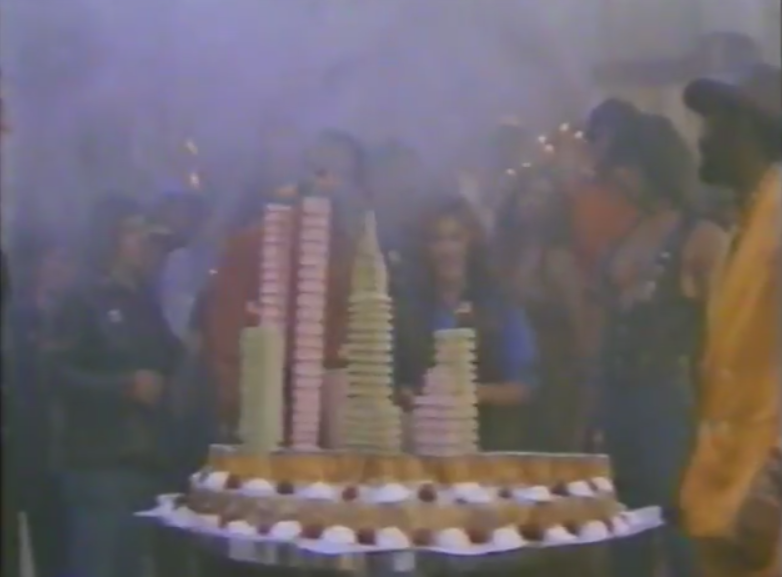
This movie has one hell of an explosive ending, with just about every character dead and/or on fire. The movie finishes on a freeze frame of Hammer’s corpse being drug behind a motorcycle, impaled on a harpoon. I mean, wow. This especially potent because it takes place after a fake-out happy ending, complete with a damn cake.

1990bronx7
A cake shaped like NYC, that was catered in a war zone. Can you imagine the cost?

The central crux of the movie’s plot doesn’t make a whole lot of sense to me. The heiress is apparently about to come of age, and she is afraid of her responsibilities as the head of a massive military corporation, and more specifically worried about being manipulated and used as a puppet. Of course, the current operators need her to be just that, so they a sink a ton of money into mercenaries to track her down and bring her back. However, in the conclusion, Hammer just decides to basically burn everything down, including the heiress. What was the point of all of that, then? This may have just been Hammer being bloodthirsty and angry, but he seemed to be using the military company’s men, so there is no way that the head honchos didn’t know that this was an extermination mission. In any case, pretty much everybody loses at the end of this thing, as I mentioned previously. It is a real nasty bloodbath filled with sadness and tragedy.

This movie is so much fun that it is easy to overlook a lot of the flaws in it. It certainly helps that a lot of those flaws, like the poor production values and nonsense story, totally add to the charm. It is evident from the start that this is a cheap knock-off, but if you enjoyed The Warriors or Escape From New York, this is genuinely more of the same, and that isn’t a bad thing.

Seriously, bad movie lovers have to check this one out. It is kind of surreal to see a bunch of Lucio Fulci’s Italian cohorts take on a quasi-remake of The Warriors, but it totally works.

American Chinatown

American Chinatown

americanchinatown1

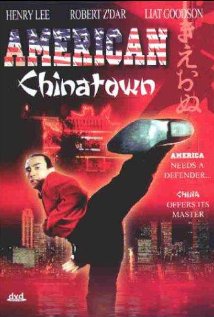
Today’s feature is an obscure flick called American Chinatown, from the writer and director of the ludicrous cult classic film, Miami Connection.

American Chinatown was written, directed, and produced by Woo-sang Park, who regularly credits himself under the pseudonym of Richard Park. His best known film by far is Miami Connection, but he made a handful of other low-budget movies from the 1970s through the 1990s, including  L.A. Streetfighters, Gang Justice, and Shaolin: The Blood Mission.

One of the cinematographers on American Chinatown was Maximo Munzi, who also shot Miami Connection for Woo-sang Park.

The team of producers for American Chinatown included Larry Larson (City Dragon), star Tae-joon Lee (Ninja Terminator), Simon Bibiyan (City Dragon, The Malibu Beach Vampires), and Moshe Bibiyan (Warrior of Justice, City Dragon).

The musical score and editing for American Chinatown was done by Ron Adler, who worked on a handful of other small movies like Invisible Temptation, The Secret Force, and City Dragon.

The American Chinatown cast is headlined by the late Robert Z’dar (Maniac Cop, Tango & Cash, Soultaker, Maniac Cop 2, Maniac Cop 3, Samurai Cop), and also features Tae-joon Lee (Ninja Terminator), Bobby Kim (Black Belt Angels, Deadly Kick, Mark of the Black Dragon), and Liat Goodson (Vice Girls, The Prince), along with a number of inexperienced and non-actors to fill out the cast.

The plot of American Chinatown centers around a gang war, during which a top enforcer unknowingly falls for his boss’s adopted sister. He has to figure out a way to reconcile his feelings for the woman with his loyalty to the gang, all while leading the charge in an ever-heating conflict with the cross-town rival criminal organization.

American Chinatown is also known as Chinatown 2, which is not to be confused with the actual sequel to Roman Polanski’s Chinatown (The Two Jakes), which released in 1990.

The reception to American Chinatown has been generally negative, though very few people have actually heard of it or seen it. It currently has an IMDb rating of 4.2, and has a Rotten Tomatoes average audience score of .5/5. However, less than 90 ratings of the movie have been recorded on the two sites combined.

Right out of the gate, American Chinatown starts with an attempted rape, followed up by some completely inaudible and indecipherable dialogue, which is about as bad of a start as you can possibly have for a movie. On top of that, the editing and cinematography for the sequence is also astoundingly terrible, to the point where is honestly difficult to tell what is actually happening. Eventually, a mysterious man stops the assault, kicks the would-be rapists a bunch, steals their wallets and clothes, and then lets them go on their way. I guess this is supposed to set up this fellow as a badass, but the whole thing plays out really strangely, and I don’t understand why he just let them meander on their merry way.

americanchinatown2
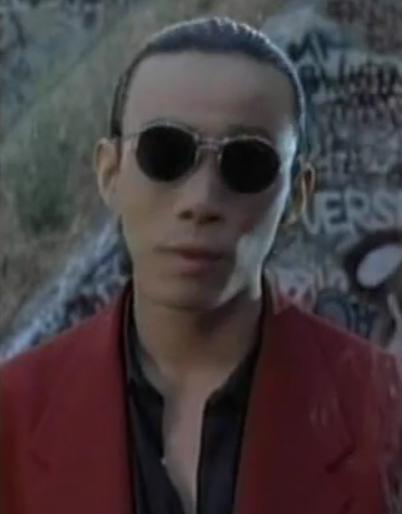
The hero?

The acting in this movie is, across the board, just dreadful. Most movies at least have a bright spot somewhere in the cast, but that just isn’t the case here. I don’t know how this film was cast, but Robert Z’Dar is the only person who seems to know what acting even is, and that is a sad state of affairs for any film. The lead character’s love interest also has one of the most perplexing fake accents that I have ever heard in a movie, and I still can’t figure out exactly what it is supposed to be.

There are a couple of cool fight sequences spread throughout the movie, but they are all shot really poorly, so the talent of the stunt people is mostly wasted. Still, they are entertaining as the movie ever gets.

The music for American Chinatown, when it does bother to pop up, is ridiculous in the best way you could possibly hope for. It is always heavy on the synthesizers and funky beats, but suffers immensely from constantly disappearing for long periods of time, which is a damn shame.

One big problem with this film is the unlikability of the hero, who is frankly a complete asshat. I already covered how he allowed attempted rapists to wander away in the opening sequence (he does that again, by the way), but the rest of his interactions with his love interest for a good portion of the movie primarily consist of him berating her and trying to force her to leave him alone. I understand that the point is that he doesn’t want her to get wrapped up in the criminal world he lives in, but he really is a complete shit about it, though.

The whole movie has a disappointing lack of Robert Z’Dar in it, which I wasn’t exactly surprised about. He only pops up in a handful of scenes, and overall doesn’t get much time on screen when all is said and done. He does get the shit beaten out of him way more than I expected, though, particularly towards the end of the flick.

americanchinatown3

The ending to American Chinatown feels like they didn’t quite finish the move. Basically, a fight sequence ends with a freeze frame and a fade to black, without any visual resolution for the story. Then again, maybe something was covered in the inaudible dialogue that I couldn’t make heads or tails of. In any case, it is both jarring and unsatisfying as a conclusion.

Overall, American Chinatown isn’t nearly as memorable or entertaining as similar films like Miami Connection or either Lethal Ninja, but it has a few bright moments here and there. Unfortunately, they are very spread out, and the awful acting, sound editing, and cinematography makes for a trying experience to sit through, which isn’t going to be worth most people’s time.

Larry Cohen Collection: “The Ambulance”

The Ambulance

ambulance1

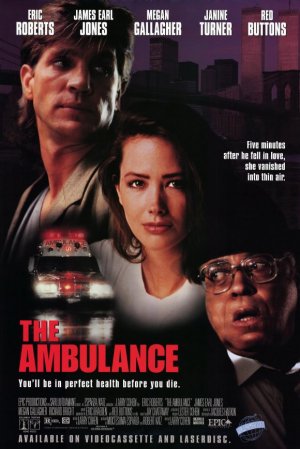
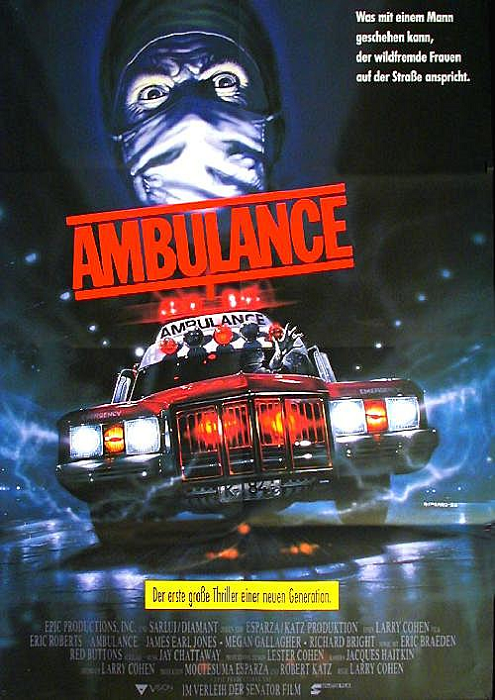
Today’s feature is Larry Cohen’s paramedic terror: 1990’s “The Ambulance.”

“The Ambulance” was both written and directed by Larry Cohen, marking his 17th theatrical directorial feature. However, it is also one of only two feature films he directed throughout the 1990s.

The cinematographer for “The Ambulance” was Jacques Haitkin, who also famously shot such films as “A Nightmare on Elm Street,” “Wishmaster,” “Shocker,” and “Maniac Cop 3.”

The musical score was provided by Jay Chattaway, who additionally worked on the William Lustig flicks “Maniac Cop,” “Maniac Cop 2,” and “Maniac.”

ambulance2“The Ambulance” ultimately featured two editors: Armond Lebowitz, a frequent Larry Cohen collaborator who cut “Special Effects,” “Q,” “The Stuff,” and “Full Moon High,” and Claudia Finkle, who did the editing for “Howling IV” and “Howling V.”

The effects team for “The Ambulance” included Theo Mayes (“Boogie Nights,” “Maniac Cop 2”), Jennifer Aspinall (“The Toxic Avenger”), Larry Arpin (“The Dentist,” “Highlander II,” “Maniac Cop,” “Leprechaun”), Rob Benevides (“Strangers With Candy”), Kevin McCarthy (“Hobgoblins,” “Demonic Toys”), and Ron Petruccione (“Serenity,” “Con Air,” “Dante’s Peak”).

The producers for “The Ambulance” were Barbara Zitwer (“It’s Alive III,” “Vampire’s Kiss”), Robert Katz (“It’s Alive”), and Moctesuma Esparza (“Gettysburg,” “Selena”), the latter two of which have worked together extensively for Maya Entertainment and Esparza/Katz Productions.

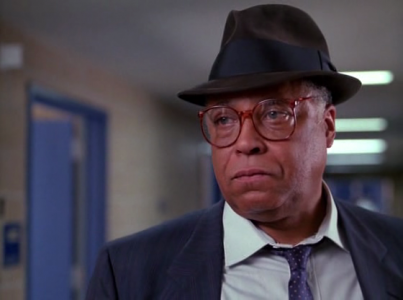
The cast of “The Ambulance” includes Eric Roberts (“Inherent Vice,” “Miss Castaway,” “Wolves of Wall Street,” “Best of the Best”), James Earl Jones (“Field of Dreams,” “Exorcist II,” “Conan the Barbarian”), Eric Braeden (“Titanic,” “The Rat Patrol”), Red Buttons (“The Poseidon Adventure,” “The Longest Day”), Megan Gallagher (“Hill Street Blues,” “The Larry Sanders Show”), Janine Turner (“Northern Exposure,” “Cliffhanger”), Nick Chinlund (“Con Air,” “Lethal Weapon 3”), Laurene Landon (“Maniac Cop,” “Maniac Cop 2,” “Pick Me Up”), and Jill Gatsby (“Class of 1999,” “Maniac Cop,” “Vampire’s Kiss”).

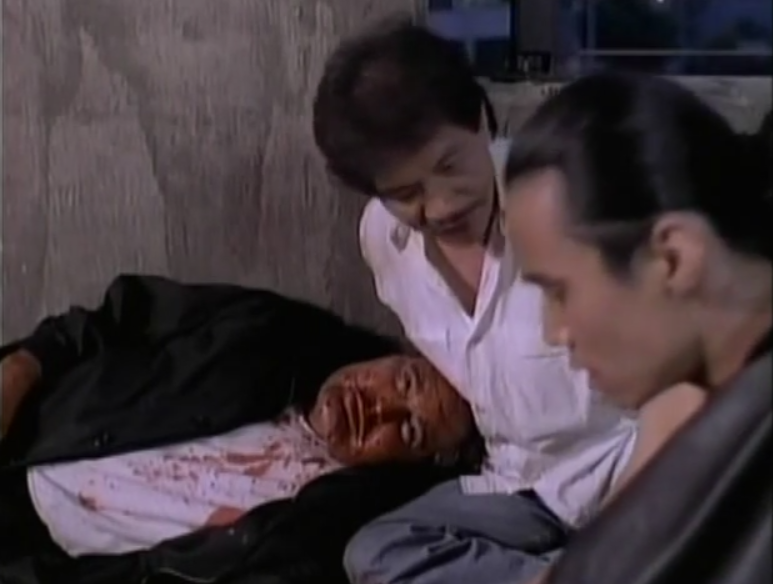
ambulance5The story of “The Ambulance” follows an amateur investigation into a series of mysterious disappearances after the victims were taken away by what appeared to be an ambulance crew. As the comic artist turned vigilante digs deeper, he begins to uncover a conspiracy, putting his life and sanity in danger.

A while back, I attended the premiere of horror flick called “Old 37,” which features a number of similarities to “The Ambulance.” The Kane Hodder vehicle also centers around killers utilizing an ambulance to kidnap people, though it lacks a lot of the more interesting story aspects of “The Ambulance.” That said, it isn’t all too bad, particularly for a film directed by “Alan Smithee.”

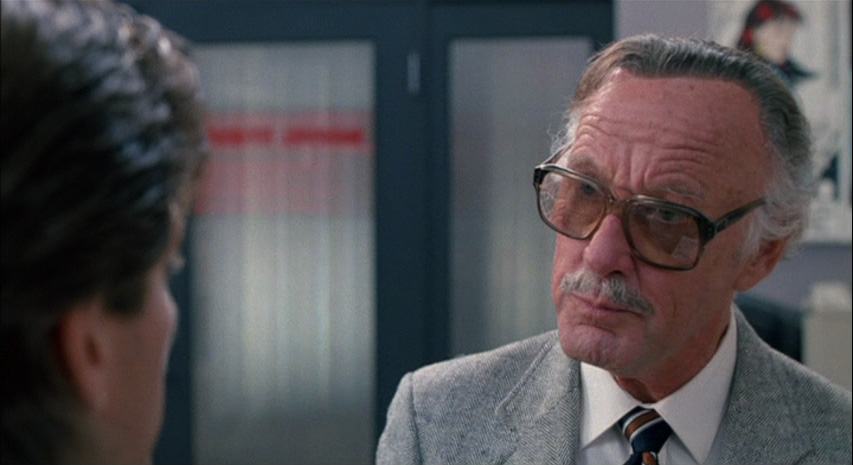
The legendary superhero creator Stan Lee has a quick cameo in “The Ambulance,” which is something he has become famous for with the recent boom of Marvel superhero films over the last decade and a half.

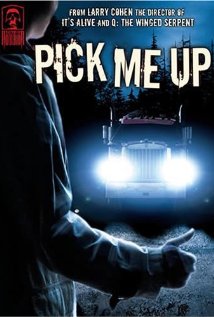
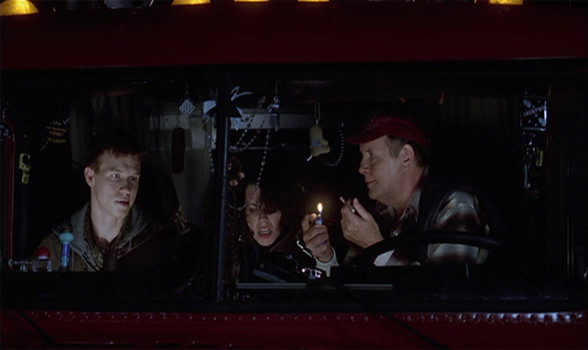
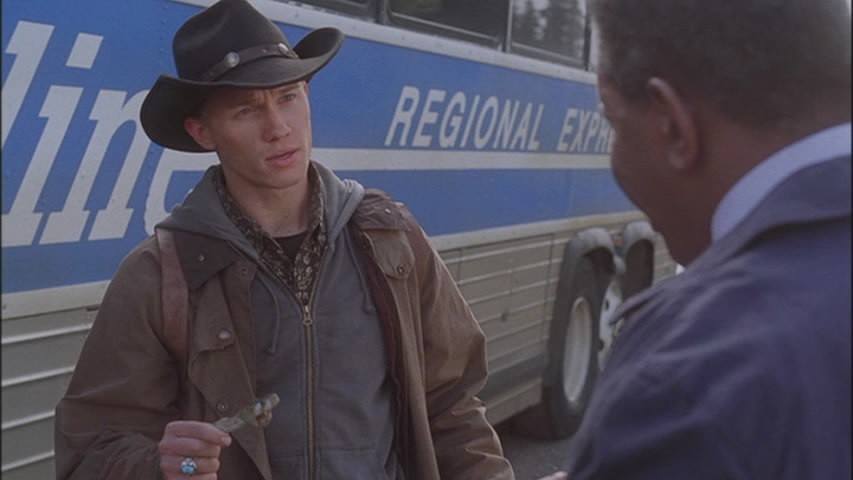
ambulance6Larry Cohen’s entry into the television series “Masters of Horror,” titled “Pick Me Up,” features an homage to “The Ambulance” with it’s twist ending, featuring two killers who have commandeered an ambulance for nefarious purposes.

I wasn’t able to dig up any budget or gross information on “The Ambulance,” but it is fair to say that it was a low-budget affair. The reception to the film was mixed: it currently has a 5.8 rating on IMDb, and Rotten Tomatoes scores of 75% (critics) and 55% (audience). For the most part, the film has been forgotten outside of die hard horror circles, though the film has certainly influenced a handful of other works.

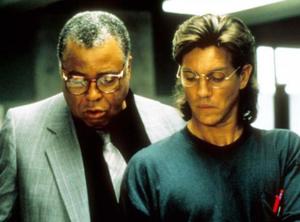
ambulance4I found James Earl Jones to be a bit too cartoon-y with his portrayal of the obsessive, bubble gum chewing, eccentric detective here. Eric Roberts, on the other hand, is surprisingly solid in the lead role. I always associate him with lower-tier roles, which is where he usually seems to thrive, but he manages to pull his weight here with the spotlight. However, his hair is every kind of ridiculous in this movie, which is at least mildly distracting.

Eric Roberts’s character, however, is written like an absolute creep. The entire instigation for the film is because he was essentially harassing a woman on the street, and refused to leave her alone. It was clearly supposed to come off as charming and eccentric, but the whole exchange is skin-crawling. The woman does her damnedest to get him to go away, and has a couple of solid lines over the course of the interaction, the highlight of which is this:

“I have met creepier guys than you, but I don’t recall when”

“The Ambulance” curiously plays more like a conspiracy movie than I expected, and is less of a horror film than it is a thriller, and has some action and comedy elements as well. It sits on the boundary between a lot of different genres, but doesn’t balance it as well as some other films do.

The plot is interesting, and ties into people’s anxieties about the monolithic medical industry and the cruelty of product testing. There is also certainly a fear associated with the prone state of being in an ambulance on a stretcher, as well as being helpless in the face of corporate bureaucracy. On the surface “The Ambulance” isn’t much, but there is more to it than there appears to be at first glance.

ambulance3The soundtrack to “The Ambulance” notably has an awful lot of synthesizer and saxophone, which is a mixture that I am always on board for in these 1980s / 1990s flicks.

Eric Roberts’s job as a Marvel comics artist allows for a quick Stan Lee, but apart from that, it isn’t particularly important to the story. He winds up spending the entire film investigating and chasing down leads, so why not just make him a private investigator or a journalist? I can understand not making him a cop because of the progression of the story, but the skills he winds up using don’t make much sense for a comics illustrator.

Last but not least, Eric Braeden’s evil Doctor is chillingly creepy as the villain, and is the highlight of the whole flick. However, the parlor scene he has early on explains a little too much too quickly in my opinion. It also doesn’t make much sense for him to divulge the information he does to the forced patient, apart from to inform the audience of what is actually happening. I’m a little curious if this sequence was added in at some point, or if it was initially placed somewhere else in the script.

Overall, “The Ambulance” is in the lower tier of Larry Cohen’s filmography, but had the potential to be much better. It feels like it wasn’t given time to percolate properly, and the result is something rushed and of lower quality than it should be. I love the premise and the story, but the details are really lackluster, and the pacing isn’t great. Also, some of the performances are pretty weak, like Red Buttons, who seems totally out of place here. For Larry Cohen fans, it is worth checking out. However, it really could have been much better given the originality of the concept.

Larry Cohen Collection: “Pick Me Up”

Masters of Horror: Pick Me Up

pickmeup1

Today, I’m going to be taking another stroll through the career of writer/director Larry Cohen with the “Masters of Horror” feature, “Pick Me Up.”

“Pick Me Up” was directed by Larry Cohen for the television show “Masters of Horror,” which showcased original work by some of the most famed figures in horror film history. I have already covered two episodes of the series directed by Stuart Gordon: “The Black Cat” and “Dreams In The Witch House.”

“Pick Me Up” was written by David J. Schow, who penned such horror flicks as “Texas Chainsaw Massacre III,” “Critters 3,” “Critters 4,” and “The Crow.”

“Pick Me Up” was edited by Marshall Harvey, a veteran horror editor and frequent Joe Dante collaborator who also cut “Lake Placid,” “Small Soldiers,” and “Matinee” (among many others).

pickmeup5

The cinematographer on “Pick Me Up” was Brian Pearson, who also shot the more recent horror flicks “American Mary,” “The Butterfly Effect 2,” and “Into the Storm.”

The makeup effects team for “Pick Me Up” included Mike Fields (“Dreams In The Witch House,” “The Black Cat”), Sarah Graham (“The Cabin In The Woods,” “Supernatural”), Margaret Solomon (“Timecop,” “The Black Cat”), and Amanda McGowan (“Sucker Punch,” “Final Destination 5”).

The “Pick Me Up” special effects were done by the KNB EFX group, which has worked on “The Walking Dead,” “Maniac Cop 3,” “Army of Darkness,” “The Faculty,” and “Sin City” under the lead of Greg Nicotero and Howard Berger. The rest of the team included Scott Patton (“The Mangler”), Frank Rydberg (“Devil’s Advocate,” “Drag Me To Hell”), Andy Schoneberg (“Dead Heat”), Shannon Shea (“Leviathan”), Wayne Szybunka (“Lake Placid,” “Marmaduke”), Lindsay Vivian (“Sin City”), Grady Holder (“Lake Placid,” “Small Soldiers”), Robert Freitas (“Men In Black,” “Species”), and Michael Deak (“From Beyond,” “The Dentist”).

pickmeup4

The visual effects for “Pick Me Up” were done by a team that included Sebastien Bergeron (“Tucker & Dale vs. Evil”), Mladen Miholjcic (“Andromeda”), Lee Wilson (“The Fly,” “Videodrome”), and Stephen Paschke (“Watchmen”).

The music for “Pick Me Up” was composed by Jay Chattaway, who also did the scores for the Larry Cohen films “Maniac Cop,” “Maniac Cop 2,” and “The Ambulance.”

The cast for “Pick Me Up” features frequent Larry Cohen collaborator Michael Moriarty (“It’s Alive III,” “A Return to Salem’s Lot,” “Q,” “The Stuff”), along with Fairuza Balk (“Almost Famous,” “The Waterboy”), Warren Kole (“The Following”), Laurene Landon (“Maniac Cop,” “Maniac Cop 2”), Malcolm Kennard (“The Matrix Reloaded”), Crystal Lowe (“Insomnia”), and Paul Anthony (“Blade: Trinity”).

pickmeup2

Michael Moriarty does some improvised piano work during a sequence in “Pick Me Up,” much like he did in his audition scene in “Q: The Winged Serpent.”

The two dueling serial killers in “Pick Me Up” are named Walker and Wheeler, obviously coined after their modes of transportation: hitch-hiking and an 18-wheeler truck, respectively.

As far as highlights go, there is at least one highly memorable murder committed by Walker, in which he strangles a man with a dead snake. Apart from that, deaths are interestingly not emphasized, and a number happen off-screen. More attention is paid to suspense and the serial killers themselves rather than their actions, which I found pretty interesting.

pickmeup6

“Pick Me Up” features a number of tongue-in-cheek direct references to classic horror movies, including “Psycho” and “The Texas Chain Saw Massacre.” The flick also adopts major elements from both of those movies for the plot: the setting of a creepy, remote hotel (“Psycho”), and the presence of a killer hitch-hiker (“The Texas Chain Saw Massacre”).

pickmeup3

My biggest issue with “Pick Me Up” is surprisingly Michael Moriarty, who seemed more than a bit spaced out to me, like he might have been excessively drunk during the shoot. That might have just been part of the character, but I got the feeling from watching him that that wasn’t the case. Regardless, he is still a scene stealer and has his same quirky charm, but he isn’t on the top of his game.

Overall, “Pick Me Up” works with an interesting premise, and both the writing and directing is done with a clear affection for the genre. There are a couple of solid sequences, but I can’t help but feel that it could have been pulled off better. Compared to Stuart Gordon’s “Masters of Horror” episodes, Larry Cohen’s contribution here is a bit lacking. For fans of horror, it is worth checking out, but it is probably skippable for anyone else.

Blood Diner

Blood Diner

blooddiner1

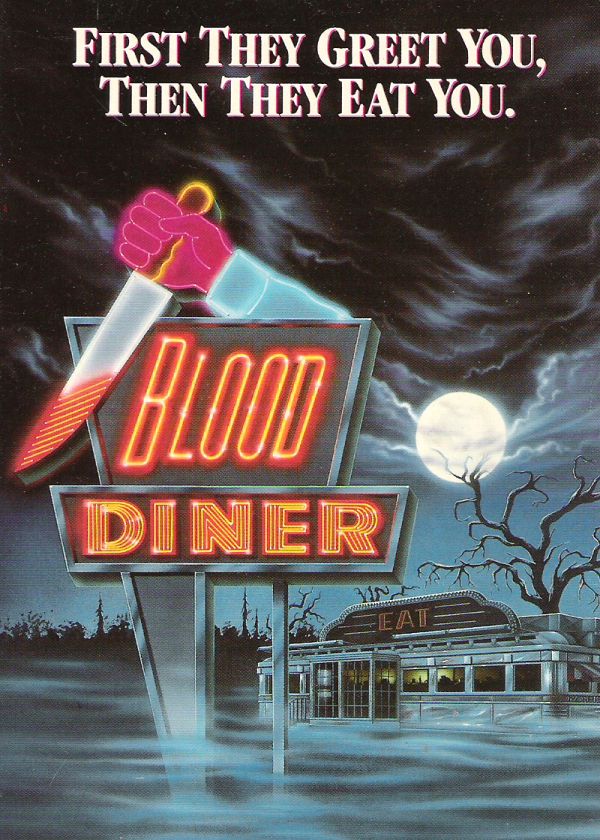
Today’s feature is “Blood Diner,” a peculiar little horror-comedy from the late 1980s that involves cannibalism, blood sacrifice, and veggie burgers.

“Blood Diner” was written by Michael Sonye. Sonye was primarily an actor, appearing in films such as “Surf Nazis Must Die,” but wrote a handful of b-movie screenplays, including “Cold Steel” and “Star Slammer.”

“Blood Diner” was directed and produced by Jackie Kong, who only had a handful of credits in the 1980s. She was also involved in the schlocky films “Night Patrol” and “The Being.”

The cinematography for “Blood Diner” was done by Jurg V. Walther, who has worked on such (not-so) esteemed films as “Daniel Der Zauberer,” “Zombie Nation,” “Joysticks,” and “Hot Dog: The Movie.”

The music for “Blood Diner” was composed by Don Preston, who did the music for most of Jackie Kong’s films, as well as “Eye of the Tiger” and “Android.” He also interestingly provided the synthesizer work for the score to “Apocalypse Now.”

The editor on “Blood Diner” was Thomas Meshelski, who also cut such horror films as “Puppetmaster” and “TerrorVision.”

The “Blood Diner” effects team included Larry Arpin (“Maniac Cop,” “Maniac Cop 2,” “Maniac Cop 3,” “The Dentist”), Loraiana Drucker (“Friday the 13th Part VII,” “The Blob”), Bruce Zahlava (“Dead Heat”), Michael Hyatt (“Leprechaun”), and Aaron Sims (“From Beyond,” “The Spirit,” “Baby’s Day Out”).

One of the executive producers for “Blood Diner” was Lawrence Kasanoff, who is best known for producing movies like “Mortal Kombat” and “Class of 1999,” but also infamously directed the animated disaster that is “Foodfight!”

Most of the cast of “Blood Diner” is made up of actors who have appeared in no other films, or at most just a handful of other similarly low-budget horror movies. Usually movies like this seem to have one or two players who eventually found some form of success, but that isn’t the case here.

blooddiner3The story of “Blood Diner” centers around two cannibal brothers who co-own and operate a diner. They plan to resurrect an ancient God with a massive blood sacrifice, under the guidance of their newly resurrected undead uncle. Their preparations (namely the mass killings) attract attention from the police, who race against the clock to foil their plans.

The reception for “Blood Diner” was unsurprisingly negative, though not as poor as one might expect. It currently holds a rating of 5.0 on IMDb, along with a 53% audience score on Rotten Tomatoes.

“Blood Diner” was apparently initially intended as a sequel to Herschell Gordon Lewis’s “Blood Feast,” but the idea was scrapped before filming commenced. However, the plot similarities certainly remain for the sake of homage and parody.

A few parts of “Blood Diner” play for genuine laughs, such as the opening radio interruption warning listeners about an escaped killer in the area. However, most of the comedy feels added in after the fact, like this was meant to be serious horror, but half way through they realized how ridiculous it all was and tried to laugh off their incompetence. The result is a quasi-parody that rides the line between mocking and truly becoming the thing it is trying to make fun of. The humor is also pretty lazy on the whole, like it was concocted on the fly by people who don’t make a living in comedy.

Something else that can’t be ignored about “Blood Diner” is the musical score, which is the deadly combination of being both really terrible and extremely loud. The sound editing is straight horrendous, to the point that the music manages to overpower the outlandish acting on screen at times (or at least that was the case on my copy).

Speaking of which, ‘hammy’ doesn’t even begin to describe the acting in “Blood Diner.” Everyone seems to be over the top in one way or another, like all of the characters are trying to out-weird or act over each other. There is also some god-awful child acting in the introduction sequence that ranks up there with some of the worst that I have ever seen.

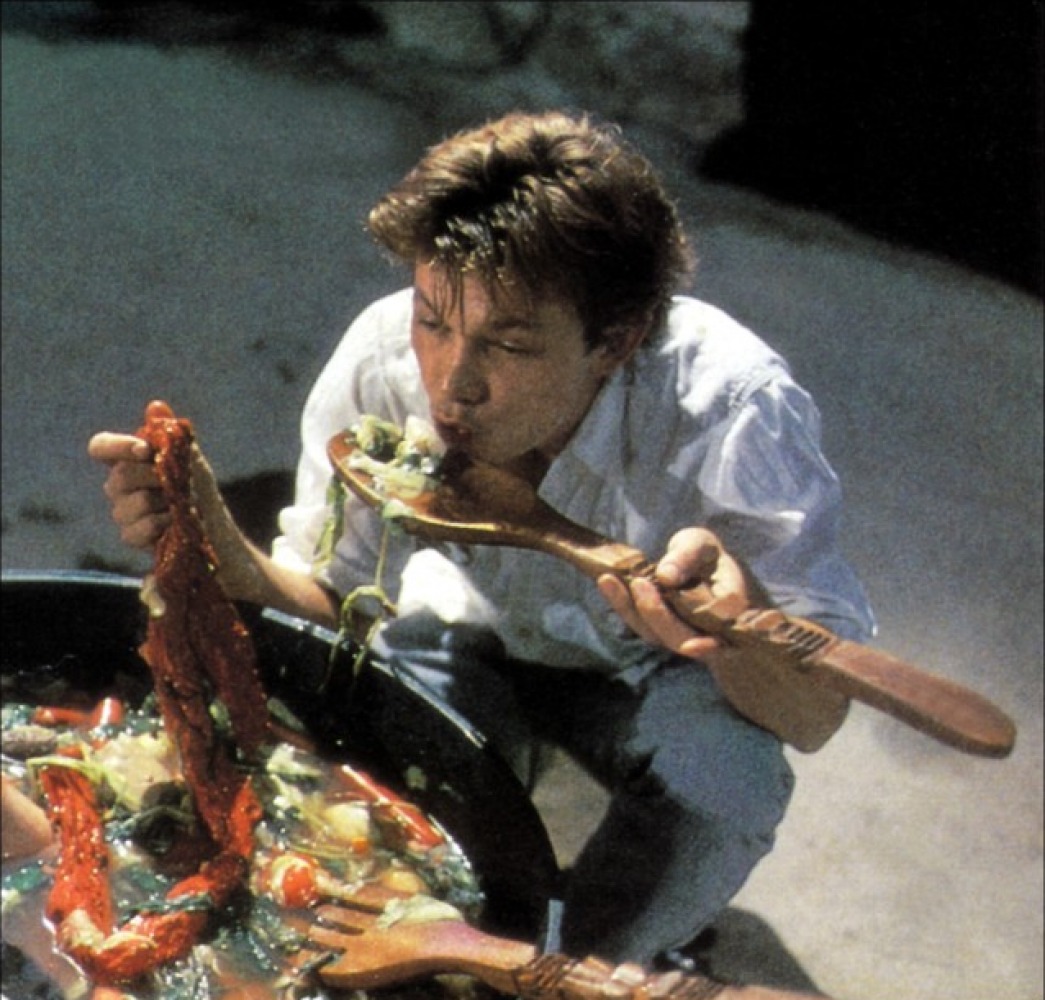
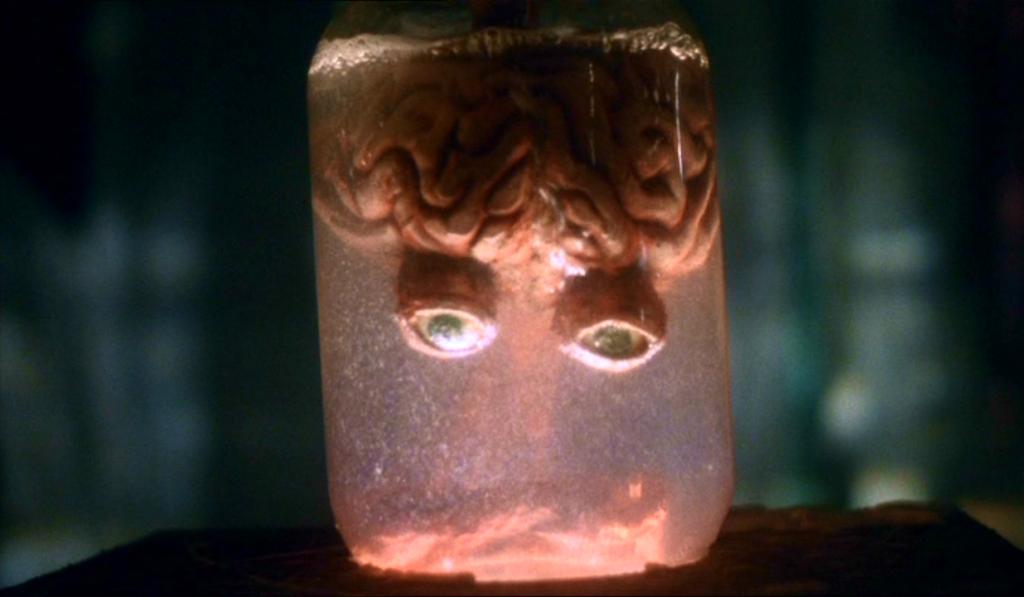
If there is anything positive to say about “Blood Diner,” it is that the cast of characters is certainly colorful, and makes for an odd and surreal world for the story to take place in. One of the key accessory characters, for instance, is a rival diner owner who is also a compulsive ventriloquist. There is also a group of explicitly vegetarian cheerleaders, a Hitler-themed professional wrestler, a talking undead brain, and a popular craze of nude aerobics.

blooddiner2One thing I still don’t understand about the plot is why the brothers pretend that their cannibalistic product is vegetarian, apart from the fact that it seems to be a popular fad in the world of the movie. It just strikes me as a little too easy of a ruse to spot, and they couldn’t possibly keep it up for too long for logistical reasons alone.

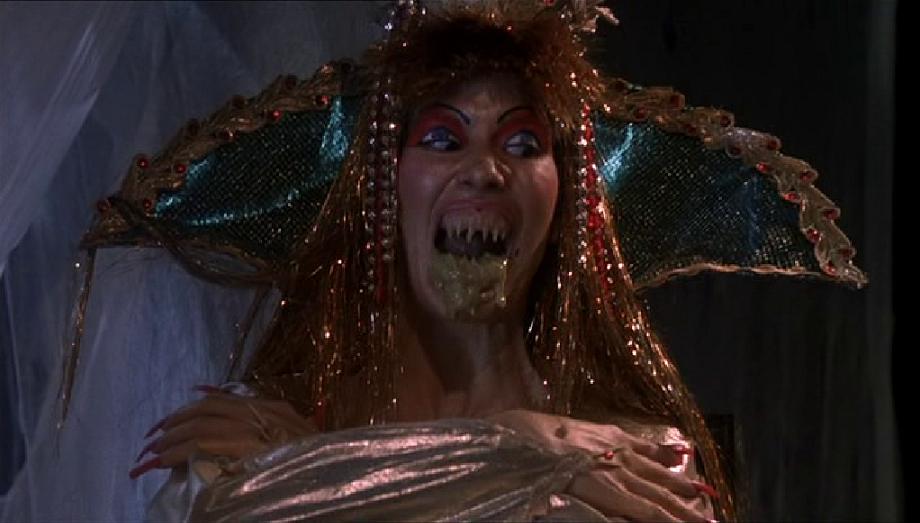
The God-raising ritual itself (the “blood buffet”) is the most bizarre section of the film by far. The Frankenstein-ish patchwork vessel for the deity is genuinely unsettling and bizarre, and the entire sequence plays like an intense fever dream. The nightclub setting is pretty much perfect for the finale, and the awful music is up to 11 throughout the whole sequence. The film is probably worth watching for that alone, because it is a spectacle of awfulness.

blooddiner4Overall, “Blood Diner” is a damn strange movie. As I said before, it rides a line between being parody and an earnestly terrible film, which makes it all the more intriguing to watch. How many of these moments were meant to be funny? Were they meant to be funny in the way that they are funny? The finale sequence alone makes it worth the watch for bad movie lovers, but I’m not totally sure how casual movie goers would react to it. It certainly isn’t dull, and has a lot of gore and ridiculousness to go around, but it also doesn’t quite have the same charm of the bad movie “classics” that everyone loves, which I think is because of the elements of intentional humor within it. If you are looking for a deep cut for a bad movie night, this could make an interesting pick. Better yet, it is entirely available on YouTube.

Legend of the Dragon

Legend of the Dragon

legendofthedragon3

Today’s flick is an obscure martial arts / snooker comedy starring Stephen Chow: “Legend of the Dragon.”

“Legend of the Dragon” was produced and directed by the actor Danny Lee, who appeared in such films as “City on Fire” and John Woo’s “The Killer.” As a director, Lee primarily made action movies like “Dr. Lamb,” but drifted into the realm of comedy with “Legend of the Dragon” and “The Eight Immortals Restaurant: The Untold Story.”

“Legend of the Dragon” was written by Kam Fai-Law, a frequent collaborator with Danny Lee (“Dr. Lamb,” “The Eight Immortals Restaurant: The Untold Story”), and a man named James Fung, who received story credit.

The editor for “Legend of the Dragon” was Chung Yiu Ma, who also cut such films as “From Beijing With Love,” “Butterfly & Sword,” and “Flying Dagger.”

The two stunt coordinators for “Legend of the Dragon” were Corey Yuen, who provided stunts for “Drunken Master,” “The Expendables,” and “Transporter 3” (and even directed “The Transporter” and “No Retreat, No Surrender”), and Wah Yuen, who worked on “The Way of the Dragon,” “The Chinese Connection,” and “Enter the Dragon.”

legendofthedragonThe other credited producer on “Legend of the Dragon,” aside from Danny Lee, was fellow actor Parkman Wong, who co-starred with Lee in “City on Fire” and “The Killer.”

The cast of “Legend of the Dragon” is headlined by Stephen Chow (“Shaolin Soccer,” “Kung Fu Hustle,” “The God of Cookery,” “From Beijing With Love,” “Sixty Million Dollar Man,” “Fight Back To School”), and also features Teresa Mo (“Hard Boiled,” “Men Suddenly In Black”), Chi Ling Chiu (“Kung Fu Hustle,” “Journey to the West”), Ka-Yan Leung (“The Man With The Iron Fists”), and Wah Yuen (“City Under Siege,” “Australia,” “Game of Death”).

legendofthedragon2The story of “Legend of the Dragon” follows a young snooker player and martial artist who has to win a large snooker tournament in Hong Kong to save his home.

The plot of “Legend of the Dragon” centers around the popular game of ‘snooker,’ which isn’t particularly well-known in the United States. For those curious, here is the summary of the game from Wikipedia:

Snooker is a cue sport played on a table covered with a green cloth or baize, with pockets at each of the four corners and in the middle of each of the long side cushions. A full-size table measures 11 ft 812 in × 5 ft 10 in (3569 mm x 1778 mm), commonly referred to as 12 × 6 ft.

The game is played using a cue and 22 snooker balls: one white cue ball, 15 red balls worth one point each, and six balls of different colours: yellow (2 points), green (3), brown (4), blue (5), pink (6) and black (7).[4] The red balls are initially placed in a triangular formation, and the other coloured balls on marked positions on the table known as “spots”. Players execute shots by striking the cue ball with the cue, causing the cue ball to hit a red or coloured ball. Points are scored by sinking the red and coloured balls (knocking them into the pockets, called “potting”) in the correct sequence. A player receives additional points if the opponent commits a foul. A player (or team) wins a frame (individual game) of snooker by scoring more points than the opponent(s). A player wins a match when a predetermined number of frames have been won.

Snooker, generally regarded as having been invented in India by British Army officers, is popular in many of the English-speaking and Commonwealth countries,[5] with top professional players attaining multi-million-pound career earnings from the game.[6] The sport is now increasingly popular in China.[7] Touring professional players compete regularly around the world, the premier tournament being the World Championship, held annually in Sheffield, England.

As mentioned in the Wikipedia summary, “Legend of the Dragon” was made in the midst of the growing popularity of snooker in China, which has continued in the years since the movie’s release.

“Legend of the Dragon” features a cameo from Jimmy White, a world champion snooker player and dominant force in the game throughout the 1980s, who acts as the final challenger Stephen Chow must defeat to win the tournament.

“Legend of the Dragon” is a pretty obscure flick, and doesn’t have a whole lot of reviews because of it. However, the ones that are out there are relatively positive: it currently has a 58% audience score on Rotten Tomatoes and a 6.5 rating on IMDb.

“Legend of the Dragon” is primarily a slapstick physical comedy, but Stephen Chow sells the humor with boundless enthusiasm as his man-child character. What would be painfully hack-y with a different cast comes off as mildly charming with Stephen Chow at the head.

Given the experience of the director and the cast, it is no surprise that “Legend of the Dragon” features good fight choreography and action sequences. Even the snooker sequences are shot with a fair amount of tension, making something that is generally mundane anything but.

There is an interesting undertone of anti-capitalism throughout “Legend of the Dragon,” with much of the plot centering on the condemnation of gambling and profiteering. However, the ending is less clear on the point, with gambling ultimately saving the day, and compromises of traditional values being reached. There is definitely a message in the story about the cultural divide between mainland China and Hong Kong, particularly as the once-distant year of 1997 began coming closer, which would bring the highly independent and westernized island back under the fold of Chinese authority. The tensions between the comically traditional Master Chow and his material-obsessed brother plays to this divide, and their ultimate reconciliation and compromise give the conflict a peaceful resolution in the end.

“Legend of the Dragon” features a couple of really funny moments. For instance, after the climactic kiss, both characters instantly think they are pregnant. It is a great little stab at the sheltered, naive characters that always seem to feature in kung fu flicks. There are also a number of good jokes pointed at the fact that no one knows the rules to snooker, most memorably after the protagonist and his friends celebrate their victory in the final tournament before the match is actually over.

Overall, “Legend of the Dragon” is a strange but fun little movie, with some deep undertones beneath a veneer of childish physical humor. It isn’t particularly easy to find, but it is worth checking out for kung fu fans if you happen to come across it.

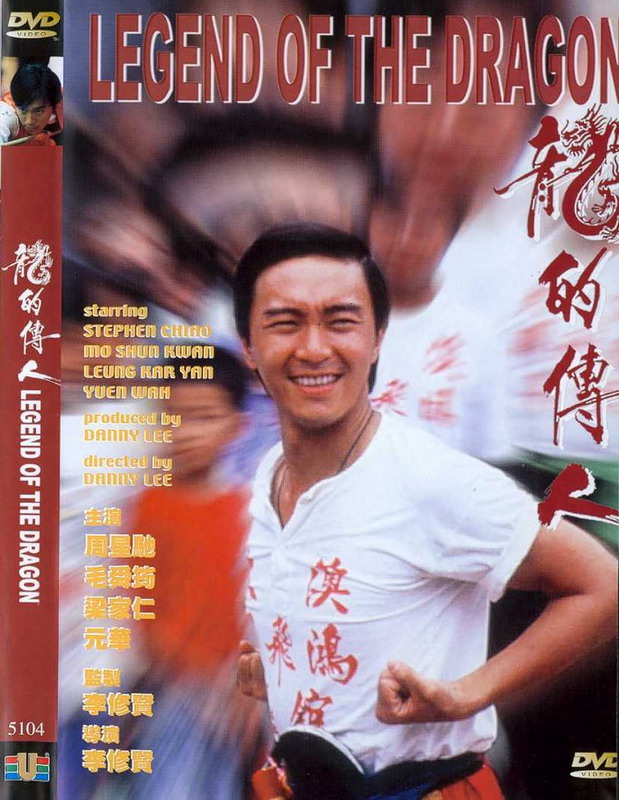
Given the film’s obscurity, you might be a little as to how I came across this oddball little flick. Video Central, the local video store that provides my Clerk’s Picks, was recently clearing out some excess inventory, and I picked it up from them for a couple of bucks based on the distinctive cover art on the DVD. I assumed that there had to be something worth watching inside, and thankfully I was right.

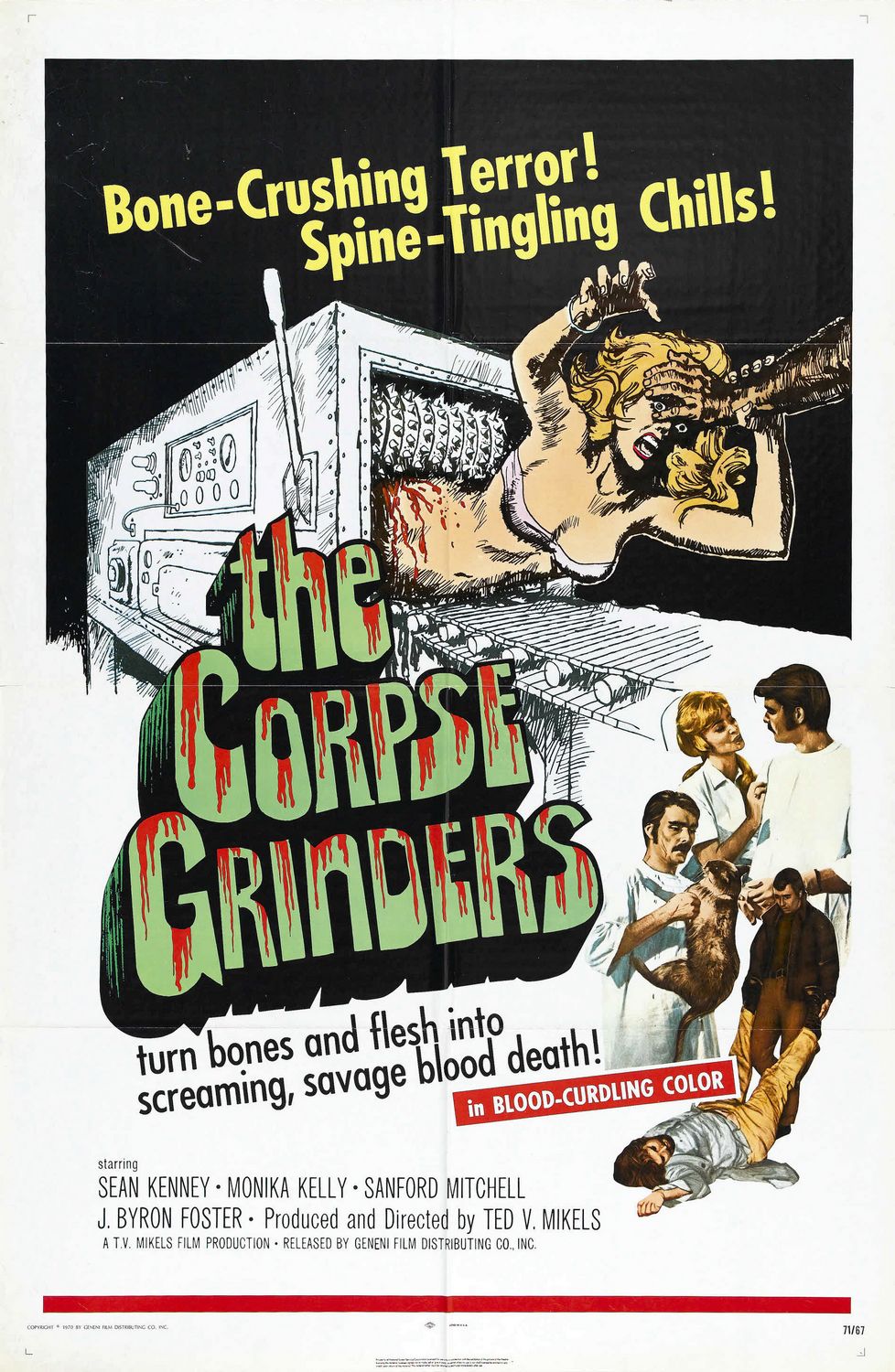
The Corpse Grinders

The Corpse Grinders

corpsegrinders2

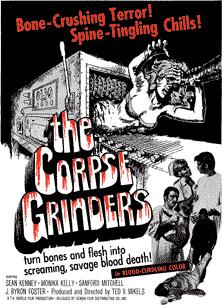
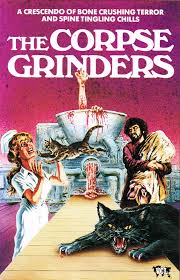
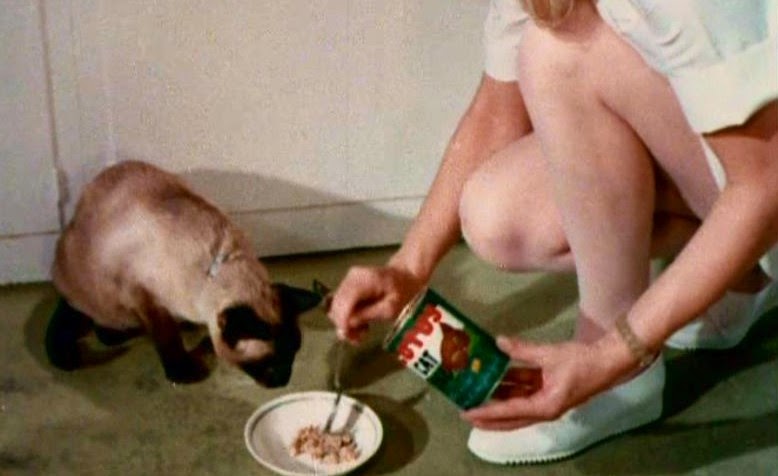
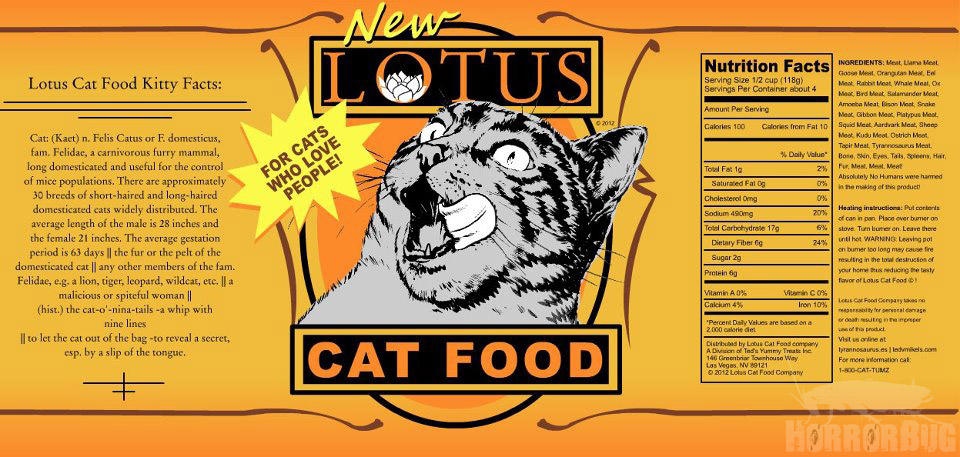
Today’s movie is a little story that answers the age-old mystery of what cat food is made of: “The Corpse Grinders.”

“The Corpse Grinders” was directed, produced, edited, scored, and co-written by Ted V. Mikels, a b-movie legend who also created “Girl In Gold Boots,” “The Astro-Zombies,” “The Black Klansman,” and “The Doll Squad.” The other credited writers were Arch Hall Sr., best known for “Eegah,” and Joseph Cranston (“The Crawling Hand”).

corpsegrinders1The effects for “The Corpse Grinders” were provided by Sherri Vernon (“Blood Orgy of the She-Devils”) and Gary Heacock (“The Astro-Zombies”).

The executive producer on the film was Peter James, who was also behind “Head in the Clouds,” “The Merchant of Venice” starring Al Pacino, and a 2005 adaptation of “Beowulf & Grendel.”

The cast of “The Corpse Grinders” is made up mostly of inexperienced exploitation actors, like Sean Kenney (“Star Trek,” “The Toy Box”), Sanford Mitchell (“The Scavengers”), Warren Ball (“The Harem Bunch”), Ann Noble (“Sins of Rachel”), Vincent Barbi (“Dolemite,” “The Astro-Zombies,” “The Blob”), and Drucilla Hoy (“Sinner’s Blood”).

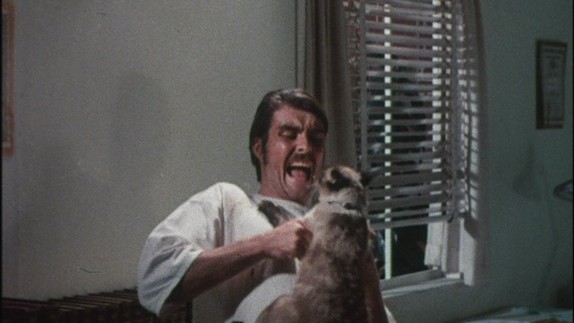
corpsegrinders4The story of “The Corpse Grinders” centers on a cat food company that is grinding up human corpses to make their product. The result is, of course, that domestic cats begin going wild and attacking their owners.

“The Corpse Grinders” spawned two sequels many years after the fact: “The Corpse Grinders 2” in 2000, and “The Corpse Grinders 3” in 2012.

In 2013, the Las Vegas Review Journal did a spotlight feature on Ted V. Mikels that covers many of his eccentric life experiences, as well as how the digital revolution affected his film making. Apparently, he at one point lived in a castle with a veritable harem, has a distinctive mustache, and is generally a bit of a creepy oddball. However, he also provided some interesting insights into his film-making process, particularly why he almost always worked with amateurs, and how that rounded him as a director:

“I found that the people I could use, the only ones I could afford, were people who didn’t have the type of experience that I required. So I had to put some tutoring into them to get what I wanted.”

The cat food company featured in “The Corpse Grinders” is called Lotus Cat Food Company. As luck would have it, there is now an actual pet food company that uses the name Lotus: Lotus Pet Foods. Much like the recent popularity of “Soylent,” based on the infamous product from “Soylent Green,” perhaps using the name “Lotus” has given the company a slight boost.

corpsegrinders5A 2008 documentary was made about the long career of Ted V. Mikels, called, appropriately, “The Wild World of Ted V. Mikels.” The movie was made by documentary maker Kevin Sean Michaels, who also created a feature about the infamous horror host and “Plan 9 From Outer Space” star Vampira.

The infamous corpse grinding machine, according to Ted V. Mikels, was constructed out of plywood and a series of bicycle parts, contradicting the myth that it was made precariously of cardboard.

corpsegrindersJustifiably, the reception to “The Corpse Grinders” wasn’t exactly glowing. It currently has an IMDb rating of 3.4, along with Rotten Tomatoes scores of 17% (critic) and 28% (audience). That said, the outlandish plot has cemented the film as a cult classic of the good-bad quasi-genre.

The budget for “The Corpse Grinders” was reportedly less than $50,000, which is astoundingly low even for low-budget flicks.

“The Corpse Grinders” obviously suffers from being as cheap as it is: the actors aren’t good, the effects are iffy, and, most notable of all, the sound quality is just awful. However, considering all of this, the film really isn’t all that bad. The biggest issue is probably how slow it is, as the plot plods around a bit too long.

corpsegrinders3If there is anything to say positive about “The Corpse Grinders,” it is that it is imaginative. The film came out the same year as “Willard,” which popularized the use of otherwise innocuous creatures as the subjects of monster movies, which led to films like “Night of the Lepus” and “Frogs.” However, “The Corpse Grinders” does a better job of explaining why the cats are attacking, something that most of the others gloss over. “The Corpse Grinders” also makes some interesting use of colored lighting during certain scenes, which creates a bizarre ambiance for the corpse grinding room.

Ted V. Mikels is, of course, an exploitation director. As you would expect from the genre, there’s a lot of inexplicable lack of clothing throughout the film, but it could certainly have been more flagrant. From what I have seen of Ted V. Mikels, “The Corpse Grinders” is actually pretty low-key among his films.

Overall, “The Corpse Grinders” is an imaginative little cheap flick with an interesting concept, but it suffers immensely from having an extremely low budget and being paced awfully. The experience of sitting through it is unfortunately pretty boring, and the highlights are rare and fleeting. That said, a supercut of them is probably worth checking out.

C.H.U.D.

C.H.U.D.

chud2

Today’s feature is the bizarre cult classic “C.H.U.D.,” which stands for Cannibalistic Humanoid Underground Dweller.

“C.H.U.D.” apparently had four different writers over the course of a number of rewrites: actors Christopher Curry and Daniel Stern were ultimately uncredited (“We wrote 50 percent of this fucking movie” – Daniel Stern), while Shepard Abbott and Parnell Hall, who did the rewrites, wound up with their names on the film. Interestingly, none of the four writers have any other film writing credits to their names.

The director on “C.H.U.D.” was Douglas Cheek, who has primarily worked as an editor on documentaries such as “Wal-Mart: The High Cost of Low Price” and “Outfoxed: Rupert Murdoch’s War on Journalism.”

chud6The cinematography on “C.H.U.D.” was provided by Peter Stein, who also shot “Ernest Goes to Jail,” “Graveyard Shift,” “Pet Sematary,” and “Mr. Nanny.”

The editor for “C.H.U.D.” was Claire Simpson, who cut such acclaimed films as “Wall Street,” “Platoon,” and “The Fan” over her career.

The makeup effects team for “C.H.U.D.” included David E. Smith (“Pulp Fiction,” “Day of the Dead,” “League of Extraordinary Gentlemen”), Kevin Haney (“Cocoon,” “Death Becomes Her,” “Guardians of the Galaxy”), Ed French (“The Stuff,” “Vampire’s Kiss,” “Paul Blart: Mall Cop”), George Engel (“In the Mouth of Madness”), Doug Drexler (“Drive Angry,” “Battlestar Galactica”), Joe Cuervo (“Bad Lieutenant,” “Amityville II,” “Oz,” “Sesame Street”), John Caglione Jr. (“State of Play,” “The Smurfs”), and Mike Maddi (“The Stuff,” “The Blob,” “Saturday Night Live”).

chud1The special effects for “C.H.U.D.” were done by the duo of Steven Kirshoff (“The Stepford Wives,” “Hackers,” “Crocodile Dundee II,” “The Departed”) and Matt Vogel (“Maniac Cop 2,” “King of New York”).

The musical score for “C.H.U.D.” was written by David A. Hughes, who also did music for the films “Fat Slags,” “Proteus,” and “Lock, Stock, and Two Smoking Barrels.”

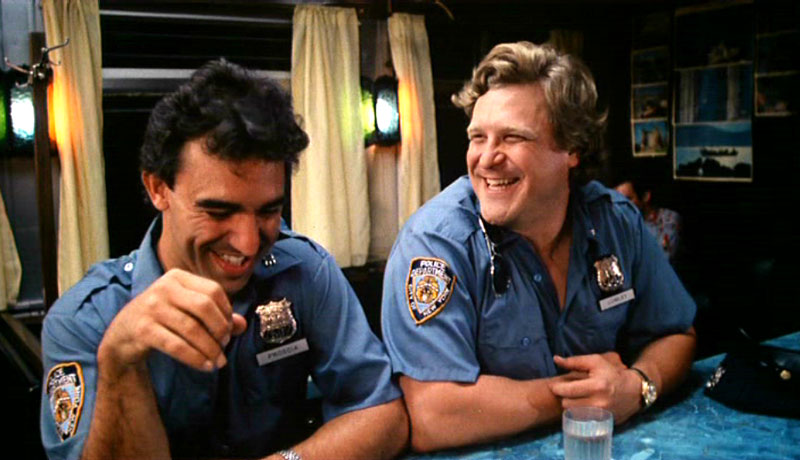
The cast for “C.H.U.D.” included John Heard (“Home Alone,” “Cat People”), Daniel Stern (“Home Alone,” “Leviathan”), Christopher Curry (“Starship Troopers,” “Red Dragon”), Kim Greist (“Brazil,” “Manhunter”), Michael O’Hare (“Babylon 5,” “The Ambulance”), Eddie Jones (“Q,” “A League of Their Own,” “Sneakers”),  Sam McMurray (“Baby Geniuses,” “Raising Arizona”), Graham Beckel (“Pearl Harbor,” “True Believer”), Frankie Faison (“The Wire,” “Mother Night”), Bill Raymond (“The Wire,” “Michael Clayton”), and one of the first film appearances of John Goodman (“The Big Lebowski,” “Barton Fink,” “King Ralph,” “Matinee,” “Red State”).

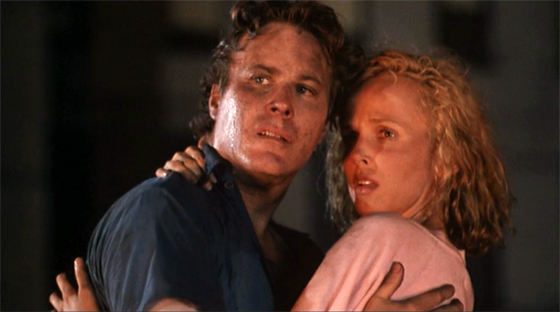
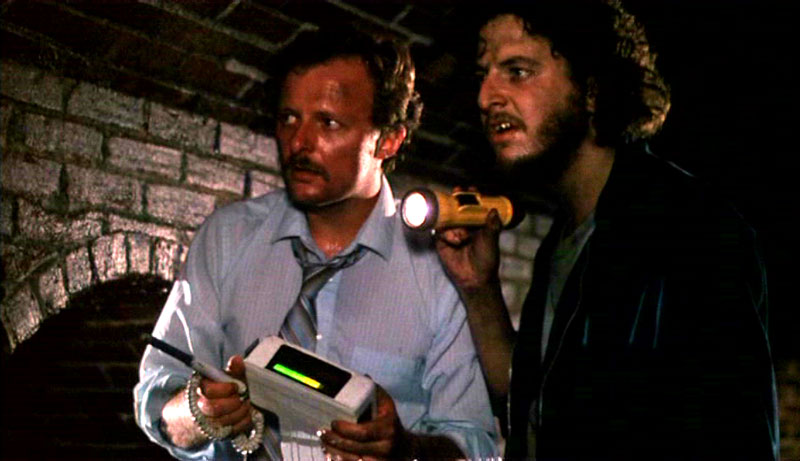
chud3The plot of “C.H.U.D.” follows three intertwined characters who are each investigating a series of mysterious disappearances among the homeless of New York City. Slowly, they each begin to uncover a dark secret beneath the streets of Manhattan: a population of monsters being covered up by the government.

The famed Criterion Collection did an April Fool’s Day joke back in 2011 that “C.H.U.D.” would be added to their distinguished list of films. Of course, the staff of the notable film news website CHUD.com, which was inspired by the movie, were excited about the possibility. Shockingly, the inclusion of “Armageddon” in the Criterion Collection isn’t a joke.

“C.H.U.D.” ultimately spawned one sequel, the notorious horror-comedy “C.H.U.D. II: Bud the Chud”

The term “CHUD” was apparently dreamed up by one of the writers while he was drunk, and wound up being the inspiration for the entire film. However, the acronym has two meanings in the film: “Contamination Hazard Urban Disposal” and, more famously,  “Cannibalistic Humanoid Underground Dwellers.”

The reception to “C.H.U.D.” was generally poor, though it has certainly lived on as a cult classic. It currently has a 5.5 score on IMDb, along with Rotten Tomatoes ratings of 17% (critics) and 32% (audience).

The budget for “C.H.U.D.” was roughly 1.25 million, and it wound up grossing about 4.6 million in its domestic theatrical release, making it a financial success for a low budget picture.

The DVD commentary for “CHUD” is one of the most simultaneously contentious and and easy-going tracks I have ever listened to. John Heard, Christopher Curry, Daniel Stern, and Douglas Cheek laugh uproariously throughout, while also complaining about not getting paid for their work, how awful the re-writes and effects were, and how much they dislike the ultimate theatrical cut of the movie, and how drunk they were during any given scene. For fans of the film, it is totally worth checking out.

“C.H.U.D.” unsurprisingly features a load of hammy performances, particularly from Daniel Stern and John Heard. That said, none of them are so over-the-top as to be particularly memorable, especially for b-movie performances.

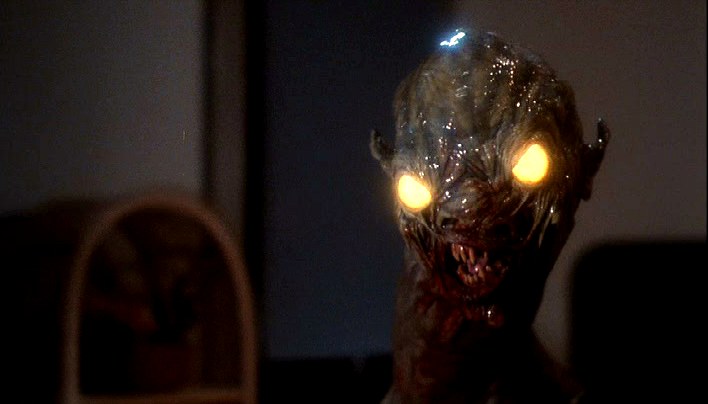
chud5Personally, I really like the design of the CHUDs. The glowing eyes in particular are really key, making them stand out among other movie monsters. Considering how low the budget was, they had to do something to make them stand out, and the eyes worked for that. Apparently, the CHUD suits accounted for a tenth of the budget of the flick in total. Without those distinctive eyes, it wouldn’t have counted for much.

chud8
Source

The explanation/origin behind the CHUDs is interesting, and plays into the popular disdain for authority and anxieties over the government’s role in pollution. There is also a clear message about the invisibility of the homeless to people in power, which is pretty deep for a film about sewer monsters.

One of the biggest criticisms I have seen of “CHUD” is how slow the pacing is, which is something I find totally valid. The film is very atmospheric, and there isn’t a whole lot of payoff until the very end. I think it could have been edited in such a way as to make it a bit tighter, but as it stands, it is pretty dull.

Outside of the eponymous CHUDs, the most memorable aspect of the film is the near-iconic grimy portrayal of 1980s New York City, which rivals other b-movies like “Maniac Cop” and “Q.” It openly conflicts with the idealized portrayals of the city in major pictures, and provides a look at the underbelly of the city during an era when it was at its worst.

chud7I consider another film I have covered, Clive Barker’s “The Midnight Meat Train,” to be a sort of spiritual successor to “CHUD.” I think it manages to take a lot of the same plot points and characters, update them, and then nail the desired dark tone a bit better. If people out there are big fans of “CHUD,” then I consider “The Midnight Meat Train” a must-watch.

“CHUD” may be one of the great b-movie classics of the 1980s, but it is still a pretty slow flick for casual audiences to sit through. Despite some nice highlights, I consider this to be a bit of a deep cut for bad movie fans, in spite of how much cultural recognition it has. I would personally pick up “Maniac Cop” or “Maniac Cop 2” over “CHUD” any day, but I still love the charm of the ambiance and the monsters here.

Carnosaur

Carnosaur

carnosaur1

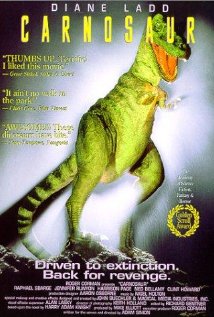
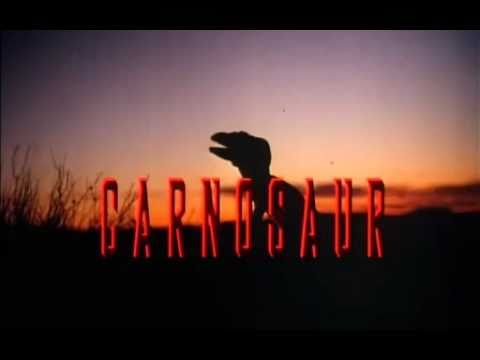
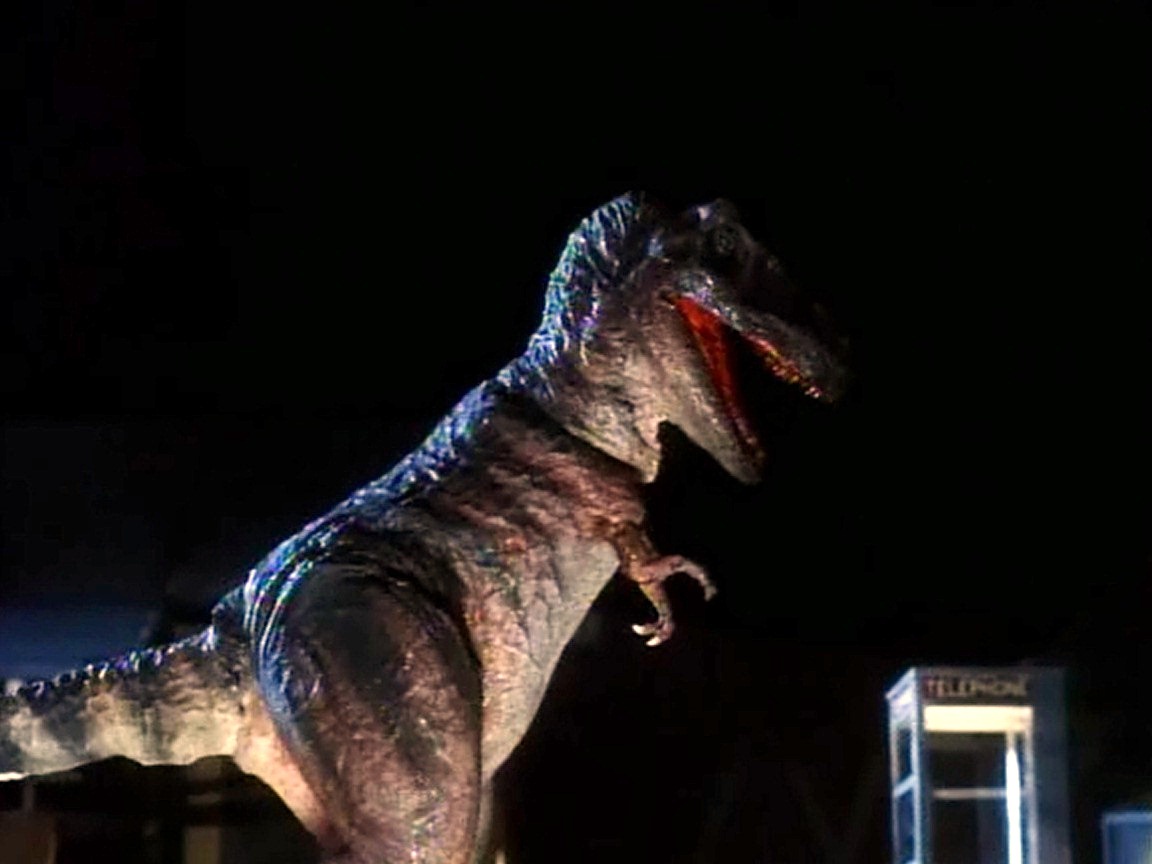
Next up is a little flick called “Carnosaur,” which was Roger Corman’s per-emptive answer to the blockbuster sensation of “Jurassic Park.”

“Carnosaur” was directed and written by Adam Simon (“Brain Dead,” “Salem”), with additional footage done by Darren Moloney, who later directed something called “Andromina: The Pleasure Planet.” The story was based on a novel, also called “Carnosaur,” by the Australian fantasy and science fiction writer John Brosnan. Brosnan was known for using a variety of pen names for his novels, such as Harry Adam Knight, which was used for the publication of “Carnosaur.”

The “Carnosaur” musical score was composed by Nigel Holton, who also did music for flicks like “The Haunted Sea” and “Bloodfist II.” The cinematography for “Carnosaur” was done by a man named Keith Holland, who shot a number of other low budget pictures like “Bloody Murder” and “Neon City.” The two credited editors for “Carnosaur” were Richard Gentner (“Leprechaun 2,” “Against the Law”) and Lorne Morris (“Carnosaur 2,” “Killer Instinct”).

carnosaur7The makeup effects work on “Carnosaur” was done by the two-person team of David Barrett (“Tank Girl,” “Batman & Robin,” “Mighty Morphin Power Rangers: The Movie”) and Fleur Morell (“Terminator: Genisys,” “Dawn of the Planet of the Apes”). Likewise, the visual effects for “Carnosaur” were provided by the duo of Alan Lasky (“Last Action Hero”) and Mark Plunkett (“Robot Jox”).

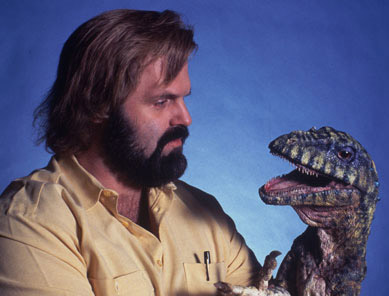
The special effects on “Carnosaur” were provided by Magical Media Industries Inc., which worked on such films as “The Gingerdead Man,” “Demonic Toys,” and “Bride of Re-Animator.” This specific team was led by John Carl Buechler, a longtime Roger Corman collaborator who worked on such movies as “Troll,” “Trancers,” “Ghoulies,” “From Beyond,” “Dolls,” “The Garbage Pail Kids Movie,” and “Arena.” The rest of the team included Tuck John Porter (“Space Truckers,” “Red Planet,” “Baby Geniuses”), Bill Zahn (“Battlefield Earth,” “The Faculty”), Jeffrey S. Farley (“The Evil Bong,” “Alligator II”), Thomas R. Dickens (“Theodore Rex,” “Anaconda,” “Hollow Man”), Joe Colwell (“Waterworld,” “Super Mario Bros.”), Ted Haines (“The Master of Disguise,” “The League of Extraordinary Gentlemen”), and James Rohland (“Dollman”).

carnosaur6The executive producer for “Canosaur” was none other than Roger Corman, arguably the king of all b-movie producers, who had previously been behind “Humanoids from the Deep,” “Piranha,” “The Little Shop of Horrors,” “Attack of the Giant Leeches,” and countless other memorable flicks. The other credited producer was Mike Elliott, who has worked on more recent films such as “War” and “The Devil’s Rejects.”

The cast of “Carnosaur” is made up of a number of familiar faces, most notably character actor Clint Howard (“Blubberella,” “House of the Dead,” “Santa With Muscles”), Diane Ladd (“Chinatown,” “Kingdom Hospital”), Ned Bellamy (“Treme,” “The Ice Harvest”), Frank Novak (“Independence Day”), Harrison Page (“JAG”), Raphael Sbarge (“The Guardian”), and Jennifer Runyon (“Charles in Charge”).

carnosaur5The story of “Carnosaur” centers on a mad genetic scientist, who has managed to reproduce dinosaurs by modifying chickens. If that wasn’t frightening enough, she is also hatching a plan to replace all of humanity with her new breed of dinos, and the only people standing in her way are a hippie and a janitor.

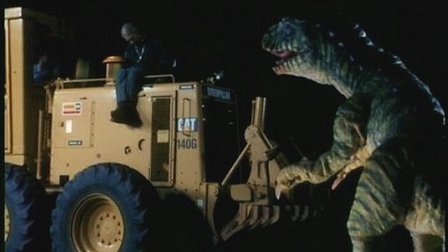
“Carnosaur” features two different dinosaur species: the famous Tyrannosaurus Rex, and the more obscure Deinonychus, which bears significant similarities to the Velociraptors popularized by “Jurassic Park.” The production actually employed an amateur paleontologist to act as a supervisor for the creature creation, which is mildly astounding given the low quality of the picture.

carnosaur2Diane Ladd, who plays the key antagonist in “Carnosaur,” is interestingly the mother of Laura Dern, one of the primary players in the big-budget inspiration for the flick, “Jurassic Park.” This might have been an intentional casting choice due to the relation, but who knows?

Gener Siskel & Roger Ebert were famously split on their opinions of “Carnosaur” on “At The Movies,” with Siskel giving it a “marginal thumbs up” due to the silliness of the plot and Diane Ladd’s performance. Roger Ebert, on the other hand, gave it an unconditional thumbs down. The disagreement was even joked about in the television show, “The Critic.”

“Carnosaur” ultimately spawned two sequels: “Carnosaur 2” in 1995 and “Carnosaur 3: Primal Species” in 1996. Jim Wynorski (“Chopping Mall”) reused clips from “Carnosaur” for a couple of his films: 1994’s “Dinosaur Island” and 2001’s “Raptor.”

In true Roger Corman style, “Carnosaur” was reportedly shot in just 18 days, for a budget of well under $1 million. It grossed roughly $1.7 million in its theatrical run, making it a profitable little picture. That said, it certainly wasn’t well loved by critics or audiences: it currently holds a 3.4 rating on IMDb, along with Rotten Tomatoes scores of 11% (critics) and 24% (audiences). It is certainly fondly remembered by good-bad movie fans for the cheesy effects work, however.

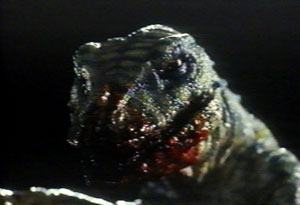
Speaking of which, the dinosaur puppets in “Carnosaur” look really bad. In a number of sequences, it is painfully obvious that the creature is actually a hand puppet, which doesn’t exactly inspire terror. It also borders on being kind of cute at times, and never manages to pull off ‘menace’ very well. Even the large T Rex spends most of it’s time in a laser room that would fit in more suitably in a documentary on EDM, which I assume was done because it obscures the details of the puppet. There is also some lazy, POV, green-tinted ‘dino-vision’ used on and off throughout the movie, which certainly didn’t help anything.

carnosaur3“Carnosaur” definitely has no qualms about being a knockoff at its core, and doesn’t even limit itself to the confines of “Jurassic Park.” As with “Humanoids of the Deep,” there are a couple of unsettling monster births a la “Alien,” and there is even a “Night of the Living Dead” inspired downer ending.

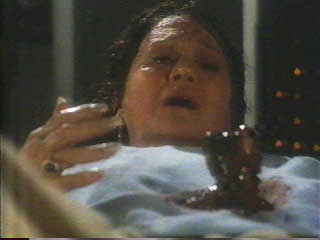
The production clearly didn’t have Diane Ladd for very long (reportedly 5 days), and the way they shot her made it clear. Her character, who is portrayed as a bit of a hermit, almost exclusively interacts with other characters through security cameras. Despite the obvious awkwardness caused by this, and the fact that the film’s evil plot is more than a bit ridiculous, Diane Ladd plays her mad scientist role pretty straight. Her performance is certainly not as phoned in as I expected. However, I personally thought it was Ned Bellamy who really stole the show as an eccentric corporate figure behind the scenes, though Ladd is certainly hammy.

carnosaur4One of the things that surprisingly stood out the most for me is how absolutely awful the musical score for “Carnosaur” is. It sounds like something a middle school student put together on a cheap keyboard, and it borders on being grating throughout the film.

Overall, “Carnosaur” is worth watching for the hilarious puppet effects, but not much else. The plot is outrageous to be sure, but isn’t particularly memorable. The same can be said of the acting, which is really just on par for b-pictures. It is probably one of the more memorable Corman flicks from the 90s, and might be worth giving a shot with a group for the highlights.