Tag Archives: bad movies

Worst of 2017: Black Butterfly

Black Butterfly

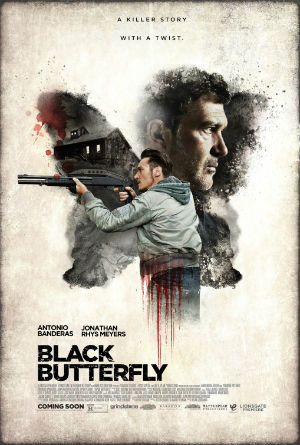
Today, I’m continuing my tour through a handful of the cinematic failures of 2017 with Black Butterfly, starring Antonio Banderas.

The plot of Black Butterfly is summarized on IMDb as follows:

Outside a mountain town grappling with a series of abductions and murders, Paul (Antonio Banderas), a reclusive writer, struggles to start what he hopes will be a career-saving screenplay. After a tense encounter at a diner with a drifter named Jack (Jonathan Rhys Meyers), Paul offers Jack a place to stay-and soon the edgy, demanding Jack muscles his way into Paul’s work and the two men begin a jagged game of one-upmanship that will bring at least one tale to an end.

As mentioned in the above synopsis, the minimal cast of Black Butterfly is headlined by Antonio Banderas (Desperado, Four Rooms, The Mask of Zorro, Spy Kids, The 13th Warrior) and Jonathan Rhys Meyers (Vikings, The Tudors, Mission Impossible III).

Black Butterfly is, notably, a remake of a 2008 French made-for-television movie called Papillon Noir. The screenplay for this American version was written by Marc Frydman, one of the film’s producers, and Justin Stanley, who had penned a handful of little-seen movies like Beneath Loch Ness, Dusting Cliff 7, and The Shadow Men.

Black Butterfly is the second film by director Brian Goodman, who has spent most of his career as a minor actor in television shows like Aquarius, Chance, Castle, Lost, and 24. His first film was 2008’s What Doesn’t Kill You, which received generally positive to mixed reviews.
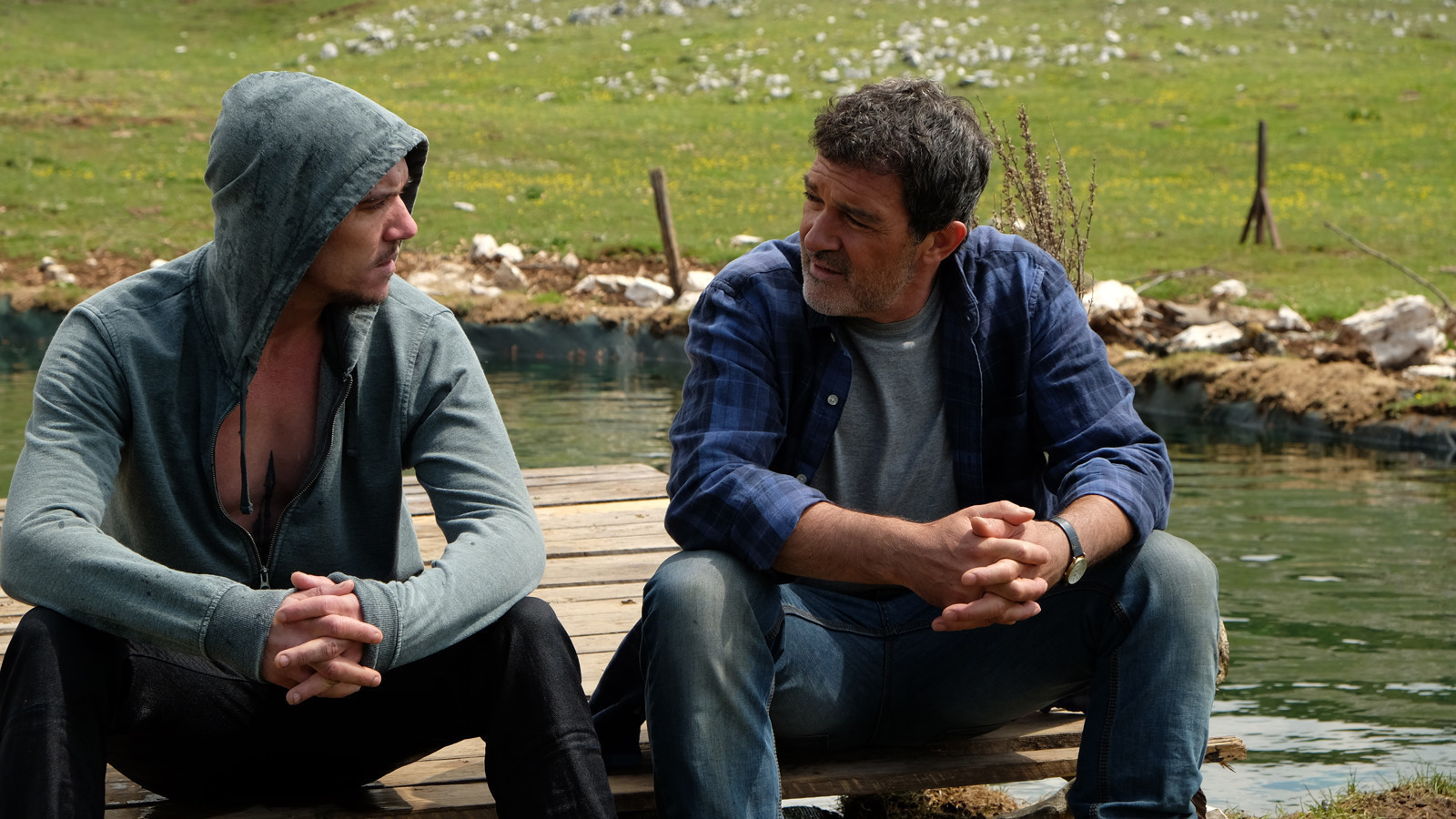
The cinematographer for Black Butterfly was José David Montero, whose other credits include Apollo 18, What Happened to Monday?, The Hunter’s Prayer, and Open Grave.

The music for the film was composed by Federico Jusid, who provided scores for films like Neruda, The Hunter’s Prayer, Kidnap, Misconduct, and The Secret In Their Eyes, among others.

The production history for Black Butterfly traces back to 2012, when Nicolas Cage was reportedly set to star. However, as the production delayed, many changes occurred between the film’s conception and release.

Culturally, the image of a black butterfly is widely considered a bad omen. They are not only uncommon, but visually evocative of death and mourning due to their dark coloration. Depending on the mythology and culture, they can represent the souls of the dead, the end of a season, or a coming disaster.

The film features a cameo role by prolific exploitation director Abel Ferrara, who directed movies like King of New York, Bad Lieutenant, Body Snatchers, and The Driller Killer, among others.

Black Butterfly was released in May of 2017 to generally negative reviews. Currently, it holds Rotten Tomatoes scores of 50% from critics and 45% from audiences, along with an IMDb user rating of 6.1/10. I suspect that the film released solely on video on demand services, given that no theatrical or financial information is readily available for it.
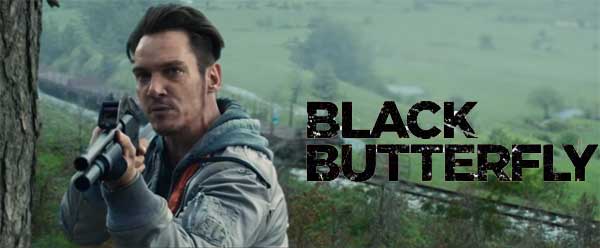
Black Butterfly boasts two very good performances from its leads: Antonio Banderas and Jonathan Rhys Meyers. For most of the movie, the onus of holding the story together is placed entirely on their shoulders, due to a generally lackluster screenplay. Both men manage to turn dialogue that could have easily sounded cringe-inducing into something mildly compelling and suspenseful – at least to a point. Both actors, who have proven themselves capable in the past, are better than this movie, and put in serious effort to elevate it. For all of Black Butterfly‘s faults, the cast is certainly not one of them.

Something that has been noted by many critics is that Black Butterfly feels familiar for audiences acquainted with the thriller genre: movies like Misery or Secret Window immediately come to mind from the synopsis alone. However, what is interesting about Black Butterfly is how it both subverts those genre expectations, as well as plays directly into tired cliches. Typically, a movie either cleverly goes down the first path, or trudges down the second: Black Butterfly straddles both paths, making for a simultaneously confusing, captivating, and frustrating experience. This is further emphasized by the screenplay’s tone, which is developed through a combination of predictable cliched lines, smug insights into the “writing process,” and non sequiturs masquerading as sapience. In the words of Vikrim Murthi of RogerEbert.com:

“Black Butterfly” communicates all of its empty-headed ideas idiotically, but still retains a knowing smugness regarding its intentions, like it’s pulling a rabbit out of a hat while acting like no one’s ever seen such a trick.

By far the defining element of Black Butterfly, for better or for worse, is its cavalcade of twists. Bafflingly, even the marketing for the film relied on its twists, with the poster sporting the tagline of “A Killer Story With A Twist.” Not only does that marketing spoil the fact that there is a twist, but an audience that had seen the poster would spend the whole movie searching for the twist, which would effectively ruin the viewing experience. In any case, whether spoiled by marketing or not, the twists are a net negative when taken together: despite one debatably good one, it is more than cancelled out by a final bad twist at the conclusion, which undoes all of the previous developments of the film. The rapid twists abruptly shifting from cliche, to novel, to cliche again would give any viewer severe whiplash, and make the movie all the more tiresome.

On a technical level, there is some suspect camera work peppered throughout the film, which is likely a result of what I assume was a low budget. A number of shots and angles seem like they were filmed on cell phones awkwardly placed on tripods. While that isn’t necessarily a bad thing, there are moments where it is a bit jarring, and it is clear that camera limitations are preventing some necessary coverage. On a positive note, however, the locations are absolutely gorgeous, and provide a stunning backdrop for the story: it is hard for any given shot to not look scenic as a result.

Overall, Black Butterfly is an exemplar of how twists (and an unpolished screenplay) can hurt a film. To be honest, it is not one of the worst movies of 2017, and it was right on the cusp of making my list for the month. However, it is a more interesting failure to cover than something like The Emoji Movie, which was doomed from conception. Black Butterfly squanders real potential, sees a sharp decline in quality internally due to the degrading twists, and is a surreal juxtaposition of positive and negative elements.

As far as a recommendation goes, it is hard for me to say whether this is worth the time. The performances, as mentioned, are good and worth seeing. While the screenplay is tiresome, I think the twists would be interesting for film buffs to both praise and critique. Casual viewers would likely be less interested in this one, and should probably avoid it.
Worst of 2017: Arsenal

Arsenal

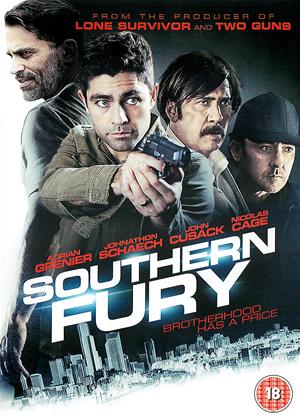
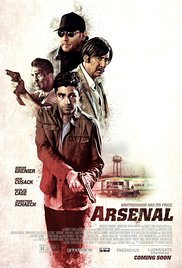
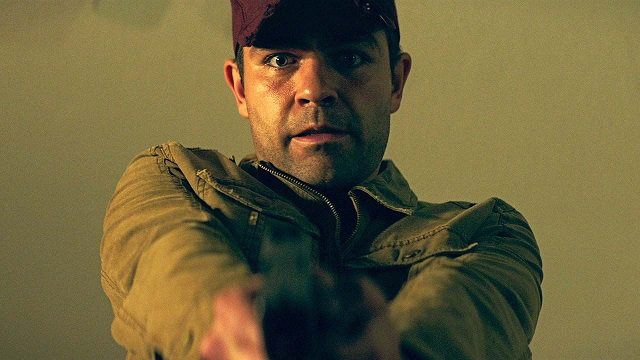
Today, I am going to be kicking off an entire month dedicated to the worst films of 2017. First up is the mostly overlooked Arsenal, featuring Nicolas Cage and John Cusack.

The plot of Arsenal is succinctly summarized on IMDb as follows:

A Southern mobster attempts to rescue his kidnapped brother.

The sole credited screenplay writer for Arsenal was Jason Mosberg, who currently has no other listed credits on IMDb.

The film was directed by Steven C. Miller, who also helmed Silent Night (the loose remake of Silent Night, Deadly Night), Marauders, and Extraction.

The cast of Arsenal includes Nicolas Cage (Ghost Rider, Drive Angry, The Wicker Man, Face/Off, Vampire’s Kiss, The Cotton Club, Snake Eyes, Army of One, Leaving Las Vegas, Raising Arizona, The Rock), John Cusack (Con Air, 1408, The Raven, Say Anything, The Ice Harvest, 2012, High Fidelity, Grosse Pointe Blank), Adrian Grenier (Entourage), and Johnathon Schaech (That Thing You Do, Prom Night, Road House 2).

The cinematographer for the film was Brandon Cox, who additionally shot the films Heist, The Collector, Extraction, and Marauders.

The editor for Arsenal was Vincent Tabaillon, who has cut such films as Taken 2, Now You See Me, The Incredible Hulk, Clash of the Titans, The Legend of Hercules, and Transporter 2.

The music for the film was composed by Scott Nickoley, who did extensive work for the television shows South Park, The Osbournes, and Clone High, and Ryan Franks, who provided the music for the film Bad Ass.

Arsenal was released in January 2017 by Lionsgate Premiere, a division of the larger Lionsgate production company which specializes in direct-to-streaming and on-demand releases.

The movie is interestingly a quasi-sequel to Deadfall, a mostly-forgotten 1993 crime film that also features Nicolas Cage as the character of mobster Eddie King. However, it is not clear if this was actually intended by the screenwriter, or something that Cage decided to do on his own, and was permitted by the production.

Arsenal was filmed on location in the gulf coast city of Biloxi, MS, and features a baseball game of the local minor league team, the Biloxi Shuckers. Biloxi is known primarily for its handful of casinos and resorts, as well as being the base of operations for the notorious Dixie Mafia.

Arsenal was released under a couple of alternate titles in international markets. The first is more than a little sensible, given the movie’s Mississippi setting: Southern Fury. The other title, however, really boggles the mind: Philly Fury. I’d love to know who thought that this alternate title was even remotely accurate, or why they thought it would have appealed to international viewers.

The reception to Arsenal was overwhelmingly negative: it currently holds an IMDb user rating of 4.0/10, along with Rotten Tomatoes scores of 4% critics and 20% from audiences.

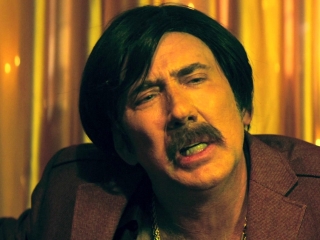
Arsenal, unfortunately, is one of those dreadful films that suffers from not having quite enough Nic Cage to be fun, but also having too much of him to be taken seriously.  Part of the problem is that Cage isn’t given the room to be truly crazy: he doesn’t have much screen-time, and his few sequences are far too brief for him to get cooking. In his one-star review for RogerEbert.com, Simon Abrams writes the following:

it’s hard to say what kind of performance Cage is trying to deliver since director Steven C. Miller frequently cuts Cage off before he can get going. Cage…is a scene-stealer even when he’s over-acting, like a car wreck that keeps finding ways to explode…But because he’s never allowed to cut loose, “Arsenal” never comes to life.

When Cage is given sufficient time on screen and enough slack in his chains, he tends to do something memorable (for better or worse). Arsenal is a movie that desperately needed some element to stand out and inject energy into the story, which is exactly what Cage excels at. However, it seems that Miller just couldn’t figure out how to use him and his strange, dark powers to elevate the movie.

That said, Nicolas Cage is by no means the problem with Arsenal. His performance is weird and unintelligible, to be sure, but he is hardly a fatal element here. The biggest issue, in my eyes, is the screenplay, provided by first-time scribe Jason Mosberg. As you might expect from a rookie screenwriter, Arsenal lacks a lot of the finer touches: elements like the rhythm and pacing just feel off, for instance. The dialogue isn’t terrible, though it is doesn’t really ring as organic either: it mostly just serves the purpose of moving the story along, rather than rounding out characters. The result of all of this is that the story moves its way along slowly, and it is notably difficult to identify with and invest in the cast of characters along the trek.

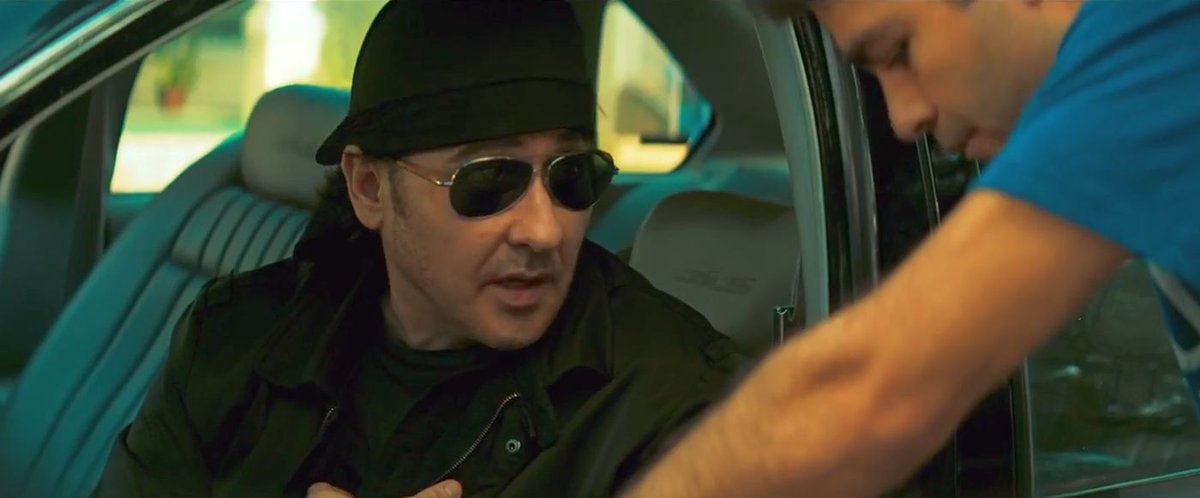
Beyond Nicolas Cage, the rest of the cast isn’t much to write home about either. John Cusack, for the few minutes that he shows up, sleepwalks through his role, and even looks like he is actively trying not to be recognized (always in a pair of sunglasses and a hat). Adrien Grenier, who is perplexingly the lead of the movie, just doesn’t work as an engine for a film. He is a guy who can typically slot in well in a supporting role, ideally with some kind of comedic material. Part of why he worked well in Entourage is because, somewhat ironically, he was always in a supporting role to the people around him, and didn’t have to bolster the weight of the story himself.

One of my personal pet peeves with b-movies is the uninspired and excessive use of slow motion sequences. The big A-list films tend to make decent use of slow-motion: think of Dredd or 300, where the effect is used to either cleverly imitate the effect of a drug, or enhance a memorable image that would otherwise have been lost in the action. Likewise, the more recent X-Men films have managed to use slow-mo to showcase the perspective of a speedster. These are all interesting ways to use slow-mo that fit an artistic or story-related purpose. In Arsenal, and many movies like it, slow motion sequences are included for seemingly no reason: whenever something sudden or violent happens, the action is just slowed down. The resulting images may be spattered with gore, but they are far from iconic or artistically composed. I suppose the effect is supposed to give the events more weight or gravity, but the result is usually that the movie just slows down, which doesn’t do the poorly-paced screenplay any favors.

Overall, I don’t think that Arsenal is necessarily any more or less than your typical straight to video feature. Honestly, I think the biggest reason that it attracted the critical flak that it did came from the top-heavy cast. However, it is hard not to feel that some real potential was wasted here. I still think that both Cusack and Cage have gas left in the tank, and could make for an interesting on-screen combo again. However, they really need to be in more capable hands (of both a screenwriter and director). Ultimately, the point of Arsenal was clearly to put recognizable faces on a cheap and utilitarian product, and in that regard it succeeded. The fact that anyone watched the movie or is talking about it is proof of the production’s (relative) success.

All of that said, there is absolutely no way that I could recommend this movie. It may be “successful” in purely financial terms, but it is still roughly as boring as watching paint dry. The pain of seeing Cusack and Cage so under-utilized just makes it all the worse, and more than justifies its reputation as one of the worst films of 2017.


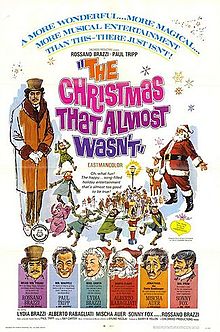
The Christmas That Almost Wasn’t

The Christmas That Almost Wasn’t

In the spirit of the season, today I am going to take a look at the infamous 1966 holiday movie, The Christmas That Almost Wasn’t.

The plot of The Christmas That Almost Wasn’t is summarized on IMDb as follows:

Santa has to get a job as Santa to earn money to pay his overdue rent bill.

The Christmas That Almost Wasn’t was co-written and directed by the Italian actor Rossano Brazzi, who appeared in movies like The Italian Job, Final Justice, and South Pacific. However, his directing credits were very limited, and is best remembered for his works as an actor.

The movie was based on a book of the same name written by Paul Tripp, a children’s author and musician best known for the song “Tubby the Tuba”. Not only did he adapt The Christmas That Almost Wasn’t to the screen himself, but he also portrays the lead role in the film.

The music for The Christmas That Almost Wasn’t was provided by Bruno Nicolai, who composed music for for well over 100 features over his career, including Caligula, X312: Flight To Hell, and Django Shoots First. However, his more distinguished credits are as a conductor: he performed music for such films as Django, For A Few Dollars More, The Good, The Bad, and The Ugly, The Battle of Algiers, The Cat O’ Nine Tails, and Waterloo.

In 2017, The Christmas That Almost Wasn’t was featured in the eleventh season of Mystery Science Theater 3000, where it was mocked by the show’s hosts.

In an episode of The Simpsons, specifically season 12’s “Skinner’s Sense of Snow”, a parody of The Christmas That Almost Wasn’t is briefly shown on a television, titled The Christmas That Almost Wasn’t, But Then Was.

Even though the actors spoke their lines in English, there was no recording done on set, and everyone was dubbed over by other actors to avoid Italian accents. The only exception was the director, Rossano Brazzi, who recorded his character’s dialogue himself.

The Christmas That Almost Wasn’t currently holds an unenviable 4.2/10 IMDb user rating, which likely has its featuring on Mystery Science Theater 3000 in large part to thank for that.

Not unlike the similarly silly Christmas-themed bad movie classics Santa Claus Conquers The Martians and Santa Claus (1959), The Christmas That Almost Wasn’t is mostly ridiculous in how over-the-top its plot is. However, it is also just a goofy, utterly harmless little movie, that is endearing in how simple it is. Its internal logic is wholesome and childlike on a level that few stories can really touch: it sounds and feels like it might have even been written by a child.

The odd combination of the whimsy of Santa Claus with the harsh reality of financial inequality and greed is a weird mixture at the core of the movie to be sure, but it always feels grounded on the side of naivete. That said, the very premise of saddling Santa with real-world problems feels almost a tad like heresy: Santa is inherently supernatural and separate from the real world, and suggesting otherwise always turns a bit weird in movies in my opinion.

Probably due to the extensive use of dubbing, The Christmas That Almost Wasn’t just looks and feels like a poorly translated foreign film. The mannerisms certainly add a lot to that as well, but there is an undeniable charm to watching a badly dubbed old movie. As someone who is a big fan of English-dubbed Godzilla movies, I have an admitted soft spot for bad dubbing in movies, so it was kind of a plus in my book.

Overall, I think there are definitely better bad Christmas movies to watch out there. However, if this one happens to pop up on you, it is totally worth sitting through. It might not merit seeking out, but it is hardly painful.

Worst Movies of 2017

Howdy loyal followers! As you are well aware, we are just about to put another year behind us. With 2017 coming to an end, I wanted to, once again, shine a spotlight on the publicly perceived worst films of the year.

I want to re-emphasize that this is a list I generated based on public perception, and not objective quality. I chose to measure this by compiling 11 currently published year-end “Worst of 2017” lists (from sources like The AV Club and The Chicago Tribune), then I tallied up how often each film appeared. It is a pretty simple and data-driven way to make this sort of list, and gives a rough idea of how widely despised individual films were.

As with last year, there was no consensus between the various “Worst of 2017” lists. Between the 11 ranking lists I initially pulled movies from, I wound up with roughly 70 different films with at least one tally, which included some obviously contentious, contrarian picks like Phantom Thread and The Killing of a Sacred Deer. For the sake of brevity, I’m only listing out movies here that appeared on more than 2 lists, but if you want to see the final version of my spreadsheet with all of the tallies and sources used, you can find it here.

Once again, there was no consensus pick for the worst picture of 2017. Last year, the most consistently reviled movie (Independence Day: Resurgence) was on 10/14 rankings, which crunches out to just under 72%. The fact that the closest thing to an agreed “worst movie of the year” failed to land a vote on 28% of lists certainly says something about either a variety of tastes, or a competitive field of bad movies. This year was no different: the highest vote-getter only barely squeaked by a tight pack of contenders, and received votes on only 7/11 lists (63.6%).

Without further ado, here are the publicly perceived worst movies of 2017:

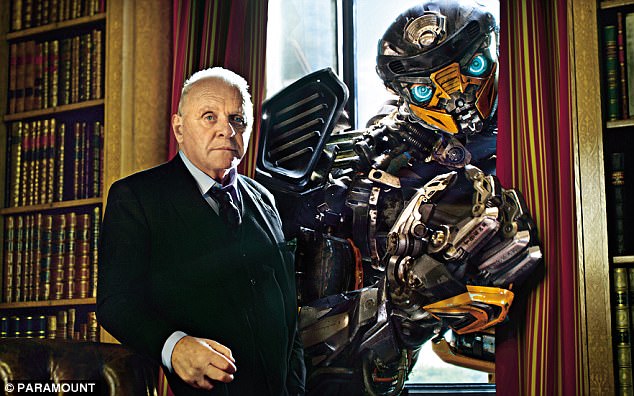
  1. Transformers: The Last Knight
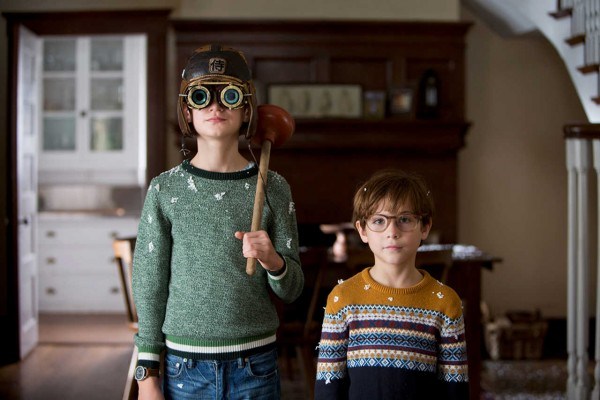
  2. Book of Henry / 50 Shades Darker / The Emoji Movie
  3.  The Mummy / Baywatch
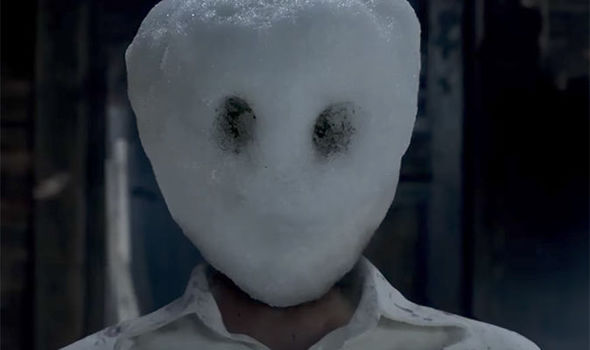
  4. The Great Wall / King Arthur / Chips / The Snowman / Geostorm
  5.  The Dark Tower / Flatliners / Rings / Suburbicon 

Are there any movies that you expected to see that didn’t make the cut? Let me know in the comments!

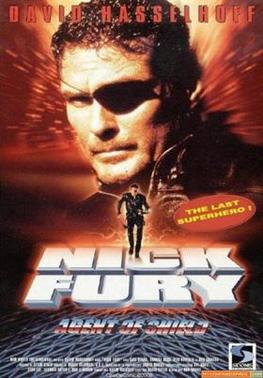
Nick Fury: Agent of S.H.I.E.L.D.

Nick Fury: Agent of S.H.I.E.L.D.

Today, I’m going to look at one of the most notorious pre-MCU Marvel comics adaptations: Nick Fury: Agent of SHIELD, starring David Hasselhoff.

The plot of Nick Fury is summarized on IMDb as follows:

Marvel’s hard-boiled hero is brought to TV. He is brought back to fight the menace of Hydra after exiling himself in the Yukon since the end of the Cold War. The children of the former Hydra head, Baron Von Stucker, have taken charge of the terrorist organization. Under the lead of his vicious daughter, Viper, Hydra has seized a deadly virus and threatens the destruction of America. The covert agency SHIELD brings Fury out of retirement to fight the terrorists.

The character of Nick Fury was created by the legendary Marvel comics duo of Stan Lee and Jack Kirby. He first appeared in May 1963’s Sgt. Fury and his Howling Commandos #1, a World War II war series. However, his modern incarnation as a SHIELD secret agent and spy began with Fantastic Four #21 in December of 1963.

Nick Fury: Agent of SHIELD was written by David S. Goyer, who is now a proven blockbuster screenwriter with credits like Man of Steel, Batman Begins, The Dark Knight, Ghost Rider: Spirit of Vengeance, Batman V Superman: Dawn of Justice, Dark City, and the Blade trilogy. Earlier in his career, however, he penned low budget flicks like The Substitute, Demonic Toys, Kickboxer 2, and The Puppet Masters.

Nick Fury was directed by Rod Hardy, who did a lot of television work over his career, including stints on The X-Files, JAG, Burn Notice, Supernatural, The Mentalist, and Leverage.

The central cast of the film is made up of television legend David Hasselhoff (Baywatch, Baywatch Nights, Knight Rider, Starcrash), Lisa Rinna (Days Of Our Lives), Sandra Hess (Mortal Kombat: Annihilation, Beastmaster 3), Neil Roberts (Charmed, The Second Civil War), and Ron Canada (Pinocchio’s Revenge, National Treasure, Cinderella Man).

The editor for Nick Fury was Drake Silliman, who also cut Tremors 3, The Christmas Shoes, The Sisters, and did extensive editing work on television shows like Law & Order and Beauty & The Beast.

The musical score for the film was provided by Gary Lionelli (OJ: Made In America, Luck, Dexter’s Laboratory, The Real Adventures of Johnny Quest) and Kevin Kiner (Star Wars: Rebels, Hell On Wheels, Jane The Virgin, Making A Murderer, Leprechaun, Carnosaur 3, Tremors 3). However, Lionelli’s work is interestingly not credited.

A number of the prominent characters in Nick Fury: Agent of SHIELD have since appeared in the modern Marvel Cinematic Universe: Arnim Zola has been played by Toby Jones (Captain America: The First Avenger, Captain America: The Winter Soldier), Baron Strucker has been played by Thomas Kretschmann (Avengers: Age of Ultron, Captain America: The Winter Soldier), and Nick Fury himself has been played by Samuel L. Jackson (Avengers: Age of Ultron, Agents of SHIELD, The Avengers, Captain America: The Winter Soldier, Captain America: The First Avenger, Thor, Iron Man 2, Iron Man).

Nick Fury currently holds an unenviable IMDb user rating of 3.7/10, along with a 16% audience score on Rotten Tomatoes, and stands as one of the least-seen and most-reviled Marvel comics adaptations.

To be perfectly honest, I’m not sure why Nick Fury is so reviled. Particularly thanks to David Hasselhoff and Sandra Hess, who are having an absolute blast hamming up their respective roles, I found this film to be a cheesy but entertaining throwback to classic spy-centric action movies, kind of like Escape From New York and the Roger Moore James Bond years in a blender. The low budget might not have done it any favors, but the action is still palatable, if a bit hokey in its execution.

One of the odd strengths of Nick Fury is the consistently silly dialogue, which I think transcends the border into effective self-parody. I thought that this was a screenplay that was written with an awareness of its dated material, and used it to its advantage. Hess’s accented one-liners and Hasselhoff’s excessive “tough-guy” showboating all make a lot more sense if you look at the film through the lens of light parody and pastiche, rather than as an earnestly-constructed action flick. Likewise, the overly sentimental and unnecessary romantic subplot (acted out by a soap opera alum, no less) is hard to take seriously, specifically because it isn’t supposed to be.

Nick Fury is without a doubt cheesy and cheap, but I also think that it is exactly what it should have been: a story aware of how misplaced in time it is, that revels in its genre cliches. From what I can tell, a whole lot more people dislike this movie than have actually seen it, which is a damn shame. It isn’t a masterpiece by any means, but it is a fun send up of the sillier Cold War era spy thrillers. By today’s Marvel standards, it would be a massive disappointment, but at the time, this was probably one of their better outings (next to 1989’s The Punisher, of course, which is magnificent).

If you can get into a cheesy action flick, I think there is something to enjoy with Nick Fury (provided you take it all with a grain or two of salt). For bad movie aficionados, this is one that is worth digging up in my opinion, and is in dire need of popular re-appraisal.

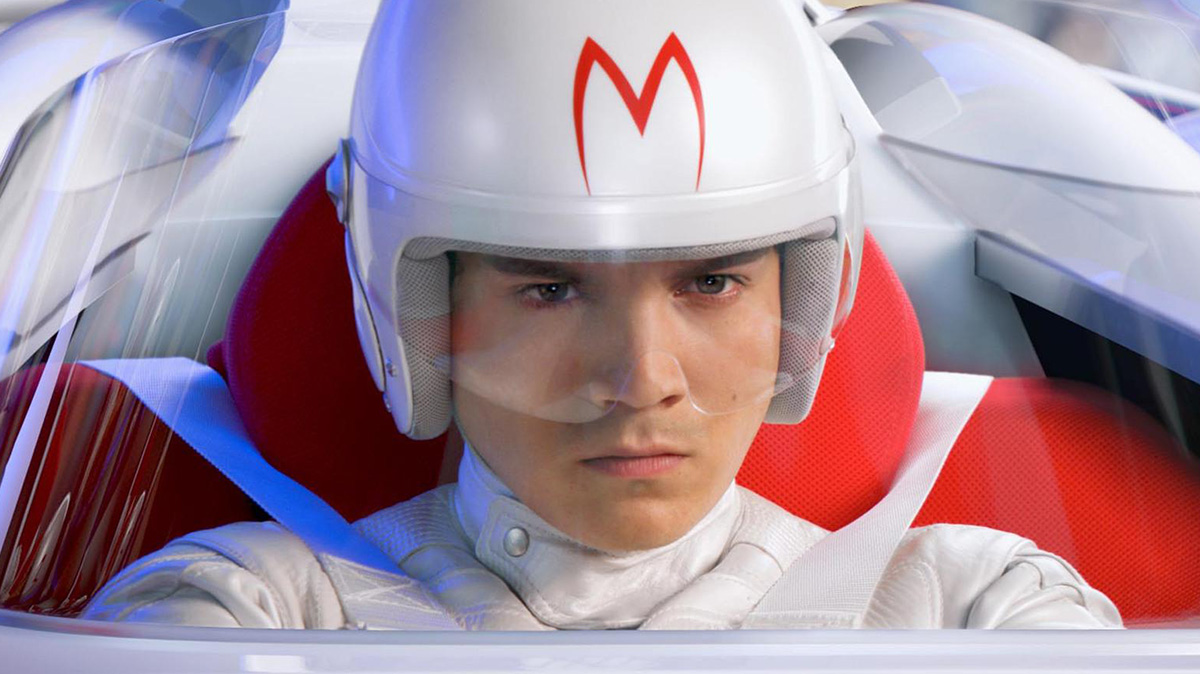
Speed Racer

Speed Racer

Today, I’m going to take a look at 2008’s divisive, live action film adaptation of Speed Racer.

The plot of Speed Racer is summarized on IMDb as follows:

A young driver, Speed Racer, aspires to be champion of the racing world with the help of his family and his high-tech Mach 5 automobile.

Speed Racer was written and directed by the duo of Lana and Lilly Wachowski, who are best known for The Matrix trilogy, Jupiter Ascending, Cloud Atlas, and the television series Sense8.

The central cast of Speed Racer includes Emile Hirsch (Into The Wild, Milk, Killer Joe), Susan Sarandon (Thelma & Louise, Igby Goes Down, The Rocky Horror Picture Show, Bull Durham), John Goodman (10 Cloverfield Lane, The Big Lebowski, Blues Brothers 2000, Barton Fink, Matinee, King Ralph, The Flintstones), Christina Ricci (Monster, Black Snake Moan, Casper, The Addams Family), Matthew Fox (Bone Tomahawk, Lost, Alex Cross), and Rain (I’m A Cyborg, But That’s OK).

The cinematographer for the film was David Tattersall, whose other credits include Tooth Fairy, Next, The Green Mile, Soldier, Con Air, The Matador, Die Another Day, and Theodore Rex, among others.

Speed Racer employed the work of two primary editors: Zach Staenberg (Bunraku, Ender’s Game, Lord of War, Police Academy, The Matrix) and Roger Barton (The Grey, The A-Team, Bad Boys II, Ghost Ship, Pearl Harbor).

The musical score for Speed Racer was composed by Michael Giacchino, who also provided music for Doctor Strange, Rogue One, Jurassic World, Super 8, Ratatouille, Up, and John Carter.

The designer for the production was Owen Paterson, who has done work on such visually distinct films as The Matrix, Gods of Egypt, The Green Hornet, Red Planet, and V For Vendetta.

Keanu Reeves, whose career was resurrected by the Wachowskis’ The Matrix, turned down the role of Racer X in Speed Racer. Other alternative casting rumors about the production include that Kate Mara was at one point considered for Trixie, and the lead role of Speed could well have gone to Joseph Gordon-Levitt, Zac Efron, or Shia LaBeouf.

There were multiple attempts to make a film adaptation of Speed Racer over the years prior to the Wachowskis’, dating back to the early 1990s. Various planned incarnations were set to feature Nicolas Cage, Johnny Depp, and Vince Vaughn over that time period, with Alfonso Cuaron, Hype Williams, and Julien Temple all being attached to direct the film at one point or another.

PETA, the contentious animal rights organization, claimed that the production of Speed Racer engaged in animal cruelty. This was confirmed by the American Humane Association Animal Safety Representative who worked on the set: specifically, there was an incident where the animal trainer hit a chimpanzee in retaliation for biting an actor.

Speed Racer has the unenviable claim of receiving a Golden Raspberry nomination, which are given out to the worst films and performances of a given year. In this case, it was nominated in the category of Worst Prequel, Remake, Ripoff, or Sequel, but lost out to Indiana Jones and The Kingdom of the Crystal Skull.

The reception to Speed Racer was fairly mixed: it currently holds Rotten Tomatoes scores of 39% from critics and 60% from audiences, along with an IMDb user rating of 6.0/10. Financially, however, it did not far well at all: on a production budget of $120 million, it took in an international lifetime box office gross of just $93.9 million.

On April 1, 2017, Jon Humbert of The Hollywood Reporter published a defense of Speed Racer, which included the following:

An editing and compositing master class, each shot of Speed Racer lingers for mere flashes, with overlaid background and foreground action. It’s clear the directors are playing up the manga and animated style — and translating that to film as best as possible…Admittedly, outlandish costumes and absurd colors clash with “so expensive it’s bad CGI” — creating a visual mess at times…which isn’t entirely a bad thing. It’s just its own thing.

In general, I agree with Humbert’s assessment of Speed Racer. I think that the Wachowskis did one of the better jobs of translating the style of manga and anime to the screen in a live action format. While the CGI isn’t perfect by any means, and some sequences suffer from visual overload, the movie is all uniform enough that even the rougher sequences hold together adequately. Also, when compared to something like Transformers, the visuals actually compare pretty well: in general, it is clear to the audience what is happening at any given moment, unlike in the other franchise.

The reason that I decided to take a look back at Speed Racer to begin with was because of a video essay by Patrick H. Willems, a YouTuber who generally makes some insightful and interesting stuff. In his essay, he compares and contrasts the styles and color palettes of Speed Racer with traditional superhero movies like Civil War and The Dark Knight, and talks at length about the modern trend of realism in non-realistic movies. He makes a number of good points: namely, that Speed Racer‘s colors and vibrancy don’t detract from its emotional core. Basically, it doesn’t have to be realistic to be identifiable. Speed Racer is unique and interesting as a result of shirking the accepted norms of realism, which is why it still stands out from the pack of blockbusters visually and stylistically nearly a decade later.

Something that definitely stood out more on a re-watch were the smooth and creative transitions that are used throughout the film. A lot of the techniques that are used in Speed Racer are lauded when employed by someone like Edgar Wright. In fact, I think a direct line can be traced between Speed Racer and Scott Pilgrim vs The World. While that doesn’t make up for some of Speed Racer‘s drawbacks, such as its terrible comic relief, shallow characterizations, and less-than-thrilling story, I think the visual craft of the film makes it worth a second look and reassessment on its own.

In regards to those stated drawbacks, they are a bit tricky in their own right. It can be argued that the comic relief is accurate to the source material: the same goes for the weak characters and plot. I suppose it is a matter of perspective: if something is bad in the source material, should it be changed for an adaptation, or kept in tact for the sake of accuracy? Personally, I could have done with a whole lot less of the kid and monkey shenanigans, but the plot and characters make sense to me to keep as they are.

When it comes down to it, Speed Racer is (and should be) all about the races: to the movie’s credit, that is exactly what the Wachowskis executed. The track set pieces are absolutely electric, and the races are gripping, which is what the movie should have always been about. All of the issues that I hear pointed out about it, outside of the complaints about the occasional moments of visual clutter, are about the fringes of the film. As annoying as the kid and monkey are, they are never front and center. Likewise, the plot is far secondary to the spectacle.

Speed Racer is not a great movie. It may not even be a good movie. However, it is a creative and interesting movie, that may be the best example we have of what the Wachowskis’ innovative concepts in high gear look like when things generally go right. At the very least, I think it is worth another look, particularly in our current era of drab blockbusters. I think that, similar to Batman & Robin, Speed Racer probably came along at the wrong time: it may have been a successfully executed vision, but it isn’t a vision that people wanted.

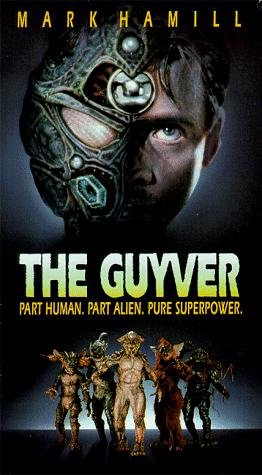
The Guyver

The Guyver

Today, I’m going to take a look at the bizarre live action manga adaptation, The Guyver.

The plot of The Guyver is described on IMDb as follows:

A young man discovers a mechanical device that merges with his own body, turning him into a cyborg superhero. When strange creatures start appearing, trying to take the device back, he begins to uncover a secret plot to genetically engineer terrifying monsters.

The source material for The Guyver is the manga series Bio Booster Armor Guyver, which was created by Yoshiki Takaya. The series first debuted in a serialized format in 1985, as part of the magazine Shonen Captain.

The Guyver had two directors, who both had extensive careers as special effects and makeup artists: Screaming Mad George, whose credits include Predator, Space Truckers, Children of the Corn III, The Dentist 2, Jack Frost, and A Nightmare On Elm Street 3,  and Steve Wang, who worked on DeepStar Six, Harry and the Hendersons, The Monster Squad, Arena, and Hell Comes To Frogtown. However, neither man had any significant directing experience at the time. Years later, Wang directed 1997’s Drive and one episode of Power Rangers: Lost Galaxy, but neither man has done much in the way of directing outside of that.

The cast for the film included Mark Hamill (Slipstream, The Big Red One, The Flash, Batman: The Animated Series, Star Wars), Jeffrey Combs (Re-Animator, The Frighteners, From Beyond, Doctor Mordred, Castle Freak, Fortress), David Gale (Re-Animator, Bride of Re-Animator), Michael Berryman (The Hills Have Eyes), Linnea Quigley (Witchtrap, Night of the Demons, Return of the Living Dead), Vivian Wu (The Last Emperor, Teenage Mutant Ninja Turtles III), and Jack Armstrong (Days of Our Lives, The Bold and The Beautiful, All My Children).

The cinematographer for The Guyver was Levie Isaacks, whose other shooting credits include The Dentist, Texas Chainsaw Massacre: The Next Generation, Leprechaun, and Children of the Corn II.

The Guyver had two primary editors: Andy Horvitch (The Wonderful Ice Cream Suit, Stuck, Arena, American Ninja, The Pit and The Pendulum, Beeper, Demonic Toys, Edmond) and Joe Woo Jr., who was an assistant editor on The Fog, The Abyss, The Beastmaster, First Knight, Tuff Turf, and The New Adventures of Pippi Longstocking.

One of the producers for the film was Brian Yuzna, a renowned horror director and producer who is known for working on films like Re-Animator, From Beyond, Dolls, Dagon, The Dentist, and The Dentist 2, among others.

The Guyver received a sequel in 1994, titled Guyver 2: Dark Hero. This iteration was directed solely by Steve Wang, and had a markedly darker tone than the first film. It was also far better received than its predecessor, and is a bit of a cult movie in its own right.

The source manga, Bio Booster Armor Guyver, has been adapted a number of times over the years. On top of this live action film and its sequel, it was turned into a 2005 26-episode anime series, a 1989 12-episode OVA series, and a short 1986 OVA titled Guyver: Out of Control.

If there is anything that can be said about The Guyver, it is that it is a movie filled with unique and ambitious effects. Honestly, the effects work here looks like stuff that you would find a much higher budget feature: these guys clearly knew what they were doing when they made these suits, and they look pretty impressive, particularly for a cheap movie.

One of my favorite aspects of The Guyver is that it is populated with lots of recognizable b-movie character actors, likely due to the directors’ connections from other productions, and the influence of Brian Yuzna. Guys like Jeffrey Combs and David Gale just know how to ham up a performance, and can add a lot to depth roles in a cast.

Live action movies with manga or anime source materials face distinct issues of tone and style, and The Guyver is no exception. It is by no means as weird and awkwardly done as Ricki-O: The Story of Ricki, but there are definitely some characters and dialogue moments that probably fit right in on the page, but didn’t translate quite right to live-action. Exaggerated motions and behaviors come off as particularly slapstick when acted out, as opposed to when they are drawn, which causes more tonal whiplash than when sequences are animated. For The Guyver, those comedic elements offset a style that should be more purely horrific, and the contrast creates a lot of jarring discord that just doesn’t belong on screen, even if it flowed well on the page. The best example of this is the first Guyver transformation, in which a goofy street gang harasses and cracks jokes at the protagonist, before they are quickly dispatched. Their antics belong in a Saturday morning cartoon, rather than a body horror superhero flick, and they cheapen the impact of the initial transformation sequence.

Overall, I think The Guyver is worth checking out, if only for the effects. Particularly for b-movie fans, the cast here is kind of a delight as well, even if the screenplay is a bit lacking. As I understand, the sequel is actually quite a bit better, and deals with a lot of the tonal issues that bothered me with this one, so I may check that out soon and cover it here.

Samurai Cop

Samurai Cop

Today, I am going to take a look at a cult favorite in the realm of bad movies: 1991’s Samurai Cop.

The plot of Samurai Cop is summarized on IMDb as follows:

Joe Marshall and Frank Washington are two police detectives who must stop the ruthless activities of the Katana, a renegade Yakuza gang composed of violent and sadistic killers who want to lead the drug trade in Los Angeles.

Samurai Cop was directed, written, produced, and co-edited by Amir Shervan, whose other features include the similarly low-budgeted Hollywood Cop, Killing American Style, and Young Rebels.

The cast of the film includes Robert Z’Dar (Maniac Cop, Maniac Cop 2, Maniac Cop 3, Tango & Cash, Soultaker), Mark Frazer (Samurai Cop 2), Mathew Karedas (Samurai Cop 2, American Revenge), Melissa Moore (Sorority House Massacre II), Gerald Okamura (Big Trouble In Little China), and Cranston Komuro (Samurai Cop 2).

The ridiculously catchy music for Samurai Cop was provided by Alan DerMarderosian, who also composed music for the equally infamous Hobgoblins, as well as Killing American Style, Mind Trap, Terror In Beverly Hills, and Vice Academy.

In 2015, due to the film’s raised profile and cult status, Samurai Cop received a fan-funded sequel in the form of Samurai Cop 2: Deadly Vengeance, which featured a number of the cast members from the original movie.

Initially, Samurai Cop did not receive any kind of theatrical release. However, Rifftrax simulcasted a screening of the movie to numerous movie theaters for a live show in April of 2017.

Matt Hannon, who plays the titular character, cut his distinctly long hair as soon as he wrapped shooting for Samurai Cop. However, the production ultimately required reshoots, for which he had to wear an ill-fitting and not-at-all convincing wig, which stands out notably in the few sequences where it appears.

Samurai Cop received its initial DVD release in 2004, but gained a significantly higher profile after an additional DVD release in 2013 by Cinema Epoch, which was followed up by a blu-ray release in the subsequent year.

As with many cheap productions, the team behind Samurai Cop didn’t record any sound on set. Thus, nearly all of the dialogue was recorded after the fact as ADR (automated dialogue replacement). This is at times jarring, thanks to the lack of any ambient noise or music beneath many of the vocal tracks, as well as the awkward line readings from the actors. On top of that, a number of the actors didn’t return to record lines, leading to their characters being dubbed by other voices, or exact lines of dialogue being used multiple times.

It is hard to conjure up any positive traits of Samurai Cop, given it is one of the most incompetently crafted movies of all time. However, I will say that the music, when it decides to show up, it pretty damn catchy. Unfortunately, the baffling editing leaves the majority of the movie in silence.

Speaking of which, this may be the worst edited movie I have ever seen. Not only are there plenty of jarring cuts, but events don’t cohesively tie together, dialogue doesn’t line up with mouth movements or on-screen actions, reaction shots pop up at random in the middle of sentences, and trying to figure out what exactly is going wrong in any given scene is a lost cause.

That is not to say that all of the problems of Samurai Cop boil down to editing. These are, without any doubt, bad performances from the top of the cast to the bottom. However, what really makes the performances in Samurai Cop uniquely bad is the awkward ADR recording: the line reads are stilted and weirdly emphasized, and when that is combined with the bad syncing, the result is down-right comedic.

That said, it is hard to put all of the blame on the actors: they have to have something to work with, after all. In the case of Samurai Cop, I would be fascinated to see a copy of the screenplay, if one ever existed. If the editing comes off as confusing, I can’t imagine how perplexing it was to read this material on the page.

Overall, Samurai Cop is a sort of perfect storm of “doing it wrong.” Most bad movies have redeeming qualities: Samurai Cop is a rare flick that is bottom-of-the-barrel in every perceivable category of storytelling and filmmaking, and that makes it something unique. However, somehow, the result isn’t painful in the slightest. Samurai Cop is an absolute delight, and never fails to entertain me on a re-watch. It manages to really get cooking in the action sequences, and the weird performances manage to keep even the lulls in the screenplay oddly captivating.

For bad movie fans, I think Samurai Cop is a staple of the genre. For even casual audiences, I think this is a movie worth checking out, just for how surreal its awfulness is.

Sphere

Sphere

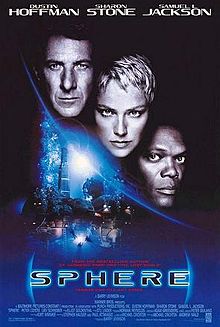
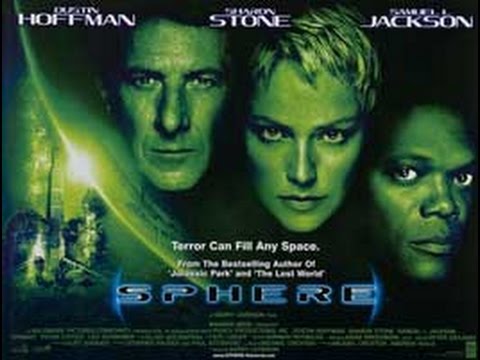
Today, I’m going to cover the 1998 Michael Crichton adaptation, Sphere.

The setup for Sphere is summarized on IMDb as follows:

A spaceship is discovered under three hundred years’ worth of coral growth at the bottom of the ocean.

The director for Sphere was Barry Levinson, who is known for movies like Wag the Dog, Sleepers, Toys, Rain Man, The Natural, Good Morning, Vietnam, and Bugsy.

Sphere is based on a novel of the same name by Michael Crichton, who was a well-known producer and director on top of being a best-selling author. Westworld, Jurassic Park, E.R., Congo, Twister, The 13th Warrior, Timeline, The Andromeda Strain, and many other prominent television shows and movies were either adaptations of his works, or were directly created for the screen by him.

While Crichton did occasionally provide screen treatments for his own novels, in the case of Sphere the adaptation work was done by Kurt Wimmer, who is best known for writing and directing the movies Equilibrium and Ultraviolet.

Additional screenplay credits were also given to Paul Attanasio, who has also written for films like The Good German, Donnie Brasco, Disclosure, Quiz Show, and The Sum of All Fears, and Barry Levinson’s former assistant, Stephen Hauser.

The cast for Sphere includes Dustin Hoffman (The Graduate, Rain Man, Marathon Man, Straw Dogs), Sharon Stone (Casino, The Quick and The Dead, Total Recall, Basic Instinct), Samuel L. Jackson (The Hateful Eight, Pulp Fiction, Jackie Brown, Django Unchained), Liev Schreiber (Spotlight, X-Men Origins: Wolverine, Goon), and Queen Latifah (Taxi, Chicago, Bringing Down The House, Stranger Than Fiction).

The cinematographer for the film was Adam Greenberg, who also shot movies like Rush Hour, North, Eraser, Ghost, Three Men And A Baby, Terminator 2: Judgment Day, Iron Eagle, and Near Dark.

The editor for Sphere was Stu Linder, whose other credits include cutting Quiz Show, Rain Man, Sleepers, Wag The Dog, and Toys, among others.

The musical score for the movie was composed by Elliot Goldenthal, who also provided music for the films Heat, Frida, Batman & Robin, Demolition Man, Alien 3, Pet Sematary, Batman Forever, Titus, Public Enemies, and Across the Universe, among others.

Sphere‘s production designer was Norman Reynolds, who also designed movies like Raiders of the Lost Ark, Return of the Jedi, The Empire Strikes Back, Alien 3, Mission: Impossible, and Return to Oz, and additionally served as art director for Star Wars – A New Hope, Superman, and Superman II.

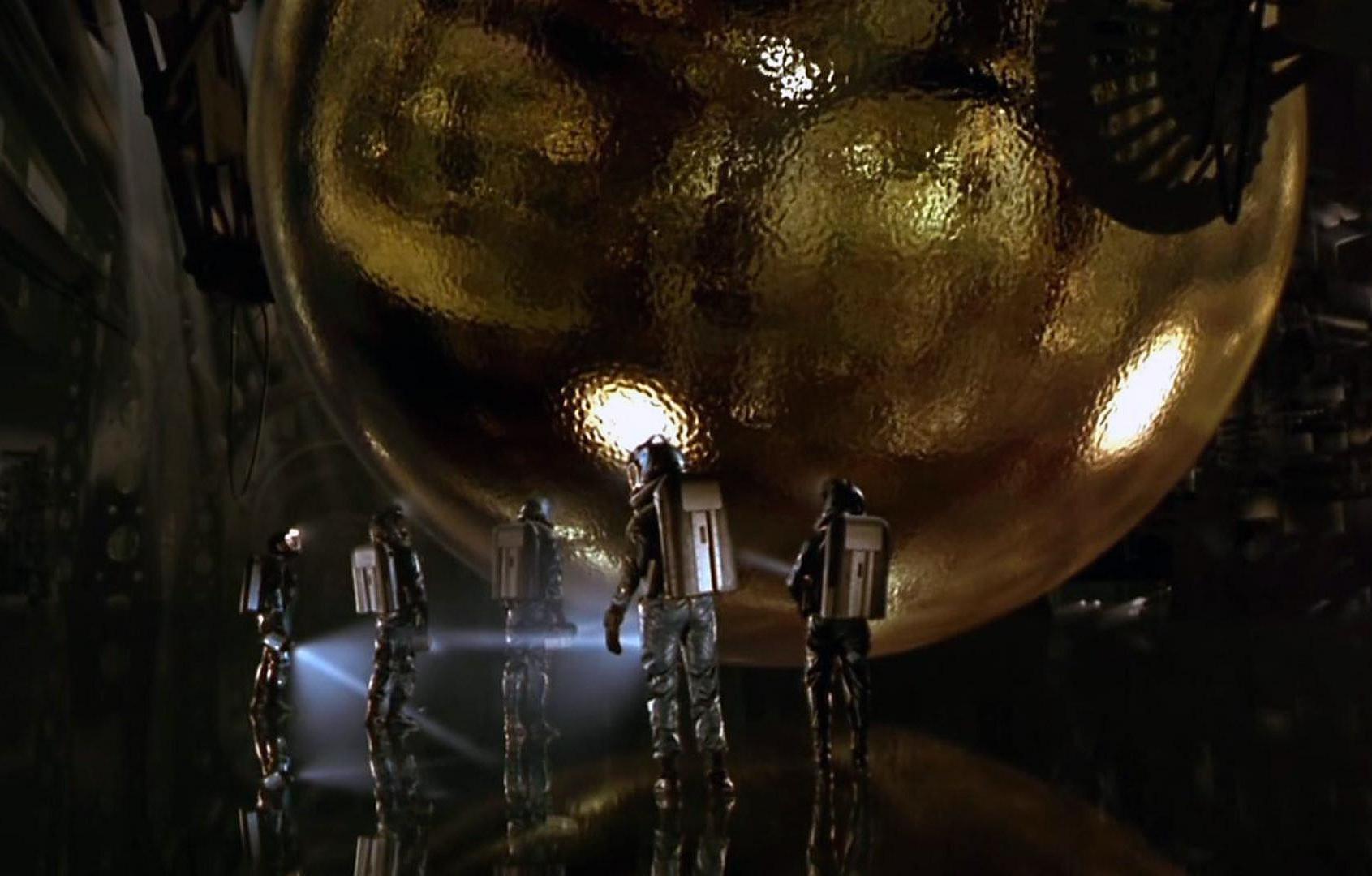
As with any adaptation, there are a number of details from the Sphere book that were changed for the film. Aside from the elimination of a few characters, the most interesting of these changes is actually the eponymous sphere’s coloration. In the book, it is silvery and chrome-like in appearance. Apparently, this was initially supposed to be the case on screen as well, but the decision was made for the sphere to be gold in the middle of the production, apparently for aesthetic reasons.

Interestingly, the ending of the movie was re-shot due to complaints from test audiences. While these sorts of changes are typically in response to petty complaints from fickle or shallow audience members, in this case, the change made the move more sensible. The initial cut failed to account for the decompression needed for the characters to acclimate from being in the far depths of the ocean, and test audiences didn’t buy it when the survivors made it to the surface.

Sphere grossed just over $50 million in its worldwide theatrical release. However, the production budget alone has been recorded as anywhere from $73 million to $80 million, making it a significant financial failure.

Unfortunately, the critical reception to the movie wasn’t any better: it currently holds Rotten Tomatoes scores of 12% from critics and 38% from audiences, along with an IMDb user rating of 6.0/10.

Personally, I think there are definitely some things to like about Sphere. For instance, Samuel L. Jackson is pretty damn good here, and is about as restrained, menacing, and cerebral as you’ll see him in anything. In general, the small cast puts out some solid performances. Aside from Jackson, Liev Schreiber is always a great supporter, and Stone does a serviceable job with her role. However, I think Hoffman doesn’t quite fit with the rest of the cast, and wasn’t the best choice to lead the film. I suspect that Levinson just likes working with him, and he was the most bankable name that was available to the production.

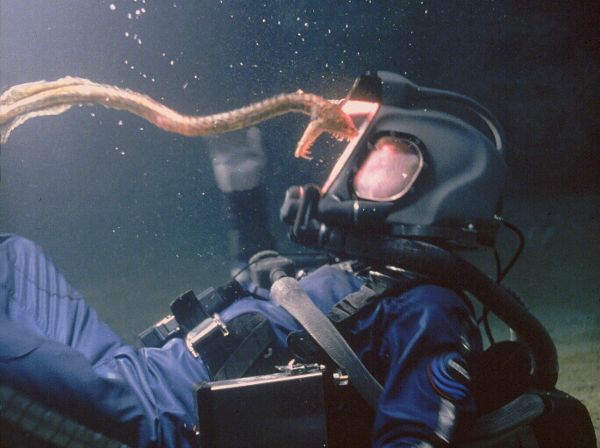
The biggest positive for the movie, however, it its design. The underwater facility just looks cool, and does a lot for the atmosphere of the film. Everything has a compelling science-fiction appearance, and it gets across the concept of the deep sea as a foreign world.

Likewise, I really like the concept for the story. I remember reading the book many years ago, and liking it quite a bit. The story is a bit surreal and highly psychological, which could have made for something compelling on screen. The book uses the high tension, claustrophobic setting to great effect, so there was certainly something for the film to work with. In the right hands, Sphere could be an effective science-fiction whodunnit, not unlike The Thing. At least, the blueprint was certainly there.

Unfortunately, in spite of the performances, the design, and a decent source, this movie is incredibly boring and forgettable. Honestly, it is a bit difficult to nail down exactly why. The whole movie feels a bit rushed, which makes it particularly difficult to get invested in the characters. At the same time, it is far from action-packed, so it is hard to say where all of the time goes. The movie certainly could have benefited from some character building sequences, as well as some better moments of sustained tension.

I think the biggest issue with the movie is that it was just put in the wrong hands. There’s nothing about Barry Levinson’s works that would indicate that he’d be a good fit for a psychological science fiction thriller. On top of that, the screenplay sounds like it was bounced around quite a bit, and probably suffered from that.

Overall, as I stated previously, Sphere is pretty forgettable. I do think that the source could make for a good sci-fi thriller someday, but this certainly isn’t it. With the recent television success of Westworld, I’m hopeful that people will start digging back through Crichton’s works, and will see the potential that was squandered with this iteration of Sphere.