Pitch:
“If you can handle a Troma movie, this is by far my favorite of theirs. It is about Satan hijacking a tour bus to take the souls of the passengers, but Jesus is in town and tries to stop them. I don’t think the director ever made any other movies, but it is one of my favorites.”
Background:
The box for “Fatty Drives the Bus” proudly claims that it is a “film so far underground that it is going to hell.” As you might expect, there isn’t a whole lot of information out there about this low-budget 1999 Troma-produced flick.
Writer/Director Mick Napier is apparently a well-known Chicago stage director and improvisor, who has worked extensively with Second City and founded Chicago’s “The Annoyance Theater.” He is particularly well-regarded for his comedy improvisation, and has written a book on the subject called “Improvise: Scene From the Inside Out”
All of that said, Napier doesn’t have a whole lot of experience working on screen. He has had minor roles in movies like “The Ice Harvest” as an actor, but his writing and directing has been primarily limited to “Fatty Drives the Bus” and the television series “Exit 57,” which featured now well-known talents like Stephen Colbert and Amy Sedaris.
The cast of “Fatty Drives the Bus” is made up of an assortment of comedic actors: I assume it was a sort of hodge-podge of whoever was available around Chicago at the time. It is pretty evident that this production didn’t have money behind it, so I doubt that anyone was being flown in to contribute.
As mentioned previously, “Fatty Drives the Bus” is distributed by the infamous outfit Troma Entertainment, through their Troma Team Video wing. Troma is known for Z-grade, tongue-in-cheek, crass productions like “The Toxic Avenger,” “Tromeo & Juliet,” and “Sgt. Kabukiman,” and perhaps more so for their charismatic, eccentric patriarch Lloyd Kaufman. When not creating eye-grabbing garbage movies, they also do a fair bit of distribution of Z pictures, as was the case with “Fattie Drives the Bus.” Personally, seeing the Troma seal on a movie typically turns me off: not only are their movies consistently of poor quality, but they are never made in earnest, which denies them the charm of other bad movies. Still, they certainly have their fans, making them a particularly divisive outfit in the world of bad movies.
However, because “Fatty Drives the Bus” was only distributed by Troma (not created by them), I am holding on to some optimism about this flick.
Review:
“Fatty Drives the Bus” definitely has similarities to the usual Troma fare, primarily in the fact that it sells itself on its title and outlandish plot. However, I think the content is far more similar to absurd comedies like “Tim & Eric Awesome Show, Great Job!” than the often physical and crass humor in most Troma flicks.
“Fatty Drives the Bus” is not a good movie in any conventional sense of the term, but there is some strange enjoyment to be had out of it. It is pretty clear that Napier has a great sense for comedy, and that the weaknesses of the movie have a whole lot more to do with inexperience behind a camera and what were almost certainly financial limitations for the project. For instance, the sound editing is particularly awful, and the pacing and editing through a number of sections is just bizarre, but not in what I assume was the intended way.
As far as the positives go, the hell segments have some pretty solid makeup effects, and it is evident from both the writing and the deliveries that everyone involved with the production knows comedy inside and out. However, the comedy here is a very specific brand that I don’t think would appeal to a whole lot of people. I enjoyed it well enough even though it isn’t exactly my preferred flavor of comedy, but I would have trouble recommending it to anyone else. The movie, first and foremost, is just damn weird, enough so to turn off just about anyone. The technical issues are also pretty glaring in a way that might annoy audiences, but there is some question as to whether it was all intended in order to emphasize the atmosphere. I’m usually skeptical of that kind of ad hoc justification for quality issues, so I am not going to run with that assumption.
If you are into absurd humor in the style of “Tim & Eric”, this might be a movie up your alley. However, it certainly isn’t as well crafted as “Tim & Eric,” and you generally shouldn’t expect anything of quality outside of the humor. For anyone else, I would advise avoiding “Fatty Drives the Bus.” That shouldn’t be particularly hard, though, as this one isn’t likely to be sitting on a shelf anywhere near you.
Pitch:
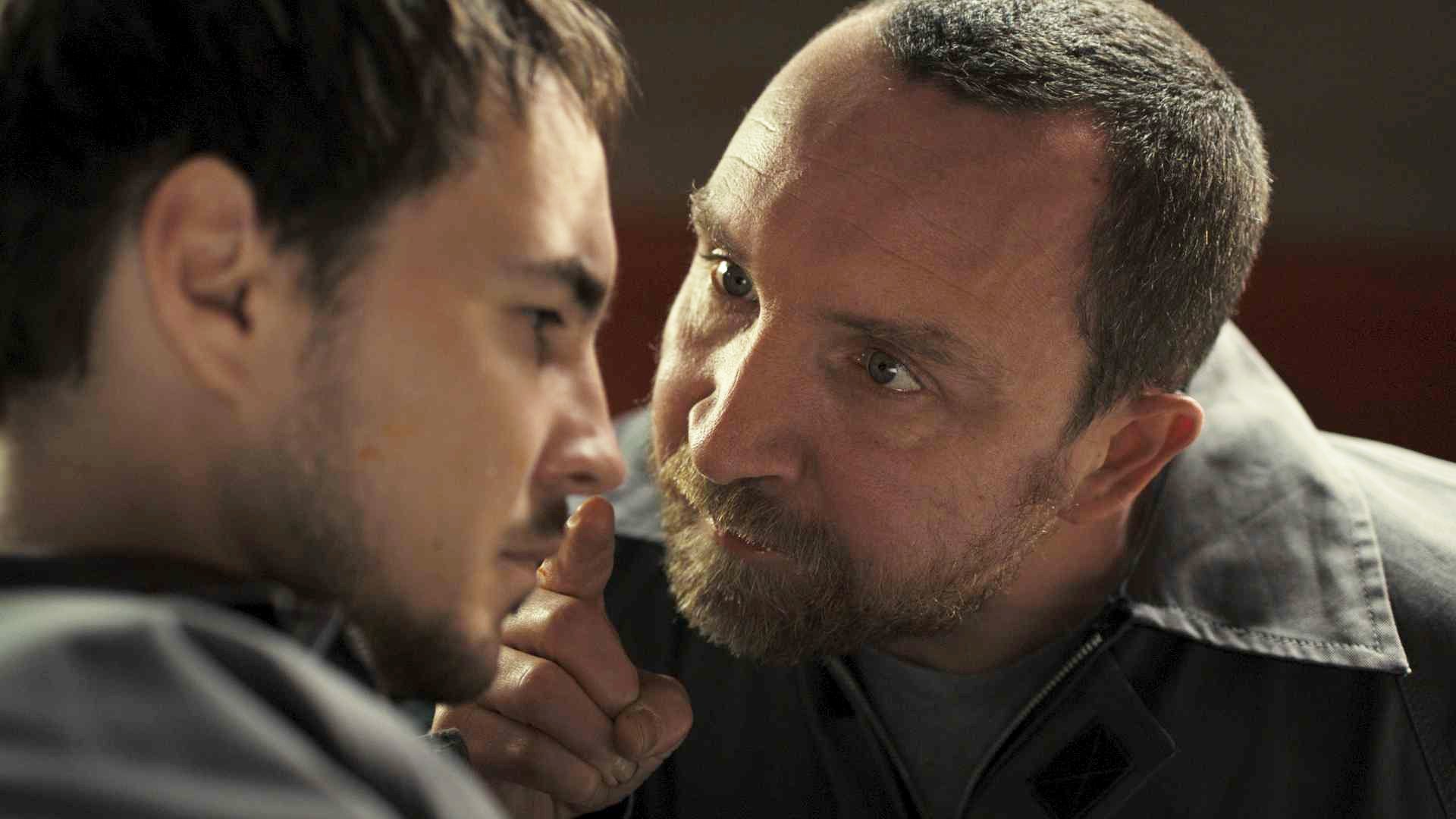
“That ‘Disappearance of Alice Creed’ is pretty great. A fantastic example of fine screenwriting. There are really only those three characters in the whole thing, so it is the kind of thing you could imagine seeing on the stage. There are a couple of twists and turns in there: it is definitely worth checking out.”
Background:
“The Disappearance of Alice Creed” was written and directed by J Blakeson, a man with very few other credits. According to IMDb, “Alice Creed” got him nominations for “Most Promising Newcomer” at the Evening Standard British Film Awards and “Breakthrough British Film Director” at the London Critics Circle Film Awards, and landed him on a list of 10 directors to watch in 2010 in Variety magazine. However, his follow-up to “Alice Creed” (a Columbia Pictures film called “Fifth Wave” about an alien invasion) has only just begun filming, and isn’t expected to be released until 2016. Outside of a handful of short films, his only credits are as a writer on “The Descent: Part 2” and a TV movie called “Mist: The Tale of a Sheepdog Puppy.”
As Max mentioned, “Alice Creed” consists of a bare-bones cast of three. Martin Compston has appeared on a number of BBC dramas and British movie productions, including “Line of Duty,” “Silent Witness,” and “Filth.” Eddie Marsan is a veteran character actor with a list of over 100 acting credits, in everything from “The World’s End” to “Gangs of New York” to “21 Grams,” and also appeared alongside Compston in “Filth.” Last, but not least, is Gemma Arterton, who plays the eponymous Alice Creed. Her credits are more big budget Hollywood than the other two, despite not starting out until 2007. In 2008 she appeared in movies such as the Bond flick “Quantum of Solace” and Guy Ritchie’s “RockNRolla,” which led into 2009 which included “Alice Creed” and “Pirate Radio.” By 2010 she was starring in Hollywood flicks like “Clash of the Titans” and “Prince of Persia.” She most recently popped up in movies like 2014’s “The Voices” with Ryan Reynolds and 2013’s “Hansel & Gretel: Witch Hunters” in a lead role alongside Jeremy Renner.
As far as trivia goes, most of the interesting stuff that I could dig up relates to the arduous and accelerated filming process. Not only was it filmed in four weeks, but the casting wasn’t completed until two weeks before shooting. According to IMDb, there is no dialogue until almost the 6 minute mark of the movie, which almost certainly means that non-verbal acting is used extensively to build tension, along with creative cinematography, sound, and editing. The movie includes a number of nude sequences, for which Gemma Arterton declined the use of a body double, apparently so that she could “convey genuine fear.” In addition to that, a number of rumors and tales have come out of the production in relation to her professionalism and dedication to the role, including refusing to be unlocked from her character’s handcuffs while she was on set.
Critics generally enjoyed “The Disappearance of Alice Creed” more than casual audiences, as the movie scored 82% on the Rotten Tomatoes aggregator alongside an audience score of 67% and an IMDb rating of 6.8. Although the film was nominated for a handful of awards in Britain, it didn’t ultimately take any of them home.
Review:
As I expected based on Max’s pitch, this is a movie absolutely driven by the three actors in it. To say they knock it out of the park doesn’t even begin to touch it: they each create memorable, interesting, highly emotional and relate-able characters that are absolutely believable. Credit also has to go to the writing on that, of course, but the whole project would have just fallen apart without the right players in place.
Speaking of the writing, “Alice Creed” is very well crafted in that regard as well. The dialogue is great, but that pales in comparison to the hair-pin turns that are pulled off effortlessly throughout the plot. The twists are well laid-out, but still surprising until you start to think about them. Being able to lay the groundwork for believable plot twists is no easy task, and it is pulled off damn well here.
Apparently, the theatrical ending to the movie is not the one that was initially intended. Honestly, I didn’t notice, particularly in comparison to other movies that have altered endings at the last minute. It isn’t excessively cheery or anything, but it at least leaves a slight ray of sunshine at the end of a very dark drive.
There are some really good shots throughout the movie, and I particularly enjoyed the dialogue-less opening sequence where the premise slowly shapes together without a single word being spoken. The actors definitely pulled their weight there, but I thought that the shots and the editing were really telling the story throughout the sequence. DirectorJ Blakeson specifically mentions Ridley Scott’s opening to “Alien” as an influence on this sequence in his commentary on the film’s DVD, and I think you can really feel that desired atmosphere there. In any case, it was a great way to set up the tension for the rest of the movie, as well as a way to establish the primary setting.
Despite having a few highly uncomfortable moments, “The Disappearance of Alice Creed” is a high recommendation for me. The pace starts dragging a little bit in the second half, but it never slows down enough to totally lose your attention. You care about the characters, and want to know what happens to them, even when things begin to drag. Top notch performances are had by all on screen, and an outstanding amount of skill is showcased by J Blakeson as a rookie to feature films. I’m looking forward to what he does next year with “Fifth Wave.”
Today, I am kicking off a brand new segment here at Misan[trope]y Movie Blog. I’ve mentioned before that I am a big fan of physical media, and even more-so the culture that has formed around video stores over the years. In keeping with that, I am going to be doing a weekly segment called “Clerk’s Pick”, in which I let one of the clerks at my local video rental shop (Video Central of Columbus, OH) select and pitch a movie for me to review. I’ve always loved recommendations that come from actual people, and they tend to be a little more interesting and accurate than that whole Netflix “Max” thing. So, let’s get it kicked off:
Pitch:
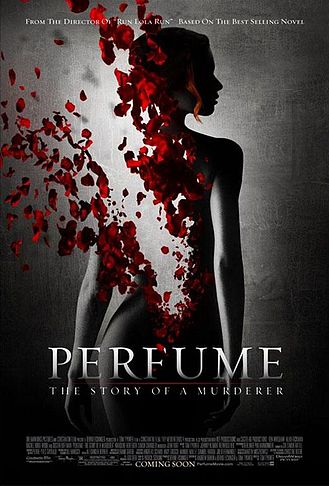
“Have you seen ‘Perfume?’ It is one of the best films in the store. I’m surprised more people haven’t hear of it. It is a big movie: Dustin Hoffman, Alan Rickman, a whole lot of locations, and the largest orgy sequence I’ve ever seen. The main kid, Ben Whishaw, is the new Q in the James Bond movies. Anyway, it is about this guy who is trying to make a perfume based on the scent of his lover, so he starts murdering people and trying to use their fat and stuff to perfect the smell. You have to see it.”
Background:
Director/writer Tom Tykwer gained considerable international acclaim in 1998 with the beloved German indie “Run Lola Run”, which came about 8 years before “Perfume.” In those 8 years, he failed to match up to the international acclaim of “Lola”, releasing “The Princess and The Warrior” in 2000 and “Heaven” in 2002. Both were well-regarded and acclaimed in Germany, but didn’t receive much attention outside of Europe. After “Perfume”, he directed some larger movies (2009’s “The International” and “Cloud Atlas” in collaboration with the Wachowskis in 2012), but both were box office failures and met with mixed critical reviews.
The other writers on “Perfume” were Andrew Berkin (of “Omen 3 – The Final Conflict”) and prolific producer Bernd Eichinger, who is probably best known as being an EP for all of the Fantastic Four movies (yes, all of them). That said, he has a number of writing credits as well: most notably 2004’s highly acclaimed “Downfall,” which follows the fall of Adolph Hitler. However, “Perfume” was admittedly his dream project. Rumor has it that despite Eichinger being a good friend of the book’s author, the rights to the work cost the production 10 million Euro, a precedent that ultimately led the movie to being the most expensive German film of all time (50 million Euro).
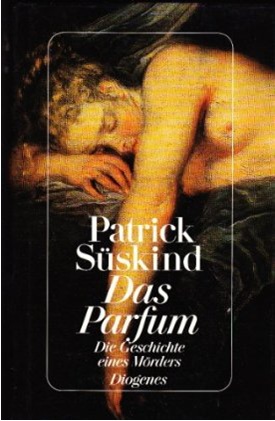
“Perfume” is based on a 1985 German novel of the same name written by Patrick Suskind, which was generally well-regarded upon release. The story has been loosely adapted into television on the show “Criminal Minds”, inspired a song by Nirvana, and was recently debuted as a stage musical in Russia (really?), but Tykwer has been the only person to adapt it to the big screen so far. However, it wasn’t for a lack of trying.
A movie production of “Perfume” had been planned for years, with names like Stanley Kubrick, Martin Scorcese, Milos Forman, Roman Polanski, Ridley Scott, and Tim Burton all at one point rumored to be involved (or actually were in Scott’s case). It is a wonder that such a sought after work landed in the hands of the relative neophyte Tykwer. Perhaps realizing the pressure and expectations for the picture, his ultimate charge of the production was near-Kubrickian in its attention to detail.
The costumes were custom made based on extensive research on the art and history of the period, and the actors were required to live in them to create a more accurate worn appearance for filming. The orgy scene, one of the largest in cinema history, was meticulously choreographed and featured professional dancers on the insistence of Tykwer. Also, as Max mentioned in the pitch, the production gallivanted throughout Europe: while the bulk of filming took place in Barcelona, shooting was also done throughout Spain, Germany, France, and the Netherlands.
The cast is mostly made up of somewhat recognizable European character actors, which is in no way an insult: it is clearly a proudly European movie. Outside of Dustin Hoffman and Alan Rickman, faces are mostly only familiar from German indie productions or the BBC. However, the recently knighted John Hurt does provide the narration, which is a nice touch. Ben Whishaw is given the lead role of Grenouille, a young actor who seems to be a still-rising star in Europe. He has appeared in a number of the bigger Tykwer movies like “Cloud Atlas” and “The International,” as well as the Helen Mirren led adaptation of “The Tempest,” BBC miniseries “Criminal Justice,” the surreal Bob Dylan biopic “I’m Not There,” Terry Gilliam’s “The Zero Theorem,” and an ongoing role in the James Bond franchise as the new Q.
“Perfume” ultimately grossed $135 million, but a little less than half of that came specifically out of the German market, meaning it didn’t quite get the international steam that was hoped for. Regardless, it made a nice sum of money, and audiences mostly liked it despite critics being mixed (58% on Rotten Tomatoes, against a 74% Audience Score and a 7.5 on IMDb).
Review:
First off, “Perfume” has some really cool cinematography throughout the film. There is loads of visceral imagery, like the filmmakers are trying their best to portray smell via a visual medium. It is impossible not to notice all of the intentional focus on noses, with interesting shots and use of shadows to emphasize them.
There is a good amount of interesting sound editing, and in particular a lot of ambient, discordant music which adds to the intentional discomfort of the film’s atmosphere. Speaking of which, I don’t think I have ever come across a movie that so expertly creates such a sickening, repulsive atmosphere. In that sense, it is beyond a success.
One of the key complaints that I read about the film was that the script wasn’t quite up to par with the rest of the material. Honestly, I kind of wish there wasn’t so much narration: there is an awful lot of telling when the showing is already doing the job. That said, John Hurt’s voice works pretty well, even if the words written for him aren’t stellar. Whishaw has to do a lot of non-verbal acting in the movie, and he does a pretty good job with it. Without his performance, all the atmosphere created by the sound, the editing, the costuming, the locations, and the cinematography would have been lost. He holds it together, but the beauty is in the trim on this one: he isn’t fantastic, but the work around him elevates the ultimate product. Again, I credit a lot of this to the aforementioned meticulous attention to detail on the part of Tykwer and the crew. Absolutely nothing about this movie is half-assed.
I’m not sure how I feel about Dustin Hoffman’s performance as the initial perfumer mentor to Whishaw’s Grenouille character. Something just feels off about it, and it is hard to nail down what it is. He is trying to pull off an accent that seems unnecessary, which at least partially contributes to the issue. Part of the problem might also sit in the writing of the character, but whatever the reason, it is a conspicuous weak point in the movie. That said, it doesn’t last very long: for being one of the top bills, Hoffman doesn’t spend much time in the movie. As with most of Grenouille’s masters throughout the film, he is coincidentally and quickly dispatched as soon as Grenouille leaves his company, which is kind of a problem to itself. When the house literally comes crashing down in on Hoffman, I wasn’t sure how I was supposed to feel. It plays almost like it is supposed to be absurdly comical, which definitely does not fit in with the greater tone of the movie.
The film’s has a couple of women who serve as the principal objects of Grenouille’s obsession, but neither of them get a whole lot of screen time. Both Rachel Hurd-Wood and Karoline Herfurth fit their roles well, even if that role is essentially as a set piece. Of the two, I thought Karoline did the better job with the smaller role. Hurd-Wood just didn’t seem to deliver her lines very well, but it wasn’t so awful that it was excessively distracting. By contrast, Alan Rickman plays Hurd-Wood’s protective father, and kills his role just like he always does. However, just like Hoffman, he only gets a small section of the movie to show what he can do.
Karoline HerfurthRachel Hurd-Wood
I would be remiss to not mention the bizarre, absurd ending to this movie. Throughout the film, Grenouille is transfixed with the idea of preserving the smell of humans, and is seeking the ability to create the finest smell of all time. Hoffman’s character regales him with a legend of a Pharaoh, who was buried with a perfume so fine that all of the world experienced a split second of paradise when it was released. That story proves to be foreshadowing, as the movie ends with Grenouille finally creating his master perfume: but only after figuring out the logistics of condensing human aromas, a process that required a fair amount of murder on Grenouille’s part. As Grenouille is about to be executed, he releases the perfect perfume, sparking a mass orgy. He is then spared of his grisly fate because everyone is just too damn busy having that previously mentioned perfume-catalyzed orgy. However, Grenoille soon decides to kill himself via adoring crowd by dousing himself in the perfume, which is a rather peculiar way to go.
There is a lot that can be said about the ending. I don’t mind the surreal aspects so much, but I didn’t feel like Grenouille was ever relate-able or sympathetic enough for me to feel anything about his ultimate…sacrifice? I’m not sure if you could even call it that. He certainly never showed remorse or redeemed himself for his actions, apart from cooking up an apparently kick-ass perfume. I would say that the ending is a overall a weak cap on an otherwise good movie.
In general, I recommend this one with a few caveats. Some of the murder scenes are incredibly uncomfortable, but if you have the stomach for it, the film is a real spectacle to sit through. The cinematography and costuming are the real standouts, but there is a lot more than that to appreciate about the film. The second caveat is that the writing and acting is spotty: the narration cuts in and out and isn’t written very well, and Hoffman is a huge weak spot in the cast. However, the beauty is in the details on this film: all of the little things really add up, and it definitely shows through in the finished product.
Better late to the party than not showing up, right? Well, here I am: a week into January, and just now doing the “Worst of 2014” post.
Many of you have probably seen the highly publicized listing of Rifftrax’s “Worst Movies of 2014” list, as voted on in a public poll. For those that haven’t, here it is:
Teenage Mutant Ninja Turtles
Transformers: Age of Extinction
Dumb and Dumber To
A Million Ways too Die in the West
Left Behind
The Amazing Spider Man 2
Ouija
Sex Tape
Noah
300: Rise of an Empire
Interesting. I certainly have some quarrels with it, but such is the nature of democracy. Let’s compare that with a handful of other “Worst of 2014” lists, shall we?
Here is one pulled together by the good folks at the Stinker Madness Podcast, in no particular order:
Needless to say, it was quite a divisive year for bad movies. None of the lists agreed on a number one, and different films show up in each of them. Notably absent from all of them is the Bollywood movie “Gunday,” that sparked so much controversy on IMDb and other social media sites, instantly tanking to the bottom of the IMDb Bottom 100. Also, the much-maligned “Saving Christmas” is oddly underrepresented, barely cracking the AV Club list, and not making the other lists at all. Even the latest “Transformers” movie, which topped one list and was runner up in another, totally missed the AV Club list of 20. The Rifftrax number 1, “Teenage Mutant Ninja Turtles,” missed the AV Club and Rolling Stone lists. “Left Behind” consistently showed up in three of the lists, but missed the Rolling Stone ranking altogether. In another shock, “God’s Not Dead” only appears at #10 on the Rolling Stone list, and nowhere else.
I can’t express how astoundingly bizarre this is. I expected to see a significant difference between the Rifftrax list and the others, because Rifftrax was democratically run and open to the public, whereas the others were selected by critics. But the critics didn’t see any kind of agreement between them! We’re not even talking about minor gripes with the ordering: they are selecting entirely different movies!
Holy shit. Not only is there another different #1 worst movie (one that appeared on no other list, I might add), but 5 of 10 movies on the TIME list did not appear on any other list. You have to be kidding me.
That is the first repeat top selection so far! However, there are also 4/10 that haven’t appeared on any of the other lists, so we aren’t making much progress there.
So, I’m going to try to come up with an aggregated “Worst Movies of 2014” out of these lists. First off, any film that only appears on one list is disqualified. That leaves me with the following 15 movies to rank:
A Million Ways to Die in the West
The Nut Job
Winter’s Tale
Left Behind
Sex Tape
Sin City: A Dame to Kill For
Transcendence
Amazing Spider Man 2
3 Days To Kill
Teenage Mutant Ninja Turles
Transformers: Age of Extinction
Noah
Godzilla
Men, Women & Children
The Legend of Hercules
Now, I’m going to come up with a formula to decide the ranking. I’m thinking I am going to add together the Rotten Tomatoes review aggregate score, the Rotten Tomatoes audience score, and the IMDb score times 10 (it is on a 10 point scale normally, so this makes it out of 100). For each movie, that will give me X/300, and I will rank them from lowest to highest. Lets see what that looks like…
The Legend of Hercules (79/300)
Left Behind (86/300)
Sex Tape (103/300)
The Nut Job (113/300)
Winter’s Tale (119/300)
Transcendence (120/300)
Transformers: Age of Extinction (130/300)
3 Days To Kill (135/300)
*TIE* Teenage Mutant Ninja Turtles (136/300)
*TIE* A Million Ways To Die In The West (136/300)
Men, Women & Children (147/300)
Sin City: A Dame To Kill For (158/300)
Noah (181/300)
Amazing Spider Man 2 (189/300)
Godzilla (207/300)
Well, isn’t that interesting? Another new number 1 in “The Legend of Hercules,” but I am more interested in the higher numbers on this list. Those of you who are math-inclined may have noticed that the lower entries on here don’t have horrible scores: “Godzilla” has a 69%, which is damn near a “C”, and a passing grade however you cut it. “Amazing Spider Man 2” has a 63%, which isn’t good, but is certainly nowhere near the bottom for the whole year. For comparison, this scale gives “Saving Christmas” a 46/300, or a 15.3%, which is well lower than anything else on the list.
I think the conclusion here is that 2014 is a year that we are all going to have to “agree to disagree” when it comes to movies. I’m personally very interested to see how this shakes out on the other end of the spectrum: a lot of people are expecting an equally competitive field in the “Best of 2014” category, which is going to be quite a firefight once awards season rolls around.
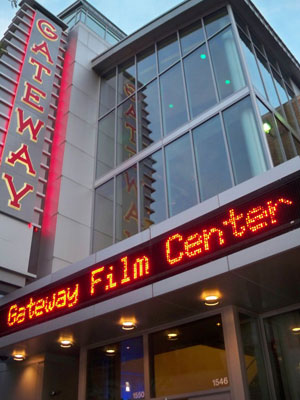
Have I mentioned before how awesome Columbus, OH’s Gateway Film Center is? No? Well, they’re great. After being away from Columbus, OH for the holidays, I just want to give them a giant hug for how generally fantastic they are.
They say that absence makes the heart grow fonder. After spending the last half of December back home in Huntsville, Alabama, I can say without any doubt that I miss the Gateway Film Center as much as I would miss, say, a superpower that suddenly went away: I could live without it and function well enough, but life isn’t nearly as fun that way.
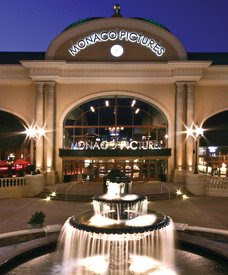
I’m not saying that Huntsville, AL is a culture desert or anything, but there isn’t anything there film-wise that can nearly compare to the quality of the Gateway. The opening of the beautiful Monaco Pictures a few years back was a big step up for the local theater game, but the content there isn’t any more varied than a typical multiplex, which is a damn shame. There are a few film clubs here and there, and a film co-op in the local arts center at Lowe Mill, but those only go so far. There aren’t any cult classic midnight screenings in Huntsville outside of an occasional Rocky Horror show, and the latest indie flicks certainly take their time getting there, if they come at all. The south doesn’t have a stellar reputation about this kind of stuff, but I can’t help but feel that Huntsville would eat that kind of thing up. It is a pretty cultured city, considering where it is. Maybe it can snag an Alamo Drafthouse someday?
Monaco Pictures: where looking at the building is usually more interesting than watching the movies on the inside
For the hell of it, here are some of the things I missed at Gateway Film Center over the 2 weeks I have been away in Huntsville, just off the top of my head:
Late Nite Screening of John Carpenter’s “The Thing”
Late Nite Screening of Stanley Kubrick’s “A Clockwork Orange”
Late Nite Screening of “Home Alone”
Late Nite Screening of “Christmas Vacation”
Screening of new horror movie “Late Phases”
Screening of “White Christmas”
Brunch Screening of “The Graduate”
Screening “The Babadook,” which has still not made it to Huntsville
Screening “Foxcatcher,” which has still not made it to Huntsville
Maybe my favorite part of this is that I could have seen all of these, with free popcorn to each, with my $30 monthly membership. That is just goddamn beautiful. I really want GFC to have a physical humanoid embodiment so I can express my fondness for its existence via a top-notch fist-bump.
That is all, of course, only covering the past two weeks. I didn’t even get into the Fritz the Nite Owl screenings (which are the best things ever), Dr. Bob’s Midnight Movies, or the other amazing film stuff going on in Columbus NOT at the GFC (I missed a Bad Movie Nite at Studio 35 over those two weeks as well!). There’s also the Wexner Center available for the more “pinkies up” film things, which I should probably visit more often.
Godzilla vs Fritz the Nite Owl
Meanwhile, Huntsville didn’t have a single notable screening while I was in town (at least that I was aware of), outside of the typical multiplex fare. I was able to at least share with Huntsville friends some things I saw at Gateway (such as the amazing, sure-to-be-cult-classic “Dead Snow 2: Red vs Dead”) that never got distribution down this way. Again, I’m not trying to single out Huntsville as being particularly poor in the film department here. Honestly, I think it is on par with (or probably somewhat better than) Anytown, USA. The point I’m primarily trying to get across is that I want to hug the Gateway Film Center and be best buddies with it forever.
If you live in Columbus, OH and love movies, you should be supporting the Gateway Film Center and the outstanding local film community there. Most of the country has nothing that can compare to it, and the programming has been nothing but stellar since I popped into town back in July. Just, y’know, don’t take it for granted. You could be a film buff stuck in Alabama.
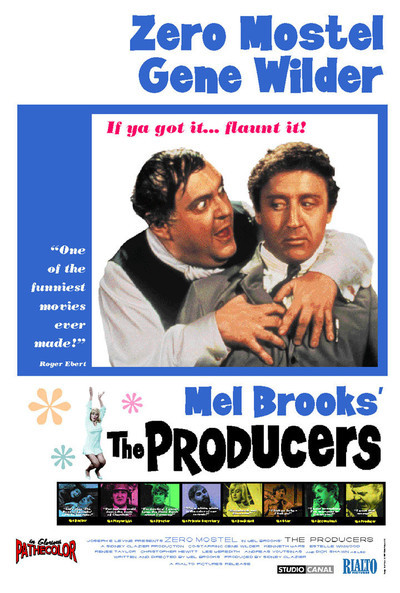
Welcome back to the (Plot)opsy Podcast! Today’s episode is a bit of an oddball, in that I’m going to be covering a play instead of a movie. Well, sort of. The play doesn’t actually exist, but a movie about it does. Also, there’s a play adaptation of the movie about the play that doesn’t exist, and a further movie adaptation of that play. Sound confusing? You have Mel Brooks to thank for “Springtime for Hitler,” the fictitious Broadway smash at the center of the acclaimed film-turned play-turned film again, “The Producers.”
Recently, I caught a fantastic American Masters documentary about the legendary Mel Brooks. The movie chronicles his entire impressive and lengthy show-business career, and offers a lot of the behind-the-scenes insights that I always enjoy learning about. This, of course, sent me through a re-watch of some of Mel’s film highlights, including his Hitchcock-inspired “High Anxiety” and the beautifully executed “Young Frankenstein,” just to name a couple.
While I love a lot of the Mel Brooks movies, I don’t think any of his later films quite match up in quality to his 1967 Academy Award winning debut, “The Producers” (and its subsequent musical adaptation). Given my fondness for the aesthetics of the awful, I’m admittedly a bit biased here: the plot of “The Producers” is about creating the worst play of all time, so of course that is up my alley. Coming from a place of affection for “The Producers” and Mel Brooks, I want to analyze the baffling success of the film’s fictitious Broadway blitzkrieg: “Springtime for Hitler.” Hang with me here, this could be interesting.
Believe it or not, I think there is very good reason as to why “Springtime for Hitler” is successful within the world of “The Producers.” In the Broadway adaptation, Bloom and Bialystock share a musical number called “Where Did We Go Right?”. I think that I can adequately explain exactly what went “right” about “Springtime for Hitler.” Here’s a look at some of the lyrics to get us started:
We searched Broadway on and off
For singers with a cough
We had tryouts and auditions by the score
And to trip the light fantastic
We picked dancers who were spastic
If anyone jetted, we jetted them out the door
They shouted hooray for that sausage on display
Where did we go right?
Our leading man was so gay he nearly flew away
Where did we go right?
A show so easy to despise
Now it’s up for the Pulitzer prize
Oh, where, oh, where, tell us
Where did we go right?
In “The Producers,” the lead characters are attempting to craft a genuinely bad play, which should be a fairly simple task in theory. So, the question is: how did Bialystock and Bloom stumble into the elusive realm of the “good-bad” aesthetic? First off, it helps to understand the accepted contributing factors to “good-bad” status.
It has been alleged that one cannot intentionally create a “good-bad” feature, because one of the most widely accepted requirements for the pseudo-genre is a healthy degree of earnestness. Basically, in order for a movie or play to be “good-bad,” it needs to have honest and genuine effort thrown into it by at least a healthy number of the cast and crew. Thus, trying to intentionally capture the “good-bad” aesthetic is impossible (or is it?).
I believe that “The Producers” actually stumbled across a fascinating way to intentionally create a good-bad work, even though that isn’t what Bialystock and Bloom set out to do in the movie. As mentioned previously, earnestness is absolutely key to the good-bad aesthetic. In most cases, an attempt to create something awful will lose that all-important creative honesty. However, the plot of “The Producers” skirts around this roadblock: the only two characters who are in on the plan are the eponymous producers, who are not part of the hands-on creative team. Their influence on the play is limited to the assembling of the pieces: they are shown selecting the director, the script, and the cast, for instance. That means that the creative team of “Springtime for Hitler” is unaware of the dishonest motivations of the production, and are therefore earnest in their efforts with the play.
While earnestness is a major key in creating a good-bad feature, there is more to the success of “Springtime for Hitler” than that alone. After all, earnestness is essentially atmospheric, and doesn’t guarantee entertainment value. For that all important entertainment value, most good-bad movies rely on the actors. Sometimes this is achieved by over-the-top performances (like Nicolas Cage’s in “Vampire’s Kiss” and “The Wicker Man”), other times it may come from astounding underacting (as is found in “Birdemic”). Or, best of all, the acting can provide a peculiar mix of the two, as was the case in “The Room,” which features a cavalcade of simultaneously emotional, intense, and completely vapid performances.
The cast of “Springtime for Hitler” is one of the few things that significantly varies between the initial film version of “The Producers” and the later musical adaptation. They both function more or less the same way and lead to the same ultimate result, but the differences are worth pointing out.
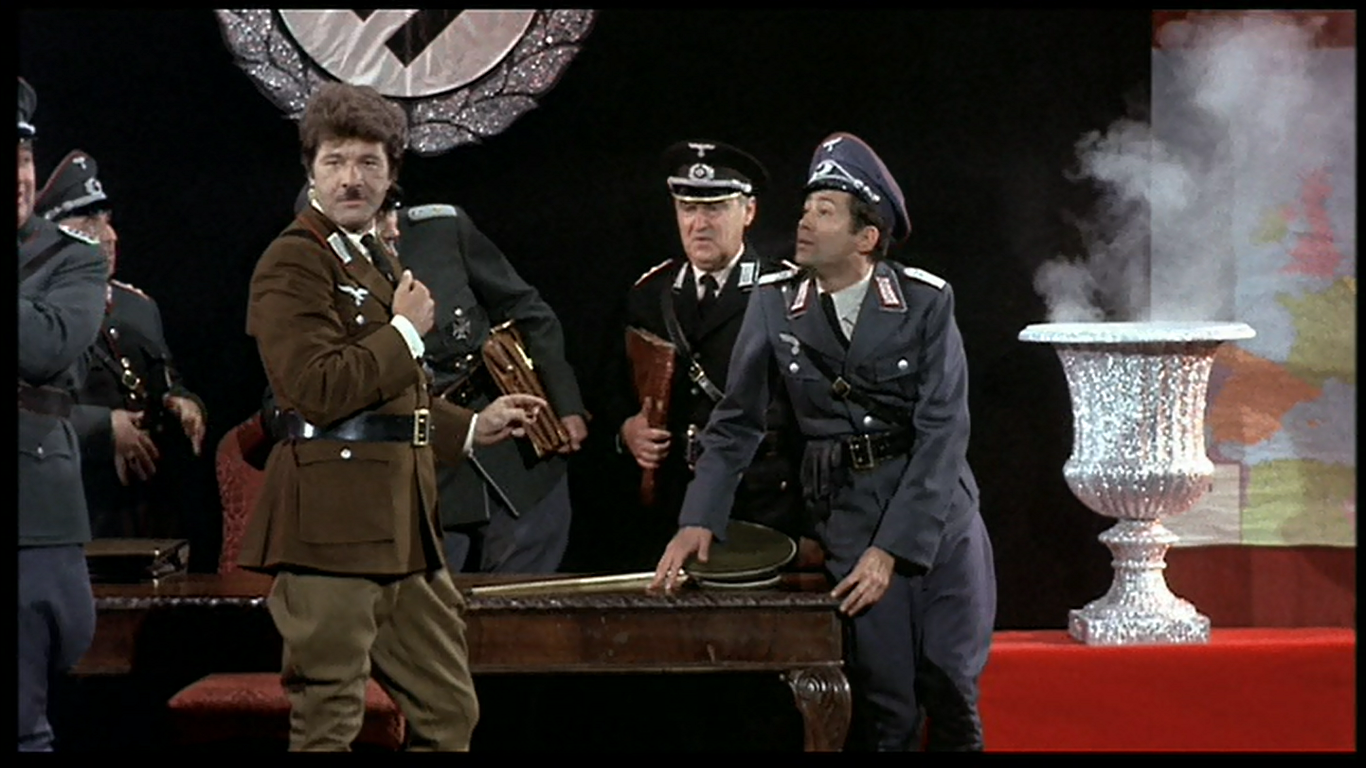
In the initial film version, Hitler is played in “Springtime for Hitler” by a hippie named Lorenzo St. Dubois (LSD). He apparently performs while drugged out of his mind, and improvises most of his dialogue (to the intense disdain of the play’s author, Franz Liebkin). However, his performance is what turns the audience around: before he takes the stage, the audience has already started parading out of the theater in disgust. Once he gets going, however, his baffling exploits quickly win over the crowd. Adding a cherry on top of the performance are the antics of the infuriated Franz Liebkind, who takes to the stage in a fit of rage while clad in his German army helmet. The audience mistakes this for part of the surreal act, responding with immense applause.
LSD as Hitler in the original film version of “The Producers”
In the musical adaptation and subsequent film, the character of LSD is cut from the story. Instead, the writer of the play (Franz Liebkind) is initially cast as Hitler, but is injured before opening night. The director, Roger De Bris, takes over the role or the great dictator for the show. The play goes much the same way as in the initial movie, with the audience storming out just before Hitler takes the stage. Instead of drugged improvisation, De Bris wins the audience over with flamboyant innuendo and comedic song and dance (“Heil Myself”). I personally think that the De Bris Hitler version works better for the film by eliminating an unnecessary and light character, but the LSD version is certainly more surreal. In either case, the curious and hilarious performances of the leads wind up providing the entertainment value behind “Springtime for Hitler”, and save the play from the dull fate that it seemed all but doomed to. They make the final difference between bad-bad and good-bad for “Springtime for Hitler”.
The last and perhaps most important factor in the success of “Springtime for Hitler” as a fictional good-bad smash is entirely the fault (or credit) of Bialystock and Bloom: the assembly of the “Springtime for Hitler” creative team.
In general, all of the decisions that the producers made in the creation of the “Springtime for Hitler” team were big, obnoxious, and loud: they couldn’t settle a bad, boring script; it had to be the worst, most offensive script. They wouldn’t take a mediocre director, they wanted the absolute worst. Their Hitler had to be the most atrocious Hitler since the actual Hitler. Arguably, if they had settled in any one of those categories, the flop may very well have been assured. What led the producers to going so over the top with their assembly, though? Why go for all of the biggest personalities and extreme outliers? The obvious answer is that they wanted a guarantee of failure, but I think it goes a little deeper than just that.
At the beginning of the story, it is made clear that Bialystock had been producing flops for years, with Broadway success just a fading memory from his distant past. When Bloom reveals the theoretics of the flop scam that ultimately drives the film, there is a perceptible change in the character of Max Bialystock. His desire for failure brings back the drive and ambition that he had clearly been missing, and was almost surely what made him successful in the first place. This is particularly driven home in the musical adaptation’s number “The King of Broadway”, which paints a clearer picture of the pro-Bloom, downtrodden Bialystock.
In essence, Bloom’s scam reawakens Bialystock’s motivations, and he is once again driven and capable of assembling a team. While he tries to build something to fall apart, I think he underestimates himself: despite his many flops, he lacks the innate ability to create failure, which is something he wrongfully believes to be the case. His failures, as much as the audience sees of them, come from a place of apathy. The mere fact that he is expending energy and displaying passion for “Springtime for Hitler” is the kind of intangible that can positively effect a production. Just looking at the way he desperately courts and pleads with Roger De Bris and Franz Liebkind is intriguing when viewed from this perspective. They don’t know why, but they know that something about “Springtime for Hitler” has Bialystock exited to produce again. Remember: no one other than the producers know about the scam until after opening night. For all they know, this script has genuinely reignited Max Bialystock.
“Springtime For Hitler,” a play created to fail, is ultimately a success within the story of “The Producers” for the same reasons that we have cult classic good-bad movies in the real world. The play is made in absolute earnest by an outlandish, eccentric, and boisterous cast and crew, led a highly eclectic lead with a peculiar charisma that is capable of captivating audiences. Despite it all being assembled by crooked producers with impure motivations for failure, “Springtime For Hitler” was unintentionally crafted with an ideal, elusive formula for a good-bad smash, along the same lines as beloved films like “Troll 2” and “Birdemic.”
Well, here it is: an entirely subjective, rough ordering of the IMDb Bottom 100 movies I watched over the course of 2014. If you want to read some thoughts on why there are 104 of them, how they were selected, etc., check out my previous IMDb Bottom 100: COMPLETE post.
I tried to rank these by giving consideration to production values, earnestness, dialogue, acting, plot coherence, off-screen calamity, entertainment value, technical prowess, and sensory/general offensiveness. It wasn’t easy to do, and I tinkered with it constantly while writing it up: there are just too many factors and subjective aesthetic aspects for this sort of ranking to be broken down into a science. In any case: here they are, in a rough order from best to worst:
Happy New Year! Be sure to check back in 2015 for more Misan[trope]y movie reviews and (Plot)opsy Podcasts. Thanks to all of you readers and listeners for making 2014 the best year yet here at Misan[trope]y Movie Blog!
It has been many months, but I can confidently say that I successfully watched over 100 movies from the IMDb Bottom 100 ranking in 2014. That was my goal at the beginning of the year, and here we have it! In no particular order, here are links to my reviews of 104 IMDb Bottom 100 movies.
Let me explain why there are 104 movies, and what those asterisks mean. As it turns out, watching all of the IMDb Bottom 100 is more complicated than you might think for a number of reasons.
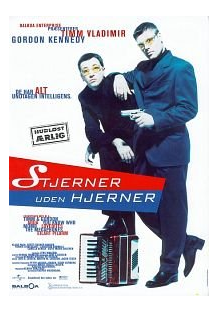
Thanks to the international representation that has grown on the list in the past couple of years, there are a fair number of films in the ranking that did not get a Region 1 release: this means that no only was there no official distribution in the US, but there are also no official English subtitles or dubs. For some of these films, like “Daniel der Zauberer” and “Turks in Space”, they have enough of a following that fans have created subtitles so that English audiences can watch them. More often than not, however, these international entries in the IMDb Bottom 100 are just not available in any form to an English-speaking audience. Movies like “A Fox’s Tale” and “Danes Without a Clue”, for instance, just do not exist in an English-friendly form, and aren’t popular enough to have fans distributing them online and creating subtitles for them.
“Danes Without A Clue” never made it to Region 1 distribution
In addition to foreign films that lack English language versions, a number of other movies in the IMDb Bottom 100 simply don’t have any distribution, and similarly lack the popularity for there to be online copies of them available. IMDb Bottom 100 movies like “The Tony Blair Witch Project”, “Anus Magillicutty”, and “Ghosts Can’t Do It” all fall into this category: the first two are just low-budget projects that didn’t get spread around, whereas “Ghosts Can’t Do It” is simply out of print and only available (scarcely) on VHS.
In an attempt to make up for these unattainable members of the ranking, I went back through some archived versions of the IMDb Bottom 100. Because the list is democratic and constantly accepting new votes, movies regularly fall out and break into the ranking, meaning that a snapshot of the IMDb Bottom 100 from 2004 looks very different from the one that exists today. All of the movies in the above list marked with an asterisk were pulled from these archived lists to make up for the missing movies that I couldn’t get copies of.
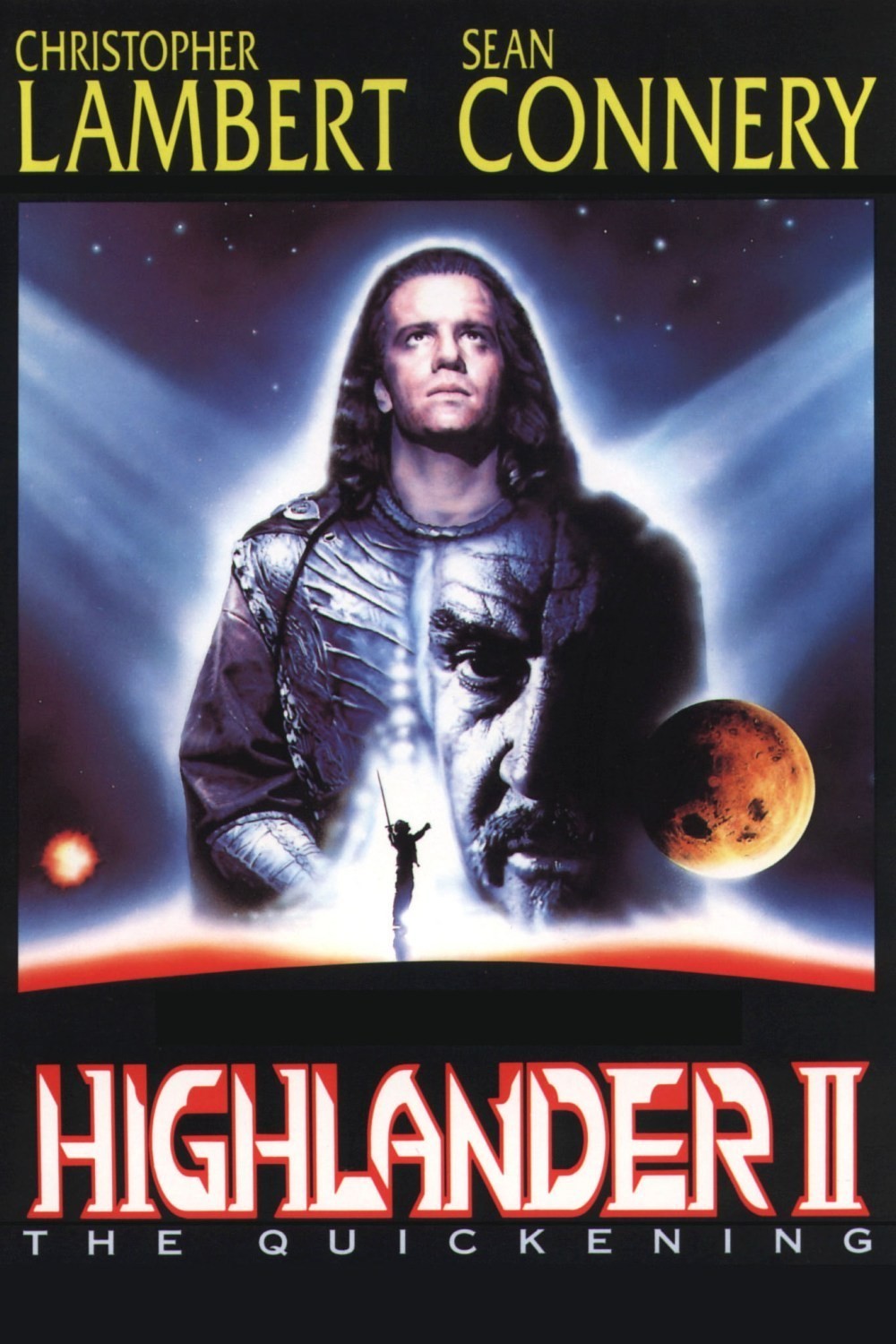
“Highlander II” was one of these Alum features I covered
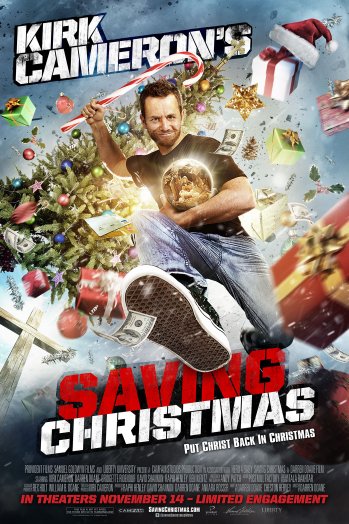
So, how did I wind up with 104 movies covered? As I mentioned, the IMDb Bottom 100 is consistently shuffling in new movies as votes come in and movies reach the qualification quota of 1500 votes for the list. As was the case with “ROTOR” and “Saving Christmas”, I chose to cover new movies as they popped into the Bottom 100 over the course of 2014. Between covering movies from the IMDb Bottom 100 archive and new members of the ranking from 2014, I managed to tip over 100 movies covered in total. In fact, there are even more IMDb Bottom 100 movies that I could still cover (and in all likelihood I will at some point).
For now, I am going to put the IMDb Bottom 100 on the back-burner: I managed to watch and review over 100 of them in 2014, and I am interested in taking on some new bad movie challenges in 2015. That said, I am planning on doing my own ranking of those 104 movies in the near future, and writing a more in depth retrospective on the challenge after I’ve had some time to mull it over.
As for now, I wish you all a Happy New Year, and look forward to having you back in 2015!
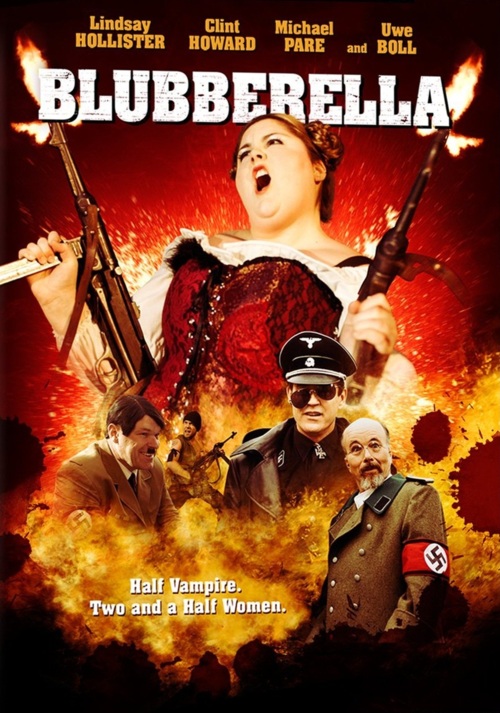
“Blubberella” is yet another entry in the IMDb Bottom 100 brought to us by the much-maligned director Uwe Boll, who was also behind IMDB Bottom 100 flicks “Alone in the Dark” and “House of the Dead”. His immense unpopularity as an individual (among critics and audiences alike) is almost as notable as his his astoundingly awful filmography at this point, something that has certainly had an effect on the public perception of his works. Given that the IMDb Bottom 100 is in many ways based on popularity and public opinion, it is no surprise to see Uwe Boll pop up numerous times in the ranking.
Uwe Boll is literally Hitler
However, “Blubberella” sets itself apart from the typical Uwe Boll fare: not only is it a comedy (not Boll’s strength), but it is also a parody movie. If there is anything that the IMDb Bottom 100 can tell you at first glance, it is that parody movies can go wrong very easily, and Uwe Boll certainly isn’t Mel Brooks when it comes to the craft of cinematic comedy.
Adding to the bizarreness, “Blubberella” is a parody of a Uwe Boll flick that was being filmed simultaneously (“BloodRayne 3”), so it isn’t even aping a movie that the audience would identify with. According to some behind the scenes footage, this was a decision made first and foremost to save money: Boll’s logic was that it would cost the same to make two movies at the same time with the same sets, cast, and crew. In theory, if both movies did well, the profits would be exponentially better. This is an old principal that dates back to the classic Roger Corman B-movies, but those films were usually unrelated apart from the cast and setting: they weren’t designed to be symbiotic.
Personally, I feel that Uwe Boll’s already unpopular personality combined with this economic motivation for the making of the film would have led to a negative perception of “Blubberella” regardless of whether it was any good or not. Unsurprisingly, though, it is absolutely awful. Not only is it the worst Uwe Boll movie in the IMDb Bottom 100, but I personally think it is the worst parody movie as well. That put it is some truly elite company.
The humor in “Blubberella” is not just crass and lazy (just as with the other parody movies in the IMDb Bottom 100, it relies heavily on stereotypes), but it also comes off as generally cruel and bitter. I think just about every joke in the movie punches down, which is generally a poor practice and sets a thoroughly uncomfortable tone to the movie. By the end of the movie, it is pretty clear that Uwe Boll not only isn’t funny, but that he has a lot of personal ire for women, homosexuals, and fat people (not to mention pretty much everyone else). He comes off as even more of an asshole than everyone already believed he was.
Another huge issue with the humor in “Blubberella” comes from the fact that the movie is effectively unscripted: Uwe Boll left an excessive amount of the dialogue up to the actors to improvise (the two lead actors apparently did enough of this to justify co-writing credits on the film). Shows like “Curb Your Enthusiasm” can pull off this style of improvised scripting because of the comedic talents of the players, but it definitely requires a lot of skill from everyone involved for the technique to work. If you haven’t seen poorly done improv before, I assure you that it is some of the most uncomfortable, miserable comedy you will ever come across. In the case of “Blubberella”, the actors just aren’t up to the improv weight that is thrown on them by Boll. In the behind the scenes interviews, it seems like the actors are appreciative of the freedom that they were granted with this style, but I highly suspect that Boll made the decision to go with improv dialogue because he didn’t want to waste the time writing a fleshed out script (time is money, after all). In any case, it doesn’t work, and the end result is poorly paced and painfully unfunny.
A titanic comedy duo, in the sense that all of the humor sinks into the icy depths of misery
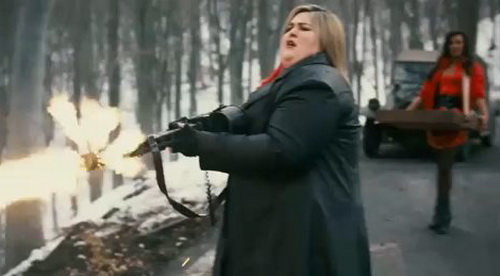
As far as the cast goes, the only real bright spot is beloved oddball character actor Clint Howard, and even he doesn’t perform up to his usual par. Worst among the cast list by a mile, however, is Uwe Boll himself, who portrays Adolph Hitler. To put it lightly, his acting is atrocious.
Clint Howard playing a Nazi Doctor
There is nothing to recommend about “Blubberella”: it is a creature spawned from hate-based humor and cheap economic logic. The pacing and comedic timing throughout the film is just awful, and there aren’t any redeeming performances or aspects that can justify sitting through the flick. Worse yet, you can tell how rushed the production was, and it is evident that there was no effort put forth to make this movie. Unless you are planning to watch all of Uwe Boll’s movies for the challenge of it, I would definitely avoid “Blubberella”.
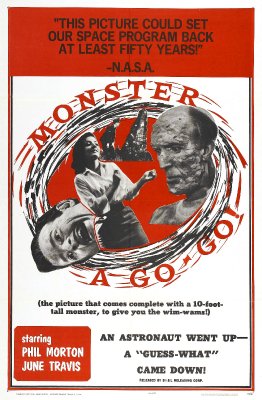
1965’s “Monster A Go Go” is an astoundingly bad film, enough so to be a true separation from the rest of the IMDb Bottom 100. The movie is a patchwork built primarily from parts of an unfinished product (that was poor in its own right), and then supplemented with original footage filmed years after the fact to complete the movie. This has been done with a number of other B-pictures (“They Saved Hitler’s Brain” comes to mind), but “Monster A Go Go” is the most distractingly awful example of this that I have come across.
The props are pretty awful as well. But then again, so is everything else in “Monster A Go Go”
Apparently “Monster A Go Go” was only cobbled together to fill out the second half of a bill for a double feature. With that in mind, a lot of the flaws in the movie make more sense: the sound issues, continuity errors, inexplicable sets, and abrupt editing are all explained by the simple fact that there was only a minimum amount of effort put into creating the film. The fact that “Monster A Go Go” was also a cheap attempt to salvage an abandoned film certainly contributes to almost all of the most glaring problems in the movie, such as the replaced actors and seemingly unrelated asides throughout the film. The disjointed product of all of these problems is a film so unfocused and bizarre that it is nearly unwatchable and incomprehensible.
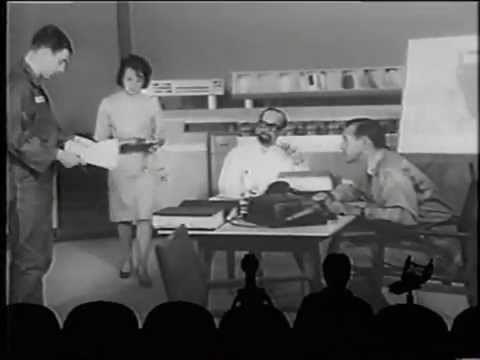
You have to love the laundry room science lab set
As with many of the other IMDb Bottom 100 entries, “Monster A Go Go” owes much of its reputation to the show Mystery Science Theater 3000. However, none of the other movies in the list have the honor of being considered by the MST3k crew as being the worst movie ever to have been featured on the show*. Considering the sort of movies that made their way onto the MST3k screen, that is really saying something. That said, they certainly do their best to make the movie worth the watch, and the episode highlights are worth checking out:
Personally, I am conflicted about Monster A Go Go. It is undoubtedly a spectacle of how to do everything wrong in making a movie. From an academic perspective, that makes the movie kind of fascinating. On the other hand, it lacks much of the entertainment value that people expect from “good-bad” movies. The MST3k riff is fun and makes the most of the overall rather dull movie, but it is still a tough film to sit through if you are expecting to have a good time. Some of the lighting goofs, silly sets, and the hilariously awful ending get genuine laughs, but they are very few and far between. Unless you want to watch a bad movie for the sake of seeing a movie gone terribly wrong, “Monster A Go Go” is skippable. It certainly isn’t the ideal flick to watch with a group of people to have a good time.
Surprisingly, “Monster A Go Go” is pretty low in the IMDb Bottom 100 (it has been sitting in the 80s). Without a doubt, this is one of the most objectively worst films I have seen while going through the list, standing out with movies like “The Starfighters” and “The Maize”. Given the influence of MST3k fans on the IMDb Bottom 100, I don’t expect it to fall out of the ranking anytime soon, but it is quite surprising to see it so low. I am somewhat curious if there is an odd subset of people over-ranking this movie intentionally, because I have a hard time believing that any significant number of people would rate this movie with more than one star in earnest. In any case, it is sitting where it is for some reason hidden within the will of the masses.
Reviews/Trivia of B-Movies, Bad Movies, and Cult Movies.
![Misan[trope]y](https://misantropey.com/wp-content/uploads/2014/10/misantropeyhead1.png)



 However, because “Fatty Drives the Bus” was only distributed by Troma (not created by them), I am holding on to some optimism about this flick.
















 Misan[trope]y